Eco-friendly restoration is on the rise in Charlotte, promising healthier spaces and a stronger local environment. It might sound expensive up front, but sustainable restoration techniques can actually save property owners thousands in long-term costs and boost property value. Most surprising of all, the real win is for your well-being since these methods cut exposure to toxins and create safer places to live and work.
Table of Contents
- Benefits Of Eco-Friendly Restoration Methods
- Top Green Restoration Techniques For Charlotte
- Legal And Insurance Considerations For Eco Restoration
- Choosing Sustainable Restoration Partners Locally
Quick Summary
| Takeaway | Explanation |
|---|---|
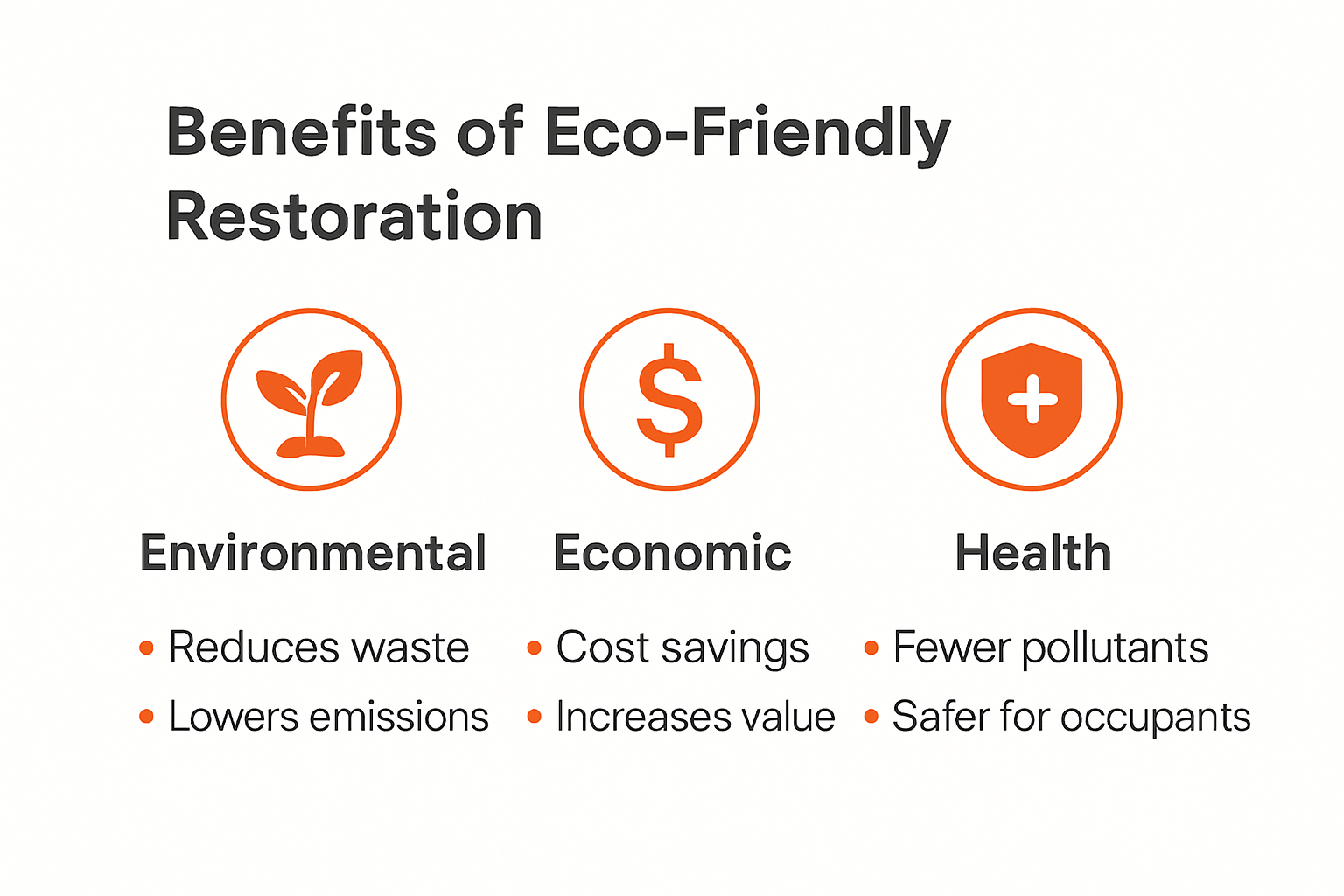
| Environmental Conservation | Eco-friendly restoration methods prioritize environmental protection and ecosystem preservation, enhancing biodiversity and stabilizing local ecosystems. |
| Economic Efficiency | Sustainable restoration techniques often provide long-term financial benefits, reducing maintenance costs and potentially increasing property value. |
| Health Benefits | These restoration methods improve human health by eliminating toxic materials and enhancing indoor air quality, fostering safer living and working environments. |
| Legal and Insurance Awareness | Understanding compliance with local building codes and specialized insurance products for green restoration is crucial for property owners engaging in sustainable practices. |
| Choosing Local Experts | Selecting sustainable restoration partners involves assessing environmental credentials, local expertise, and commitment to community impact for effective restoration strategies. |
Benefits of Eco-Friendly Restoration Methods
Eco-friendly restoration methods represent a transformative approach to property recovery that goes far beyond traditional repair techniques. These innovative strategies deliver comprehensive advantages that impact environmental sustainability, economic efficiency, and long-term property resilience.
These innovative strategies deliver comprehensive advantages that impact environmental sustainability, economic efficiency, and long-term property resilience.
Environmental Conservation and Ecosystem Preservation
Eco-friendly restoration methods fundamentally prioritize environmental protection. By utilizing sustainable materials and minimizing ecological disruption, these approaches actively contribute to ecosystem preservation. Research from ecological restoration experts reveals that restoration techniques can significantly enhance biodiversity, stabilize local ecosystems, and support critical natural processes like pollination and nutrient cycling.
The strategic implementation of green restoration techniques allows property owners to minimize their carbon footprint while simultaneously rehabilitating damaged structures. Native vegetation restoration, sustainable material selection, and reduced waste generation are core principles that distinguish eco-friendly methods from conventional restoration approaches.
Economic Advantages and Long-Term Cost Efficiency
Contrary to common misconceptions, eco-friendly restoration methods often prove more economically advantageous than traditional repair strategies. A comprehensive study on green infrastructure demonstrated that sustainable restoration techniques can generate substantial long-term financial benefits through reduced maintenance costs, improved resource efficiency, and enhanced property value.
These methods leverage advanced materials and technologies that provide superior durability, energy efficiency, and resilience. Property owners can expect reduced utility expenses, lower repair frequencies, and potentially increased property market value. The initial investment in eco-friendly restoration frequently translates into significant economic returns over the property’s lifecycle.
Health and Community Well-Being
Beyond environmental and economic benefits, eco-friendly restoration methods directly contribute to improved human health and community well-being. By eliminating toxic materials, reducing chemical exposures, and creating healthier indoor environments, these approaches prioritize occupant safety and comfort.
Sustainable restoration techniques minimize harmful emissions, utilize non-toxic building materials, and enhance indoor air quality. These considerations are particularly crucial in residential and commercial spaces where people spend significant portions of their daily lives. The holistic approach ensures that property restoration not only repairs physical structures but also creates safer, more sustainable living and working environments.
Explore our comprehensive guide on sustainable restoration practices for Charlotte properties to understand how these innovative methods can transform your property recovery strategy in 2025 and beyond.
Top Green Restoration Techniques for Charlotte
Green restoration techniques for Charlotte represent a sophisticated approach to property recovery that integrates advanced environmental practices with cutting-edge technological solutions. These techniques are specifically designed to address the unique ecological and infrastructure challenges prevalent in the Charlotte metropolitan area.
Sustainable Material Selection and Recycling Strategies
Selecting eco-friendly materials forms the cornerstone of green restoration techniques. In Charlotte, this means prioritizing locally sourced, recycled, and renewable materials that minimize environmental impact. Charlotte’s Future 2040 Comprehensive Plan emphasizes the importance of integrating green building practices that reduce carbon footprints and support local sustainability goals.
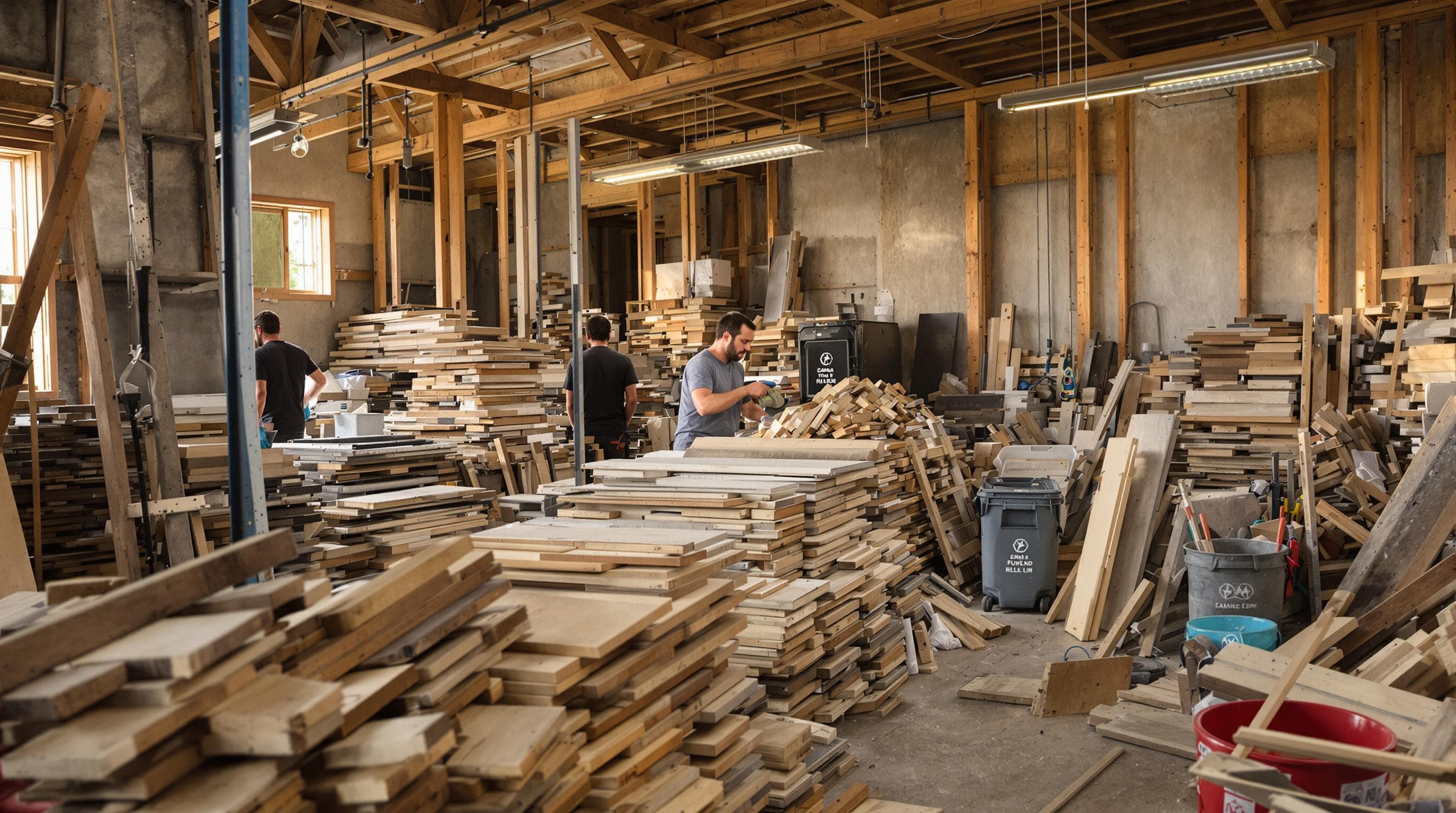
Restoration professionals now utilize advanced materials such as recycled steel, reclaimed wood, low-emission insulation, and sustainable composite materials. These options not only reduce waste but also provide superior durability and performance. Innovative recycling strategies ensure that demolished materials are carefully sorted, with maximum potential for reuse or responsible disposal, dramatically reducing landfill contributions.
Water Management and Stream Restoration Techniques
Water management represents a critical component of green restoration in Charlotte. Mecklenburg County’s Stream Restoration Toolkit provides comprehensive guidance for implementing advanced ecological restoration techniques that protect and rehabilitate water resources.
These techniques include installing permeable pavements, creating bioswales, implementing rainwater harvesting systems, and developing natural filtration landscapes. Such approaches not only manage stormwater effectively but also contribute to groundwater recharge, reduce erosion, and enhance local biodiversity. Restoration professionals now design systems that work in harmony with Charlotte’s natural watershed, creating resilient infrastructure that can withstand extreme weather events.
Energy-Efficient Restoration and Green Technology Integration
Modern green restoration techniques go beyond material selection and water management to incorporate comprehensive energy efficiency strategies. This involves utilizing smart technologies, renewable energy systems, and advanced thermal insulation techniques that significantly reduce energy consumption.
Restoration projects now commonly integrate solar panel installations, geothermal heating and cooling systems, and high-efficiency electrical infrastructures. These technologies not only reduce long-term energy costs but also minimize carbon emissions. Smart home technologies enable precise energy monitoring and management, allowing property owners to optimize their energy consumption and contribute to broader environmental conservation efforts.
Learn more about our advanced sustainable restoration practices for Charlotte properties and discover how innovative techniques can transform your property recovery approach in 2025.
Legal and Insurance Considerations for Eco Restoration
Eco-friendly restoration methods introduce unique legal and insurance landscapes that property owners in Charlotte must carefully navigate. Understanding the complex regulatory environment and insurance implications is crucial for successful sustainable property recovery.
Regulatory Compliance and Building Code Requirements
Implementing eco-friendly restoration techniques requires strict adherence to evolving local and state building regulations. Charlotte’s Building Code Regulations for 2025 mandate specific environmental standards that contractors must meet when performing restoration work. These regulations encompass material selection, energy efficiency standards, waste management protocols, and sustainable construction practices.
Property owners must work with certified professionals who understand these intricate requirements. Compliance involves documenting green material sourcing, demonstrating reduced environmental impact, and ensuring that restoration methods meet or exceed current sustainability benchmarks. Failure to comply can result in significant legal penalties, project delays, and potential insurance claim complications.
Insurance Coverage for Green Restoration Techniques
Traditional insurance policies often struggle to comprehensively cover innovative eco-restoration approaches. Emerging insurance products now specifically address green restoration techniques, offering specialized coverage that recognizes the unique value of sustainable repair methods. These policies frequently provide additional benefits such as coverage for upgraded green materials, enhanced energy-efficient systems, and environmental remediation.
Insurance providers are increasingly developing nuanced policies that incentivize sustainable restoration. These policies might offer premium reductions for properties implementing comprehensive green restoration strategies, recognizing the long-term risk mitigation potential of such approaches. Property owners should carefully review policy details, understanding specific clauses related to eco-friendly material replacement, additional restoration costs, and potential tax incentives associated with green rebuilding efforts.
Environmental Liability and Risk Management
Eco-restoration introduces complex environmental liability considerations that extend beyond traditional property damage scenarios. Property owners must proactively manage potential risks associated with sustainable restoration techniques, including potential environmental contamination, material toxicity, and long-term ecological impacts.
Professional liability insurance and comprehensive environmental risk assessments become critical components of responsible eco-restoration projects. Documentation of restoration processes, material certifications, and adherence to environmental standards serve as crucial protective mechanisms. Collaboration with legal professionals specializing in environmental law and insurance experts familiar with sustainable restoration practices ensures comprehensive risk mitigation.
Explore our comprehensive guide to navigating building code requirements for eco-friendly restoration and understand how to protect your property while embracing sustainable recovery strategies.
Choosing Sustainable Restoration Partners Locally
Selecting the right sustainable restoration partner in Charlotte requires a strategic approach that goes beyond traditional contractor selection. Property owners must evaluate potential partners through a comprehensive lens that considers environmental expertise, local commitment, and proven sustainable practices.
Evaluating Environmental Credentials and Expertise
Sustain Charlotte emphasizes the importance of selecting restoration partners with demonstrated environmental credentials. This means looking beyond basic licensing and seeking professionals with specialized certifications in green restoration techniques, environmental conservation, and sustainable building practices.
Key credentials to investigate include professional certifications from recognized environmental organizations, documented experience with green restoration projects, and active participation in local sustainability initiatives. Restoration partners should demonstrate a comprehensive understanding of Charlotte’s unique ecological landscape, local building codes, and environmental preservation requirements. Advanced professionals often possess additional qualifications such as LEED certifications, green building specialist credentials, and proven track records of implementing innovative sustainable restoration strategies.
To help property owners evaluate potential partners effectively, the table below summarizes key credentials and expertise areas to look for:
| Credential/Expertise Area | Description |
|---|---|
| Professional Environmental Certifications | Specialized credentials from recognized organizations in green restoration, conservation, or building sustainability |
| Documented Green Restoration Experience | Proven history of completed projects using sustainable methods in Charlotte |
| Participation in Local Sustainability Initiatives | Active involvement in area-wide or city-based environmental programs |
| LEED or Green Building Certifications | Advanced certifications demonstrating commitment to high performance green building standards |
| Familiarity with Charlotte’s Ecosystem and Codes | Deep knowledge of local natural heritage, building regulations, and environmental requirements |
Local Ecosystem Understanding and Community Impact
A truly sustainable restoration partner must demonstrate deep understanding of Charlotte’s local ecosystem and commitment to community environmental health. Southern Conservation Partners highlights the critical importance of restoration approaches that respect and enhance local natural heritage.
Local restoration partners should showcase expertise in native plant restoration, watershed protection, and methods that minimize ecological disruption. This involves understanding Charlotte’s specific environmental challenges, such as urban heat island effects, stormwater management, and biodiversity preservation. The ideal partner will not just repair properties but actively contribute to local environmental resilience through their restoration methodologies.
To highlight the local impact of green restoration partners, the table below summarizes focus areas and their benefits for the Charlotte community:
| Focus Area | Community Benefit |
|---|---|
| Native Plant Restoration | Supports biodiversity and preserves Charlotte’s natural landscape |
| Watershed Protection | Improves local water quality and reduces flood risk |
| Ecological Disruption Minimization | Maintains local habitats and reduces long-term environmental harm |
| Urban Heat Island Mitigation | Enhances comfort and lowers energy use in densely developed areas |
| Biodiversity Conservation | Ensures long-term health of local flora and fauna |
Comprehensive Sustainability Assessment and Collaboration
Choosing a sustainable restoration partner requires a holistic assessment of their operational practices, technological capabilities, and environmental philosophy. Property owners should request comprehensive sustainability portfolios that detail material sourcing practices, waste reduction strategies, energy efficiency approaches, and long-term environmental impact assessments.
Effective partners will welcome transparent discussions about their sustainability practices, provide detailed documentation of their environmental methodologies, and demonstrate a commitment to continuous improvement in green restoration techniques. This might include regular environmental impact reporting, ongoing staff training in emerging sustainable technologies, and proactive engagement with local environmental research and innovation centers.
Discover our comprehensive approach to sustainable property restoration in Charlotte and learn how we integrate cutting-edge environmental practices with expert restoration techniques.
Frequently Asked Questions
What are eco-friendly restoration methods?
Eco-friendly restoration methods prioritize environmental sustainability by using sustainable materials, reducing waste, and minimizing ecological disruption during property recovery.
How can sustainable restoration techniques save money?
Sustainable restoration techniques can lower long-term costs by reducing maintenance expenses and increasing property value, often resulting in significant financial benefits over the property’s lifecycle.
What are the health benefits of eco-friendly restoration?
Eco-friendly restoration improves indoor air quality and minimizes exposure to toxins, creating healthier living and working environments for occupants.
How do I choose a sustainable restoration partner in Charlotte?
When choosing a sustainable restoration partner, look for professionals with recognized environmental certifications, documented green restoration experience, and a commitment to local community and ecosystem health.
Ready to Restore Your Charlotte Property the Eco-Friendly Way?
You care about your health, your property value, and the well-being of Charlotte’s local environment. You have learned how eco-friendly restoration methods can cut toxins, lower your utility bills, and help create a truly sustainable home or business space. But these benefits are only possible when you work with experts who know both the latest green techniques and the unique challenges of insurance claims and disaster recovery in North Carolina.
At National Insurance Claim Specialist: Charlotte Damage Repair Experts – 2025, our licensed team brings decades of experience in eco-conscious restoration, storm damage recovery, and maximizing your insurance compensation. We use sustainable building materials, advanced water management, and energy-saving technologies to deliver results that last. Ready to protect your investment and the planet? Visit National Insurance Claim Specialist today to speak with our Charlotte specialists about your next restoration project. Choose a smarter, healthier path to recovery while eco-friendly solutions are at their most effective—reach out now and experience the NICS difference.