Water damage repair in Charlotte typically costs between $1,200 and $5,000 for most homes, but prices vary widely based on how severe the damage is, what type of water caused it, and which materials got wet. Understanding these costs helps you budget properly, avoid surprise fees, and act fast before mold grows. This guide breaks down water damage categories, what drives costs up or down, typical prices for different damage levels, detailed service pricing, how National Insurance Claim Specialist fixes water damage, insurance claim help, and prevention tips.
TLDR: Charlotte water damage repair costs range from $500 for minor leaks to over $10,000 for severe flooding. Clean water is cheapest to fix. Contaminated water costs more due to safety requirements. Mold remediation adds $500 to $6,000 if water sits longer than 48 hours. Emergency response saves money by preventing worse damage. National Insurance Claim Specialist provides free estimates, works directly with insurance companies, and offers 24/7 emergency service with IICRC-certified technicians to restore your property quickly and safely.
Water Damage Just Hit Your Home (Here’s What It Will Cost)
Your basement is flooded. Water is spreading across your floors. You need to know what this is going to cost you right now.
Most Charlotte homeowners pay between $1,200 and $5,000 for water damage repair. That wide range exists because every situation is different. A small leak from a washing machine costs far less than a burst pipe that floods multiple rooms.
The faster you act, the less you pay. Water damage gets exponentially more expensive every hour you wait. Let’s break down exactly what affects your final bill.
What Type of Water Damaged Your Home
Not all water damage costs the same. The type of water involved dramatically affects pricing because it determines safety requirements, cleanup methods, and disposal needs.
Clean Water Costs Least
Clean water comes from broken supply lines, overflowing sinks with clean water, or rainwater before it touches anything dirty. This water poses minimal health risk and requires basic extraction and drying.
Cleanup is straightforward. Technicians extract water, dry structures, and monitor moisture levels. No special protective equipment or hazardous waste disposal needed. This keeps costs at the lower end of the range.
Gray Water Costs More
Gray water contains some contamination from sources like dishwashers, washing machines, toilet bowls (without feces), or sump pump failures. This water may cause illness if you contact it.
Cleanup requires disinfection steps and basic protective gear for technicians. Antimicrobial treatments go on all affected surfaces. Materials that absorbed gray water may need disposal rather than drying. This adds 20 to 30 percent to clean water repair costs.
Black Water Costs Most
Black water carries serious health hazards. Sewage backups, toilet overflows with waste, floodwater from outside, or any water that sat stagnant for days all qualify as black water.
This requires full protective equipment for crews, complete sanitization, special disposal permits, and often replacement of affected porous materials. Safety protocols and disposal requirements can increase costs by 40 to 50 percent over clean water scenarios. Our Water Damage Restoration team handles all contamination levels safely.
What Causes Water Damage in Charlotte Homes
Understanding common causes helps you recognize risks and respond appropriately.
Charlotte properties frequently experience:
- Burst or frozen pipes during winter cold snaps
- Roof leaks after heavy storms and wind damage
- Appliance failures from water heaters and washing machines
- Sewage backups when municipal systems overflow
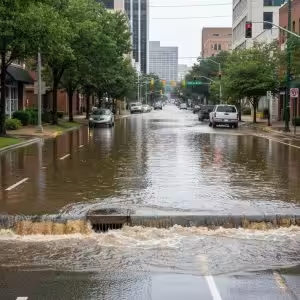
- Flooding from poor yard drainage and heavy rainfall
Storm damage and flooding typically introduce the most contaminated water. Internal plumbing failures usually involve clean water initially but can become contaminated if not addressed quickly. See our Storm Damage Restoration services for weather-related issues.
Five Factors That Drive Your Repair Costs Up or Down
Multiple variables combine to determine your final bill. Understanding these helps you anticipate costs and evaluate estimates.
1. How Bad Is the Damage
Minor leaks affecting a few square feet need basic extraction and drying. One technician with portable equipment can handle this in a day or two.
Severe flooding that reaches multiple rooms, soaks into walls, and saturates subfloors demands a full crew, extensive equipment, and days of monitoring. Labor and equipment costs multiply with severity. According to the EPA, prompt water removal prevents mold and reduces overall damage significantly.
2. Which Materials Got Wet
Different materials require different approaches and costs.
Hardwood floors may be saved with proper drying or need refinishing. Replacement costs $6 to $12 per square foot installed.
Carpet and padding usually need removal and disposal when soaked. Replacement runs $3 to $6 per square foot.
Drywall can handle minor moisture but needs replacement if saturated for over 24 hours. Repair costs $1.50 to $3 per square foot including finishing and paint.
Insulation loses effectiveness when wet and harbors mold. Replacement is usually necessary.
Porous materials cost more to remediate because they absorb water deeply and dry slowly or not at all.
3. How Big Is the Wet Area
A 100-square-foot bathroom costs far less to dry than a 1,500-square-foot basement. Square footage directly impacts labor hours, equipment rental days, and material replacement costs.
Location matters too. Basements require special attention to prevent ongoing moisture problems. Crawlspaces need encapsulation and specialized dehumidifiers. Kitchens demand careful protection of cabinets and appliances during work.
4. Did You Call for Emergency Service
Calling for help at 2 AM on Sunday costs more than scheduling service during business hours. Emergency response typically adds 15 to 25 percent to standard rates.
However, that emergency fee often saves money in the long run. Fast response stops damage from spreading and prevents mold growth. The extra you pay for immediate service usually costs less than the additional damage that happens while waiting. Our Home Restoration team responds 24/7 because we know speed matters.
5. How Long Does Drying Take
Restoration crews charge by the hour (typically $75 to $150 per technician) plus daily equipment rental ($50 to $100 per machine). Drying time ranges from 2 to 7 days depending on moisture levels and humidity.
Charlotte’s humid climate can extend drying times, especially in summer. More drying days mean more equipment rental and monitoring visits. Industrial dehumidifiers and air movers work much faster than household fans, making professional equipment worth the cost.
What You Will Pay for Different Damage Levels in Charlotte
Real numbers help you budget. Here are typical costs for Charlotte properties based on damage severity.
Minor Water Damage: $500 to $1,500
Small leaks caught early fall into this range. Maybe your washing machine hose leaked for a few hours or a toilet overflow affected one bathroom.
Services include:
- Water extraction from surfaces
- Air movers for 24 to 48 hours
- Basic moisture monitoring
- Surface cleaning and sanitization
This assumes no structural damage and quick response before mold starts.
Moderate Water Damage: $1,200 to $5,000
Most Charlotte water damage falls in this category. A burst pipe affected multiple rooms. Water soaked into walls. Some drywall needs replacing.
Services include:
- Complete water extraction
- Wall cavity drying with specialty equipment
- Partial drywall and flooring replacement
- Antimicrobial treatment
- Daily moisture monitoring for 3 to 5 days
- Repairs and painting
This is the most common range for typical residential water damage from plumbing failures.
Severe Water Damage: $5,000 to $10,000+
Extensive flooding from major pipe failures or storm water intrusion reaches this level. Multiple rooms affected. Significant structural drying needed. Major reconstruction required.
Services include:
- Large-scale water extraction
- Complete structural drying systems
- Removal and replacement of flooring, walls, and insulation
- Full reconstruction and finishing
- Extended monitoring (5 to 7 days)
- Complete sanitization
Severe cases involving black water contamination or extensive mold growth can exceed $10,000.
Mold Remediation: Add $500 to $6,000
When water sits longer than 48 hours, mold often develops. This adds significant costs to your project.
Basic mold treatment for small areas runs $500 to $1,500. This includes antimicrobial application, HEPA vacuuming, and air scrubbing.
Extensive mold requiring containment, removal of materials, and reconstruction can add $3,000 to $6,000 to your total costs. The CDC provides guidance on mold health risks and why professional remediation matters.
Breaking Down Costs by Specific Service
Understanding individual service costs helps you evaluate detailed estimates.
Water Extraction Pricing
Professional water extraction costs $3.75 to $7.50 per square foot depending on water depth, contamination level, and access difficulty. This includes industrial pump rental, labor, and proper disposal.
Quick extraction is critical. The sooner standing water gets removed, the less damage it causes to floors, walls, and contents.
Structural Drying and Dehumidification
Commercial-grade drying equipment rental runs $100 to $250 per day. Most jobs need equipment for 3 to 7 days.
This includes:
- Industrial dehumidifiers that extract moisture from air
- High-velocity air movers that circulate air behind walls and under floors
- Moisture meters for daily monitoring
- Technical visits to adjust equipment and track progress
Proper structural drying prevents mold and saves materials that might otherwise need replacement.
Mold Remediation After Water Damage
Mold treatment adds $500 to $3,000 for most residential projects. Severe cases requiring full reconstruction can reach $6,000.
Services include:
- Containment with plastic barriers and negative air pressure
- HEPA air scrubbers to capture spores
- Antimicrobial treatments on all surfaces
- Removal of contaminated materials
- Post-remediation testing to verify safe spore counts
Professional mold remediation protects your health and ensures complete removal.
Drywall Repair and Replacement
Drywall work costs $1.50 to $3 per square foot including installation, taping, mudding, sanding, priming, and painting to match existing walls.
Water-damaged drywall usually needs cutting out and replacing rather than drying. Saturated drywall loses structural integrity and harbors mold behind the surface.
Flooring Replacement Costs
Flooring replacement runs $3 to $8 per square foot installed, depending on material type.
Typical flooring costs:
- Vinyl plank: $3 to $5 per square foot
- Carpet with padding: $3 to $6 per square foot
- Laminate: $4 to $7 per square foot
- Hardwood refinishing: $3 to $5 per square foot
- Hardwood replacement: $6 to $12 per square foot
Flooring often suffers the most damage during water events and represents a significant portion of total repair costs.
How National Insurance Claim Specialist Fixes Water Damage (Step by Step)
Understanding our process helps you know what to expect. Our IICRC-certified team follows proven methods to restore your property completely.
Step 1: Emergency Contact and Response
Call our 24/7 emergency line any time. We dispatch a crew to your Charlotte property immediately, typically arriving within a few hours even in the middle of the night.
Fast response prevents damage from spreading and stops mold before it starts. Every hour of delay increases final costs.
Step 2: Inspection and Damage Assessment
Our technicians conduct a thorough inspection using moisture meters and thermal imaging cameras. This technology detects hidden water behind walls and under floors that you cannot see.
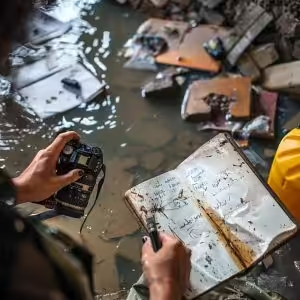
We document everything with photos, moisture readings, and detailed notes. This creates an accurate estimate and supports your insurance claim. See our Before and After Projects to see real restoration results.
Step 3: Water Extraction and Removal
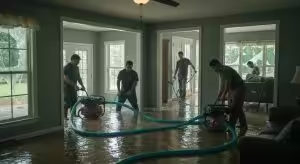
Industrial pumps and vacuums remove all standing water. We extract water from floors, carpets, and any saturated materials that can be saved.
Contaminated water gets disposed of properly following local regulations. Black water requires special handling and disposal permits.
Step 4: Drying and Dehumidification
Commercial dehumidifiers and air movers run continuously for 3 to 7 days. We monitor moisture levels daily with professional meters.
Drying stops only when readings confirm complete dryness throughout all affected materials. Hidden moisture causes problems later, so we verify thoroughly.
Step 5: Cleaning and Sanitizing
All affected surfaces receive antimicrobial treatment to kill bacteria and prevent mold. Contents get cleaned using specialized techniques appropriate for each material type.
HEPA air scrubbers run during this phase to capture any airborne particles or spores.
Step 6: Restoration and Repairs
Once everything is dry and clean, we begin repairs. This includes:
- Replacing damaged drywall and insulation
- Installing new flooring where needed
- Repainting to match existing finishes
- Reinstalling baseboards and trim
- Any other reconstruction needed
You work with one team from emergency through completion.
Step 7: Final Inspection and Quality Check
We conduct a final walkthrough with you to ensure complete satisfaction. Final moisture readings verify proper drying. Air quality testing confirms safe conditions when needed.
We do not consider the job done until you are completely satisfied with the restoration. Learn more about our commitment on our About Us page. See real Charlotte projects in our Before and After Projects gallery.
Navigating Your Insurance Claim
Most homeowners insurance covers sudden water damage. Understanding coverage helps you prepare for costs.
What Insurance Usually Covers
Standard policies typically cover burst pipes, appliance malfunctions, accidental overflows, roof leaks from storms, and HVAC failures when sudden and accidental.
What Insurance Usually Excludes
Most policies exclude flooding from rising water (requires separate flood insurance), gradual leaks from poor maintenance, mold from neglected leaks, seepage through foundations, and sewer backups (may require endorsement). FEMA’s National Flood Insurance Program provides flood coverage information.
How to File Successfully
Document damage with photos immediately, contact your insurer promptly, keep emergency expense receipts, get detailed contractor estimates, and schedule adjuster inspection quickly. Good records maximize approvals.
How NICS Helps
We prepare detailed documentation including moisture readings, equipment logs, and itemized estimates. We communicate directly with adjusters to validate scope and streamline approvals. Our Water Damage Restoration experience with all major carriers helps ensure fair settlements.
Why Choose National Insurance Claim Specialist for Your Water Damage Repair
When water damage strikes, choosing the right restoration company affects costs, quality, and peace of mind.
20+ Years of Charlotte Experience
We have served Charlotte families and businesses for over 20 years. We understand local building codes, climate challenges, and common issues Charlotte properties face.
This experience means accurate estimates, efficient work, and lasting results. We know what works in Charlotte’s humid climate.
IICRC Certified Technicians
Every NICS technician holds certification from the Institute of Inspection, Cleaning and Restoration Certification. This proves they have completed rigorous training in water damage restoration science, safety protocols, and proper techniques.
Certified technicians follow proven methods instead of guessing, which protects your property and your investment.
True 24/7 Emergency Service
We answer our emergency line day and night, every day of the year. When you call at 2 AM because a pipe burst, a real person answers and dispatches a crew to your home immediately.
Many companies claim 24/7 service but only respond during business hours. We provide true around-the-clock emergency response because we know water damage does not wait.
Free Detailed Estimates
Our complimentary estimate includes complete inspection with moisture mapping, equipment plan, detailed cost breakdown by service, and insurance documentation guidance.
You get accurate upfront pricing without obligation. No surprises or hidden fees.
Complete Service From Emergency Through Reconstruction
You work with one team from your first emergency call through final repairs. We handle extraction, drying, mold prevention, repairs, and reconstruction all under one roof.
No coordinating multiple contractors or confusion about who does what. Just one experienced team restoring your property completely. Check out our comprehensive Home Restoration and New Home Construction services for complete solutions.
Stop Water Damage Before It Starts
Prevention is always cheaper than repair. These simple steps reduce your risk.
Regular Maintenance
Inspect twice yearly: roof shingles, gutters, foundation cracks, water heater, washing machine hoses, and under-sink connections. Catching small problems early prevents disasters. Our Roof Inspections and Safety services identify vulnerabilities before they cause damage.
Warning Signs
Contact professionals immediately if you notice musty odors, peeling paint, warped flooring, discolored ceilings, damp carpets, or increased water bills without explanation. These indicate hidden problems needing attention.
Storm Preparation
Before heavy weather: clean gutters, test sump pumps, seal windows and doors, clear yard drains, move basement valuables, and know your main water shut-off location. Our Storm Damage Restoration team helps when prevention is not enough.
Common Questions About Water Damage Repair Costs
How much does water damage repair cost in Charlotte?
Most Charlotte homeowners pay $1,200 to $5,000 for water damage repair. Minor leaks cost $500 to $1,500. Severe flooding can exceed $10,000. Costs depend on water type (clean, gray, or black), damage severity, affected materials, and whether mold developed.
What should I do immediately after water damage?
Ensure safety first. Turn off electricity to affected areas if you can do so safely. Stop the water source if possible. Document damage with photos. Then call National Insurance Claim Specialist’s 24/7 emergency line at contact us immediately. Quick action prevents worse damage and mold growth. Our Fire Damage Restoration team also responds to all emergency disasters.
Does homeowners insurance cover water damage repairs?
Standard policies typically cover sudden, accidental water damage like burst pipes or appliance failures. They usually exclude flooding from outside sources, gradual leaks, and maintenance issues. Separate flood insurance covers rising water. Review your specific policy for coverage details.
How long does water damage restoration take?
Minor repairs take 2 to 4 days. Moderate damage typically needs 5 to 7 days. Severe flooding can require 2 to 3 weeks for complete drying and reconstruction. Actual timeline depends on damage extent, drying conditions, and material replacement needs.
Can I clean up water damage myself?
Small amounts of clean water affecting only surfaces might be manageable with fans and towels. However, most water damage requires professional equipment and expertise. Hidden moisture behind walls causes mold and structural problems you cannot see or fix with household tools. For anything beyond minor surface water, professional restoration saves money long-term.
How quickly does mold grow after water damage?
Mold can start growing within 24 to 48 hours in damp conditions. Charlotte’s humidity accelerates growth. This is why immediate professional drying is critical. Once mold starts, remediation adds $500 to $6,000 to your total costs.
What is the difference between water damage classes?
Water damage professionals use Class 1 through 4 ratings for severity. Class 1 affects minimal area with little absorption. Class 4 involves specialty drying situations like hardwood or plaster. These classifications help determine equipment needs and drying time, which affects costs.
How do restoration companies calculate estimates?
Professional estimates consider water type (clean, gray, black), square footage affected, materials damaged, extraction and drying time needed, repair and replacement costs, and whether emergency response is required. Detailed estimates itemize each service for transparency.
Will my insurance rates go up after a water damage claim?
This depends on your carrier, claim history, and cause of damage. Single claims from unavoidable accidents (like burst pipes) may not affect rates. Multiple claims or preventable damage might increase premiums. Discuss concerns with your insurance agent.
How can I find a reliable water damage restoration company?
Look for IICRC certification, local experience, 24/7 availability, detailed written estimates, insurance claim assistance, and positive customer reviews. Ask about response time, equipment used, and whether they handle repairs or only cleanup. National Insurance Claim Specialist provides all these services with 20+ years of Charlotte experience.
Key Takeaways About Water Damage Repair Costs
Remember these important points:
- Charlotte water damage repair typically costs $1,200 to $5,000 for moderate damage, with minor leaks around $500 to $1,500
- Clean water costs least to fix, gray water costs more, and black water (sewage or flooding) costs most due to safety requirements
- Fast emergency response costs extra (15 to 25 percent) but prevents worse damage and usually saves money overall
- Mold remediation adds $500 to $6,000 if water sits longer than 48 hours before professional drying
- Structural drying takes 3 to 7 days with industrial equipment and daily monitoring to prevent mold and save materials
- Most insurance covers burst pipes and appliance failures but excludes flooding (needs separate policy) and gradual leaks
- IICRC certification ensures technicians follow proven restoration methods and safety protocols
- Complete documentation with photos and moisture readings supports insurance claims and maximizes settlements
Water damage repair costs vary widely based on specific circumstances. Getting a professional assessment quickly gives you accurate pricing and prevents damage from worsening. The key is acting fast, choosing certified professionals, and understanding your insurance coverage before you need it.
National Insurance Claim Specialist has helped Charlotte property owners recover from water damage for over 20 years. Our IICRC-certified technicians, true 24/7 emergency response, and complete restoration services provide reliable results you can trust. We handle everything from initial water extraction through final repairs while working directly with your insurance company. Visit our Contact page for immediate assistance.
Water damage just happened and you need help now. Contact National Insurance Claim Specialist immediately at our 24/7 emergency line for free estimate and fast professional response. Every hour counts when water damage strikes your Charlotte property.
National Insurance Claim Specialist | North Carolina’s Trusted Home Restoration Experts | Fire, Water, Storm, Rebuild Done Right