Charlotte is making big moves with sustainable restoration in 2025. One campus dropped its water use intensity by 59 percent in just over a decade, proving that eco-friendly strategies are more than just buzzwords. Here’s the surprise most people miss. It is not just about planting trees or cutting energy bills. The next wave of restoration in Charlotte actually weaves tech, local knowledge, and strict codes into a system that protects your property, your wallet, and your health—all at once.
Table of Contents
- Understanding Sustainable Restoration In Charlotte
- Key Eco-Friendly Practices For Properties
- Benefits For Homeowners And Businesses
- Choosing Restoration Partners In 2025
Quick Summary
| Takeaway | Explanation |
|---|---|
| Integrate Ecological Frameworks | Charlotte’s sustainable restoration emphasizes integrating natural and built environments, addressing climate resilience through practices like tree canopy preservation and green infrastructure. |
| Adopt Water and Energy Management Techniques | Implementing rainwater harvesting, drought-resistant landscaping, and energy-efficient systems significantly contributes to property resilience and minimizes environmental impact. |
| Explore Financial and Health Benefits | Sustainable restoration offers financial savings through reduced utility costs and increased property values, while also improving indoor air quality and community health. |
| Choose Partners with Advanced Technology | Seek restoration partners that utilize technologies like thermal imaging and AI, ensuring sound environmental assessments and effective restoration strategies for long-term success. |
| Focus on Regulatory Compliance | It’s essential to select partners that stay ahead of evolving sustainability regulations, providing guidance on compliance and innovative restoration techniques. |
Understanding Sustainable Restoration in Charlotte
Sustainable restoration in Charlotte represents a critical approach to rebuilding and preserving urban environments while minimizing ecological impact. As the city continues to grow and face environmental challenges, comprehensive restoration practices have become essential for maintaining resilience and protecting community infrastructure.
The Ecological Framework of Urban Restoration
Charlotte’s approach to sustainable restoration goes beyond traditional repair methods. The city has embraced a holistic strategy that integrates environmental preservation with urban development. Learn more about our comprehensive restoration approach.
The Charlotte Future 2040 Comprehensive Plan provides a robust framework for sustainable practices. Goal 7 specifically focuses on integrating natural and built environments by emphasizing surface water quality, tree canopy preservation, and green infrastructure implementation. This strategic approach addresses climate change while maintaining the city’s ecological balance.
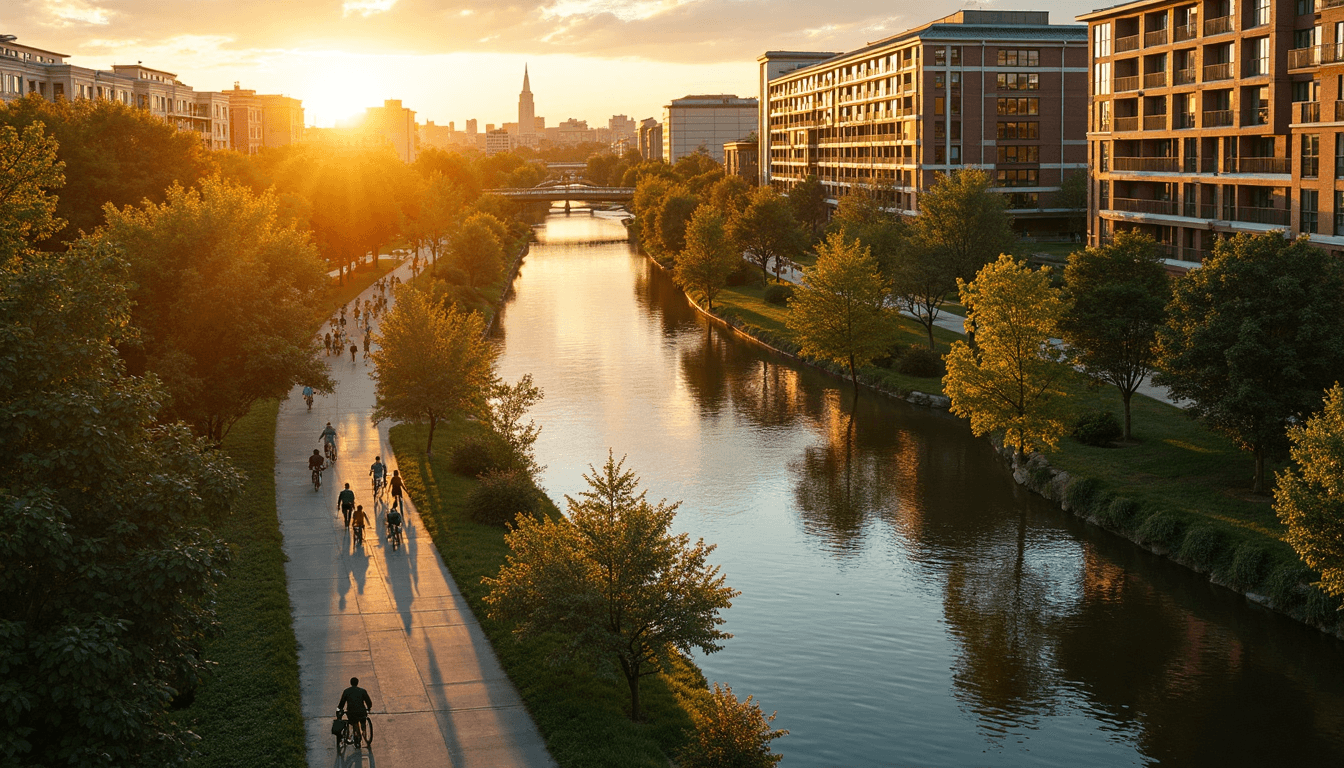
One remarkable example of sustainable restoration is the Little Sugar Creek Greenway project, which transformed a previously polluted stream into a 20-mile linear park. This initiative demonstrates how urban restoration can simultaneously improve environmental quality and create community recreational spaces.
Technological and Community-Driven Restoration Strategies
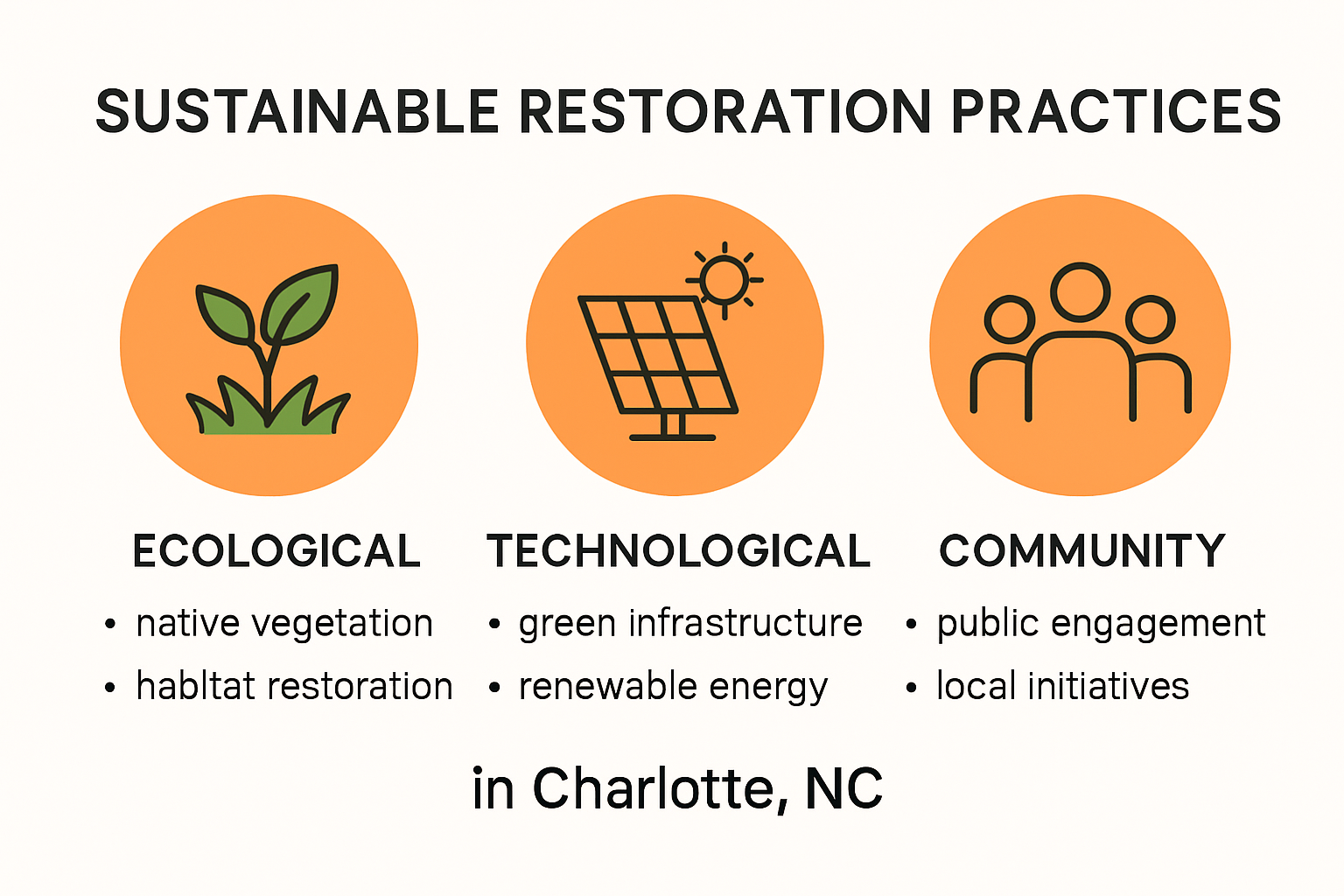
Sustainable restoration in Charlotte involves multiple interconnected strategies. Advanced technologies now enable precise environmental assessment and restoration techniques. Professionals use sophisticated monitoring systems to evaluate ecosystem health, identifying critical areas requiring intervention. Thermal imaging, soil analysis, and ecological mapping provide detailed insights that guide restoration efforts.
Community engagement plays a crucial role in sustainable restoration. Local residents and organizations collaborate with environmental experts to develop restoration plans that reflect both scientific understanding and community needs. This approach ensures that restoration projects are not just technically sound but also culturally relevant and socially acceptable.
The integration of green building practices, native plant reintroduction, and water management techniques creates a comprehensive approach to urban restoration. By treating restoration as a multifaceted process that considers ecological, social, and technological dimensions, Charlotte is establishing a model for sustainable urban development.
As climate challenges become more complex, Charlotte’s commitment to sustainable restoration practices represents a proactive and intelligent response to environmental change. The city’s strategies demonstrate how urban areas can protect and regenerate natural systems while supporting community resilience and growth.
Key Eco-Friendly Practices for Properties
Eco-friendly property restoration in Charlotte represents a strategic approach to minimizing environmental impact while creating resilient and efficient spaces. Property owners now recognize that sustainable practices are not just environmentally responsible but also economically beneficial.

Water Conservation and Management Techniques
Water management stands at the forefront of sustainable property restoration. Explore our comprehensive water damage restoration guide for deeper insights. The University of North Carolina at Charlotte has demonstrated remarkable water conservation achievements, reducing water use intensity by 59% since 2003-04 through innovative strategies like low-flow fixtures and rainwater harvesting systems.
Property owners can implement several water conservation techniques. Rainwater collection systems capture precipitation for landscape irrigation, reducing municipal water consumption. Drought-resistant landscaping using native plants minimizes water requirements while supporting local ecosystem health. Advanced irrigation controllers with moisture sensors optimize water usage by adjusting watering schedules based on real-time environmental conditions.
Energy Efficiency and Green Building Practices
The Charlotte Future 2040 Comprehensive Plan emphasizes increasing green building practices across developments. Energy efficiency represents a critical component of sustainable property restoration. Strategies include installing high-performance insulation, utilizing energy-efficient windows, and incorporating renewable energy systems like solar panels.
Thermal imaging and energy audits help identify potential inefficiencies in building envelopes. Upgrading to LED lighting, installing smart thermostats, and using energy-efficient appliances can significantly reduce overall energy consumption. Green roofing technologies and reflective roof materials also contribute to thermal regulation and reduced energy demands.
Material Selection and Waste Reduction
Sustainable restoration prioritizes responsible material selection and waste management. Recycled and locally sourced materials reduce transportation emissions and support circular economy principles. Reclaimed wood, recycled metal, and sustainable composite materials offer durable alternatives to traditional construction materials.
Deconstruction techniques that carefully dismantle existing structures allow for maximum material recovery and reuse. Proper waste sorting and recycling during restoration projects minimize landfill contributions. Choosing materials with low volatile organic compound (VOC) emissions improves indoor air quality and reduces environmental toxicity.
By integrating these eco-friendly practices, property owners in Charlotte can create resilient, efficient spaces that contribute to broader environmental sustainability goals. Each restoration project becomes an opportunity to demonstrate environmental stewardship and drive positive community impact.
To help readers quickly compare various eco-friendly restoration strategies discussed in this section, the table below summarizes their key features and benefits.
| Practice | Key Strategies/Features | Primary Benefits |
|---|---|---|
| Water Conservation | Rainwater harvesting, drought-resistant landscaping, moisture-sensing irrigation | Reduced water use, lower utility bills |
| Energy Efficiency & Green Building | High-performance insulation, energy-efficient windows, solar panels, smart thermostats | Lower energy costs, greater comfort |
| Material Selection & Waste Reduction | Recycled/locally sourced materials, deconstruction, low-VOC products | Less landfill waste, better air quality |
Benefits for Homeowners and Businesses
Sustainable restoration practices offer substantial economic and environmental advantages for Charlotte homeowners and businesses. By adopting eco-friendly approaches, property owners can simultaneously reduce operational costs, enhance property value, and contribute to community resilience.
Financial Advantages of Sustainable Restoration
Economic benefits form the cornerstone of sustainable restoration strategies. Understand our comprehensive restoration approach for maximizing property investments. According to the Center for American Progress, energy efficiency and weatherization initiatives can generate significant cost savings, particularly in working-class neighborhoods.
Homeowners implementing sustainable restoration techniques typically experience reduced utility expenses. High-performance insulation, energy-efficient windows, and smart home technologies can decrease monthly energy consumption by 20-30%. Additionally, properties with green certifications often command premium market values, providing long-term financial returns on initial restoration investments.
Environmental and Health Benefits
Beyond financial gains, sustainable restoration practices deliver considerable environmental and health advantages. Improved indoor air quality through low-VOC materials and advanced ventilation systems reduces respiratory risks. Green restoration approaches minimize toxic chemical exposure, creating healthier living and working environments.
Businesses adopting sustainable restoration strategies demonstrate corporate social responsibility. By reducing carbon footprints and implementing eco-friendly infrastructure, companies enhance their community reputation and attract environmentally conscious customers and employees. These practices align with emerging corporate sustainability standards and potential future regulatory requirements.
Community and Resilience Impact
Sustainable restoration extends beyond individual property benefits, contributing to broader community resilience. By implementing green infrastructure, property owners help mitigate urban heat island effects, improve stormwater management, and support local biodiversity. Collective adoption of these practices strengthens Charlotte’s environmental sustainability framework.
Insurance providers increasingly recognize the value of sustainable restoration. Properties with robust environmental protection measures often qualify for reduced insurance premiums, reflecting lower risk profiles. This recognition creates additional financial incentives for homeowners and businesses to invest in comprehensive, eco-friendly restoration strategies.
The transformation toward sustainable restoration represents more than an environmental choice. It is a strategic investment in property value, community health, and long-term economic stability. Charlotte property owners who embrace these practices position themselves at the forefront of responsible urban development, creating resilient spaces that benefit both individual stakeholders and the broader community.
The following table highlights the main categories of sustainable restoration benefits for property owners as detailed in this section:
| Benefit Category | Examples Mentioned in Article | Resulting Value |
|---|---|---|
| Financial Savings | Lower utility bills, energy-efficient upgrades, insurance savings | Reduced expenses, higher profits |
| Increased Property Value | Green certifications, premium pricing for eco-friendly properties | Higher resale and rental income |
| Environmental Health | Low-VOC materials, improved indoor air quality | Healthier living/working spaces |
| Community Impact | Green infrastructure, stormwater management, biodiversity support | Greater resilience, civic pride |
Choosing Restoration Partners in 2025
Selecting the right restoration partner in 2025 requires a strategic approach that goes beyond traditional repair services. Property owners must evaluate potential partners through a comprehensive lens of technological capability, environmental responsibility, and proven expertise.
Technological Competence and Sustainability Credentials
Learn more about our comprehensive restoration approach when evaluating potential partners. The landscape of restoration has transformed dramatically, with technological innovation becoming a critical selection criterion. In April 2025, the Charlotte City Council updated its Sustainable Facilities Policy, mandating that new municipal buildings be powered by electricity, signaling a significant shift in environmental standards.
Restoration partners must demonstrate advanced technological capabilities. This includes utilizing cutting-edge tools like thermal imaging, moisture detection systems, and AI-powered damage assessment technologies. Professionals should provide digital documentation, real-time project tracking, and comprehensive environmental impact assessments. Certifications from recognized green building and restoration organizations serve as critical indicators of a partner’s commitment to sustainable practices.
Environmental Assessment and Restoration Strategy
Leading restoration partners in 2025 will distinguish themselves through sophisticated environmental assessment capabilities. The Charlotte-Mecklenburg Storm Water Services developed an advanced stream restoration ranking tool in 2023, highlighting the importance of data-driven ecological restoration approaches. Property owners should seek partners who can provide detailed ecological impact analyses, comprehensive watershed management strategies, and transparent reporting on environmental restoration efforts.
Effective restoration partners will offer holistic solutions that extend beyond immediate repair. This includes developing long-term ecosystem recovery plans, implementing native plant reintroduction strategies, and providing guidance on sustainable infrastructure development. The ability to integrate advanced environmental science with practical restoration techniques represents a key differentiator in selecting a top-tier restoration partner.
Regulatory Compliance and Future-Ready Approaches
Navigating the complex landscape of environmental regulations requires restoration partners with deep regulatory expertise. In 2025, property owners need professionals who understand emerging local and state sustainability mandates. This includes knowledge of green building codes, energy efficiency standards, and climate resilience requirements specific to Charlotte and North Carolina.
The ideal restoration partner will demonstrate proactive compliance strategies, offering guidance on meeting and exceeding current environmental regulations. This involves staying ahead of potential legislative changes, implementing forward-thinking restoration techniques, and providing comprehensive documentation that supports property owners in maintaining regulatory compliance.
Choosing a restoration partner in 2025 is about more than addressing immediate damage. It represents a strategic investment in property resilience, environmental sustainability, and long-term value preservation. Property owners who carefully evaluate potential partners through a multifaceted lens will position themselves for successful, sustainable restoration outcomes.
Frequently Asked Questions
What are sustainable restoration practices in Charlotte, NC?
Sustainable restoration practices in Charlotte focus on rebuilding urban environments while minimizing ecological impact, integrating technology, local knowledge, and strict codes to protect property, finances, and community health.
How can property owners implement water conservation techniques?
Property owners can implement water conservation techniques such as rainwater harvesting, using drought-resistant landscaping with native plants, and advanced irrigation controllers that adjust watering schedules based on moisture levels.
What are the financial benefits of sustainable restoration?
Sustainable restoration can lead to lower utility costs due to energy-efficient upgrades, increased property values via green certifications, and potential reductions in insurance premiums due to enhanced environmental protections.
How do I choose a restoration partner that prioritizes sustainability?
When choosing a restoration partner, look for technological competence, proven sustainability credentials, strong environmental assessment strategies, and expertise in navigating regulatory compliance related to sustainable building practices.
Take Action on Sustainable Restoration and Secure Your Investment
If you are worried about protecting your Charlotte property from climate risks or feel overwhelmed by the process of eco-friendly restoration, you are not alone. Many homeowners and business owners want to adopt sustainable practices like water conservation and energy efficiency but are unsure how to move forward. The article highlights growing concerns about complex city regulations, insurance hassles, and the real need for trusted partners who understand green building and disaster recovery.
NICS is here to help you bridge the gap between innovative restoration ideas and real solutions for your home or business. As a leader in comprehensive disaster recovery and sustainable restoration, we make it easy to combine eco-friendly upgrades with expert insurance support so you can get the maximum entitled compensation. Protect your property value, improve your peace of mind, and feel confident about the future. Ready to make your Charlotte property safer, healthier, and more sustainable? Contact NICS now for a personalized consultation and take the first step toward lasting resilience.
Recommended
- Charlotte Restoration: Find Top Disaster Recovery Services
- NIC’s Restoration: Your Trusted Restoration Experts
- Roof Inspections & Safety: Your Guide to a Secure Roof
- Bathroom Remodeling – Fire Damage Repair and Water Damage Repair Charlotte NC
- Home Damage Restoration – Fire Damage Repair and Water Damage Repair Charlotte NC
- Fire Damage Restoration – Fire Damage Repair and Water Damage Repair Charlotte NC