Property restoration in Charlotte is not what it used to be. Gone are the days when a mop and hammer could put things right after disaster strikes. Now, advanced diagnostic tools like infrared imaging and acoustic detection can reduce restoration costs by precisely mapping out damage. Most people assume restoration is just about patching up what’s broken, but today it’s about making properties smarter and more resilient than ever before. Here’s what separates the new era of restoration from quick-fix repairs.
Table of Contents
- Modern Property Restoration Methods Explained
- Essential Steps For Water And Fire Damage
- Key Tips For Businesses And Commercial Owners
- Navigating Insurance And Legal Requirements
Quick Summary
| Takeaway | Explanation |
|---|---|
| Advanced Diagnostic Technologies are Essential | Utilize modern diagnostic tools like infrared thermal imaging and moisture meters to accurately assess property damage and develop targeted, cost-effective repair strategies. |
| Sustainable Restoration Materials Enhance Resilience | Focus on eco-friendly restoration methods and innovative materials such as recycled composites and nano-enhanced sealants to improve property longevity and reduce environmental impact. |
| Comprehensive Disaster Preparedness is Critical for Businesses | Establish a robust disaster response strategy, including risk assessments and emergency response protocols, to expedite recovery and minimize downtime following property damage. |
| Understanding Insurance Nuances is Key | Familiarize yourself with specific insurance policy details including coverage limitations and claim procedures to ensure comprehensive protection during the restoration process. |
| Professional Compliance in Restoration is Mandatory | Ensure that all restoration work complies with legal standards, including contractor licensing and permit requirements, to avoid potential legal issues and ensure quality work. |
Modern Property Restoration Methods Explained
Property restoration in Charlotte, NC has evolved dramatically, integrating cutting-edge techniques that balance preservation, technology, and sustainable practices. Professionals now approach restoration as a sophisticated process that goes beyond simple repairs, transforming damaged properties into resilient, modern spaces.
Advanced Diagnostic and Assessment Technologies
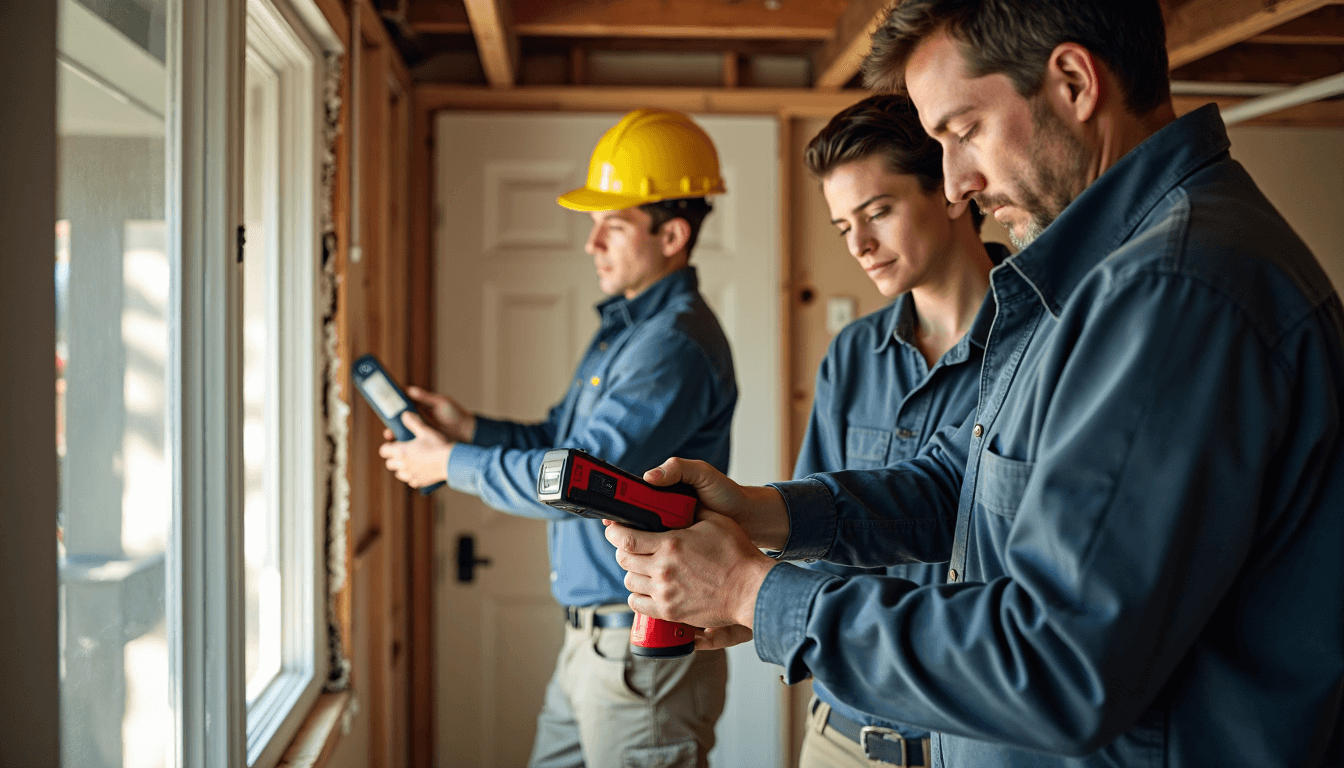
Modern restoration begins with precision. Professionals now utilize advanced diagnostic tools that provide comprehensive property assessments with unprecedented accuracy. Infrared thermal imaging cameras allow experts to detect hidden moisture, structural weaknesses, and potential damage zones invisible to the naked eye. These technologies enable restoration specialists to create targeted, efficient repair strategies that address root issues rather than just surface-level problems.
Specialized moisture meters and acoustic detection systems help professionals map out exact damage locations, reducing unnecessary demolition and minimizing restoration costs. By pinpointing precise damage areas, restoration teams can develop more strategic, cost-effective repair plans.
Sustainable and Innovative Restoration Materials
The restoration landscape in Charlotte is experiencing a significant shift toward sustainable and innovative materials. According to research from McGraw Hill Construction, green restoration techniques have increased by 47% in the past three years. Property owners now prioritize eco-friendly restoration methods that not only repair damage but also enhance long-term property resilience.
Modern restoration incorporates advanced materials like:
- Recycled Composite Materials: Durable replacements for traditional wood and metal components
- Nano-enhanced Sealants: Advanced protective coatings that resist moisture and environmental degradation
- Sustainable Insulation Technologies: Environmentally friendly options that improve energy efficiency
These innovative materials provide superior performance while reducing environmental impact. Our comprehensive restoration guide offers deeper insights into selecting the right restoration materials for different property types.
Integrated Restoration Approach
Today’s property restoration transcends traditional repair models. Modern techniques emphasize a holistic approach that considers structural integrity, aesthetic preservation, and future resilience. Restoration professionals now integrate digital modeling, predictive maintenance strategies, and comprehensive risk assessment into their workflow.
This integrated approach means restoration is no longer just about fixing damage—it’s about creating smarter, more adaptable properties. From using 3D scanning technologies to map intricate restoration requirements to implementing advanced climate-resistant techniques, the restoration industry has transformed into a sophisticated, technology-driven field.
Property owners in Charlotte can now expect restoration services that combine technical expertise, cutting-edge technologies, and a forward-thinking approach to property rehabilitation. The future of restoration is here—precise, sustainable, and remarkably intelligent.
Essential Steps for Water and Fire Damage
Water and fire damage can devastate properties, requiring swift and strategic intervention to minimize long-term structural and financial impacts. Property owners in Charlotte, NC must understand the critical steps needed to effectively address and recover from these destructive events.
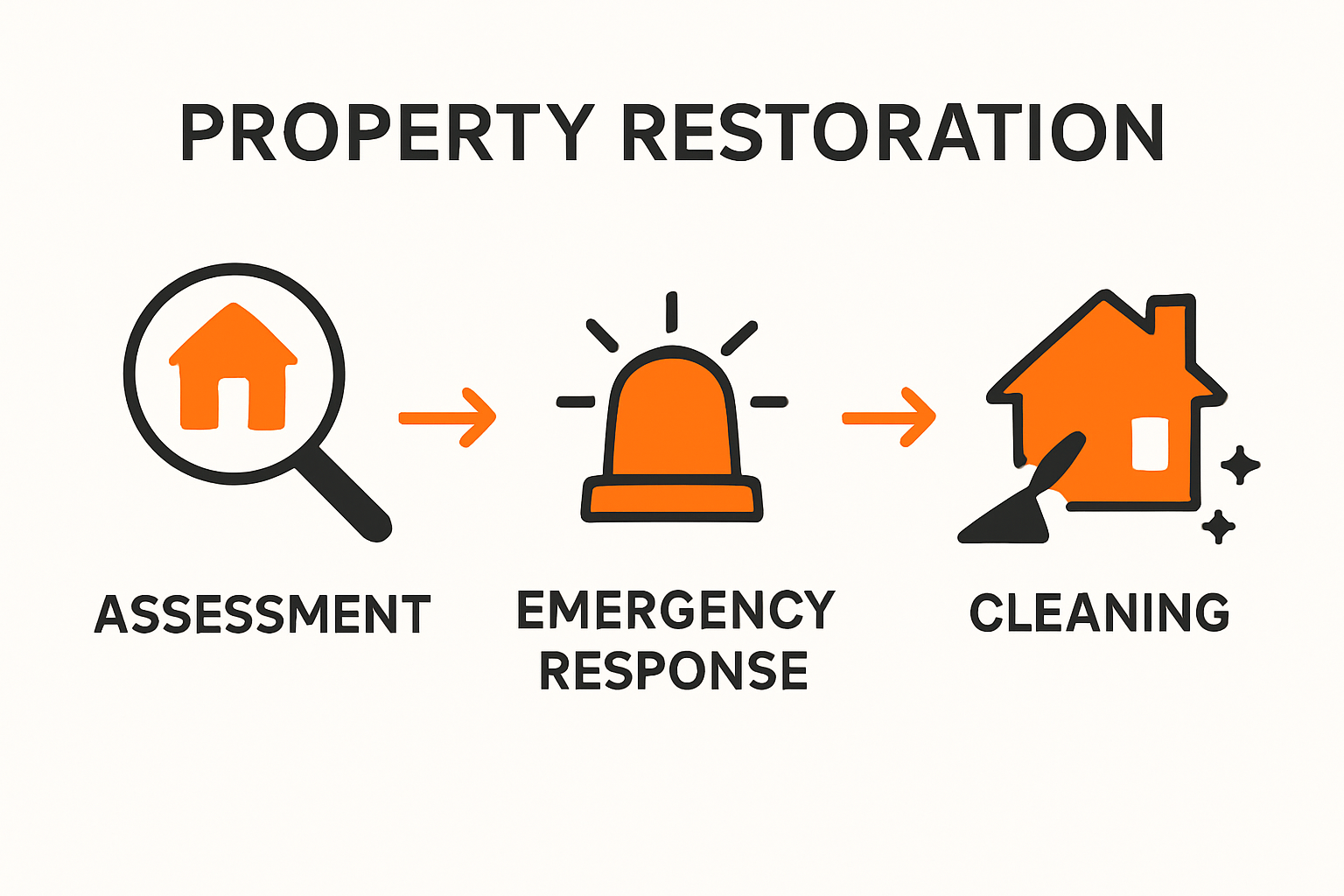
Immediate Emergency Response and Assessment
The first 24-48 hours are crucial in mitigating water and fire damage. Expert fire damage restoration professionals recommend an immediate, structured approach to prevent further deterioration. According to the National Fire Protection Association, rapid response can reduce secondary damage by up to 60%.
Key emergency response steps include:
- Securing the Property: Prevent additional damage by boarding up windows, covering exposed areas, and establishing safety perimeters
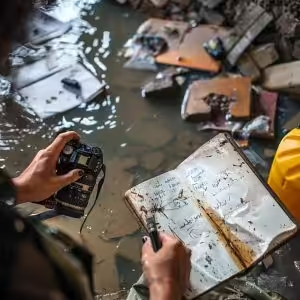
- Documentation: Photograph and video record all damage for insurance purposes
- Utility Management: Safely shut off electrical, gas, and water systems to prevent additional hazards
Professional damage assessment teams utilize advanced diagnostic tools to evaluate the full extent of destruction, creating a comprehensive restoration strategy tailored to the specific property’s needs.
Professional Cleaning and Restoration Techniques
Modern restoration involves sophisticated cleaning and recovery processes that go beyond traditional methods. Research from the Institute of Inspection, Cleaning and Restoration Certification highlights specialized techniques that address complex damage scenarios.
Comprehensive restoration protocols include:
- Water Extraction: Using industrial-grade pumps and dehumidification equipment to remove moisture completely
- Smoke and Soot Removal: Employing specialized chemical treatments that neutralize odors and remove toxic residues
- Structural Drying: Implementing advanced moisture control techniques to prevent mold and structural degradation
These methods require specialized equipment and expertise to ensure thorough property rehabilitation. Our comprehensive restoration guide provides deeper insights into the technical aspects of effective damage recovery.
Rebuilding and Resilience Strategies
Restoration is more than repair—it’s an opportunity to enhance property resilience. Professionals now integrate advanced rebuilding techniques that fortify properties against future potential damage. According to Charlotte Building Resilience Research, modern restoration emphasizes:
- Utilizing impact-resistant materials
- Implementing elevated foundation strategies
- Integrating advanced moisture barrier technologies
Property owners can transform disaster recovery into an opportunity for structural improvement, creating spaces that are not just restored but fundamentally stronger and more adaptable.
Navigation through water and fire damage requires professional expertise, strategic planning, and a comprehensive approach. By understanding these essential restoration steps, Charlotte property owners can effectively manage and overcome the challenges posed by unexpected property damage.
Key Tips for Businesses and Commercial Owners
Commercial property restoration demands a strategic and comprehensive approach that goes beyond traditional repair methods. Business owners in Charlotte, NC must understand the unique challenges and sophisticated techniques required to effectively manage and recover from property damage.
Comprehensive Disaster Preparedness Planning
Successful commercial property restoration begins long before damage occurs. Research from the Business Continuity Institute indicates that businesses with robust preparedness plans recover 50% faster than those without. Developing a comprehensive disaster response strategy involves multiple critical components:
- Risk Assessment: Conduct thorough evaluations of potential vulnerabilities
- Emergency Response Protocols: Create detailed, step-by-step action plans
- Communication Strategy: Establish clear communication channels for stakeholders
Our expert restoration services guide provides in-depth insights into developing effective disaster preparedness strategies tailored to commercial properties.
Advanced Documentation and Insurance Navigation
Professional documentation is crucial for commercial property restoration. According to the Insurance Information Institute, meticulous record-keeping can significantly expedite insurance claims and maximize compensation. Commercial owners should implement:
- Digital Asset Tracking: Utilize specialized software to catalog property inventories
- Comprehensive Photographic Evidence: Create detailed visual documentation of damage
- Precise Damage Assessment Reports: Develop professional, technical damage reports
These documentation strategies help businesses navigate complex insurance processes, ensuring they receive maximum entitled compensation and minimize financial disruption.
Technology-Driven Restoration Strategies
Modern commercial restoration transcends traditional repair approaches. Charlotte Building Resilience Research highlights emerging technologies that transform property recovery:
- Advanced Diagnostic Tools: Utilize infrared scanning and moisture detection technologies
- Digital Restoration Modeling: Implement 3D mapping for precise restoration planning
- Smart Monitoring Systems: Integrate real-time damage assessment technologies
These innovative approaches enable businesses to restore properties more efficiently, reducing downtime and minimizing long-term financial impacts. Commercial property owners can transform potential disasters into opportunities for technological upgrades and structural improvements.
Navigation through commercial property damage requires a sophisticated, proactive approach. By implementing comprehensive preparedness strategies, leveraging advanced documentation techniques, and embracing cutting-edge restoration technologies, Charlotte businesses can effectively manage and overcome unexpected property challenges.
Ultimately, successful commercial property restoration is about more than repair—it’s about resilience, strategic planning, and maintaining business continuity in the face of unexpected challenges.
Navigating Insurance and Legal Requirements
Property restoration in Charlotte, NC involves complex insurance and legal landscapes that require careful navigation. Property owners must understand the intricate requirements and protections that govern restoration processes to ensure comprehensive coverage and legal compliance.
Understanding Insurance Policy Nuances
Insurance policies are not one-size-fits-all documents. The North Carolina Department of Insurance emphasizes the critical importance of understanding specific policy details. According to recent regulatory changes, effective July 1, 2025, minimum property damage liability coverage has increased from $25,000 to $50,000, requiring property owners to carefully review their existing policies.
Key policy considerations include:
- Coverage Limitations: Identifying specific damage types covered
- Claim Filing Procedures: Understanding precise documentation requirements
- Restoration Vendor Restrictions: Recognizing approved service providers
Our comprehensive restoration guide provides detailed insights into navigating complex insurance landscape requirements.
Legal Compliance in Restoration Projects
Restoration projects involve multiple legal considerations beyond insurance. Research from the North Carolina Contractors Licensing Board highlights critical legal requirements for property restoration:
- Contractors must possess valid general contractor licenses
- Detailed documentation of restoration work is legally mandated
- Specific permit requirements must be met for structural repairs
Professional restoration teams must demonstrate compliance with state regulations, ensuring that all restoration work meets strict legal standards. This includes maintaining proper certifications, adhering to building codes, and providing transparent documentation throughout the restoration process.
Distinguishing Damage Types and Coverage
A critical aspect of insurance navigation involves understanding nuanced damage classifications. Experts from the Insurance Information Institute emphasize the significant differences between various damage types. For instance, water damage and flood damage are treated distinctly by insurance providers, which can dramatically impact claim eligibility.
Property owners should be aware of:
- Water Damage: Often covered under standard homeowners insurance
- Flood Damage: Typically requires separate, specialized insurance
- Gradual vs. Sudden Damage: Different coverage implications
The complexity of insurance claims requires meticulous documentation and professional guidance. Property owners benefit from working with restoration professionals who understand both the technical restoration process and the intricate insurance landscape.
Successful property restoration in Charlotte, NC demands a comprehensive approach that balances technical expertise, legal compliance, and strategic insurance navigation. By understanding these critical requirements, property owners can protect their investments and ensure smooth recovery from unexpected damage events.
Frequently Asked Questions
What are the modern property restoration techniques used in Charlotte, NC?
Modern property restoration techniques in Charlotte include advanced diagnostic tools like infrared imaging for damage assessment, sustainable materials such as recycled composites for repairs, and an integrated restoration approach that combines structural integrity and aesthetic preservation.
How do advanced diagnostic tools improve property restoration?
Advanced diagnostic tools, such as infrared thermal imaging and moisture meters, help professionals accurately locate hidden damage and moisture, resulting in targeted repair strategies that minimize costs and reduce unnecessary demolition.
What steps should I take immediately after water or fire damage to my property?
Immediately secure the property by boarding up windows and documenting the damage with photos. Turn off utilities to prevent further hazards, and contact a professional restoration service for a comprehensive assessment and recovery plan.
How can businesses in Charlotte prepare for potential property damage?
Businesses can prepare for property damage by creating a comprehensive disaster response plan that includes risk assessments, emergency response protocols, and clear communication strategies for stakeholders.
Ready for Advanced Restoration Support in Charlotte?
When disaster strikes your Charlotte property, outdated fixes can leave you vulnerable and frustrated. This article showed the importance of advanced diagnostics, insurance expertise, and resilient repairs. Many owners feel overwhelmed facing water or fire damage, insurance obstacles, and urgent restoration needs—all while wanting to rebuild smarter for the future. That is where true peace of mind begins: you deserve a partner that brings both technical innovation and proven advocacy to every restoration project.
Discover how National Insurance Claim Specialist (NICS) transforms recovery in Charlotte. Our team applies cutting-edge techniques from moisture mapping to nano-sealant repairs, and we guide you through complex insurance claims with clarity and compassion. No detail gets missed—every step is handled with care, transparency, and speed.
Why wait while uncertainty grows? Visit National Insurance Claim Specialist now to get reliable help and a free personalized consultation. Secure your greatest investment with a team that turns chaos into confident recovery.
Recommended Articles
- Expert Fire Damage Restoration Services – Fire Damage Repair and Water Damage Repair Charlotte NC
- Charlotte Restoration: Find Top Disaster Recovery Services
- Mastering the Claim Process: How to File for Roof Damage – Fire Damage Repair and Water Damage Repair Charlotte NC
- Rebuilding Lives: Understanding the Significance of Restoration Services After a Disaster – Fire Damage Repair and Water Damage Repair Charlotte NC
- NIC’s Restoration: Your Trusted Restoration Experts
- Unmatched Excellence: Why National Insurance Claim Specialist is Your Top Choice – Fire Damage Repair and Water Damage Repair Charlotte NC