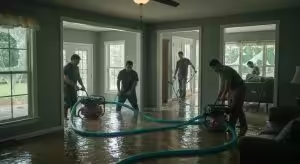
When a storm hits Charlotte, your home can face serious water damage in just hours. Heavy rain, wind, and hail can break through your roof, flood your basement, or burst your pipes. If water gets inside your home, you need to act fast to prevent mold, protect your family’s health, and save your property.
TLDR: Charlotte storms bring wind-driven rain, hail, and flooding that can damage roofs, basements, and foundations. Water from storms can cause mold growth in 24 to 48 hours and weaken your home’s structure. National Insurance Claim Specialist offers 24/7 emergency response with complete water extraction, drying, mold prevention, and reconstruction. We also help you navigate insurance claims. Prevent future damage by inspecting your roof, clearing gutters, testing sump pumps, and keeping emergency supplies ready.
Why Charlotte Homes Face Unique Storm Water Challenges
Charlotte’s weather patterns create specific risks for local homes. Our area gets between 40 and 50 thunderstorm days each year. We also deal with hailstorms, tropical storms, and occasional tornadoes. These weather events test your roof, gutters, and drainage systems in ways that can lead to hidden water problems.
Many Charlotte homes have shallow-pitched roofs that are common in modern neighborhoods. When it rains hard, water can pool near the flashing and seams. This standing water slowly works its way under shingles and into your attic. By the time you notice a ceiling stain, the damage has already spread through insulation and wood framing.
Wind-driven rain is another major issue. When strong winds push rain sideways during a storm, water can get past siding, windows, and roof vents that normally keep moisture out. This is why even a well-maintained home can suddenly develop leaks during severe weather.
Common Storm Threats in the Charlotte Area
Understanding what types of storms we face helps you prepare and respond quickly when damage happens.
| Storm Type | What It Does | How Often It Happens |
|---|---|---|
| Thunderstorms | Causes roof leaks and cracks in siding | 40 to 50 days per year |
| Hailstorms | Damages shingles and breaks windows | 5 to 8 events per year |
| Tropical Storms | Brings flooding and high winds | 1 to 2 every few years |
| Tornadoes | Creates structural damage and debris | Occasional, mostly in spring |
Each type of storm creates different challenges for your home. Hail dents and cracks shingles, which lets water seep through later. High winds can lift entire sections of roofing. Heavy rain overwhelms gutters and causes basement flooding.
How Water Damage Leads to Mold and Structural Problems
When water gets into your home from a storm, it soaks into drywall, insulation, and wood framing. These materials hold moisture like a sponge. Within 24 to 48 hours, mold spores start to grow on these wet surfaces.
Mold feeds on the cellulose in wood studs and drywall. As it grows, it weakens the materials that hold up your home. Mold also releases particles into the air that can trigger allergies, asthma, and other respiratory problems for your family.
The water damage process works like this:
- Rainwater or floodwater enters through gaps in your roof, walls, or foundation
- Water saturates building materials and creates high humidity
- Mold spores, which are always present in the air, land on wet surfaces
- Within 24 to 48 hours, mold begins growing and spreading
- Over time, structural wood rots and loses its strength
This is why speed matters so much after a storm. The faster you remove water and dry your home, the less damage you’ll face. Our team at National Insurance Claim Specialist uses professional equipment to extract water and lower humidity levels before mold can take hold.
Why Fast Emergency Response Makes a Difference
Every hour counts after storm damage. When you call for help right away, you can cut your repair costs by up to 50 percent. Quick action also prevents permanent damage to your home’s structure.
In the first four hours after water enters your home, our team can:
Assess and Document the Damage: We find all the areas where water got in and take photos for your insurance claim. This documentation helps you get the coverage you deserve.
Start Immediate Mitigation: We set up barriers to contain the water and use powerful pumps to remove standing water from floors and carpets.
Control the Environment: We bring in industrial dehumidifiers and air movers to drop humidity below 60 percent. This stops mold from starting to grow.
When you wait to call for help, water continues spreading through your walls, floors, and ceilings. Materials that could have been saved may need complete replacement. Acting fast preserves your property value and keeps your family healthy.
Learn more about our emergency restoration services to see how we respond to urgent situations.
Our Complete Storm Water Damage Restoration Process
At National Insurance Claim Specialist, we handle every step of recovery from the emergency call to the final walkthrough. Our process combines rapid response, advanced drying technology, and complete reconstruction to bring your home back to its original condition.
24/7 Emergency Response and Damage Assessment
Our certified team arrives within hours of your call, day or night. We assess the damage using moisture meters and infrared cameras to find hidden water behind walls and under floors. You can’t always see where water has traveled, but our equipment shows us exactly where the problems are.
We document everything with photos and detailed notes. This record becomes crucial when you file your insurance claim. After we map out the damage, we set up containment zones to prevent water from spreading to clean areas of your home.
For immediate help after a storm, visit our water damage restoration page.
Water Extraction and Drying Services
Before we can rebuild anything, we need to remove all water and moisture from your home. Here’s what this process involves:
High-Capacity Pumps: We use submersible pumps to clear standing water from flooded spaces. These industrial pumps can remove hundreds of gallons per hour.
Air Movers and Dehumidifiers: After we extract the water, we position air movers to increase airflow across wet surfaces. Dehumidifiers pull moisture from the air and building materials.
Thermal Mapping: We use thermal imaging to verify that moisture levels are dropping in walls and flooring. This technology helps us confirm we’re drying everything thoroughly.
Continuous Monitoring: We check moisture levels daily and adjust equipment as needed. We don’t stop until readings show moisture is below 15 percent throughout your home.
This drying process usually takes three to five days, depending on how much water damage occurred. We can’t rush it because any remaining moisture will cause mold problems later.
Cleaning, Sanitizing, and Mold Prevention
Once surfaces are dry, we move to the health and safety phase. Storm water often carries bacteria, sewage, and other contaminants. We clean and sanitize every affected surface using EPA-registered antimicrobial solutions.
We pay special attention to areas where mold is likely to grow. This includes spaces under cabinets, inside wall cavities, and in attic insulation. We apply mold-inhibiting treatments that stop spores from taking hold even if humidity rises slightly.
We also eliminate musty odors using safe deodorizing agents. These products are fragrance-free and won’t bother people with sensitivities or allergies.
According to the EPA, controlling moisture is the key to preventing mold growth. Our cleaning and prevention steps follow their guidelines to protect your indoor air quality.
Repair, Reconstruction, and Remodeling
After mitigation and cleaning, we restore your home’s structure and appearance. This phase involves repairing or replacing everything that was damaged.
| Restoration Phase | What We Do | Why It Matters |
|---|---|---|
| Framing Repair | Reinforce or replace damaged wood studs | Restores the strength your walls need to support the structure |
| Drywall Replacement | Install moisture-resistant panels | Prevents future mildew and water damage |
| Flooring Restoration | Refinish hardwood or replace damaged flooring | Creates safe, level surfaces that match your home |
| Finish Carpentry | Rebuild trim, baseboards, and moldings | Makes repairs blend seamlessly with original features |
We don’t just patch things up. We rebuild your home to meet current building codes and use materials that resist future moisture problems. When we’re done, you won’t be able to tell where the damage was.
Check out our before and after projects to see the quality of our reconstruction work.
Navigating Your Insurance Claim After Storm Damage
Dealing with insurance paperwork after a storm feels overwhelming. You’re already stressed about the damage, and now you need to understand policy language, document everything, and negotiate with adjusters. We help make this process easier.
How National Insurance Claim Specialist Assists With Your Claim
Our insurance specialists guide you through every step. We’ve worked with all the major insurance carriers and understand what they need to approve claims quickly. Here’s how we help:
Policy Review: We help you understand what your policy covers and what documentation you need to provide.
Adjuster Coordination: We meet with your insurance adjuster at your property and explain the damage and necessary repairs.
Detailed Documentation: We prepare thorough damage reports with photos, moisture readings, and cost estimates that meet industry standards.
Communication: We keep you updated and handle follow-up questions from your insurance company.
Having a professional restoration company that also understands insurance claims gives you an advocate who knows both sides of the process.
Visit our insurance quote assistance page for more information.
What Homeowners Insurance Typically Covers
Most standard homeowners policies in North Carolina cover storm-related water damage, but coverage depends on the specific cause. Here’s what’s usually included:
Roof and Structural Repairs: Damage from wind-driven rain that enters through storm-damaged roofs or walls is typically covered.
Water Removal and Drying: The cost of extracting water and drying your home is included in most policies.
Mold Remediation: If mold grows as a direct result of covered storm damage, removal is usually covered.
Additional Living Expenses: If your home is unlivable during repairs, your policy may pay for hotel stays and meals.
According to the Insurance Information Institute, understanding what your policy covers before a storm hits helps you respond faster when damage occurs.
It’s important to know that flooding from rising water (like from a nearby creek or river) requires separate flood insurance. Your standard homeowners policy won’t cover this type of damage.
What Documentation You Need for a Successful Claim
To get your claim approved quickly and for the full amount you deserve, gather these items:
Your Insurance Policy: Have your declarations page handy so you know your coverage limits and deductible.
Time-Stamped Photos: Take pictures of all damaged areas and belongings as soon as it’s safe. More photos are better than too few.
Contractor Estimates: Get written repair estimates from licensed contractors. We provide detailed estimates that insurers accept.
Emergency Expense Receipts: Save receipts for any immediate repairs you make to prevent further damage, plus costs for temporary housing.
Damage Assessment Reports: Professional reports from certified technicians carry more weight with insurance companies than homeowner descriptions alone.
For more guidance, see our article on the essential hurricane insurance claim documentation checklist.
Types of Storm Water Damage We Repair in Charlotte
We handle all types of water damage caused by severe weather. Whether you have a small roof leak or complete basement flooding, we have the expertise and equipment to fix it right.
Roof Leaks and Attic Water Damage
Roof damage from hail, wind, or debris is one of the most common storm problems we see. When your roof is compromised, water pours into your attic and soaks through insulation into ceiling drywall.
We remove wet insulation and damaged shingles, then replace them with quality materials. We also check your roof pitch and drainage to make sure water flows off properly. If your gutters contributed to the problem, we coordinate repairs or upgrades to prevent it from happening again.
Our storm damage restoration services cover everything from emergency tarping to complete roof replacement.
Basement Flooding and Foundation Issues
Basement flooding undermines your home’s foundation and creates ideal conditions for mold in concrete walls. Storm water can enter through cracks, overwhelmed drainage systems, or hydrostatic pressure pushing against your foundation.
Here’s how we address different basement water problems:
| Issue | Our Solution | The Benefit |
|---|---|---|
| Hydrostatic Pressure | Install interior drain tile and sump pump system | Prevents water from seeping through walls in future storms |
| Foundation Cracks | Use epoxy injection or carbon fiber reinforcement | Restores structural strength and stops water entry |
| Wet Insulation | Replace with closed-cell foam insulation | Creates a moisture barrier while insulating |
These repairs secure your foundation against ongoing water pressure and protect your home’s structural integrity for years to come.
Burst Pipes and Plumbing Failures
Storms can stress your plumbing in unexpected ways. Ground movement during heavy rain or temperature changes can cause pipes to crack or burst. When this happens, water floods into walls and under floors where you can’t see it.
We isolate the damaged plumbing, use leak detection equipment to find all problem areas, and replace failed pipes with durable materials. We also perform thorough moisture inspections to ensure no hidden water damage remains behind walls or beneath floors.
Commercial Property Storm Water Damage
Businesses face unique challenges after storm damage. You need to get back to normal operations quickly while also dealing with extensive water removal and repairs. We scale our equipment and crews to handle large commercial spaces.
Our commercial services include:
- Rapid water extraction with truck-mounted equipment
- Content salvage and document drying for critical records
- Phased reconstruction so you can reopen sooner
- After-hours work to minimize business disruption
We coordinate with your business insurance and help you document losses for business interruption claims.
Learn more about our home damage restoration capabilities that extend to commercial properties.
Why Choose National Insurance Claim Specialist for Storm Damage Repair
Choosing the right restoration company makes a huge difference in how quickly you recover and how well the repairs hold up. Here’s what sets us apart in Charlotte.
Local Expertise and Rapid Response
As a Charlotte-based company, we understand regional building codes, permit requirements, and the construction methods used in local homes. We know which storms cause which types of damage because we’ve been through them with our own community.
Our 24/7 dispatch center mobilizes crews within hours of your call. We don’t make you wait days for an appointment while water damage gets worse. We arrive ready to work with the equipment and materials we need to start mitigation immediately.
Certified Professionals and Advanced Equipment
Our technicians hold IICRC certifications, which means they follow industry best practices for water damage restoration. We invest in the latest moisture-mapping devices, truck-mounted extraction units, and commercial-grade dehumidifiers.
This combination of training and technology accelerates drying time and ensures we verify complete remediation. We don’t guess about whether your home is dry. We prove it with scientific measurements.
What Our Customers Say
Long-term clients praise our transparent communication and thorough documentation for insurance claims. They appreciate that we explain every step and keep them informed throughout the process.
One homeowner reported zero mold recurrence two years after we completed their full-scope water damage repair. This shows the effectiveness of our drying and prevention process. When we say something is dry and protected, it stays that way.
Visit our about us page to learn more about our experience and commitment to quality.
How to Prevent Storm Water Damage
Taking steps before storm season arrives can reduce the likelihood and severity of water damage to your home. These preventive measures save you time, money, and stress.
Storm Preparedness Tips for Charlotte Homes
Before each storm season starts in spring, take these actions:
Schedule Roof and Gutter Inspections: Have a professional check your roof for loose or damaged shingles and clean debris from gutters. Clogged gutters overflow and dump water next to your foundation.
Secure Loose Exterior Materials: Check siding, fascia boards, and roof flashing. Use hurricane straps to reinforce weak points where wind could lift materials.
Test Your Sump Pump: If you have a basement sump pump, test it before heavy rains arrive. Install a battery backup so it keeps working if the power goes out.
Trim Overhanging Branches: Tree branches that hang over your roof can break during storms and damage shingles or puncture roofing.
These simple steps strengthen your home’s defenses against storm damage.
Minimize Water Damage Risk Before a Storm
The way water flows around your home makes a big difference in flood risk. Here’s what to check:
Landscape Grading: Make sure soil slopes away from your foundation on all sides. Water should flow toward the street or drainage areas, not toward your house.
Window Well Covers: If you have basement windows with window wells, install clear covers. These keep rainwater out while still allowing emergency escape.
Gutter Guards: Install gutter guards to prevent leaves and debris from clogging your gutters during storms.
French Drains: In low-lying areas of your yard where water collects, consider adding French drains to move water away from your home.
These improvements reduce the entry points for water and limit flood exposure during intense downpours.
What to Include in Your Emergency Storm Kit
Having the right supplies ready before a storm hits helps you take immediate action if damage occurs. Keep these items accessible:
| Item | Why You Need It | Example |
|---|---|---|
| Portable Generator | Keeps sump pump and lights running during power outages | 3,500-watt unit with automatic start |
| Water-Resistant Flashlight | Provides light for inspecting damage without electricity | LED flashlight with extra batteries |
| Sandbags | Blocks water from entering through doors and low points | 40-pound poly bags, at least 10 to 20 |
| Battery-Powered Weather Radio | Receives storm updates when power and internet are down | NOAA-capable weather radio |
Having these resources means you can start protecting your home even before professional help arrives.
Frequently Asked Questions About Storm Water Damage
How quickly should I call for help after storm damage?
Call for professional help as soon as you discover water damage. Within 24 to 48 hours, mold begins growing on wet materials. The faster we start extraction and drying, the less damage you’ll face and the lower your repair costs will be.
Does homeowners insurance cover storm water damage?
Most homeowners policies cover water damage from wind-driven rain that enters through storm-damaged roofs, walls, or windows. However, flooding from rising water requires separate flood insurance. Review your policy or call us for help understanding your coverage.
How long does water damage restoration take?
The timeline depends on the extent of damage. Water extraction and drying typically take three to five days. After that, repairs can take one to three weeks for moderate damage or longer for extensive reconstruction. We’ll give you a clear timeline after our initial assessment.
Can I stay in my home during restoration?
It depends on the damage. If only one room is affected and we can contain the work area, you may be able to stay. For extensive damage involving multiple rooms or mold growth, you may need to stay elsewhere temporarily. Your insurance may cover hotel costs.
How do I prevent mold after storm water damage?
Remove standing water immediately and dry affected areas within 24 to 48 hours. Use fans and dehumidifiers to lower humidity below 60 percent. Clean and disinfect all surfaces that got wet. Professional restoration ensures thorough drying and mold prevention.
What’s the difference between clean water, gray water, and black water?
Clean water comes from broken pipes or rain and is relatively safe. Gray water comes from appliances like washing machines and contains some contaminants. Black water comes from sewage or flooding and contains harmful bacteria. The water category affects cleaning and safety procedures.
Will my home look the same after repairs?
Yes. We rebuild and refinish your home to match its original appearance. We use quality materials and skilled finish carpentry to blend repairs seamlessly. When we’re done, you won’t see where the damage was.
Do you work directly with insurance companies?
Yes. We prepare detailed documentation, meet with adjusters, and provide estimates that meet insurance standards. We handle communication with your carrier throughout the claims process.
Key Takeaways
- Charlotte storms bring heavy rain, hail, and wind that damage roofs, basements, and foundations
- Water damage leads to mold growth within 24 to 48 hours if not addressed quickly
- Fast emergency response can reduce repair costs by up to 50 percent
- Professional water extraction, drying, and mold prevention protect your home and health
- Complete documentation helps you get full insurance coverage for repairs
- National Insurance Claim Specialist provides 24/7 emergency service with certified technicians and advanced equipment
- Preventive maintenance like roof inspections and gutter cleaning reduces storm damage risk
- Having emergency supplies ready helps you protect your home while waiting for professional help
Protect Your Charlotte Home Today
After a storm damages your home, every minute counts. Water spreads, mold starts growing, and repair costs increase the longer you wait. But you don’t have to face this alone.
National Insurance Claim Specialist is ready 24 hours a day, 7 days a week to respond to your emergency. Our team arrives fast with the equipment and expertise to stop damage, dry your home, and rebuild it to look as good as new. We also handle the insurance paperwork so you can focus on getting back to normal.
Need help after a storm or leak? Our team is ready around the clock. Contact National Insurance Claim Specialist today to get your free estimate and protect your home.
National Insurance Claim Specialist | North Carolina’s Trusted Home Restoration Experts | Fire – Water – Storm – Rebuild Done Right.