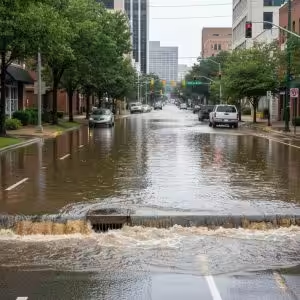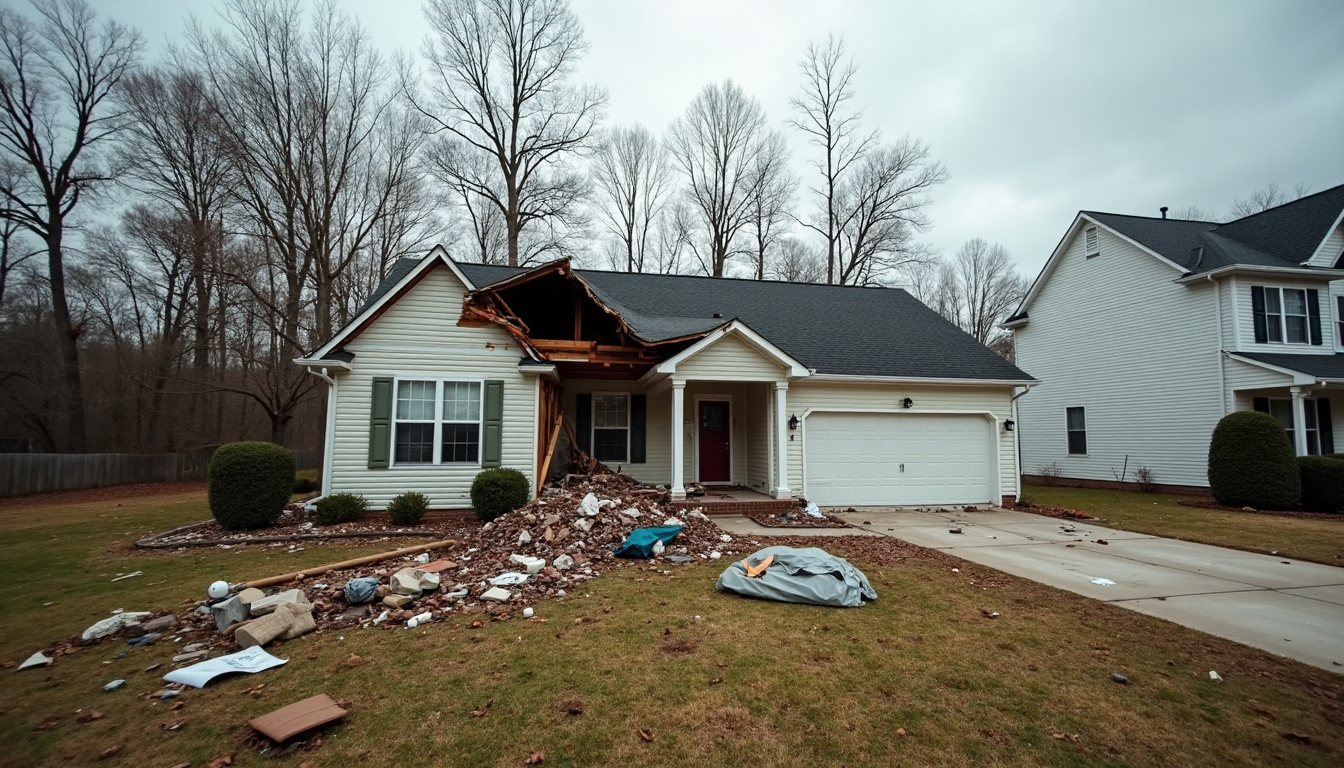
Disaster recovery in Charlotte is more than just fixing damage and filing claims. The average wind and hail damage claim in 2025 reached $13,511 which is a record high for the region. Most people expect restoration to be a quick process once insurance gets involved. The real headaches often come from hidden policy gaps, documentation mistakes or missed deadlines that drag out recovery for months. Here’s how the steps you take in those first hours can make all the difference.
Table of Contents
- Immediate Steps After Disaster Strikes
- Navigating Insurance Claims for Restoration
- Hiring Professional Restoration Services
Quick Summary
| Takeaway | Explanation |
|---|---|
| Ensure Personal Safety First | Prioritize your safety and that of loved ones by assessing hazards, evacuating if necessary, and contacting emergency services for major risks. |
| Document and Report Damage | Take comprehensive photographs and videos of damage immediately to support your insurance claims and report to local emergency management. |
| Navigate Insurance Claims Proactively | Understand your insurance policy, file accurate claims with proper documentation, and manage the claims process actively, including appealing disputed claims. |
| Hire Qualified Restoration Services | Select restoration professionals based on credentials, experience, and customer feedback. Ensure they provide comprehensive services beyond basic cleanup. |
| Understand Cost and Insurance Coordination | Request detailed estimates from restoration companies, and clarify how they will work with your insurance to streamline the claims process. |
Immediate Steps After Disaster Strikes
When disaster strikes in Charlotte, the first moments are critical for safety and restoration after disaster. Your immediate actions can significantly impact property preservation and personal security.
Ensure Personal Safety First
Your number one priority is protecting yourself and your loved ones. Immediately assess the situation for potential hazards. Check for structural damage, gas leaks, electrical risks, and potential water contamination. If your home appears unsafe, evacuate quickly. According to the North Carolina Emergency Management, residents should have an emergency kit ready with essentials like water, non-perishable food, first aid supplies, flashlights, and important documents.
Move to a safe location away from damaged structures. Contact local emergency services if you detect significant structural damage or immediate health risks. Call 911 if anyone is injured or if there are active dangerous conditions that require professional intervention.
Document and Report Damage
Documentation is crucial for restoration after disaster. Start by taking comprehensive photographs and videos of all damage. Capture details of structural damage, water intrusion, destroyed personal property, and any environmental impacts. These visual records become critical evidence for insurance claims and potential federal assistance.
The North Carolina Housing Finance Agency recommends immediate reporting to local emergency management. In Charlotte, contact the City’s Emergency Management office to officially log your damage. This documentation helps activate local and state recovery resources.
Contact Insurance and Begin Recovery Process
Reach out to your insurance provider immediately. Most homeowners and commercial property insurance policies have specific protocols for disaster reporting. Provide them with the documentation you’ve collected. Ask about immediate coverage for temporary housing, emergency repairs, and potential restoration services.
For comprehensive disaster recovery, North Carolina offers specific support. The North Carolina Emergency Management administers grant programs to support repair and reconstruction projects. These programs can provide financial assistance for organizations and individuals involved in disaster response.
Additional critical steps include:
- Secure your property to prevent further damage
- Contact utility companies to report and address potential service interruptions
- Check on neighbors, especially elderly or vulnerable individuals
- Follow official guidance from local emergency management
Remember, quick and methodical action can minimize long term damage and accelerate your recovery process. Stay calm, prioritize safety, and systematically work through these initial restoration steps.
Navigating Insurance Claims for Restoration
Successful restoration after disaster requires strategic navigation of insurance claims. Understanding the complex process can help Charlotte property owners maximize their recovery potential and minimize financial strain.
Understanding Your Insurance Policy Coverage

Before filing a claim, thoroughly review your insurance policy details. Different policies cover varying types of disaster damage. According to National Insurance Claim Specialist, the average wind and hail damage claim in 2025 is $13,511, underscoring the importance of comprehensive coverage.

Key policy elements to examine include:
- Specific disaster types covered
- Deductible amounts
- Replacement cost versus actual cash value provisions
- Additional living expense coverage
- Limits on structural and personal property restoration
Consult with your insurance agent to clarify any uncertainties. Some policies have nuanced clauses that might impact your restoration after disaster strategy.
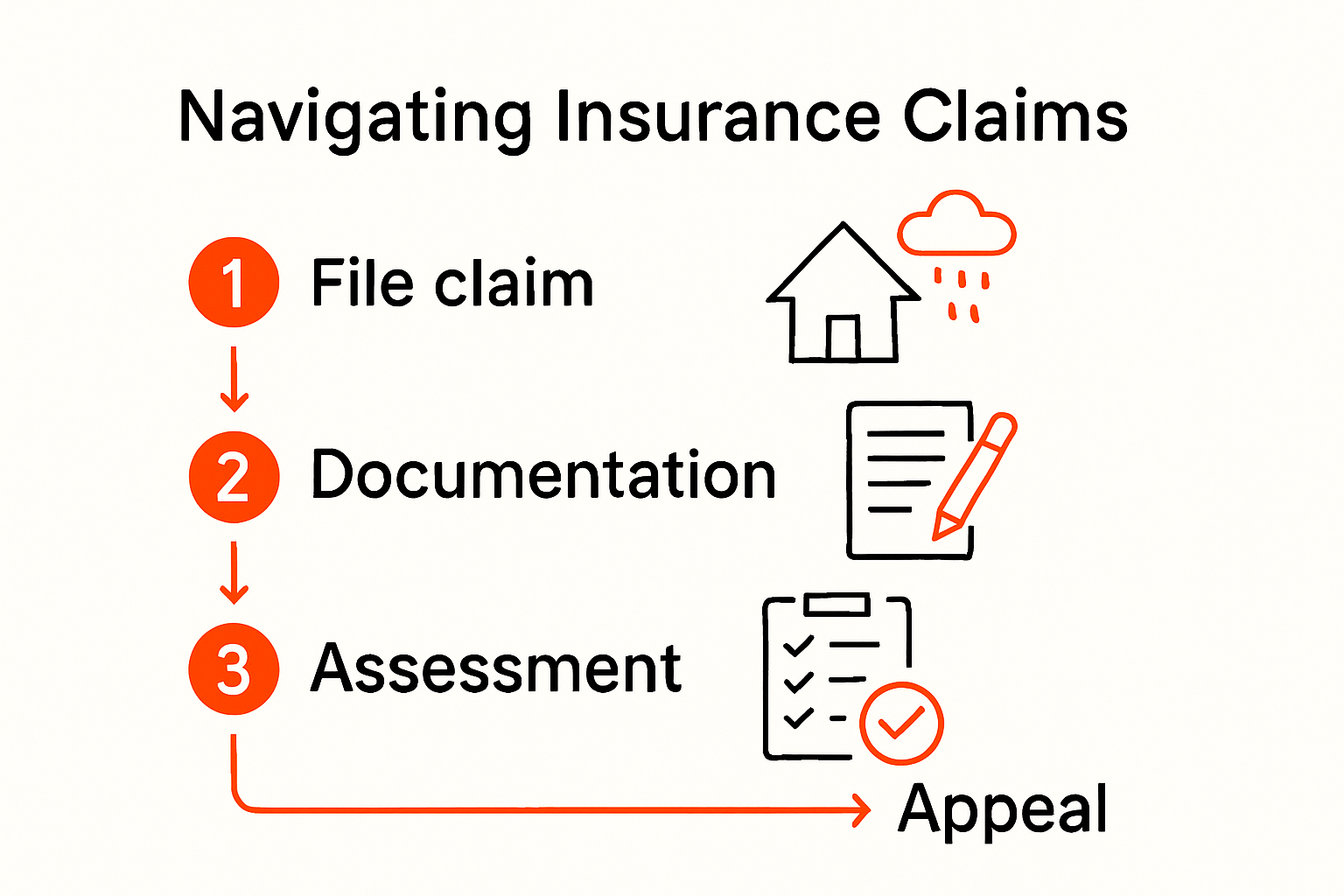
Filing a Comprehensive and Accurate Claim
Documentation is crucial when filing an insurance claim. The North Carolina Disaster Case Management Program recommends creating a detailed damage report.
Effective claim filing steps include:
- Compile comprehensive photographic evidence
- Create an itemized list of damaged property
- Obtain professional damage assessment reports
- Keep all receipts related to emergency repairs
- Maintain a chronological record of all communication with insurance representatives
The North Carolina Emergency Management advises filing insurance claims before applying for additional disaster assistance, though survivors can simultaneously pursue FEMA aid if underinsured.
Managing the Claims and Restoration Process
After submitting your claim, proactively manage the process. Request a claim number and designated adjuster contact. Schedule a professional property assessment promptly. Be prepared to provide additional documentation and answer detailed questions about your property damage.
If your initial claim is disputed or seems insufficient, consider these strategies:
- Request a second professional damage assessment
- Hire a public insurance adjuster for independent evaluation
- Document all communication and keep detailed records
- Understand your right to appeal claim decisions
Remember that restoration after disaster is a complex journey. Patience, thorough documentation, and proactive communication are your strongest tools in navigating the insurance claims process effectively.
Stay organized, persistent, and informed to maximize your potential for comprehensive property restoration and financial recovery.
Hiring Professional Restoration Services
When disaster strikes, professional restoration services become critical for comprehensive property recovery. Understanding how to select the right professionals can make a significant difference in your restoration after disaster experience.
Evaluating Restoration Service Credentials
Selecting a qualified restoration service requires careful assessment. The U.S. Environmental Protection Agency recommends verifying professional credentials to ensure effective damage mitigation. Key factors to consider include:
- Certifications from the Institute of Inspection Cleaning and Restoration Certification (IICRC)
- State and local licensing requirements
- Proven experience in handling similar disaster scenarios
- Specialized training in water, fire, and mold restoration techniques
- Positive local references and online reviews
Professional restoration companies invest in advanced technology and specialized training that individual property owners cannot replicate. They understand complex restoration protocols and can prevent secondary damage that might occur through improper cleanup.
Understanding Comprehensive Restoration Services
FEMA highlights that professional restoration services do more than simple cleanup. These experts provide comprehensive solutions including:
- Immediate damage assessment
- Water extraction and structural drying
- Mold prevention and remediation
- Contamination testing and removal
- Structural repair and reconstruction
- Insurance claim documentation support
Their expertise extends beyond immediate cleanup. Professionals understand how different materials react to water, fire, or storm damage and can implement targeted restoration strategies that preserve your property’s structural integrity.
Navigating Cost and Insurance Coordination
Restoration service costs vary based on damage extent and required interventions. Most professional services work directly with insurance providers to streamline the claims process. Request detailed written estimates that break down:
- Scope of work
- Estimated restoration timeline
- Itemized service costs
- Potential additional expenses
- Insurance documentation support
Many restoration companies offer free initial assessments. During these evaluations, ask detailed questions about their approach, technology, and experience with similar restoration projects.
Warning signs to avoid include:
- Quotes significantly lower than market rates
- Lack of proper licensing
- Inability to provide clear documentation
- Pressure tactics or upfront full payment requests
Restoration after disaster is complex. Professional services provide expertise, efficiency, and peace of mind during challenging recovery periods. Choose wisely to ensure comprehensive and effective property restoration.
Frequently Asked Questions
What should I do immediately after a disaster in Charlotte?
Ensure personal safety first by assessing hazards and evacuating if necessary. Document and report damage by taking photos and contacting local emergency management before contacting your insurance provider to begin the recovery process.
How can I navigate the insurance claims process for disaster restoration?
Understand your insurance policy coverage, file a comprehensive and accurate claim with detailed documentation, and actively manage the claims process by following up with your insurance agent and addressing any disputes that arise.
What factors should I consider when hiring a disaster restoration company?
Look for credentials such as IICRC certification, local licensing, experience in similar disaster scenarios, and positive customer feedback. Ensure they offer comprehensive services beyond basic cleanup to address all aspects of damage restoration.
How can I ensure my insurance will cover disaster restoration costs?
Review your insurance policy for coverage details on disaster types, deductibles, and limits. Keep thorough documentation of all damages and repairs, and communicate regularly with your insurance agent while understanding your rights if claims are disputed.
Don’t Navigate the Recovery Process Alone—We’re Here to Help!
Facing the aftermath of a disaster in Charlotte can feel overwhelming, especially when it comes to understanding your insurance policy coverage and the often-complex claims process. As highlighted in our guide, documentation mistakes and missed deadlines can lead to significant delays in recovery. The stress of navigating insurance claims can be daunting, but you don’t have to do it alone. At National Insurance Claim Specialist (NICS), we specialize in helping homeowners and businesses like yours reclaim what they deserve after storm damage, fires, and more.
Our expert team is committed to providing personalized, ethical service backed by extensive industry knowledge. We handle everything from damage documentation to negotiations with insurance providers, ensuring you receive the maximum compensation under your policy. Don’t let the chaos of disaster recovery keep you from restoring your property and peace of mind.
Take the first step towards recovery—visit nicsrestoration.com now and let us turn your disaster into an opportunity for restoration!