Hurricane Debris Disposal: Essential Best Practices for Safe and Efficient Cleanup
Hurricane aftermath can leave thousands of cubic yards of debris scattered across properties, posing safety risks and delaying recovery. This guide on best practices for debris disposal helps Charlotte homeowners and business owners identify debris types, prepare safe cleanup steps, navigate local regulations, leverage FEMA support, and decide when to call professional services. You will learn how to sort and dispose of vegetative, construction, hazardous, white goods, and electronic waste; apply safety precautions; understand Charlotte-Mecklenburg guidelines; access FEMA programs; optimize insurance claims; and promote sustainable recycling. These essential best practices ensure a swift, compliant, and eco-responsible recovery after a storm.
What Are the Different Types of Hurricane Debris and How Should They Be Identified?
Hurricane debris disposal involves sorting waste into defined categories so that each material receives proper handling and disposal. Proper classification reduces environmental impact and accelerates removal. For example, vegetative debris can be chipped or mulched, while hazardous materials require specialized drop-off. Identifying debris types correctly supports safe, efficient cleanup.
| Debris Type | Characteristic Examples | Recommended Disposal Method |
|---|---|---|
| Vegetative Debris | Tree limbs, leaves, palm fronds | Chipping, mulching, curbside pickup |
| Construction & Demolition (C&D) | Drywall, lumber, shingles | Designated C&D drop-off, professional hauling |
| Hazardous Waste | Paint cans, solvents, asbestos | Certified hazardous waste facility |
| White Goods & Electronic Waste | Refrigerators, TVs, computers | Appliance recycling centers, e-waste programs |
Correctly identifying and separating each category streamlines the cleanup process and readies materials for the appropriate disposal route.
Best Practices for Hurricane Debris Management
Properly sorting and managing different types of hurricane debris, such as vegetative waste, construction materials, and hazardous substances, is crucial for effective cleanup and environmental protection. This approach minimizes environmental impact, accelerates the recovery process, and ensures compliance with local regulations.
U.S. Environmental Protection Agency (EPA), Hurricane Debris Management Guide (2023)
This research provides a framework for the best practices discussed in the article regarding debris disposal.
What Is Vegetative Debris and How Should It Be Disposed?
Vegetative debris comprises branches, palm fronds, and leaf litter generated by high winds. It requires trimming to safe lengths and removal of nails or wire. Homeowners should bundle limbs under four feet and secure leaves in biodegradable bags. Local curbside pickup or private chipping services process this material into mulch, reducing landfill burden. Properly preparing vegetative waste prevents collection delays and promotes recycling of organic matter.
How to Handle Construction and Demolition (C and D) Debris After a Hurricane
Construction and demolition (C&D) debris includes broken drywall, roofing shingles, and framing lumber. Homeowners must sort recyclable wood from treated materials and remove metal fasteners. Many Charlotte drop-off centers accept clean C&D loads by appointment. For large volumes, hiring a professional hauling team ensures safe transport to licensed facilities. Separating C&D waste at the source lowers disposal fees and supports material recovery.
What Are Hazardous Waste Materials and Why Do They Require Special Disposal?
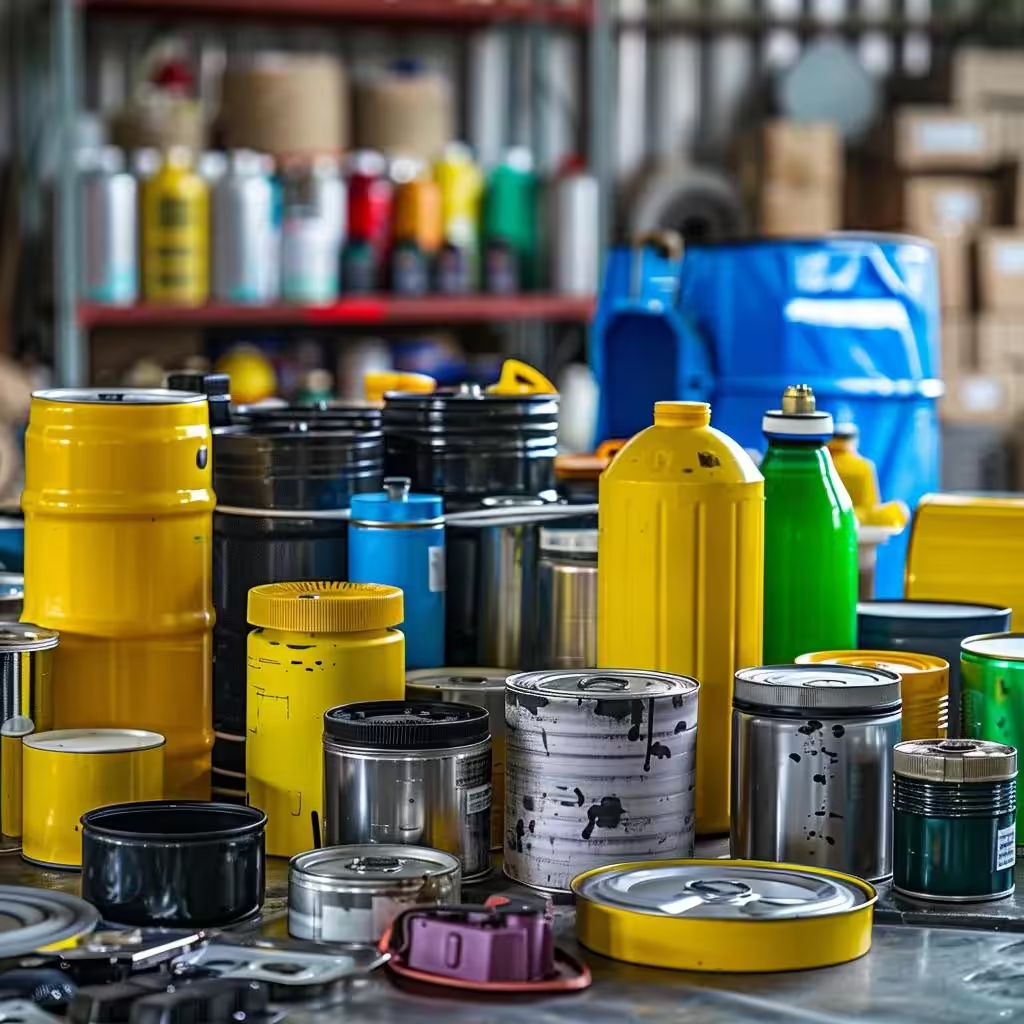
Hazardous waste refers to chemicals, paint cans, solvents, and asbestos-containing materials that can harm human health and ecosystems. These items must not go into regular trash or recycling. Certified hazardous waste facilities in Mecklenburg County use specialized containment and treatment protocols. Proper disposal prevents soil and water contamination and complies with EPA standards, safeguarding community health.
How Should White Goods and Electronic Waste Be Managed Post-Hurricane?
White goods and e-waste encompass refrigerators, air conditioners, televisions, and computers damaged by flooding or impact. Appliances often contain refrigerants and heavy metals that demand regulated handling. Homeowners should drain fluids, secure doors, and transport units to appliance recycling centers. Electronic waste drop-off events recover valuable metals and ensure safe disposal of circuit boards. Responsible management of white goods and electronics reduces landfill hazards and recovers reusable materials.
What Are the Essential Best Practices for Homeowners in Hurricane Debris Disposal?
Homeowners embarking on hurricane debris disposal must follow a structured approach: sort materials, secure safe handling, and choose compliant disposal methods. Implementing these steps reduces risk of injury, avoids regulatory fines, and speeds property recovery. For example, separating hazardous waste from general debris prevents cross-contamination and simplifies insurance documentation.
How to Sort and Prepare Debris for Curbside Collection or Drop-Off
- Separate by Category: Group vegetative debris, C&D waste, hazardous materials, and white goods.
- Bundle and Bag: Tie tree limbs under four feet; place leaves in approved biodegradable bags.
- Remove Fasteners: Detach nails, screws, and metal pieces from lumber and drywall.
- Label Hazardous Items: Clearly mark paint cans, solvents, and batteries for special pickup.
- Contact Services: Arrange curbside pickup with Charlotte Solid Waste or schedule a drop-off appointment.
Proper preparation prevents rejected loads and ensures materials enter correct recycling or disposal streams.
What Safety Precautions Should Homeowners Take During Cleanup?
Cleanup safety relies on choosing appropriate personal protective equipment and following safe handling protocols. Wear gloves, eye protection, sturdy boots, and dust masks to guard against cuts, flying debris, and inhalation hazards. Chainsaws and power tools require training and ear protection. Always shut off power before entering flooded areas and watch for downed power lines. These measures reduce injuries and prepare homeowners for efficient cleanup.
| Hazard | Recommended PPE | Safe Handling Protocol |
|---|---|---|
| Sharp vegetation | Cut-resistant gloves, boots | Trim branches from stump, avoid overhead cuts |
| Heavy construction | Steel-toe boots, hard hat | Use proper lifting techniques, get help for large pieces |
| Chemical exposure | Chemical-resistant gloves, goggles | Store in sealed containers, handle in well-ventilated area |
| Electrical hazards | Insulated gloves, safety boots | Verify power is off, keep water away from outlets |
Adhering to these precautions creates a safer cleanup environment and reduces the chance of fires.
Can You Burn Hurricane Debris and What Are the Alternatives?
Burning hurricane debris is prohibited within Charlotte city limits due to air quality regulations and fire risk. Instead, homeowners can chip vegetative waste for mulch, recycle C&D materials at dedicated drop-off sites, and deliver hazardous waste to certified facilities. Composting organic debris and participating in municipal recycling programs offer safe, eco-friendly alternatives that prevent pollution and fire hazards.
How Do Local Regulations in Charlotte, NC Affect Hurricane Debris Disposal?
Charlotte and Mecklenburg County enforce specific guidelines to ensure orderly collection and environmental protection. Understanding these regulations helps homeowners comply with schedules and avoid penalties. For instance, vegetative debris pickup follows set routes, while hazardous waste drop-off requires appointments at regional centers.
| Jurisdiction | Collection Type | Scheduling & Requirements |
|---|---|---|
| City of Charlotte | Vegetative & C&D | Curbside pickup by zones; materials must be separated |
| Mecklenburg County | Hazardous Waste | Drop-off by appointment; proof of residency required |
| Solid Waste Services | White Goods & E-waste | Scheduled bulk pickup or designated recycling events |
What Are Charlotte and Mecklenburg County’s Guidelines for Debris Collection?
Charlotte Solid Waste Services issues collection calendars by zone, outlining dates for vegetative and C&D debris pickup. Materials must be placed curbside by dawn, separated by type, and meet size restrictions. Bulk appliances require separate scheduling. Mecklenburg County operates a Household Hazardous Waste facility open Wednesday through Saturday for paint, batteries, and chemicals.
Where Are the Designated Drop-Off Sites for Hurricane Debris in Charlotte?
- Mallard Creek Recycling Center: 3501 Shopton Road – accepts C&D, vegetative, electronics
- Residential Recycling Drop-Off: 700 McDowell Street – accepts paper, plastic, metals
- Hazardous Waste Facility: 3312 Westmont Drive – by appointment only for chemicals and paints
How Do Local Ordinances Impact Hazardous Waste and White Goods Disposal?
Local ordinances prohibit mixing hazardous items with general trash and require certified transport for refrigerants and heavy metals. Homeowners must drain fluids from appliances and label containers before drop-off. Failure to follow these rules can result in fines and environmental harm, making adherence critical for community health and legal compliance.
How Does FEMA Support Hurricane Debris Removal and What Are the Eligibility Requirements?
FEMA’s Public Assistance program helps reimburse local governments and, in some cases, homeowners for eligible debris removal costs after a presidentially declared disaster. The program covers emergency cleanup to protect public health and safety, reducing the financial burden on communities.
What Is the FEMA Debris Removal Program and How Does It Work?
FEMA deploys public works grants to cover debris removal from public roadways, parks, and critical facilities. State and local governments apply through their emergency management agencies. FEMA provides up to 75% cost share for categories including vegetative, C&D, and hazardous waste clearance, ensuring swift restoration of essential services.
FEMA's Role in Disaster Debris Removal
FEMA’s Public Assistance program provides financial aid to state and local governments for debris removal after a presidentially declared disaster. This assistance covers a significant portion of the costs associated with clearing public areas and restoring essential services, thereby reducing the financial strain on communities affected by hurricanes and other natural disasters.
Federal Emergency Management Agency (FEMA), Public Assistance Program and Policy Guide (2024)
This research supports the article’s discussion of FEMA’s role in supporting hurricane debris removal efforts.
How Can Homeowners Apply for FEMA Public Assistance After a Hurricane?
Homeowners must first work through their local emergency management office, which submits damage assessments and debris removal requests to FEMA. Documentation of damages, invoices from contractors, and photographs of debris are essential. Once approved, homeowners or municipalities receive reimbursement for eligible expenses, easing financial recovery.
What Types of Debris Does FEMA Cover and What Are the Limitations?
FEMA covers debris that poses an immediate threat to public health or safety and debris removal from public rights-of-way. Covered categories include vegetative debris, C&D materials, and certain hazardous wastes. Appliances and personal property debris are generally not eligible unless they block public access. Understanding these limitations helps property owners plan cleanup and funding accordingly.
When and Why Should You Hire a Professional Hurricane Debris Removal Service?
Professional debris removal services combine safety, speed, and compliance, benefiting homeowners who face large volumes or complex materials. Trained crews handle hazardous waste, heavy machinery operation, and permit requirements, reducing liability and accelerating recovery.
What Services Does Nics Restoration Provide for Storm Debris Cleanup?
Nics Restoration offers comprehensive services:
- Emergency debris removal from residential and commercial properties
- Sorting, hauling, and disposal of vegetative, C&D, and hazardous waste
- Coordination with local authorities and FEMA documentation support
- Site monitoring, hazard mitigation, and final property walkthrough
What Are the Benefits of Professional Debris Removal Over DIY Cleanup?
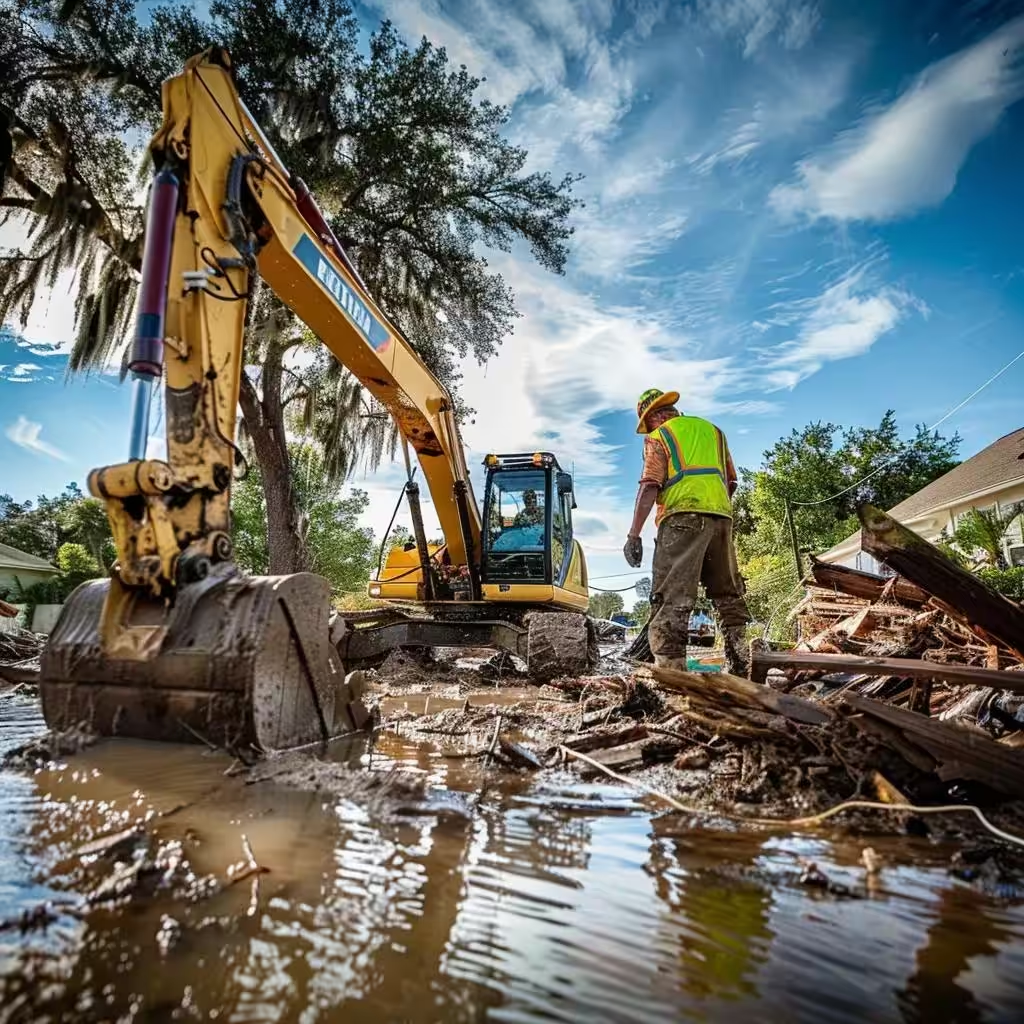
Hiring professionals improves safety by deploying trained crews with proper PPE and equipment. It streamlines compliance with local and federal regulations, avoids disposal rejections, and often qualifies for insurance and FEMA reimbursement. Professional teams complete large-scale removal faster, allowing homeowners to focus on rebuilding.
How to Choose a Reliable Debris Removal Company in Charlotte, NC?
- Local Licensing: Ensure compliance with Charlotte-Mecklenburg regulations.
- Insurance & Certifications: Confirm general liability, hazardous waste handling credentials, and OSHA training.
- Transparent Pricing: Obtain detailed estimates covering sorting, hauling, and disposal fees.
- Experience & References: Check for storm response case studies and customer testimonials.
- Coordination with Authorities: Verify the ability to manage permits and FEMA documentation.
How Can Hurricane Debris Disposal Impact Insurance Claims and Financial Recovery?
Insurance coverage for debris removal depends on policy terms and documented losses. Proper documentation and compliance with insurer requirements streamline claims and reduce out-of-pocket expenses.
What Documentation Is Needed for Insurance Claims Related to Debris Removal?
- Photos and Videos: Before, during, and after cleanup.
- Detailed Invoices: Itemized debris removal charges.
- Contracts or Agreements: Proof of hire for professional services.
- Official Reports: Damage assessments from local authorities or adjusters.
How Does Debris Removal Affect Coverage and Claim Approval?
Most homeowners policies cover debris removal up to a percentage of total dwelling coverage. Insurers verify that debris presented risk to structure or access. Timely, documented removal demonstrates loss mitigation, improving approval chances and reducing potential denial.
What Are Common Mistakes to Avoid When Filing Debris Removal Claims?
- Incomplete Documentation: Omitting before-and-after photos undermines claim validity.
- Mixing Debris Types: Failing to separate hazardous materials can lead to denial.
- Skipping Permits: Ignoring local permit requirements may void coverage.
- Delayed Cleanup: Allowing debris to decompose can raise dispute over causation.
What Are the Environmental Considerations and Recycling Options for Hurricane Debris?
Sustainable disposal reduces landfill strain and recovers valuable resources. By recycling materials, communities lower carbon footprints and support circular waste management practices.
How Can Vegetative and Construction Debris Be Recycled or Reused?
Organics can be chipped into mulch or composted to enrich soils. Untreated wood from C&D debris can be repurposed as biofuel or biomass feedstock. Even broken concrete can be crushed for fill material. These recycling pathways conserve resources and lessen environmental impact.
What Are the Environmental Risks of Improper Debris Disposal?
| Risk | Cause | Environmental Impact |
|---|---|---|
| Soil & Water Contamination | Hazardous liquids leaching | Pollutes groundwater, harms wildlife |
| Air Pollution | Open burning | Releases toxic particulates and CO₂ |
| Habitat Disruption | Uncontrolled dumping | Destroys native vegetation and habitats |
| Landfill Overcapacity | Mixed-waste disposal | Increases methane emissions and costs |
What Local Programs Support Sustainable Hurricane Debris Management in Charlotte?
Charlotte-Mecklenburg Solid Waste Services offers:
- Mulch Sales Program: Transforms chipping byproducts into free mulch for residents.
- Construction Material Reuse Network: Facilitates donation of clean C&D materials.
- E-Waste Recycling Events: Quarterly drop-off events for electronics and appliances.
After a hurricane, following these structured best practices for debris disposal ensures safety, compliance, and environmental responsibility. Proper sorting, adherence to Charlotte-Mecklenburg regulations, and leveraging FEMA assistance streamline recovery while minimizing financial burden. When debris volumes exceed manageable levels or involve hazardous materials, certified professionals like Nics Restoration provide rapid, reliable cleanup that protects families and businesses. By combining careful planning, expert services, and sustainable recycling, communities can emerge stronger and more resilient from storm impacts.