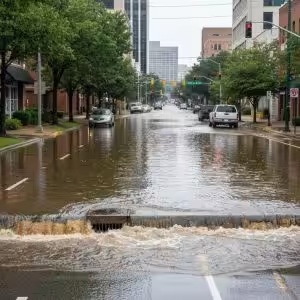
Hurricane Damage Assessment by Storm Damage Evaluation Experts in Charlotte, NC: Comprehensive Property Evaluation and Restoration Guidance

When a hurricane strikes Charlotte, property owners need a rapid, accurate Hurricane Damage Assessment to secure safety and insurance support. Nics Restoration’s storm damage evaluation experts provide thorough property evaluation, clear documentation, and a roadmap to full restoration. This guide explains what an assessment entails, the common damage types we check, our step-by-step inspection process, tips for navigating insurance claims, reasons to choose Nics Restoration, immediate post-storm actions, and solutions for homeowner concerns—with actionable insights from certified professionals.
What Is Hurricane Damage Assessment and Why Is It Essential?
Hurricane Damage Assessment defines the scope of property damage by inspecting structural, roofing, and water-related losses. This evaluation pinpoints hazards, guides repair planning, and strengthens insurance claims. For example, identifying hidden roof leaks early prevents mold and costly delays. Understanding each damage category ensures homeowners and businesses can restore pre-loss conditions safely and efficiently.
Hurricane Damage Assessment Importance
Hurricane damage assessments are crucial for identifying property damage, planning repairs, and supporting insurance claims. Early detection of issues like hidden roof leaks can prevent further damage and costly delays, ensuring homeowners can restore their properties efficiently and safely. For comprehensive solutions, you may want to explore storm damage restoration.
How Do Storm Damage Evaluation Experts Identify Property Damage?
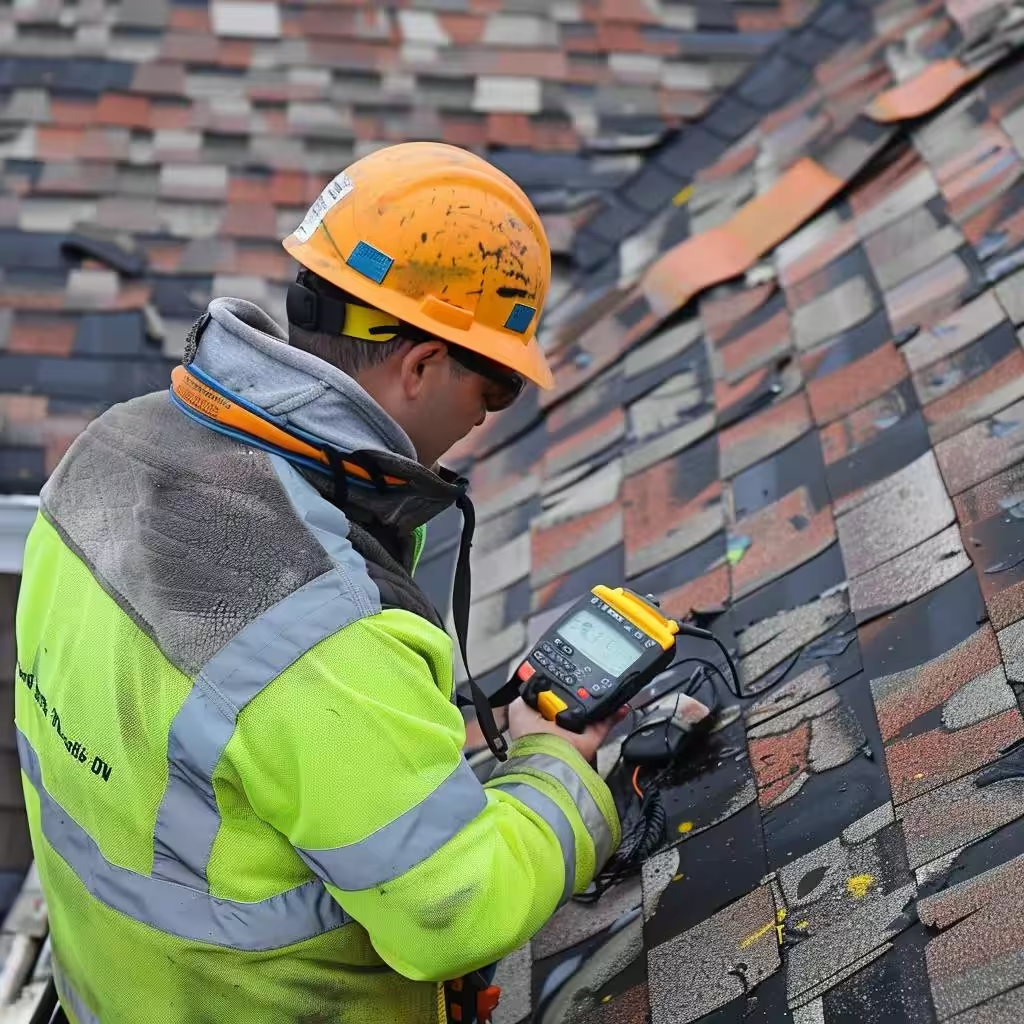
Storm damage evaluation experts inspect roofs, siding, windows, foundations, and interiors to detect impact, water intrusion, and structural compromise. They use visual scans, moisture meters, and infrared cameras to reveal hidden leaks and weakened materials, producing a precise damage inventory. This methodical approach lays the foundation for accurate quotes and effective restoration planning, seamlessly transitioning into the types of damage we assess.
What Types of Hurricane Damage Are Common in Charlotte, NC?
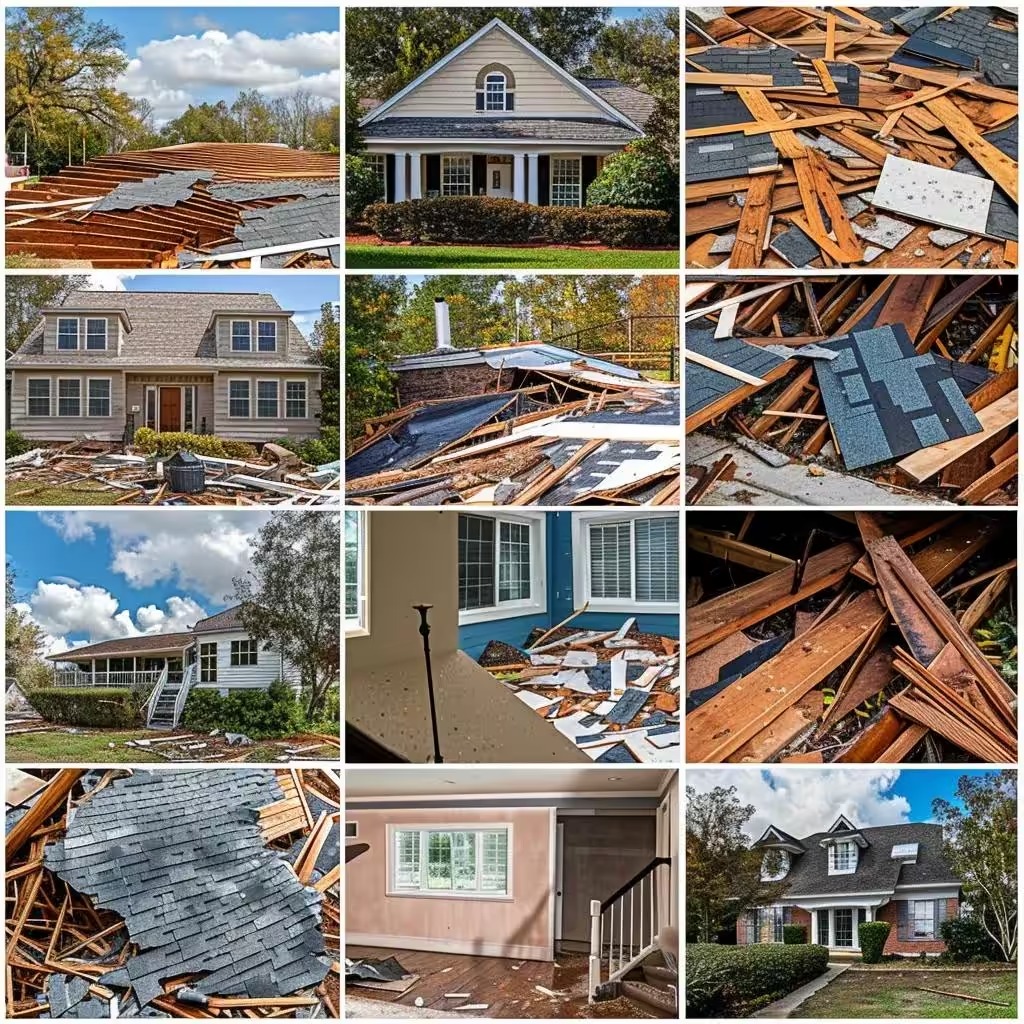
Charlotte properties often experience wind-driven roof shingle loss, siding detachment, window breakage, flooding in basements, and debris impact on exterior walls. Coastal storms can drive water under door thresholds and through crawl spaces, while inland rainstorms overwhelm gutters and downspouts. Recognizing these local patterns enables targeted repair that addresses both visible and concealed damage.
Types of Hurricane Damage
Common types of hurricane damage include wind-driven roof shingle loss, siding detachment, window breakage, and flooding. Coastal storms can drive water under doors and through crawl spaces, while inland rainstorms can overwhelm drainage systems, leading to various forms of damage.
How Does a Professional Assessment Protect Your Property and Insurance Claim?
A professional assessment protects property by documenting all damage with photos, moisture readings, and structural notes, creating an evidence trail that supports maximum insurance reimbursement. Expert reports clarify causation—wind versus water—and avoid claim disputes. This insurance-ready documentation fosters faster approvals and ensures restoration covers every affected element, leading naturally into the full range of damage categories we evaluate.
Which Types of Hurricane Damage Do Experts Evaluate?
Storm damage evaluation experts evaluate five main damage categories to deliver a comprehensive analysis: roofing, water intrusion, wind and hail impact, structural integrity, and debris-related harm. This classification guides focused inspection and repair strategies to restore safety and functionality.
| Damage Category | Key Attribute | Typical Signs |
|---|---|---|
| Roof Damage | Shingle Integrity | Missing shingles, lifted tabs, leaks |
| Water Intrusion | Moisture Levels | Elevated readings, mold growth |
| Wind & Hail Impact | Surface Deformation | Dented siding, broken windows |
| Structural Damage | Foundation Shifts | Cracks in walls, uneven floors |
| Debris Impact | Impact Point Damage | Holes, punctures, siding fractures |
How Is Roof Damage Assessed After a Hurricane?
Roof damage assessment begins with a visual perimeter survey to spot missing or broken shingles and damaged flashing. Technicians then climb onto the roof to inspect underlayment integrity, look for soft spots, and identify exposed sheathing. Infrared scans detect trapped moisture beneath shingles. This layered inspection ensures no leak point is missed and guides the next focus on water intrusion signs.
What Are the Signs of Water and Flood Damage Post-Hurricane?
Water and flood damage show as damp drywall, peeled paint, warped flooring, musty odors, and elevated moisture meter readings. Experts trace water pathways from entrances, roof leaks, and foundation cracks to locate hidden pockets of saturation. Early detection of these signs prevents mold colonization and structural weakening, which leads into evaluating wind and hail impacts on exterior surfaces.
How Do Experts Evaluate Wind and Hail Damage?
Wind and hail damage evaluation involves checking siding panels, window seals, and gutters for dents, splits, and displaced elements. Inspectors measure hail impacts’ depth and assess whether wind-driven debris caused penetrations. Damage severity is rated on an industry scale to determine repair versus replacement, while ensuring windows meet safety standards for hurricane-rated glass.
What Structural Damage Should Homeowners Watch For?
Structural damage assessment focuses on foundation cracks, bowing walls, compromised framing, and roof support integrity. Experts examine crawl spaces and basements for shifting piers and water-induced settlement. Detecting early signs of structural movement safeguards against collapse risks and informs reinforcement plans essential for full restoration.
What Is the Step-by-Step Hurricane Damage Assessment Process by Nics Restoration?
Nics Restoration follows a five-phase assessment process that ensures rapid response, thorough inspection, clear reporting, insurance support, and restoration planning. This structured approach maximizes accuracy and minimizes downtime for Charlotte property owners.
- Emergency Response Call – Clients reach our 24/7 hotline and provide incident details.
- On-Site Inspection – Certified experts conduct a detailed walk-through, capturing damage evidence.
- Report Generation – A photo-documented, itemized damage report is prepared for client and insurer.
- Insurance Liaison – Our team submits reports, negotiates with adjusters, and clarifies scope.
- Restoration Planning – We develop a full repair and rebuild plan, scheduling trades for efficient completion.
How Does 24/7 Emergency Response Support Immediate Damage Evaluation?
Nics Restoration’s 24/7 emergency response dispatches a storm damage evaluation expert within hours, preventing further loss from weather exposure. Rapid arrival secures the site through tarping or board-up, while beginning preliminary scans for moisture and structural risk. Immediate action mitigates escalation and accelerates full assessment.
What Happens During the On-Site Property Inspection?
During on-site inspection, specialists document damage categories—roof, water, wind, structural—using high-resolution photos, moisture meters, and infrared imaging. They record measurements, sketch damage locations, and collect notes for each affected area. This comprehensive inspection data becomes the backbone of the detailed damage report.
How Are Detailed Damage Reports Created and Used?
A detailed damage report compiles photographic evidence, measurement logs, and repair recommendations in a structured format for homeowners and insurers. It itemizes each repair task with cost estimates, timelines, and material specifications. Insurers use this report to validate claims, while restoration teams rely on it to execute precise repairs.
How Does Nics Restoration Assist with Insurance Claims?
Nics Restoration acts as a liaison between homeowners and insurance adjusters by submitting complete reports, clarifying technical details, and advocating for full coverage of storm-related losses. Our certified experts attend adjuster meetings, explain damage causation, and negotiate fair settlements to maximize client reimbursement.
What Are the Next Steps After Assessment for Full Restoration?
After assessment, our project managers finalize a restoration schedule, secure necessary permits, and coordinate trades—roofers, carpenters, plumbers—for streamlined repairs. Clients receive a stepwise timeline and regular progress updates, ensuring transparency and on-time project delivery that returns property to pre-loss condition.
How Can Homeowners Navigate Hurricane Damage Insurance Claims Successfully?
Homeowners can secure a favorable claim outcome by providing thorough documentation, understanding policy details, and working collaboratively with adjusters from the start. This proactive approach reduces processing delays and appeals.
What Documentation Is Needed for Storm Damage Insurance Claims?
Claims require proof of loss including date-stamped photos of damage, moisture readings, detailed repair estimates, contractor invoices, and the expert assessment report. This complete evidence package validates the scope and cost of necessary repairs, strengthening claim approval.
How Do You Work Effectively with Insurance Adjusters?
Effective coordination with adjusters involves sharing your detailed damage report, explaining technical findings, and being present during site visits to point out hidden damage. Promptly responding to adjuster inquiries and providing missing documentation prevents unnecessary claim denials.
What Are Common Challenges and How to Appeal Claim Denials?
Common challenges include disputes over damage causation and coverage limits. To appeal a denial, homeowners should submit a supplementary expert report, reference local building codes, and request a re-inspection. Persistent documentation and professional testimony often overturn incorrect denials.
How Does Nics Restoration Maximize Insurance Coverage for Clients?
By delivering comprehensive assessment reports, clarifying storm-related damage distinctions, and negotiating directly with insurers, Nics Restoration ensures policies pay for all eligible repairs. Our certified experts use industry standards to justify replacement costs and expedite settlements.
Why Choose Nics Restoration as Your Storm Damage Evaluation Experts in Charlotte?
Selecting Nics Restoration means partnering with a certified, locally owned restoration team backed by decades of experience. Our focus on precise assessment and insurance advocacy delivers faster recoveries and greater peace of mind.
What Certifications and Experience Do Our Experts Have?
Nics Restoration’s technicians hold IICRC certifications in water damage restoration, applied structural drying, and mold remediation. With over 20 years of combined local experience, our team recognizes Charlotte’s unique weather patterns and building practices.
How Does Our 24/7 Emergency Service Benefit You?
Our round-the-clock availability means help arrives when you need it most—night or weekend—preventing secondary damage from rain or wind exposure. Emergency tarping and board-ups secure your property until full repairs begin.
What Makes Our Damage Assessment Comprehensive and Reliable?
We combine visual inspection, moisture mapping, infrared scanning, and structural evaluation to uncover hidden issues that others miss. This multi-tool approach produces accurate damage inventories and prevents scope creep during restoration.
How Do Customer Testimonials Reflect Our Commitment?
Charlotte homeowners praise our clear communication, on-time project delivery, and insurance support. One local business owner noted, “Their detailed report helped me secure full coverage—no out-of-pocket costs.” Such feedback underscores our trust and reliability.
What Immediate Steps Should You Take After a Hurricane Hits?
After a storm, prioritizing safety and damage mitigation can reduce long-term losses. Immediate actions include securing your home, documenting damage, and contacting professionals before conditions worsen.
How to Conduct a Safe Initial Property Inspection?
First, ensure electricity and gas remain off. Wear protective gear and look for loose debris, downed power lines, and unstable structures. Photograph visible damage from a safe distance before entering any part of the building.
When Should You Contact Storm Damage Evaluation Experts?
Contact experts as soon as it is safe—ideally within 24 hours of the storm—so emergency tarping and inspection begin before rain or temperature changes exacerbate damage.
What Are Essential Board-Up and Temporary Repair Services?
Board-up services involve installing plywood over broken windows and doors to prevent intrusion. Temporary roofing tarps cover roof breaches to block water. These measures protect interiors and maintain property integrity until permanent repairs.
How to Prevent Mold and Further Damage After Water Intrusion?
Prompt water extraction and drying within 48 hours stops mold growth. Restoration specialists use industrial dehumidifiers and air movers to lower moisture levels, inspect behind walls, and apply antimicrobial treatments that safeguard indoor air quality.
What Frequently Asked Questions Do Homeowners Have About Hurricane Damage Assessment?
Homeowners often wonder about immediate actions, assessment timing, coverage limits, and service costs. Clear answers help set expectations and streamline recovery.
What Should I Do If My Roof Is Damaged by a Hurricane?
Immediately document missing shingles and leaks with photos, contact a storm damage evaluation expert for emergency tarping, and schedule a full roof inspection to prevent interior water damage.
How Long Does a Hurricane Damage Assessment Take?
A comprehensive assessment typically takes two to four hours, depending on property size and damage complexity, and includes documentation, moisture readings, and report preparation.
Does Homeowners Insurance Cover All Types of Hurricane Damage?
Most standard policies cover wind and water intrusion from roof or window breaches. Coverage for flooding requires a separate flood insurance policy. Reviewing your policy details ensures you have the proper protection.
How Soon Can Restoration Begin After Assessment?
Once the damage report is approved by your insurer—often within 24 to 72 hours—restoration work can start immediately. Emergency tarping or board-up services begin even sooner to secure your property.
Can I Get a Free Hurricane Damage Assessment Quote?
Nics Restoration offers a complimentary, no-obligation damage assessment quote. Simply call our 24/7 hotline or request an estimate online at nicsrestoration.com to get started.
For expert hurricane damage assessment and full storm damage restoration in Charlotte, NC, contact Nics Restoration today. Our certified storm damage evaluation experts are ready to secure your property, navigate insurance claims, and restore your home to its pre-loss condition with speed and precision.