Fire Damage Restoration: What Homeowners Must Do Next
When a fire occurs, homeowners face the daunting task of restoring their property while ensuring the safety of their loved ones. fire damage restoration charlotte nc professionals are increasingly sought after in these situations. Fire damage not only affects structures but also leaves behind hazards such as smoke, soot, and water damage from firefighting efforts—in such moments, it is wise to contact us for immediate assistance. Taking immediate, strategic actions is crucial to protect personal belongings, manage insurance claims, and regain normalcy. This article provides a step-by-step guide on actions to take after fire damage, explains the restoration process, outlines filing and managing insurance claims, advises on selecting a trustworthy restoration company, and offers tips for supporting the restoration process. By understanding each phase—from ensuring family safety to final inspections—homeowners can better handle both the disruption and the financial fallout.
Property damage from fire often has long-lasting effects that go beyond physical repairs. Homeowners must address immediate safety concerns and plan for long-term restoration needs by clearing hazards, documenting damage, and working with professionals who comply with building codes and insurance policy requirements. The sections below answer the most pressing questions following a fire.
Transitioning to recovery requires careful planning and clear understanding of what lies ahead. The information below is designed to empower homeowners with practical advice and professional insights for every step of the fire damage restoration process.
What Immediate Steps Should Homeowners Take After Fire Damage?
After a fire, the first priority is safety. Homeowners must act quickly to mitigate further damage, secure hazardous areas, and prepare for restoration.
How Can You Ensure Your Family’s Safety After a Fire?
Make sure all family members are safe. Evacuate immediately and do not re-enter the property until emergency responders declare it safe. Gather at a predetermined meeting spot, and seek shelter if necessary. Firefighters and paramedics will assess dangers like unstable flooring, toxic smoke, and electrical hazards to secure the site. Confirming everyone’s safety is essential before discussing any further restoration.
When and How Should You Contact Emergency Services and Your Insurance Company?
Immediately call emergency services at the first sign of a fire—even if the blaze seems under control. Once safety is confirmed, notify your insurance company. Early notification can speed up the claims process and help prevent delays. Provide detailed information about visible damage and any hazards. Record conversations and claim numbers, and if necessary, contact a fire damage attorney for guidance on navigating legal issues related to your policy.
What Is the Best Way to Document Fire Damage for Restoration and Claims?
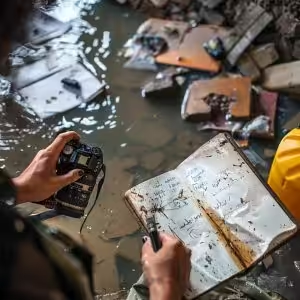
Document damage immediately using your smartphone or a camera. Take clear photos and videos of affected areas—including interior spaces, structural damage, and compromised personal belongings. Create an inventory list with descriptions, estimated costs, and conditions of damaged items. Additional documents such as receipts, warranties, or tax records support your claim, while independent reports from the fire department or an insurance adjuster reinforce your evidence.
How Does the Fire Damage Restoration Process Work?
Understanding the restoration process is essential for setting realistic expectations. Fire damage restoration is a systematic, step-by-step process starting with an assessment and ending with reconstruction. The process addresses both visible and hidden damages to ensure the home is safe and livable.
What Happens During a Fire Damage Assessment and Inspection?
After a fire, professionals conduct a detailed assessment of the property. This inspection determines the extent of structural damage, identifies hazardous areas, and catalogs salvageable items. Specialized equipment may be used to detect moisture, smoke residues, and compromised wiring. The findings form a work plan outlining short-term safety measures and long-term repairs, which is essential for both restoration and insurance claims.
How Is Debris Removal and Demolition Handled Safely?
Debris removal and demolition require careful planning due to hazardous remnants such as toxic soot, asbestos, and unstable materials. Qualified contractors follow strict safety procedures, use appropriate personal protective equipment (PPE), and adhere to local regulations for disposing of hazardous waste. Removing damaged materials safely helps prepare the site for cleaning and further restoration while reducing future complications.
What Are the Methods for Smoke and Odor Removal?
Even after a fire, smoke odor can persist, affecting indoor air quality. Restoration experts use methods such as thermal fogging, ozone treatments, and hydroxyl generators to neutralize smoke particles embedded in walls and fabrics. Specialized cleaning agents further remove residual odors. These treatments improve air quality and help reduce long-term health risks associated with smoke exposure.
How Is Water Damage From Firefighting Mitigated?
Water used to extinguish a fire can lead to additional damage, such as mold growth and weakened structures. Mitigation involves prompt water extraction using specialized equipment and dehumidifiers to control moisture levels. Effective water removal and drying prevent mold and structural issues, reducing complications for both restoration and insurance claims.
What Does Structural Repair and Reconstruction Involve?
Once debris is removed and water damage controlled, structural repairs and reconstruction begin. This phase involves repairing or replacing damaged walls, roofs, flooring, electrical, and plumbing systems. Work is performed according to building codes and often requires permits. Collaboration with architects, engineers, and local authorities ensures that the rebuilt structure is safe, energy-efficient, and meets current standards, despite temporary disruptions during the process.
How Are Personal Belongings Cleaned and Restored?
Restoring personal belongings—such as furniture, artwork, and sentimental items—requires specialized cleaning techniques. Textiles may be laundered or dry-cleaned to remove soot and smoke odors, while delicate items like electronics and photographs need careful handling by experts. Items that cannot be fully restored may be saved for parts or appraised for replacement. Documenting the condition and restoration process is crucial for insurance purposes.
How Do Homeowners File and Manage Fire Damage Insurance Claims?
Filing and managing insurance claims is a critical element of the restoration process. A well-organized claim can significantly expedite repairs.
What Are the Steps to Filing a Fire Damage Insurance Claim?
Begin by notifying your insurance provider within 24 hours of the incident. Document all damage with clear photos, videos, and a written inventory of items affected. Complete claim forms and include supporting documentation like receipts or repair estimates. An insurance adjuster will inspect the damage and verify your evidence before determining the claim value. Accuracy and prompt communication minimize delays or discrepancies that could reduce coverage.
How Can You Work Effectively With Your Insurance Adjuster?
Effective communication is key. Prepare a summary of damages and organize your documentation before meeting with the adjuster. Ask specific questions about coverage limits, repair timelines, and required documentation. A collaborative yet assertive approach can help ensure a fair assessment. If there are disputes or complexities, consider seeking a second opinion or the assistance of a fire damage attorney.
What Should You Know About Your Fire Damage Policy Coverage?
Review your policy details carefully. Know what types of damage are covered—from structural repairs to personal property losses and additional living expenses. Policies may differ in whether they pay the actual cash value or the replacement cost. Understanding any exclusions, especially regarding water or smoke damage, will help set realistic expectations and prevent surprises during negotiations.
How Much Does Fire Damage Restoration Typically Cost?
Costs vary based on damage extent and required services. Minor repairs may cost a few thousand dollars, while extensive reconstruction could reach tens of thousands. Costs depend on factors such as labor rates, materials used, and compliance with building codes. Obtaining detailed estimates from licensed contractors and comparing them with your insurance coverage will help you understand potential out-of-pocket expenses.
What Should Homeowners Look for When Choosing a Fire Damage Restoration Company?
Selecting a reputable restoration company is crucial for a smooth recovery.
What Are the Key Credentials and Certifications to Verify?
Verify that the company holds industry-recognized certifications (such as IICRC), proper licensing, and insurance coverage. Membership in professional associations and adherence to local and national safety standards are additional indicators of quality service. These credentials ensure that the company employs trained professionals who follow ethical and technical guidelines.
Which Questions Should You Ask Potential Restoration Contractors?
Ask about the company’s experience with fire and smoke restoration, including the scope of their services and turnaround times. Inquire about their debris removal methods, smoke odor elimination techniques, and processes for handling insurance claims. Request references from previous projects and details on warranties provided. Clear, detailed answers confirm the contractor’s expertise and reliability.
How Can Customer Reviews and Testimonials Help You Choose?
Customer testimonials and online reviews offer insights into a company’s reliability and quality of service. Look for consistent positive feedback regarding professionalism, timeliness, and effective claim handling. Recommendations from friends, neighbors, or local community members—in areas such as Charlotte, NC—can also reinforce your decision.
How Can Homeowners Prepare for and Support the Restoration Process?
Active involvement in the restoration process can help ensure a smoother recovery.
What Safety Precautions Should You Follow During Restoration?
Before work begins, ensure that the property is declared safe by professionals. Confirm that essential systems like electrical, gas, and water are inspected and secured. Use personal protective equipment (PPE) when entering damaged areas and restrict access to minimize risks. Following expert guidance and local authority recommendations helps reduce hazards and potential legal liabilities.
How Can You Organize and Protect Your Personal Belongings?
Early organization is key. Create a detailed inventory separating salvageable items from those that must be discarded. Use proper storage and clearly label items, documenting their pre-fire condition with photos and descriptions. This organization not only speeds up the insurance claim process but also helps preserve valuable and sentimental items during demolition and reconstruction.
What Are the Benefits of Hiring a Full-Service Restoration Provider?
A full-service restoration provider manages every aspect of the recovery process—from damage assessment and cleanup to structural repairs and personal property restoration. This streamlined approach reduces miscommunication, improves scheduling, and provides a single point of contact. Such providers often offer 24/7 emergency response and have established relationships with insurance companies, ensuring efficient claims handling and overall smoother recovery.
What Are Common Challenges and How Can Homeowners Overcome Them?
Recovery from fire damage often involves challenges such as persistent smoke odors, water damage leading to mold, and disputes with insurance companies. Recognizing these challenges and having strategies in place is essential.
How to Handle Smoke Odor That Persists After Cleanup?
Persistent smoke odor can affect indoor air quality even after cleaning. Restoration experts use methods like thermal fogging, ozone treatment, and specialized deodorizers to neutralize odor molecules. Continuous ventilation and air purifiers further help reduce lingering smells, ensuring a healthier indoor environment.
What Should You Do if Water Damage Causes Mold Growth?
Water from firefighting can lead to mold growth, which poses health risks and additional property damage. If you detect musty odors or visible mold, notify your restoration provider immediately. Early antifungal treatment, moisture control, and professional mold remediation—comprising assessment, containment, removal, and disinfection—are critical to prevent extensive mold damage.
How to Navigate Delays or Disputes in Insurance Claims?
Disputes or delays in insurance claims can add stress during recovery. Maintain detailed records of damage assessments, communications, and repair work. Regular follow-ups with your insurance adjuster and clear documentation can help expedite the process. If issues persist, consult a fire damage attorney or public adjusting firm to secure fair compensation.
Where Can Homeowners Find Additional Resources and Support After Fire Damage?
Accessing additional resources can ease the recovery process and provide much-needed support.
What Industry Organizations Provide Fire Damage Information and Assistance?
Several organizations offer guidance on fire damage restoration. Institutions like the Institute of Inspection, Cleaning and Restoration Certification (IICRC) and the National Fire Protection Association (NFPA) set industry standards and best practices. Local government agencies and fire departments also offer valuable resources on emergency response procedures and safety tips.
How Can Online Tools Like Checklists and Cost Estimators Help?
Online tools, including fire damage checklists and cost estimators, simplify the restoration process by guiding you through documentation, repair scheduling, and expense forecasting. Interactive questionnaires can tailor recommendations based on your specific situation, helping you prepare for discussions with contractors and insurance providers.
Why Are Customer Testimonials and Case Studies Important?
Hearing from others who have managed fire damage recovery can provide reassurance and practical advice. Testimonials highlight service quality and communication effectiveness, while case studies offer examples of how challenging issues were resolved. These insights can help you make informed decisions when choosing a restoration partner.
| Restoration Stage | Key Action | Benefit | Example/Result |
|---|---|---|---|
| Damage Assessment | Comprehensive inspection | Accurate repair planning | Detailed report by certified inspector |
| Debris Removal | Safe demolition and disposal | Minimizes hazards | Removal of toxic soot and debris |
| Smoke & Odor Removal | Thermal fogging and ozone treatment | Restores air quality | 80% reduction in persistent smoke odor |
| Water Damage Mitigation | Extraction and dehumidification | Prevents mold growth and structural damage | Reduced water-related deterioration |
| Structural Repairs | Rebuilding damaged areas | Ensures long-term safety and compliance | Reconstruction of fire-damaged walls |
The table above summarizes the essential stages in the fire damage restoration process. Each step is designed to restore your property to a safe, livable condition while ensuring efficiency and adherence to safety standards.
Frequently Asked Questions
Q: What immediate steps should I take after a fire? A: Evacuate immediately to ensure family safety, contact emergency services, and notify your insurance company. Document the damage with photos and videos, and secure the area until professionals declare it safe.
Q: How long does the fire damage restoration process typically take? A: The process can range from a few weeks to several months, depending on the severity of the damage. Major repairs and extensive reconstruction may extend the timeline, so maintaining communication throughout is important.
Q: How do I ensure that my insurance claim is handled effectively? A: Keep detailed documentation of damage including photos, videos, and inventories. Communicate clearly with your insurance adjuster and retain records of all correspondence. Consulting a fire damage attorney may be helpful if complications arise.
Q: What measures are taken to remove persistent smoke odors? A: Restoration professionals use thermal fogging, ozone treatment, and specialized cleaning agents designed to penetrate surfaces and fabrics, significantly reducing or eliminating smoke odors.
Q: Are there any health hazards related to fire damage restoration? A: Yes, fire damage can leave behind toxic residues such as soot and chemicals. Professional restoration teams use proper PPE and safe methods for debris removal and cleaning to minimize health risks.
Q: How can I choose the right fire damage restoration company? A: Look for companies with industry certifications (e.g., IICRC), proper licensing, and insurance coverage. Check customer testimonials and ask detailed questions about their restoration process and experience with handling insurance claims.
Q: What if water damage from firefighting leads to mold growth? A: If mold appears after firefighting, contact your restoration provider immediately for professional mold remediation. Early intervention with antifungal treatments and moisture control is essential to prevent further damage.
Final Thoughts
Fire damage restoration is a multifaceted process requiring swift action, accurate documentation, and coordinated efforts with qualified professionals. By prioritizing safety, working with reputable restoration companies, and carefully managing insurance claims, homeowners can restore their properties effectively. Understanding each phase—from damage assessment and cleanup to reconstruction and personal property restoration—helps in managing expectations and ensuring a successful recovery. This comprehensive approach minimizes long-term damage and provides peace of mind during a challenging time.