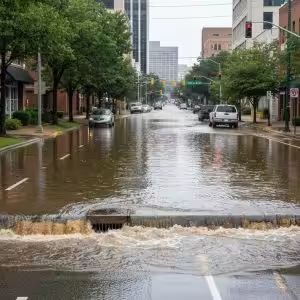
Hurricane Damage: Top Preventative Roof Maintenance Tips for Charlotte Homeowners and Business Owners
Each year, high winds and heavy rain threaten roofs across Charlotte, NC, leaving properties vulnerable to leaks, structural damage, and costly repairs. This guide explains how hurricane damage affects roofs, shares top preventative roof maintenance post hurricane season tips, outlines immediate post-storm actions, and highlights how Nics Restoration supports emergency roof repair and restoration. Homeowners and business owners will learn:
- How hurricane forces damage roofs in Charlotte
- The best pre-season maintenance routines
- Safe and effective post-hurricane roof assessment
- Nics Restoration’s rapid-response services
- Choosing a local, reliable contractor
- Commercial roof preparedness essentials
- Core questions about hurricane roof care
How Does Hurricane Damage Affect Roofs in Charlotte, NC?
Hurricane damage occurs when extreme wind, water intrusion, and flying debris compromise roof integrity, leading to leaks and weakened structures. These forces strip protective layers, saturate decking, and loosen fasteners. Understanding this damage mechanism helps Charlotte property owners prioritize preventative care and reduce restoration costs.
Hurricane Damage and Roof Integrity
Hurricanes can cause significant damage to roofs through high winds, water intrusion, and flying debris. These forces compromise the roof’s protective layers, leading to leaks and structural damage. Understanding these mechanisms is crucial for homeowners to prioritize preventative care and reduce restoration costs.
National Hurricane Center, “Understanding Hurricane Hazards” (2024)
This research provides a foundational understanding of how hurricanes impact structures, which is essential for the article’s discussion on roof damage.
What Types of Roof Damage Are Common During Hurricanes?
Hurricanes produce three main roof damage types that Charlotte roofs face every season.
| Damage Type | Attribute | Effect |
|---|---|---|
| Shingle Loss | Wind Uplift | Exposes underlayment to rain |
| Structural Deck | Water Intrusion | Causes wood rot and sagging |
| Debris Impact | Physical Penetration | Creates punctures and cracks |
These damage patterns reveal where maintenance and reinforcement deliver the greatest protection.
How Do Wind, Water, and Debris Impact Roof Structures?
Wind uplift tears away shingles and roof edges, water infiltration soaks decking and insulation, and debris collisions puncture membranes. Is your roof safe?
- Wind Forces: Generate uplift that pries off fasteners.
- Water Intrusion: Leads to mold growth and wood decay.
- Debris Impact: Produces holes that turn into leaks.
Preventative measures counter each threat and extend roof life.
Why Is Local Charlotte Weather and Building Code Important for Roof Protection?
Charlotte building codes require reinforced roof-to-wall connections and specific fastening patterns to withstand regional wind speeds. Local weather patterns include torrential downpours and gusts over 100 mph during storms. Compliance with these standards ensures roofs remain secured under hurricane loads and qualifies homeowners for insurance discounts.
What Are the Top Preventative Roof Maintenance Tips Before Hurricane Season?
Preventative roof maintenance post hurricane planning reduces damage risk by strengthening shingles, clearing water pathways, and reinforcing connections. Consistent upkeep extends roof lifespan and preserves property value. For more details, visit roof inspections and safety.
How Often Should You Schedule Professional Roof Inspections?
Homeowners should schedule professional roof inspections at least twice per year—once before hurricane season begins (June) and once mid-season (September). A licensed inspector identifies loose shingles, flashing gaps, and underlayment wear. Regular inspections prevent minor issues from becoming major repairs and maintain valid insurance coverage.
Importance of Professional Roof Inspections
Regular professional roof inspections are vital for identifying potential issues before they escalate. Inspections, ideally twice a year, can detect problems like loose shingles and flashing gaps, preventing minor issues from becoming major repairs and maintaining insurance coverage.
Insurance Institute for Business & Home Safety, “Hurricane Preparedness” (2023)
This source supports the article’s recommendation for regular roof inspections as a key preventative measure against hurricane damage.
How Do You Properly Clean Gutters and Downspouts to Prevent Water Damage?
To clear debris and ensure proper drainage, follow these steps:
- Wear gloves and safety glasses before removing leaves and sticks.
- Use a garden hose to flush downspouts and watch for blockages.
- Check gutter brackets for secure attachment.
- Apply sealant to small cracks.
- Test flow by running water at the highest gutter point.
Cleaning gutters prevents water pooling and attic leaks, protecting both roof and interior structures. Roof repair is crucial in maintaining the integrity of your home.
Why Is Tree Trimming Essential for Hurricane Roof Safety?
Trimming overhanging branches eliminates impact hazards and reduces debris accumulation.
- Limits branches that can strike shingles in high winds
- Prevents leaves from clogging gutters and downspouts
- Reduces shade that traps moisture on roof surfaces
- Cuts energy costs by improving roof ventilation
Well-maintained foliage minimizes both direct and indirect roof damage.
How Can You Secure Loose Shingles, Flashing, and Vents?
Loose roof components invite wind and water damage but can be stabilized by:
- Refastening shingles with wind-rated roofing nails.
- Sealing flashing edges with high-grade roof sealant.
- Tightening or replacing vent caps to prevent uplift.
- Inspecting ridge caps and re-cementing as needed.
Securing these elements reinforces the roof envelope against hurricane forces.
What Are the Benefits of Installing Hurricane Straps and Reinforcements?
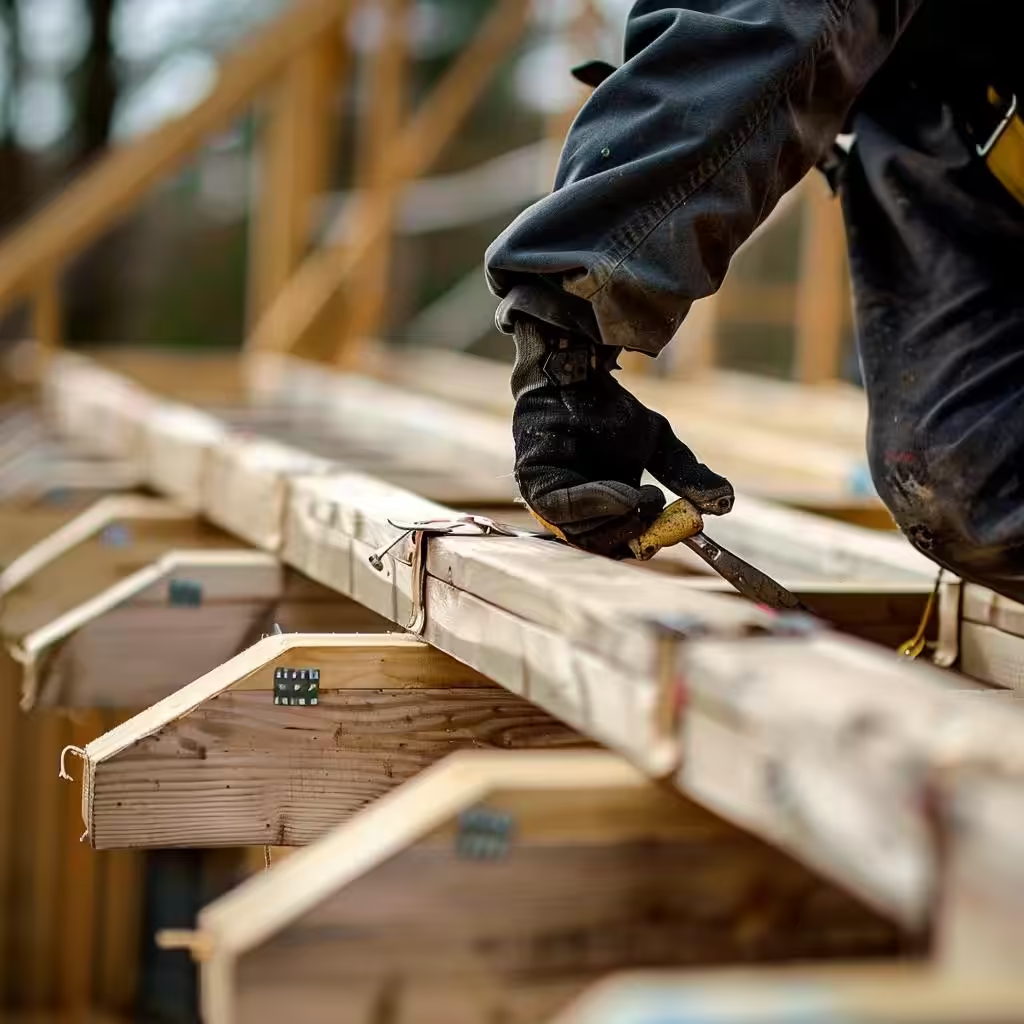
Hurricane straps tie roof trusses directly to wall plates, dramatically reducing uplift risk. Hurricane damage evaluations are crucial for ensuring the safety and longevity of their structure.
| Reinforcement | Attribute | Benefit |
|---|---|---|
| Metal Hurricane Strap | Connection Strength | Up to 50% greater wind uplift resistance |
| Secondary Water Barrier | Underlayment Protection | Prevents water intrusion under shingles |
These structural ties protect roof framing during extreme gusts and decrease insurance premiums.
Which Hurricane-Resistant Roofing Materials Should You Consider?
Choosing durable materials enhances resistance to wind and impact.
| Material | Feature | Advantage |
|---|---|---|
| Impact-Resistant Shingles | Reinforced fiberglass mat | Withstands hail and flying debris |
| Metal Roofing | Interlocking panels | Offers high wind uplift resistance |
| Concrete Tile | High mass and interlock | Provides superior durability |
Upgrading to these materials substantially lowers the chance of roof failure during hurricanes.
What Should You Do Immediately After a Hurricane to Protect Your Roof?
After a storm, quick action prevents secondary damage and preserves structural integrity. Prioritizing safety and initial assessment sets the stage for effective repairs.
How Do You Prioritize Safety During Post-Hurricane Roof Assessment?
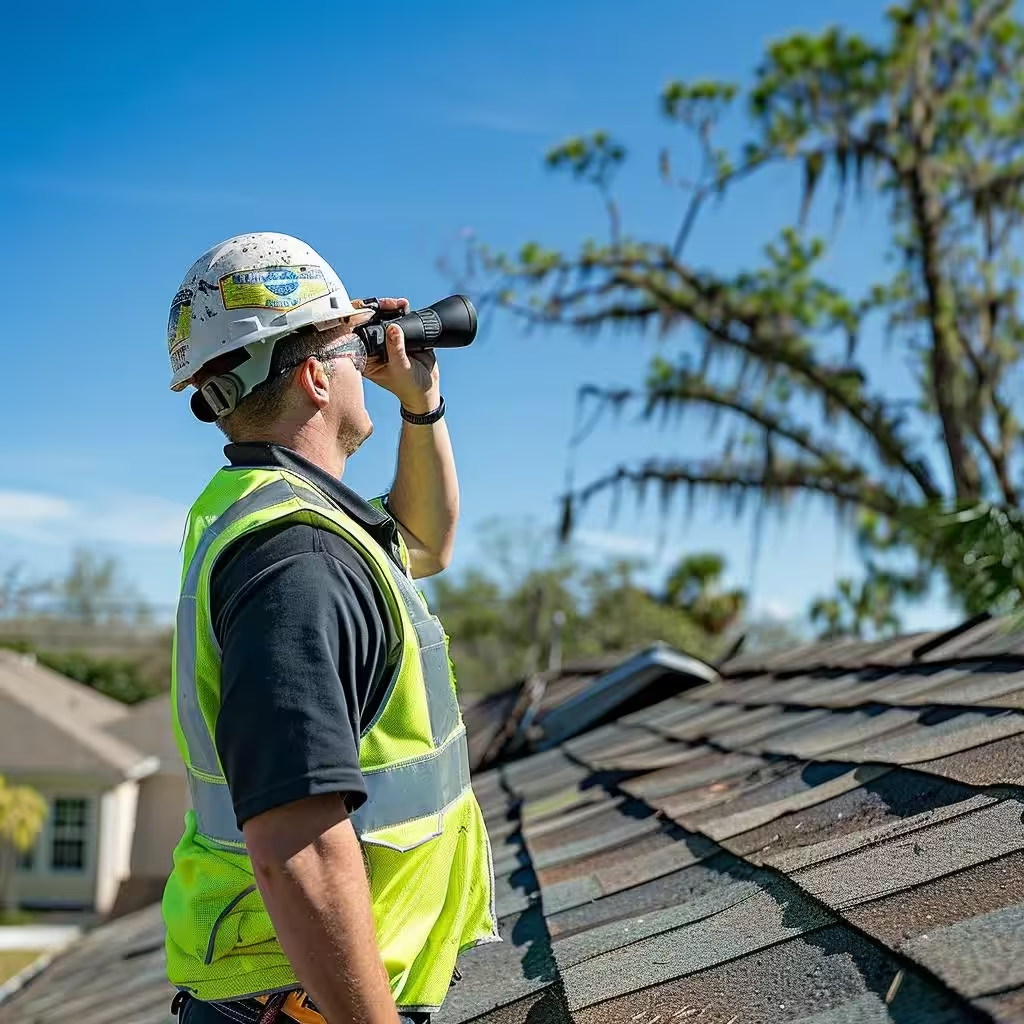
First, confirm power lines are clear and avoid walking on wet or unstable roofing. Check for loose debris and wear protective gear. Prioritizing safety reduces risk of injury and informs the scope of further inspection.
What Are the Key Steps for a Ground-Level Visual Roof Inspection?
From a safe distance, look for missing shingles, sagging rooflines, and pooling water. Scan the perimeter for loose flashing or fallen debris. Noting these visible signs guides targeted repairs without climbing onto the roof immediately.
When and How Should You Use Temporary Roof Tarping?
Temporary roof tarping seals exposed areas to block rain intrusion until permanent repair. Place a heavy-duty tarp over damaged sections, secure edges with 2×4 wood strips and roofing nails, and overlap seams by at least 12 inches. For professional emergency roof tarping services, contact Nics Restoration for rapid installation and secure sealing.
How Can You Document Roof Damage for Insurance Claims?
Photograph all damage from multiple angles, label images by date and location, and keep detailed notes on affected areas. This documentation provides clear evidence during claim submission and speeds up insurer approval when combined with professional inspection reports.
How Can Nics Restoration Help with Emergency Roof Repair and Restoration in Charlotte?
Nics Restoration delivers rapid-response solutions and full storm damage restoration to protect Charlotte properties. Their certified teams handle immediate stabilization and complete restoration with minimal disruption.
What Emergency Roof Repair Services Does Nics Restoration Provide?
- 24/7 rapid-response tarping to stop leaks
- Temporary board-up for compromised areas
- Leak detection and patch repair
- Shingle replacement and flashing resealing
These services stabilize roofs, preventing interior water damage and mold growth. For more information, you can visit our home damage restoration page.
How Does Nics Restoration Handle Comprehensive Storm Damage Restoration?
- Water extraction and structural drying
- Mold remediation and dehumidification
- Fire and smoke damage repair
- Full roof replacement and framing repair
This integrated approach restores both roof and interior, saving time and coordinating all trades under one expert roof.
How Can Nics Restoration Assist with Insurance Claims for Hurricane Roof Damage?
Nics Restoration documents pre- and post-repair conditions, generates detailed estimates, and liaises directly with adjusters. Their support ensures accurate claim valuation and reduces delays, maximizing recovery for Charlotte homeowners and business owners.
How Do You Choose a Reliable Roofing Contractor for Hurricane Damage in Charlotte?
Selecting a local expert ensures compliance with Charlotte codes, rapid response, and quality workmanship. A trustworthy contractor combines credentials, experience, and community reputation.
What Credentials and Experience Should You Look for in a Contractor?
Verify the contractor holds a North Carolina general contractor license, carries liability insurance, and employs certified roof inspectors. Experience with past Charlotte storms demonstrates proven restoration success.
Why Is Local Charlotte Expertise Important for Hurricane Roof Repairs?
Local experts know city building codes, have relationships with material suppliers, and can deploy crews quickly. This familiarity accelerates repair times and ensures work meets municipal inspection standards.
How Can Customer Reviews and Case Studies Help You Decide?
Reading detailed testimonials and project case studies highlights contractor reliability, work quality, and customer satisfaction. Positive feedback from nearby neighborhoods builds confidence in hiring decisions.
What Are the Best Practices for Commercial Roof Hurricane Preparedness and Maintenance?
Commercial roofs differ from residential structures in size, materials, and drainage. Effective maintenance focuses on large-scale membrane care and structural reinforcement.
How Does Commercial Roof Maintenance Differ from Residential?
Commercial roofs use flat or low-slope membranes, requiring regular seam inspections and ponding water removal. They demand specialized equipment and safety protocols for rooftop units and large surface areas.
What Preventative Measures Are Essential for Commercial Buildings?
- Inspect membrane seams and flashing monthly
- Reinforce parapets and copings with metal straps
- Ensure rooftop drains and scuppers remain clear
- Apply reflective coatings to protect against UV damage
These steps protect large-scale roofing systems from wind uplift and water accumulation.
How Can Emergency Restoration Services Support Commercial Properties Post-Hurricane?
Rapid-response teams perform emergency water removal, temporary membrane patching, and structural bracing. This immediate action limits business downtime and protects critical assets until full repairs can begin.
What Are the Most Frequently Asked Questions About Hurricane Roof Maintenance and Damage?
Charlotte property owners often seek clear guidance on preparing, inspecting, and repairing roofs around hurricane events. The following common concerns highlight essential best practices and realistic expectations.
How Do You Prepare a Roof for a Hurricane?
To prepare a roof for a hurricane, schedule a professional inspection, clean gutters, trim overhanging limbs, secure loose shingles and flashing, and install hurricane straps. These actions minimize wind uplift and water intrusion during the storm.
What Should You Do With Your Roof After a Hurricane?
After a hurricane, prioritize safety, conduct a ground-level visual scan for missing shingles and leaks, photograph damage, apply temporary tarping, and call professionals for a comprehensive assessment.
Is There Such a Thing as a Hurricane-Proof Roof?
No roof is completely hurricane-proof, but materials like metal panels, impact-resistant shingles, and reinforced underlayment paired with structural straps greatly enhance resistance to wind and debris.
How Often Should You Inspect Your Roof After a Storm?
Inspect your roof within 24–72 hours after the storm, then again in three to six months. Early checks catch damage before water infiltration causes hidden rot or mold growth.
How Can You File an Insurance Claim for Hurricane Roof Damage?
Document all damage with photos and notes, secure repair estimates, submit timely claim forms, and work with professionals like Nics Restoration who provide detailed reports and adjuster coordination to support your claim.
Charlotte’s hurricane seasons demand proactive maintenance and reliable restoration partners. By following these preventative roof maintenance post hurricane tips and teaming with Nics Restoration for emergency support, homeowners and business owners can protect their properties, preserve value, and recover quickly when storms strike. Schedule a professional roof inspection today to safeguard your home or commercial building before the next storm arrives.