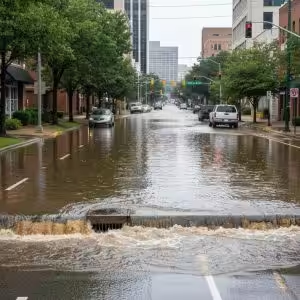
Understanding the Timeline: How Long Does It Typically Take to Repair Significant Hurricane Damage?

After a major hurricane, many homeowners and business owners ask: how long does it typically take to repair significant hurricane damage? This article explains average repair durations, key influencing factors, insurance-claim steps, and practical tips for Charlotte, NC property owners. It maps out the four main restoration phases, explores how severity and insurance impact timelines, provides specific timelines for roof, flood, structural, and mold repairs, offers pre-storm preparedness strategies, and highlights why Nics Restoration’s 24/7 services accelerate recovery.
What Are the Main Phases of Hurricane Damage Restoration and Their Typical Durations?
Hurricane damage restoration unfolds in four core phases that guide project planning from initial response to final inspection. Each phase varies by scope and severity—from urgent safety measures to cosmetic finishing—so a typical full-scale repair can range from two weeks to several months.
The following table outlines each restoration phase with its typical duration and key activities.
| Phase | Duration | Key Activities |
|---|---|---|
| Immediate Response & Assessment | 24–72 hours | Safety checks, board-ups, tarping, initial damage documentation |
| Water Extraction & Structural Drying | 1–2 weeks | Floodwater removal, dehumidification, moisture mapping |
| Structural Repairs & Reconstruction | 2–12+ weeks | Roof repair, framing, electrical, plumbing, drywall |
| Finishing Touches & Final Inspection | 1–3 weeks | Painting, flooring, trim, building department sign-off |
Durations depend on property size, damage severity, and permitting. Understanding these stages helps owners plan logistics and financing before reconstruction begins.
What Happens During Immediate Response and Damage Assessment?
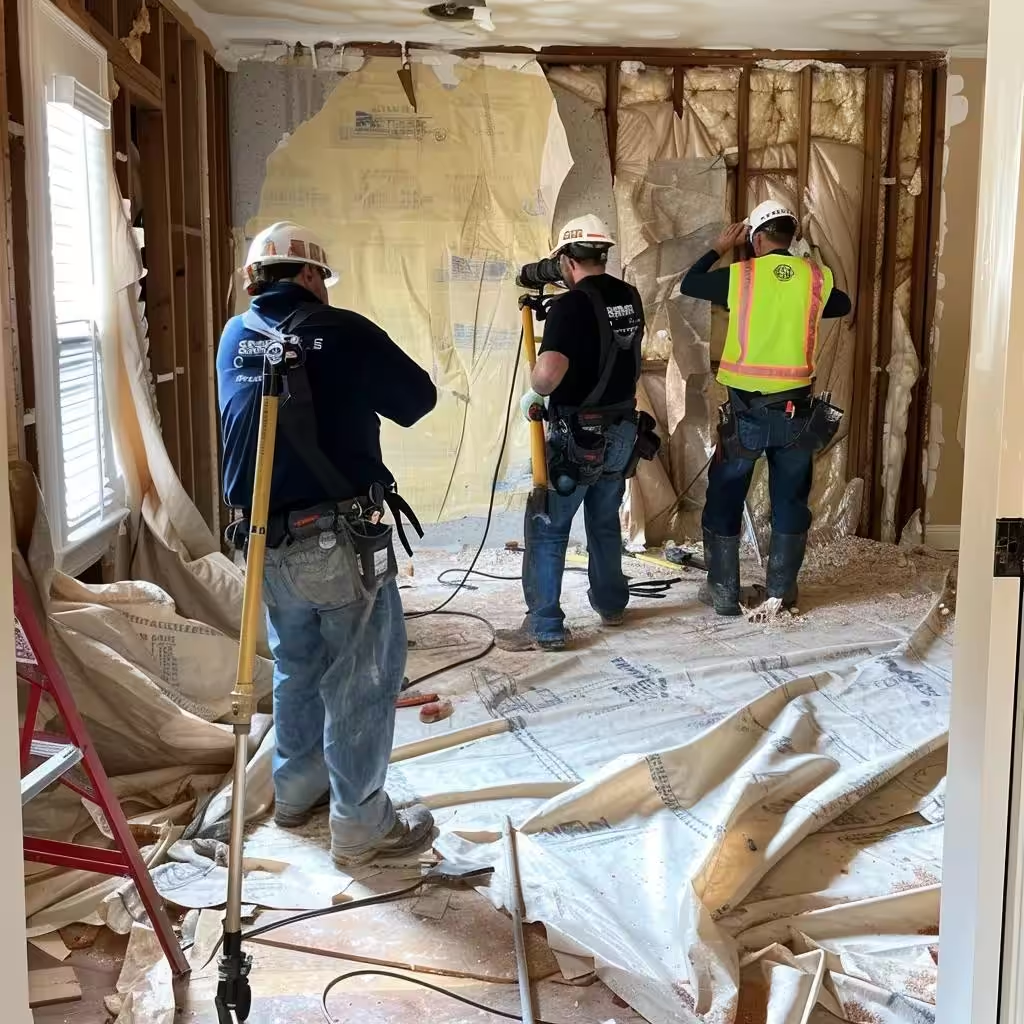
Immediate response and damage assessment begins within 24 to 72 hours after a hurricane strikes, focusing on safety, stabilization, and accurate documentation. Technicians walk through the property to spot hazards, secure openings with board-ups or tarps, and photograph damage for insurance purposes. This rapid action prevents further water intrusion and theft.
Key steps in this phase include:
- Conducting structural safety inspections to identify unstable walls or ceilings.
- Installing temporary tarping or boarding over broken windows and damaged roofs.
- Documenting damage with photos and a detailed condition report.
- Securing utilities—shutting off gas, electricity, and water to reduce risk.
How Long Does Water Extraction and Structural Drying Usually Take?
Water extraction and structural drying usually take one to two weeks for moderate flooding, but can extend to three weeks if walls or subfloors are saturated.
High-capacity pumps, industrial air movers, and dehumidifiers work together to remove standing water and reduce humidity below 40 percent. Moisture meters confirm when structural components are dry enough for reconstruction.
Key factors in moisture remediation:
- Extent of flooding under flooring and behind walls.
- Speed and capacity of extraction equipment.
- Ambient temperature and outdoor humidity.
- Mold-prevention treatments applied during drying.
What Is the Timeline for Structural Repairs and Reconstruction?
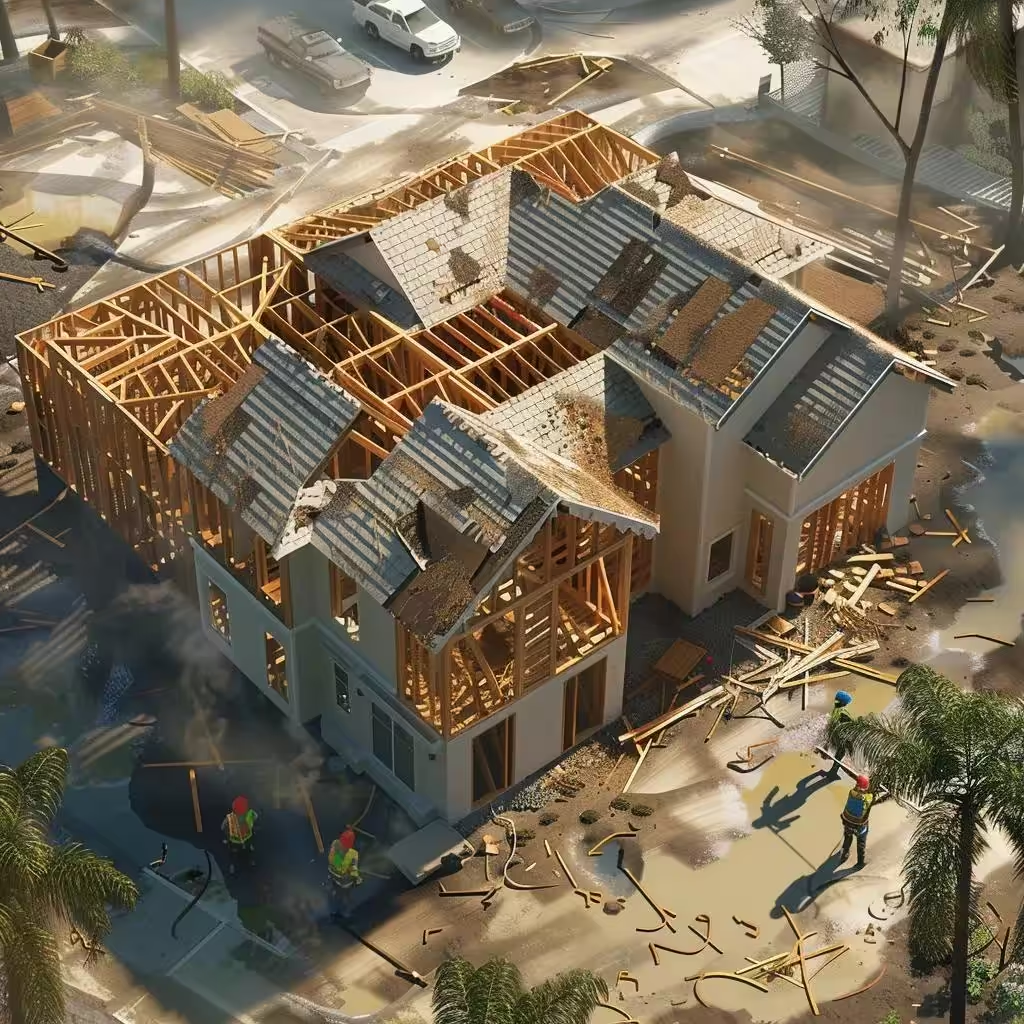
Structural repairs and reconstruction typically span two to twelve weeks, depending on damage complexity and scope. Reconstruction covers framing, roofing, exterior siding, and essential systems like electrical and plumbing. Severe structural failures—such as collapsed roofs or compromised foundations—can extend this phase to several months.
A clear breakdown of common tasks:
- Roof replacement or repair: 1–4 weeks
- Wall framing and drywall installation: 2–6 weeks
- Electrical rewiring and plumbing replacement: 1–3 weeks
- Exterior siding and window installation: 1–3 weeks
Proper permitting and inspections often occur between steps, ensuring code compliance and long-term safety before finishing touches.
How Long Do Finishing Touches and Final Inspections Require?
Finishing touches and final inspections require one to three weeks to complete painting, flooring, trim installation, and final building department approvals. Contractors install cabinetry, lay new flooring, paint walls, and add hardware before arranging a walk-through with inspectors. Once inspectors sign off, the space is ready for occupancy.
Typical finishing sequence:
- Painting walls and ceilings: 2–5 days
- Flooring and trim installation: 3–7 days
- Final cleaning and punch-list completion: 2–4 days
- Building department final inspection: 1–3 days
Which Key Factors Influence the Duration of Hurricane Damage Repair?
Repair timelines vary widely based on a combination of damage severity, insurance processes, resource availability, permitting, and local regulations. Even identical properties can have vastly different schedules when these factors interact.
Below is a list of the most influential factors in repair duration:
- Damage Severity: Extensive structural collapse adds weeks to repairs.
- Insurance Claim Process: Delays in claim approval can pause repairs.
- Contractor Availability: High local demand after storms limits crews.
- Permitting & Inspections: Municipality backlogs can extend timelines.
- Material Shortages: Supply chain issues delay critical components.
These factors often overlap, so proactive planning and expert coordination help minimize their combined impact on total recovery time.
How Does Damage Severity Affect Repair Timelines?
Damage severity directly extends repair timelines because severe structural failures require custom rebuilds rather than simple patching. Minor roof leaks take days to fix, while collapsed trusses demand engineering plans, foundation work, and multi-stage inspections.
Typical duration by severity level:
| Severity Level | Scope of Work | Estimated Duration |
|---|---|---|
| Minor | Surface repairs, tarping, paint touch-ups | 1–2 weeks |
| Moderate | Sectional roof repair, partial framing | 3–6 weeks |
| Severe | Full roof replacement, framing rebuild | 8–16+ weeks |
Understanding this scale helps set realistic expectations and guides insurance budgeting.
What Role Does the Insurance Claim Process Play in Repair Duration?
The insurance claim process can add two to eight weeks before repairs begin, depending on how quickly claims are filed, documented, and approved. Insurers typically have 14 days to acknowledge a claim and 30–90 days for approval in most states. Delays occur if documentation is incomplete or damage assessments differ.
Key claim milestones include:
- Filing the claim with initial photos and damage inventory.
- Insurance adjuster inspection and scope agreement.
- Estimate negotiation and approval of repair costs.
- Issuance of initial payment or funds hold.
Nics Restoration assists by providing detailed documentation and direct communication with adjusters to accelerate approvals and reduce repair downtime.
How Do Contractor Availability and Permitting Affect Repair Speed?
High demand for skilled labor and permit backlogs can extend the structural repair phase by several weeks. After a major storm, local contractors may be booked for months, while building departments experience surges in permit applications.
Common impacts:
- Scheduling delays for roofing and framing crews.
- Extended wait times for electrical and plumbing inspections.
- Priority given to emergency repairs over cosmetic work.
Booking qualified contractors and obtaining expedited permits where possible streamlines the timeline and avoids project bottlenecks.
Can Material Shortages or Local Regulations Extend Repair Time?
Material shortages—especially for roofing shingles, drywall, or structural lumber—can delay work by one to four weeks. Local regulations, such as new building code updates post-storm, may require upgraded materials or additional inspections before final sign-off.
Examples of regulatory impacts:
- Updated wind-load requirements for coastal construction.
- Mandated mold-resistant gypsum board in flood zones.
- New energy-efficiency standards affecting window replacements.
Awareness of local code changes and early procurement of critical supplies reduce the risk of last-minute delays.
How Can Homeowners and Business Owners Navigate the Hurricane Insurance Claim Timeline?
Navigating the insurance claim timeline efficiently can shave weeks off repair start times. Understanding filing deadlines, adjuster processes, and payment schedules empowers property owners to keep projects moving forward.
What Are the Deadlines for Filing and Acknowledging Hurricane Insurance Claims?
Most insurance policies require claims to be filed within 30 days of loss, with adjusters required to acknowledge within 10–14 days. Early notification ensures faster inspections and minimizes disputes over eligibility.
Key deadlines to track:
- Claim filing window: 14–30 days post-damage.
- Acknowledgment period: 10–14 days after filing.
- Supplemental claims: Within policy period after initial payment.
Meeting these deadlines preserves coverage and speeds access to funds for restoration.
How Long Does the Adjuster Assessment and Approval Process Take?
Adjuster assessments typically occur within one to three weeks after acknowledgment, with approval taking an additional two to four weeks. Providing clear documentation and access to damaged areas helps adjusters finalize reports quickly. For more information on services, visit our service.
Assessment steps include:
- On-site inspection and damage scope determination.
- Preparation of estimate based on industry pricing.
- Review of coverage limits, deductibles, and exclusions.
- Approval or request for additional documentation.
Working with a restoration company like Nics Restoration ensures accurate scopes that align with insurer guidelines.
When Can You Expect Insurance Payments and Settlements?
Initial insurance payments often arrive two to six weeks after approval, while final settlements—covering supplements or additional repairs—may take another four to eight weeks. Timely invoicing by contractors and clear communication of supplemental work helps close out claims faster.
Payment phases:
- Initial advance payment for emergency mitigation.
- Progress payments tied to reconstruction milestones.
- Final settlement after project completion and inspection.
Proactive follow-up with adjusters and submission of contractor invoices prevents funding gaps that stall work. For more information, visit our our service page.
How Does Nics Restoration Assist with Insurance Claims and Timelines?
Nics Restoration streamlines claims by generating detailed damage reports, coordinating adjuster visits, and submitting accurate estimates. Our team tracks deadlines, communicates with insurers on your behalf, and leverages relationships to resolve disputes quickly. This hands-on support accelerates claim approval, ensuring restoration crews can begin work without avoidable delays.
What Are Typical Repair Timelines for Specific Types of Hurricane Damage?
Different damage types follow distinct repair schedules based on scope and industry best practices. Knowing average durations helps owners prioritize repairs and plan occupancy.
Below is a comparison of common damage types, their average repair timelines, and typical contractor tasks.home restoration
| Damage Type | Average Duration | Typical Contractor Tasks |
|---|---|---|
| Roof Repair | 1–4 weeks | Shingle replacement, deck repair, flashing |
| Flood Damage Restoration | 1–3 weeks | Water extraction, drying, mold prevention |
| Structural Damage Repair | 4–12+ weeks | Framing, foundation repair, load-bearing reinforcement |
| Mold Remediation | 1–2 weeks | Containment, removal, HEPA filtration |
Repair durations vary by property size and damage extent, so these figures serve as general benchmarks for planning.
How Long Does Roof Repair Take After a Hurricane?
Roof repair takes one to four weeks, depending on damage severity, roof complexity, and material availability. Simple shingle replacement on a small home may finish in five days, while full deck replacement on a multi-story building can take up to a month.
Key roof repair steps:
- Temporary tarping and board-up (1–2 days)
- Tear-off and deck inspection (1–3 days)
- Installation of underlayment and new shingles (2–7 days)
- Flashing and gutter restoration (1–3 days)
Prompt assessment and early material ordering reduce scheduling gaps.
What Is the Average Duration for Flood Damage Restoration?
Flood damage restoration typically requires one to three weeks for water extraction, structural drying, and initial repairs. Homes with accessible basements or crawl spaces may dry faster, while water trapped under flooring extends drying by several days. For professional help, you can visit our water damage restoration services.
Core flood-restoration activities:
- High-capacity water removal (1–3 days)
- Air-movement and dehumidification (5–10 days)
- Microbial control and sanitization (1–3 days)
Completing drying before reconstruction prevents mold proliferation and ensures lasting repairs.
How Long Does Structural Damage Repair Usually Last?
Structural damage repair usually spans four to twelve weeks for moderate to severe failures. Repairing load-bearing walls, beams, and foundations often involves staged inspections and specialized subcontractors.
Structural repair stages:
- Engineering assessment and plan submission (1–2 weeks)
- Framing and foundation work (2–6 weeks)
- Utility rerouting and rough-in inspections (1–3 weeks)
- Drywall, insulation, and preliminary finishes (1–2 weeks)
Complex structural rebuilds require careful coordination to maintain overall project momentum.
What Is the Mold Remediation Timeline Following Water Intrusion?
Mold remediation takes one to two weeks for moderate infestations, including containment, removal, and post-treatment drying. Early intervention during structural drying often prevents mold spread and reduces remediation time.
Mold remediation workflow:
- Containment setup with negative-air machines (1 day)
- Removal of affected materials (2–4 days)
- HEPA vacuuming and antimicrobial treatment (2–3 days)
- Post-remediation clearance testing (1–2 days)
Addressing mold promptly safeguards health and avoids costly rebuilds later.
How Can You Prepare to Minimize Hurricane Damage and Shorten Repair Timelines?
Proactive steps before a storm can reduce damage severity and accelerate recovery. Simple preparations strengthen your property and help restoration crews work more efficiently after the event.
What Pre-Storm Preparations Help Reduce Damage Severity?
Pre-storm preparations that minimize damage include trimming trees, reinforcing garage doors, and installing hurricane shutters. Securing loose outdoor items and clearing gutters also prevents project delays from debris removal.
Key actions to take:
- Prune overhanging branches near the roof.
- Anchor outdoor furniture and equipment.
- Install impact-rated shutters or plywood boards.
- Seal gaps around windows and doors with weatherstripping.
Which Storm-Resistant Building Materials Improve Recovery Speed?
Using storm-resistant materials—such as impact-rated windows, metal roofing, and fiber-cement siding—reduces repair needs after a hurricane and simplifies inspections. These materials often qualify for expedited permits under upgraded building codes.
Recommended materials:
- Class 4 impact-rated shingles or metal panels.
- Laminated glass windows with reinforced frames.
- Fiber-cement siding for wind resistance.
- Pressure-treated decking and foundation anchors.
How Do Local Charlotte, NC Building Codes Affect Repair and Prevention?
Charlotte, NC enforces specific wind-load requirements and flood-zone regulations that influence repair methods and materials. Updated codes may mandate secondary water barriers, elevated utilities in flood zones, and reinforced roof assemblies.
Local code highlights:
- Minimum 140 mph wind-load standards in coastal counties.
- Floodplain elevation requirements for new construction.
- Mandatory impact-resistant glazing in designated zones.
Understanding these rules ahead of storms ensures compliance and avoids rework during inspections.
Why Choose Nics Restoration for Efficient Hurricane Damage Repair in Charlotte, NC?
Nics Restoration combines local expertise, 24/7 emergency response, and a full suite of restoration services to accelerate recovery for Charlotte homeowners and businesses. Our team coordinates every phase—from initial mitigation to final inspection—to minimize downtime and restore your property swiftly.
How Does Nics Restoration’s 24/7 Emergency Response Benefit You?
Nics Restoration’s round-the-clock response ensures crews arrive within hours of your call, preventing secondary damage and speeding up insurance documentation. Early mitigation reduces water intrusion, mold risk, and structural weakening.
What Comprehensive Restoration Services Does Nics Restoration Provide?
We handle every aspect of hurricane recovery under one roof: water extraction, structural drying, debris removal, mold remediation, roofing, carpentry, electrical, plumbing, painting, and final inspections. Our integrated approach avoids coordination delays between multiple contractors.
How Does Local Expertise Improve Repair Timelines and Outcomes?
With deep familiarity with Charlotte’s weather patterns, building codes, and permit procedures, Nics Restoration navigates regulations smoothly and schedules inspections quickly. Local supplier relationships help secure materials faster when shortages arise. home restoration
What Are the Most Frequently Asked Questions About Hurricane Damage Repair Timelines?
How Long Does Storm Damage Restoration Typically Take?
Storm damage restoration typically takes two to eight weeks for moderate home damage, with severe cases lasting three to twelve months. Factors like structural collapse, insurance approval, and contractor availability shape each timeline.
What Steps Are Involved in the Hurricane Damage Repair Process?
The hurricane damage repair process involves four steps: immediate response and assessment, water extraction and drying, structural repairs and reconstruction, and finishing touches plus final inspections.
Does Insurance Usually Cover Hurricane Damage Repairs?
Most homeowners insurance policies cover wind and water damage from hurricanes after deductibles, but flood coverage often requires a separate flood insurance policy. Coverage depends on policy terms, limits, and exclusions.
How Can I Expedite My Hurricane Damage Repair Timeline?
You can expedite repairs by filing claims promptly, documenting damage thoroughly, choosing a qualified local restoration partner, securing permits early, and purchasing materials in advance.
Residents and business owners who prepare in advance and partner with a reliable, local restoration expert like Nics Restoration gain peace of mind and faster return to normalcy.
Recovery from significant hurricane damage demands clear planning and expert execution. By understanding each restoration phase, navigating insurance efficiently, and investing in storm-resistant measures, property owners can shorten repair timelines. Nics Restoration’s local knowledge, comprehensive services, and 24/7 emergency response ensure Charlotte businesses and homeowners regain safe, functional spaces as quickly as possible. Contact Nics Restoration today to begin your swift, structured recovery journey.