Signs of Roof Damage After a Storm: How to Identify and Respond Effectively

Severe weather can leave your roof compromised in ways you might not notice until it’s too late. Recognizing signs of roof damage after a storm helps homeowners in Charlotte, NC prevent leaks, mold, and costly repairs. This guide explains the most common storm damage causes, visible and hidden indicators, immediate safety steps, long-term prevention tactics, and why National Insurance Claim Specialist’s expert team stands ready to help. You will learn:
- What triggers roof damage during hail, wind, rain, and debris events
- How to spot exterior defects like missing shingles, dents, and sagging
- How interior clues—stains, damp insulation, mold—reveal leaks
- The exact steps to stay safe, document damage, contact pros, and file claims
- Best maintenance and storm-prep measures to protect your roof
- Why National Insurance Claim Specialist in Charlotte offers unmatched emergency response and full restoration services
What Are the Most Common Causes of Roof Damage After a Storm?
Roof damage after a storm occurs when weather forces breach protective layers, exposing your home’s interior to water and structural risk. Understanding each cause helps you identify specific signs quickly and schedule repairs before small issues become major leaks.
| Cause | Mechanism | Effect |
|---|---|---|
| Hail | Ice pellets strike shingles and metal | Dents, cracks, granule loss |
| Wind | Gusts lift, tear or loosen roofing layers | Missing or dislodged shingles |
| Heavy Rain | Water seeps beneath damaged shingles | Underlayment saturation, interior leaks |
| Falling Debris | Branches puncture or scrape roofing | Punctures, scratches, broken tiles |
Knowing these root triggers equips you to inspect the right areas and prevent hidden damage that leads to costly repairs.
How Does Hail Cause Damage to Your Roof?
Hail damages a roof by striking shingles and metal components with ice pellets traveling at high speeds, which leads to dented surfaces and granule loss that weaken water resistance.
- Shingle Dents: Circular depressions appear where hail impacts asphalt or metal shingles
- Granule Loss: Loose granules collect in gutters and downspouts, exposing roofing felt
- Flashing & Vent Damage: Metal flashing or vents display chipped edges and dings
Early detection of hail impacts prevents water infiltration and preserves shingle lifespan. water damage from storms explored
Hail Damage Mechanisms
Hail impacts can cause significant damage to roofing materials, leading to granule loss and compromised water resistance. The force of the ice pellets can dent or crack shingles, reducing their ability to protect the underlying layers of the roof. This damage can lead to leaks and shorten the lifespan of the roof if not addressed promptly. For roof repair, timely action is essential.
This research supports the article’s explanation of how hail damages roofs.
What Are the Signs of Wind Damage on Roof Shingles?
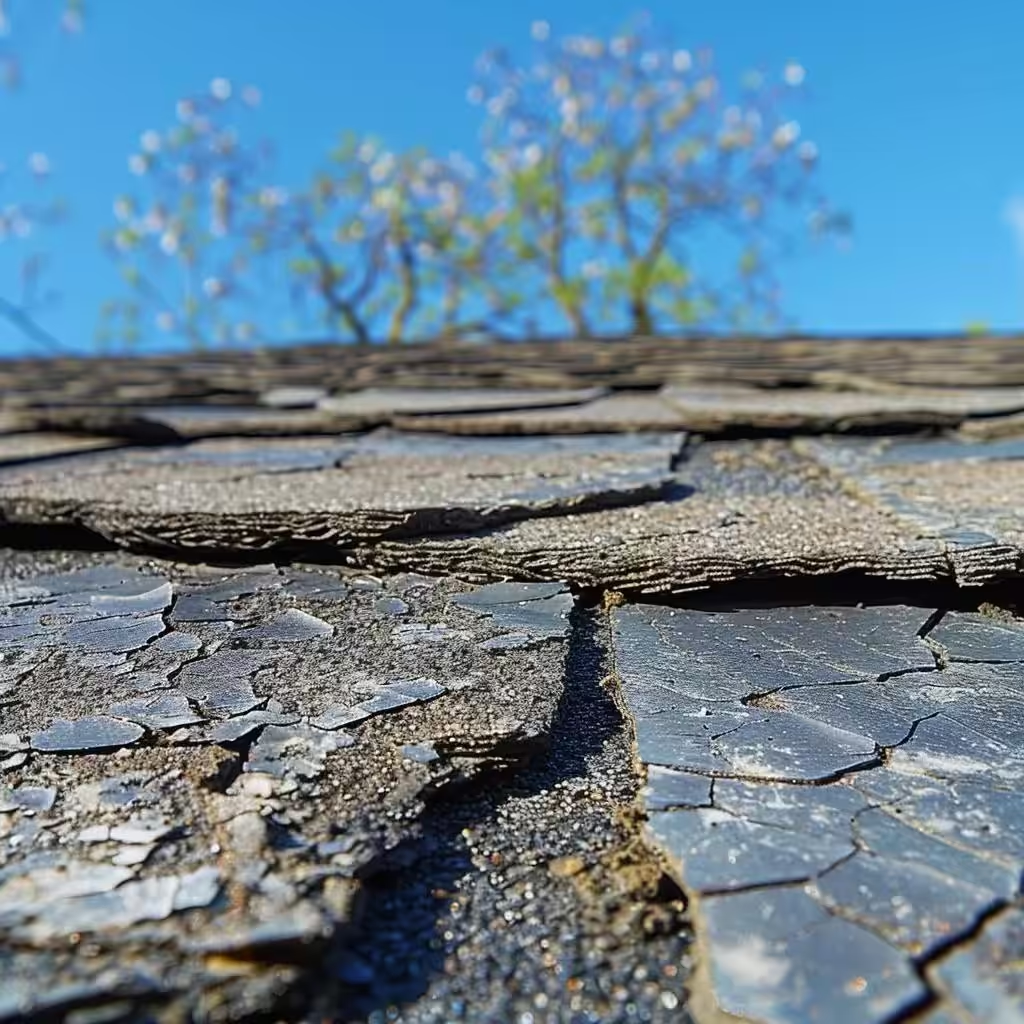
Wind damage occurs when gusts peel, lift, or tear shingles from the roof’s surface, exposing underlying layers and increasing leak risk.
- Lifted Shingles: Edges or corners of shingles curl upward under wind force
- Missing Shingles: Entire shingles blow off, leaving bare decking
- Cracked or Split Shingles: Shingles crack along nail lines or at high-stress points
Spotting wind-torn shingles quickly maintains your roof’s protective barrier.
How Can Heavy Rain and Water Cause Roof Damage?
Heavy rain forces water under loose or cracked shingles, saturating roofing materials and causing leaks into the attic and living areas.
- Underlayment Saturation: Waterproof layer beneath shingles becomes oversaturated
- Drip-Edge Damage: Water pools at roof edges, warping drip-edge components
- Soffit and Fascia Rot: Extended moisture leads to wood decay around eaves
Addressing water-driven damage stops mold growth and structural weakening.
What Impact Does Falling Debris Have on Roof Integrity?
Falling debris such as tree limbs or loose objects strikes the roof surface, puncturing shingles and cracking roofing materials under impact.
- Puncture Wounds: Sharp debris pierces through shingle layers into underlayment
- Surface Scratches: Branches scrape granule surfaces, exposing felt
- Gutter Blockage: Debris accumulates in gutters, leading to overflow
Removing debris and repairing punctures quickly prevents water from entering through damaged spots.
What Are the Visible Exterior Signs Your Roof Is Damaged After a Storm?
Visible exterior signs of roof damage appear on roofing materials and drainage components, offering clear clues to storm impacts without climbing onto the roof. Look for these telltale indicators to assess whether professional repair is needed.
How to Identify Missing, Cracked, or Curled Shingles After a Storm
Missing, cracked, or curled shingles reveal the roof’s protective layer has failed under storm stress, exposing the deck and underlayment to water.
- Missing Shingles: Gaps where shingles have blown away
- Cracked Shingles: Linear breaks across shingle surfaces
- Curled Shingles: Edges lifted or rolled, indicating weakened adhesion
Noting these shingle defects helps prioritize immediate replacement and prevents leaks. For more information, you can visit our roof inspections and safety page.
What Does Granule Loss on Shingles Indicate?
Granule loss on shingles indicates hail impact or aging, with fewer ceramic granules to shield asphalt from UV and water. roof repair
- Bare Spots: Dark areas where granules have worn off
- Granule Deposits: Loose granules collect in gutters and valleys
- Accelerated Wear: Exposed asphalt ages faster under sun and rain
Detecting granule loss early extends shingle life and maintains waterproof performance.
How to Spot Dents and Dings on Metal Flashing, Vents, and Gutters
Dents and dings on metal flashing, vents, and gutters often result from hail or debris impacts, compromising seals and drainage.
- Flashing Indentations: Visible dimples around chimneys or skylights
- Vent Cap Damage: Crushed or bent exhaust vent covers
- Gutter Tears: Metal gutters show dents or sagging sections
Repairing dented metal components restores tight seals and proper water flow.
What Are the Signs of Damaged or Clogged Gutters and Downspouts?
Storm debris can clog or damage gutters and downspouts, leading to overflow and water pooling against your home’s foundation.
- Overflowing Gutters: Water spills over during heavy rain
- Bent or Detached Sections: Gutters pulled away from fascia
- Debris Blockages: Leaves, sticks, and granules collect in troughs
Clearing and straightening gutters ensures proper drainage and prevents water intrusion. Home restoration services can assist in addressing any issues that arise as a result of water damage.
How to Recognize Sagging Roofs or Structural Damage After Storms
A sagging roof signals compromised structural integrity from water damage or fallen debris stressing roof framing.
- Uneven Roofline: Visible dips or hollows along roof slopes
- Interior Bowing: Ceilings or walls inside may bow under weight
- Soft Spots: Roof deck feels spongy when walked upon
Sagging requires immediate professional intervention to avoid collapse and interior damage. home restoration
What Are the Signs of Damaged or Loose Flashing Around Roof Components?
Damaged or loose flashing around chimneys, vents, and skylights allows water to seep beneath roofing materials and into interior spaces.
- Gaps or Cracks: Visible separations at flashing seams
- Rust or Corrosion: Metal flashing shows rust spots weakening seal
- Loose Nails: Flashing pulls away from roof deck
Securing or replacing flashing restores a watertight barrier around critical roof penetrations.
How Does Tree Debris Cause Punctures or Scratches on Your Roof?
Tree debris causes punctures or scratches when limbs scrape against roofing surfaces in high winds or fall directly onto shingles.
- Surface Gouges: Visible grooves in shingle granules
- Nail Pops: Impact lifts nail heads, creating entry points for water
- Shingle Tears: Jagged rips where branches land on roof
Removing overhanging branches and repairing punctures prevents further water intrusion.
What Are the Subtle Interior Signs of Roof Damage After a Storm?
Subtle interior signs often appear long after a storm, revealing hidden roof breaches through water stains, damp insulation, and mold growth. Recognizing these clues early protects your home’s structure and health. storm damage restoration.
How to Detect Water Stains on Ceilings and Walls After a Storm
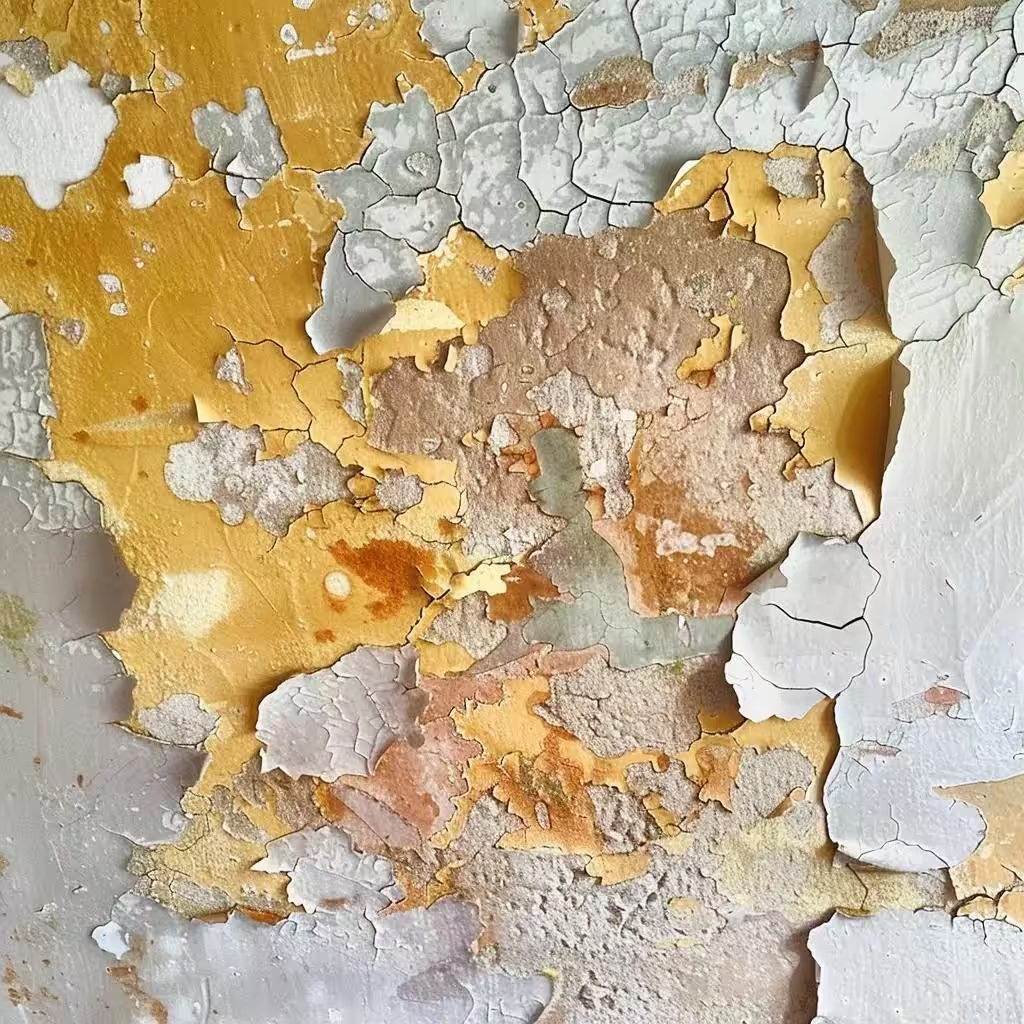
Water stains on ceilings and walls appear as discolored patches with defined edges, indicating slow leaks through roof materials into the living space.
- Yellow or Brown Patches: Darker rings around a moist center
- Peeling Paint: Paint or wallpaper bubbles near stain areas
- Drip Marks: Vertical streaks showing water flow paths
Tracking stains to their source prevents mold growth and structural decay.
What Are the Signs of Attic Leaks and Damp Insulation?
Leaks in the attic manifest as wet insulation, dark rafters, and water droplets on structural members. water damage restoration
- Damp Insulation: Discolored, matted insulation fibers
- Dark Wood: Rafters show water stains or mildew spots
- Standing Water: Small puddles or drips under the roof deck
Drying and sealing attic leaks stops moisture from damaging framing and HVAC equipment. Water damage restoration is crucial for maintaining the integrity of your home.
How Does Mold Growth Indicate Roof Water Damage?
Mold growth in attic spaces or interior ceilings signals persistent moisture from a roof leak, presenting health risks and structural harm.
- Black or Green Spots: Fuzzy mold colonies on wood or drywall
- Musty Odor: Persistent damp smell in affected areas
- Spreading Patterns: Mold follows water pathways under roofing
Addressing mold and its water source prevents health hazards and preserves home value.
What Immediate Steps Should You Take If You Suspect Roof Damage After a Storm?
Taking prompt action after a storm limits further damage and prepares you for insurance claims. Follow these immediate steps to stay safe and document issues correctly.
How to Prioritize Safety When Inspecting Storm Damage
Safety is paramount; avoid climbing on a wet or unstable roof and watch for downed power lines or loose debris on the ground.
- Ground-Level Inspection: Use binoculars to scan roof from a safe distance
- Protective Gear: Wear gloves, hard hat, and non-slip footwear
- Hazard Awareness: Stay clear of downed wires and unstable trees
Observing from the ground ensures you identify damage without risking injury.
What Is the Best Way to Document Roof Damage for Insurance Claims?
Comprehensive photo and video documentation of all damaged areas provides clear evidence for a successful claim.
- Wide and Close-Up Shots: Capture overall damage and detailed defects
- Date and Location Tags: Include timestamps and reference roof sections
- Written Notes: Record storm date, wind speeds, and hail size
Well-documented evidence speeds claim approval and maximizes coverage.
When and How Should You Contact a Professional Roofing Contractor?
You should contact a professional roofing contractor as soon as you confirm significant damage to ensure safe inspection and timely repairs.
- Contact National Insurance Claim Specialist: Our licensed experts in Charlotte offer 24/7 emergency response
- Schedule Inspection: Certified technicians assess storm damage and recommend solutions
- Obtain Written Estimate: Receive a transparent repair plan with itemized costs
Reaching out promptly ensures repairs start before leaks worsen and interior damage spreads.
How to File a Homeowners Insurance Claim for Storm Roof Damage
- Report Damage: Call your insurer within 24–48 hours of discovery
- Submit Evidence: Provide photos, videos, and written damage descriptions
- Adjuster Inspection: Walk the roof with the adjuster to confirm losses
- Review Policy Coverage: Understand deductibles and limits before repairs
A well-prepared claim accelerates reimbursement for repairs and reduces out-of-pocket costs.
How Can You Prevent Future Roof Damage and Prepare for Storms?
Preventing future damage combines regular maintenance and proactive storm-prep measures that safeguard roofing materials and home structure.
Why Are Regular Roof Inspections Important for Storm Damage Prevention?
Regular roof inspections identify minor issues before a storm and reinforce weak areas to withstand high winds and hail.
- Biannual Checks: Inspect in spring and fall for worn shingles or loose flashing
- Post-Storm Reviews: Have a professional assess damage after every major weather event
- Maintenance Repairs: Address small cracks, granule loss, and loose gutters promptly
Importance of Regular Roof Inspections
Regular roof inspections are crucial for identifying and addressing minor issues before they escalate into major problems. These inspections can help homeowners detect early signs of wear and tear, such as missing shingles or granule loss, allowing for timely repairs that can extend the roof’s lifespan and prevent costly damage from storms.
This citation reinforces the article’s emphasis on the importance of regular roof inspections for preventing storm damage.
Routine inspections extend roof life and reduce storm-repair expenses.
What Storm Preparedness Measures Can Protect Your Roof?
Proactive measures—trimming trees, securing loose items, and installing protective products—minimize storm impact on roofing elements.
- Trim Overhanging Branches: Eliminate limbs that can fall or scrape shingles
- Install Impact-Resistant Shingles: Upgrade to Class IV materials for hail resistance
- Secure Roof Accessories: Anchor satellite dishes, antennas, and vent covers
Storm-proofing steps bolster roof resilience and lower the risk of emergency repairs.
Why Choose National Insurance Claim Specialist for Storm Damage Roof Repair in Charlotte, NC?
National Insurance Claim Specialist delivers rapid, professional storm damage repair with local expertise and a full suite of restoration services. Our process combines speed, quality, and transparency to restore your roof and peace of mind.
What Makes National Insurance Claim Specialist’s 24/7 Emergency Response Unique?
National Insurance Claim Specialist’s emergency team is on standby around the clock, ready to tarp damaged roofs and stop leaks immediately after a storm.
- Immediate Dispatch: Certified crews arrive within hours of your call
- Temporary Tarping: Waterproof tarps protect interiors until permanent repairs
- Local Coordination: Charlotte-based crews familiar with regional weather patterns
Our fast response prevents further water intrusion and reduces secondary damage.
How Do Certified Technicians Ensure Quality Roof Repair?
Certified technicians at National Insurance Claim Specialist follow industry-leading standards, using high-quality materials and precision installation methods.
- Licensed & Insured: Full compliance with North Carolina building codes
- Advanced Equipment: Drones for initial surveys and infrared cameras for hidden leaks
- Quality Assurance: Post-repair inspections guarantee lasting performance
Expert workmanship ensures your roof endures future storms with confidence.
What Comprehensive Restoration Services Does NICS Offer After Storm Damage?
Beyond roofing, National Insurance Claim Specialist handles water extraction, structural repairs, mold remediation, and full interior rebuilds for a seamless recovery.
- Water Damage Restoration: Dry-out and dehumidification to prevent mold
- Structural Carpentry: Replace damaged rafters, sheathing, and framing
- Interior Remodeling: Repair ceilings, walls, and finishes affected by leaks
Our one-stop approach means you work with a single trusted team from roof to restoration.
How Does National Insurance Claim Specialist Support You Through Insurance Claims?
National Insurance Claim Specialist’s insurance specialists guide you through claim preparation, adjuster coordination, and choosing covered repairs.
- Claim Assistance: We help complete paperwork and submit documentation
- Adjuster Advocacy: Accompany you on inspections to verify accurate estimates
- Transparent Billing: Itemized invoices align with your policy coverage
Our insurance support maximizes your reimbursement and simplifies the recovery process.
Protect your home by spotting storm damage early and acting fast. If you see any of these signs, contact National Insurance Claim Specialist for a professional roof inspection and repair estimate in Charlotte, NC. Our certified experts are ready 24/7 to secure your roof, restore any damage, and guide you through insurance claims. Trust our comprehensive services to keep your home safe, dry, and storm-resilient.