Article: Essential Repairs After Hurricane Flood Damage: Complete Guide for Homeowners in Charlotte NC
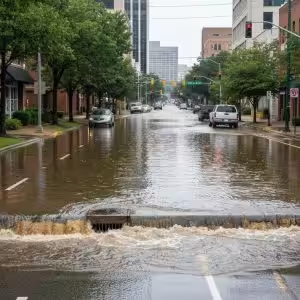
When floodwaters from a hurricane surge through a Charlotte home, they can cause structural weakening, mold growth, and electrical hazards. Homeowners need a clear plan to address safety, water removal, and long-term repairs. This guide covers the immediate steps after flood damage, professional water extraction and drying methods, essential mold remediation, critical roof and structural fixes, insurance claim navigation, urgent board-up measures, and why National Insurance Claim Specialist is the trusted choice in Charlotte.
What Are the Immediate Steps to Take After Hurricane Flood Damage?
Immediate response after hurricane flood damage involves ensuring safety, preventing further harm, and preparing for restoration. Turning off utilities stops electrocution risks, assessing stability avoids collapses, and proper documentation supports insurance claims.
How Do You Safely Assess Your Property After Flooding?
A safe property assessment defines hazards, prevents injury, and informs repair plans.
- Wear protective gear—boots, gloves, and masks—to avoid contaminant exposure.
- Check for structural shifts—look for sagging floors or bowed walls before entering.
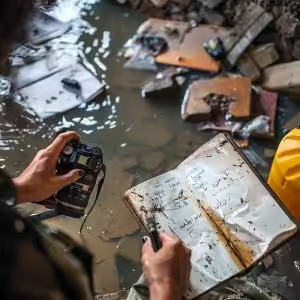
- Photograph all damage—capture walls, ceilings, floors, and contents for insurers.
These precautions identify immediate risks and set the stage for professional intervention.
When Should You Contact Emergency Restoration Services?
Contacting professionals at the first sign of floodwater intrusion prevents escalation of damage. If water exceeds one inch, mold can grow within 48 hours. Calling a 24/7 team like National Insurance Claim Specialist ensures rapid water extraction, structural drying, and mold control.
What Utilities Should Be Turned Off to Prevent Further Damage?
Shutting off power, gas, and water isolates secondary hazards and prevents fires or flooding.
- Power: Flip the main breaker to avoid electrocution.
- Gas: Locate and close the gas valve to stop leaks.
- Water: Turn off the main valve to prevent contaminated backflow.
Immediate utility shutdown minimizes risks and readies the home for safe repair work.
How Do You Document Flood Damage for Insurance Claims?
Documenting flood damage builds a strong insurance claim by providing clear evidence.
- Photograph damage from multiple angles.
- List affected items with purchase dates.
- Record utility shutdown times and professional call logs.
Comprehensive documentation streamlines claim approval and maximizes your payout.
How Does Professional Water Extraction and Structural Drying Prevent Further Damage?
Rapid water removal and targeted drying halt structural decay, mold growth, and material warping. Extracting standing water reduces saturation, while controlled airflow and dehumidification restore safe moisture levels.
Federal Emergency Management Agency (FEMA), “Homeowner’s Guide to Retrofitting” (2013)
This research supports the article’s emphasis on the importance of immediate water extraction to mitigate damage.
What Is the Water Extraction Process After Hurricane Flooding?
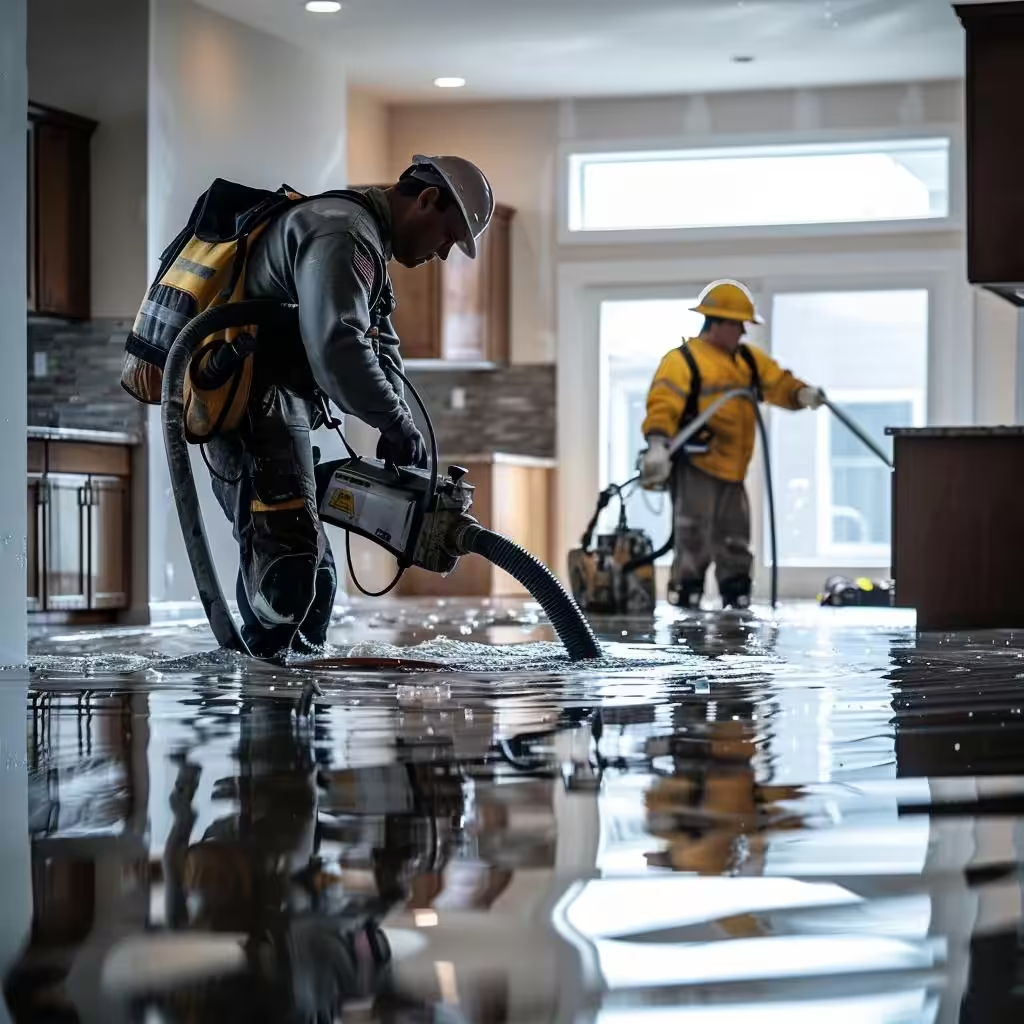
The water extraction process uses powerful pumps and vacuums to remove standing water quickly.
- Deploy submersible pumps in deep water zones.
- Use high-capacity extractors on carpets and floors.
- Flush hidden cavities to expel trapped moisture.
Rapid extraction cuts drying time and lowers mold risk, preparing surfaces for thorough drying.
How Does Structural Drying Protect Your Home’s Integrity?
Structural drying preserves framing, drywall, and subfloors by removing bound moisture.
- Air movers circulate hot, low-humidity air through cavities.
- Desiccant or refrigerant dehumidifiers extract airborne moisture.
- Moisture meters verify dryness before reconstruction.
This targeted drying safeguards load-bearing members and prevents costly rot.
What Are the Signs of Secondary Water Damage to Watch For?
Secondary water damage appears days after flooding if moisture remains trapped.
- Musty odors in enclosed spaces.
- Bubbling or peeling paint and wallpaper.
- Visible mold or mildew patches along baseboards.
Early detection of these signs prompts additional drying steps to protect materials.
Why Is Dehumidification Important After Flood Damage?
Dehumidification lowers ambient moisture to inhibit mold and mildew development.
- Keeps relative humidity below 45%.
- Stabilizes drying conditions to protect wood and insulation.
- Reduces long-term structural and health risks.
Professional dehumidification completes the drying cycle and readies the home for rebuild.
Why Is Mold Remediation Essential After Hurricane Flood Damage?
Mold remediation after flood damage eliminates health threats, stops decay, and restores indoor air quality. Removing mold prevents respiratory issues and property deterioration.
How Quickly Can Mold Grow After Flooding?
Mold spores can colonize wet surfaces within 24 to 48 hours of a flood. Moisture and organic materials like drywall and wood create ideal conditions for rapid growth and spread.
What Are the Health Risks of Mold Exposure?
Mold exposure may trigger respiratory irritation, allergic reactions, and asthma attacks. Vulnerable individuals can experience coughing, sneezing, skin rashes, and chronic sinus issues without prompt remediation.
Centers for Disease Control and Prevention (CDC), “Mold and Health” (2022)
This citation reinforces the article’s discussion of the health risks associated with mold exposure and the need for professional remediation.
How Is Professional Mold Inspection and Testing Conducted?
Certified inspectors use moisture meters, infrared cameras, and air sampling to locate hidden mold. Surface swabs confirm species type, guiding targeted removal and prevention strategies.
What Are Safe Mold Removal and Prevention Strategies?
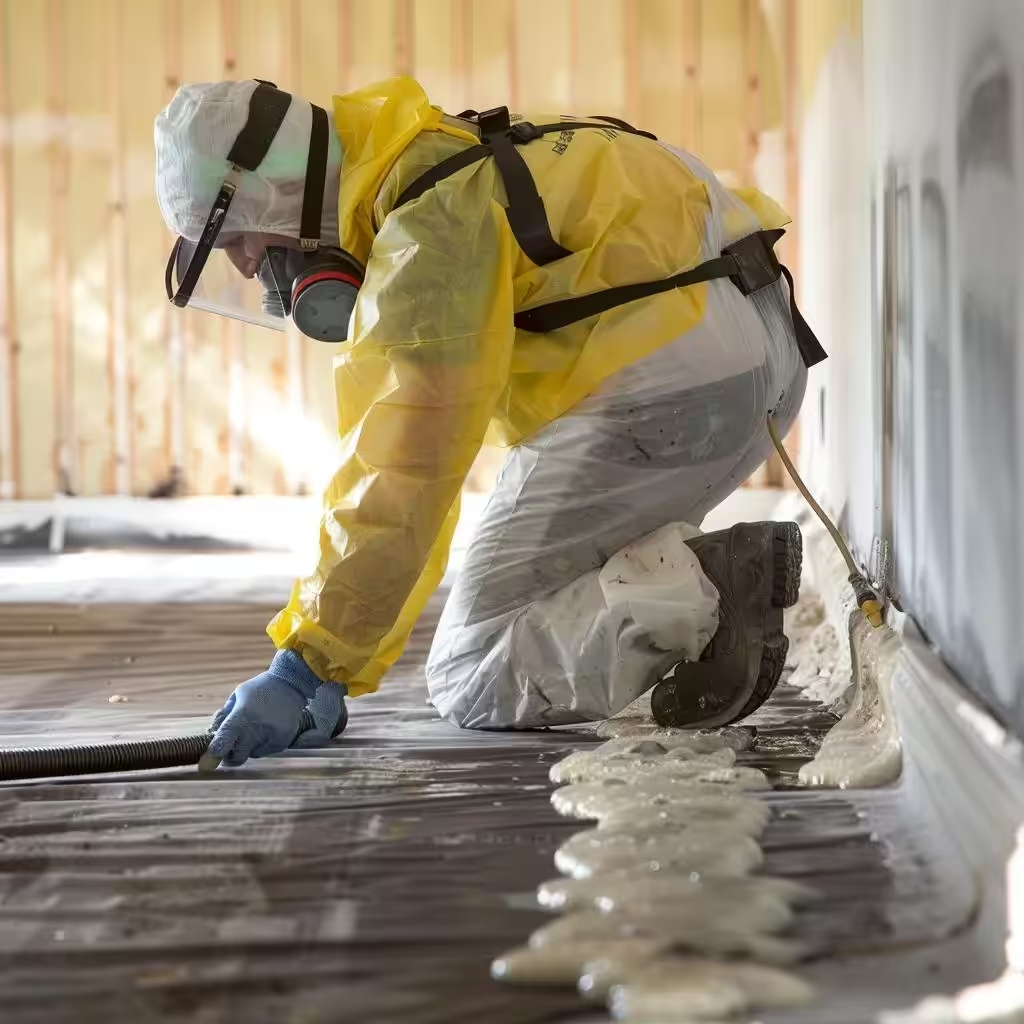
Safe mold removal follows industry standards to protect occupants and contents.
- Containment barriers isolate affected areas.
- HEPA vacuums and air scrubbers capture spores.
- Biocidal treatments eliminate colonies.
- Wet materials are removed and replaced.
Post-remediation checks ensure no regrowth before reconstruction begins.
What Are the Key Roof and Structural Repairs Needed After a Hurricane?
Roof and structural repairs restore watertight protection, reinforce integrity, and prevent interior damage. Addressing shingles, framing, foundation, walls, and ceilings is critical to long-term stability.
How Do You Conduct a Post-Hurricane Roof Inspection?
A detailed roof inspection identifies missing shingles, leaks, and weakened flashing. Inspect from ground level with binoculars, then safely access the roof to check underlayment and seals around vents and chimneys.
What Are Common Roof Damage Types After Flooding?
Flood-driven roof damage varies but often includes:
| Damage Type | Attribute | Value |
|---|---|---|
| Missing Shingles | Exposure Level | High wind uplift removes outer layers |
| Leaks Around Seals | Water Infiltration | Damaged flashing around vents and pipes |
| Underlayment Tears | Moisture Penetration | Compromised barrier under shingles |
| Saturated Sheathing | Structural Weakness | Wood panels warp and rot over time |
Each type requires specific repair to restore full protection.
How Is Foundation Damage Assessed and Repaired?
Foundation assessments use visual checks for cracks, settling, and water intrusion. Repairs include epoxy injections for small cracks or underpinning and mudjacking for major shifts, ensuring load-bearing capacity returns.
What Repairs Are Needed for Walls and Ceilings After Flood Damage?
Interior repairs address wet drywall, warped studs, and compromised insulation. Damaged materials are removed, framing dried, new insulation installed, and moisture-resistant drywall applied to protect against future events.
How Can Homeowners Navigate Hurricane Flood Insurance Claims Effectively?
Navigating flood insurance claims requires detailed documentation, clear communication with adjusters, and avoiding common filing errors. Expert guidance ensures you capture all eligible losses.
What Documentation Is Required for Hurricane Flood Damage Claims?
Insurers require date-stamped photos, repair estimates, proof of ownership, and utility shutdown logs. Gathering receipts and professional inspection reports strengthens the claim.
How Do Insurance Adjusters Evaluate Flood Damage?
Adjusters inspect structural, mechanical, and content damage. They compare pre-loss values to repair estimates, verify depreciation, and confirm storm causation to determine payout.
What Are Common Pitfalls to Avoid When Filing Claims?
Homeowners often underdocument damage, miss policy deadlines, or accept low initial offers. Avoid these by submitting complete evidence, tracking correspondence dates, and consulting specialists if needed. For more tips, visit home repair must knows after suffering fire damage.
How Can Insurance Claims Specialists Help Maximize Your Payout?
Claims specialists negotiate with insurers, prepare detailed loss inventories, and appeal undervalued items. At National Insurance Claim Specialist, our ICS team ensures you receive full compensation for flood repairs.
What Emergency Board-Up and Temporary Repairs Should Be Done Immediately?
Board-up and temporary repairs protect against trespassing, weather exposure, and further structural harm. Quick action secures windows, doors, roofs, and clears debris.
How Do You Secure Broken Windows and Doors After a Hurricane?
Temporary boarding uses pressure-treated plywood cut to size and anchored with screws. Covering openings deters intruders and shields interiors from rain.
When and How Should Roof Tarping Be Applied?
Roof tarping must begin within hours of visible damage. Position a heavy-gauge tarp over leaks, tack edges under shingles, and secure with roofing nails to channel water away from the structure.
What Debris Removal Services Are Available to Prevent Further Damage?
Professional cleanup crews clear fallen trees, loose branches, and hazardous materials. Removing debris reduces pest infestations, fire risks, and obstructions for repair teams.
How Do Temporary Repairs Prevent Additional Property Loss?
Temporary measures maintain property integrity until permanent fixes. Securing openings and stabilizing structures stops water infiltration and vandalism, preserving more of the original home.
Why Choose National Insurance Claim Specialist for Hurricane Flood Damage Repairs in Charlotte NC?
National Insurance Claim Specialist combines local expertise, certified professionals, and comprehensive emergency services to handle every repair stage. Our proactive, customer-focused approach ensures a smooth recovery after a hurricane.
What Experience and Certifications Does National Insurance Claim Specialist Have?
With over 20 years serving Charlotte, National Insurance Claim Specialist holds IICRC certifications in water damage, mold remediation, and fire/smoke restoration. Our licensed team follows industry best practices.
How Does NICS Provide Comprehensive Restoration and Remodeling Services?
From emergency water extraction to full-scale reconstruction, NICS offers end-to-end solutions. We coordinate structural drying, mold abatement, roof repair, and interior finishing under one roof.
What Makes National Insurance Claim Specialist’s 24/7 Emergency Response Unique?
Our around-the-clock hotline ensures help arrives within hours of your call. Specialized crews and equipment mobilize quickly, minimizing downtime and preventing secondary damage.
How Does NICS Support Local Charlotte Homeowners Through Insurance Claims?
Our in-house insurance claims specialists manage documentation, negotiate with adjusters, and expedite approvals. This hands-on support maximizes recoveries and speeds the restoration process.
What Are the Most Frequently Asked Questions About Hurricane Flood Damage Repairs?
Homeowners often wonder about the fastest way to remove water, the repair timeline, insurance coverage, mold prevention, and who to call locally.
- Immediate actions focus on safety, utility shutdown, and calling a professional for water removal.
- Typical flood repair timelines range from one week for minor cleanup to several months for full reconstruction.
- Standard homeowners insurance may not cover flood damage—separate flood policies or FEMA programs are needed.
- Preventing mold hinges on swift extraction and thorough drying within 48 hours.
- For emergency water removal in Charlotte, contact National Insurance Claim Specialist’s 24/7 hotline.
These core concerns guide homeowners toward effective recovery steps and reliable local support.
Recovering from hurricane flood damage demands swift action, professional expertise, and detailed planning. By following safety protocols, engaging certified restoration services, and working closely with insurance specialists, Charlotte homeowners can restore their homes quickly and confidently. For immediate assistance, call National Insurance Claim Specialist—your local partner in emergency flood repair and complete home recovery.