Essential Home Repair Tips After Fire Damage
In the aftermath of a fire, homeowners and business owners in areas benefiting from fire damage restoration charlotte nc efforts can be overwhelmed by visible destruction as well as hidden hazards like structural weaknesses, water damage, and lingering smoke odors. Fire damage restoration involves a series of critical steps, from initial assessment to long-term improvements that reduce the risk of future incidents. With clear, actionable guidance, this article helps property owners make informed decisions, work effectively with insurance companies, and safely restore their homes or businesses. For additional support, please contact us.
How Do You Assess Fire Damage Before Starting Repairs?
Assessing fire damage is essential to ensure effective repairs and guarantee safety. The process includes identifying both visible and hidden issues that could lead to further hazards.
What Are the First Signs of Structural Damage After a Fire?
After a fire, look for warped or cracked walls, weakened load-bearing elements, and discoloration from the heat. Signs such as sagging ceilings or floors, unusual odors, and visible residue indicate potential structural compromise. Noticing these early can signal the need for professional intervention to prevent dangerous collapse or further deterioration.
How to Safely Inspect Your Home Post-Fire?
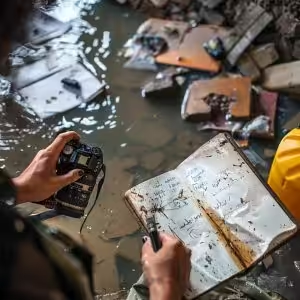
Begin the inspection by eliminating public hazards. Turn off power, check for gas leaks, and use protective gear such as respirators and gloves. Perform a room-by-room evaluation, documenting damage with photographs and notes. Focus on areas where the fire was most intense, and use a checklist covering walls, ceilings, floors, windows, and structural members. In cases of suspected significant damage, enlist a professional structural engineer for a detailed evaluation.
When Should You Call a Professional for Fire Damage Assessment?
Call a licensed professional as soon as there is doubt about structural stability or when damage appears extensive. Professionals have the expertise and equipment to detect hidden issues in electrical, plumbing, or structural systems. Their unbiased assessments are critical for planning repairs, ensuring safety, and supporting insurance claims.
What Are the Immediate Home Repair Steps After Fire Damage?
Immediate repairs serve two key purposes: securing the property to prevent further damage and protecting valuable assets while planning a complete restoration.
How to Remove Debris and Secure Your Property Quickly?
Quickly remove charred materials, damaged fixtures, and soot while wearing proper protective clothing. Board up windows and doors, cover exposed areas with tarps, and set up temporary barriers. Document each step meticulously; this not only aids the restoration process but also serves as strong evidence for insurance claims.
What Temporary Repairs Can Prevent Further Damage?
Temporary fixes are vital until permanent repairs can be made. Seal leaks, turn off power if needed, and use weighted tarps to cover damaged roofs. A small patch can prevent water intrusion during rains, and covering broken windows reduces the risk of wind-driven water causing further interior damage. These measures protect the property while a comprehensive restoration plan is developed.
How to Handle Water Damage From Firefighting Efforts?
Water used in firefighting often causes additional harm. Remove standing water immediately and employ industrial fans and dehumidifiers to reduce moisture levels. Monitor humidity and check for signs of mold. Replace materials like carpets, drywall, or insulation if they’re water-damaged, as these conditions can lead to long-term health hazards.
How Do You Repair and Restore Structural Elements After Fire Damage?
Restoration involves both cosmetic improvements and essential structural repairs to ensure long-term safety and functionality.
What Are the Best Practices for Repairing Walls and Ceilings?
Start by removing any loose or charred material from walls and ceilings. Clean thoroughly with specialized fire-damage cleaners and disinfectants, then replace or reinforce damaged sections using fire-resistant materials such as drywall. In cases where the structure is compromised, additional reinforcement beyond simple painting is necessary. Professional guidance ensures that restoration maintains both aesthetic appeal and structural integrity.
How to Restore Fire-Damaged Flooring Safely?
Flooring must be evaluated for heat and water damage. Hardwood floors might require sanding or complete replacement if warping is severe, while carpets absorbed with soot and water may need full removal. Professionals can assess the underlying subflooring and ensure repairs are conducted with methods that prevent future deterioration. Adding moisture barriers or stain-resistant treatments can also help safeguard the repair work.
When Is It Necessary to Replace Windows and Doors?
Inspect windows and doors carefully for warped frames, broken seals, or significant smoke residue. Even if the structure seems intact, high heat can weaken the glass and reduce insulation. Replacing them with fire-rated alternatives improves safety, enhances energy efficiency, and minimizes future maintenance costs.
How Can You Remove Smoke Odor and Improve Indoor Air Quality?
Eliminating smoke odor is critical for restoring a healthy indoor environment and ensuring occupant comfort.
What Are Effective Methods for Smoke and Soot Cleanup?
Effective cleanup begins with removing all soot and smoke residue from surfaces using chemical sponges, steam cleaning, and HEPA vacuuming. Reposition air ducts and replace filters to more completely remove residual odor. Consistent documentation of the cleaning process, along with air quality testing, supports insurance claims and confirms the restoration of a healthier indoor environment.
How to Use Air Purifiers and Ventilation to Remove Odors?
Air purifiers equipped with HEPA filters and activated carbon can remove airborne soot particles and odors. Complement these devices with a controlled ventilation system to bring in fresh air and expel polluted air. Some situations might require the use of ozone generators under professional supervision to neutralize stubborn odors over several days.
When Should You Hire Professionals for Odor Removal?
If minor cleaning methods fail to eliminate smoke odors, professional odor removal services should be engaged. Their industrial-grade equipment and specialized techniques can target deeply embedded smells in materials like drywall and insulation. This professional intervention is also crucial if mold growth or residual contaminants present significant risks.
What Are Essential Tips for Electrical and Plumbing Repairs After Fire Damage?
Electrical and plumbing systems are especially vulnerable after a fire. Their safe repair requires thorough inspection and often professional expertise.
How to Inspect and Repair Fire-Damaged Electrical Systems?
A licensed electrician must carefully inspect all wiring, circuit boards, and insulation for heat damage. Even if damage appears minor externally, internal components may be compromised. Replacement of damaged wiring, circuit breakers, and upgrading panels are common measures. Comprehensive testing of voltage and grounding ensures the system is safe before reactivation.
What Plumbing Issues Commonly Arise After a Fire?
Firefighting water can damage plumbing components—corroded pipes, weakened seals, and waterlogged insulation are common issues. Inspect exposed piping in attics and basements for discoloration, warping, or leaks. Any noticeable change in water pressure or taste may indicate contamination, warranting repair or replacement with modern, fire-resistant materials.
When Is It Safe to Use Utilities After Fire Damage?
Utilities such as electricity, gas, and water should be reactivated only after thorough inspection and certification by licensed professionals. Electricians, plumbers, and HVAC technicians must ensure all repairs adhere to current safety standards before restoring service, reducing the risk of secondary hazards.
How Do You Navigate Insurance Claims for Fire Damage Repairs?
Navigating insurance claims is a complex but crucial part of the restoration process. Detailed documentation and professional assessments can streamline this process and secure fair settlements.
What Documentation Is Needed for Fire Damage Insurance Claims?
Prepare a comprehensive set of documents including photographs, videos, a detailed list of damages, and receipts or repair estimates. A professional fire damage assessment report along with maintenance records or previous inspection reports can further strengthen your claim. Ensure all documents are properly dated and, when necessary, signed by professionals.
How Can Professionals Assist With Insurance and Repair Coordination?
Professional restoration companies often act as liaisons with insurance adjusters. They provide detailed reports, accurate repair estimates, and coordinate between the repair teams and insurers. This support minimizes disputes over repair values and accelerates the claim process.
What Are Common Challenges in Fire Damage Insurance Claims?
Challenges include disputes over repairs’ depreciated values, disagreements on damage extent, and processing delays. Comprehensive documentation and professional evaluations mitigate these issues, ensuring the claim is processed more efficiently and fairly.
How Can You Prevent Future Fire Damage During Home Repairs?
Incorporating fire-resistant materials and advanced safety systems during repairs is key to reducing future fire risks and enhancing overall home resilience.
What Fire-Resistant Materials Should You Use in Repairs?
Opt for materials such as fire-resistant drywall, treated lumber, and fire-rated insulation, which slow down the spread of flames. Tempered glass for windows, metal roofing, and fire-retardant paints can significantly boost a building’s resistance to fire. Consulting with fire safety experts ensures compliance with local codes and enhances long-term property security.
How to Install Smoke Detectors and Fire Safety Systems?
Strategically install smoke detectors, fire alarms, and sprinkler systems throughout the building, especially near high-risk areas like kitchens and garages. Modern systems interconnect detectors so that an alarm in one area triggers alerts everywhere. Regular maintenance—including battery checks and sensor calibrations—ensures these systems function reliably during emergencies.
What Maintenance Tips Help Reduce Fire Risks Long-Term?
Regular maintenance is crucial in fire prevention. Clean chimneys, stoves, and heating systems to prevent soot and creosote buildup. Ensure flammable materials stay clear of heat sources and schedule routine inspections by fire safety professionals. Maintaining clear fire exits, formulating escape routes, and training family members on fire extinguisher use further reduce long-term risks.
Frequently Asked Questions
Q: How long does it take to fully repair fire damage? A: Repair timelines vary from a few weeks for minor fixes to several months for extensive structural, electrical, and plumbing repairs. Professional assessments and insurance coordination play a key role in determining the schedule.
Q: Can I live in my home while fire repairs are ongoing? A: It is not recommended due to safety hazards such as unstable structures, water-damaged materials, and lingering toxins. Temporary relocation is advised until major hazards are addressed.
Q: Do I need to replace all electrical wiring after a fire? A: Only damaged or heat-exposed wiring should be replaced. A licensed electrician will assess the entire system and recommend necessary updates to ensure safety.
Q: Will my insurance cover all the repair costs after a fire? A: Coverage depends on individual policy terms, deductibles, and exclusions. Detailed documentation and professional restoration reports can help maximize claim reimbursements.
Q: What can be done to prevent mold growth after water damage from firefighting? A: Immediate water extraction, thorough drying, and the use of industrial dehumidifiers and fans are essential. Mold inhibitors during cleaning also help prevent growth.
Q: How do I know if I need to rebuild portions of my home after a fire? A: Structural engineers determine whether load-bearing walls or beams require rebuilding. Professional evaluations provide clear recommendations based on safety standards.
Q: Are there any grants or financial assistance programs for homeowners affected by fire damage? A: Many areas offer emergency grants, low-interest loans, and other forms of assistance. Contact local government agencies or community organizations for guidance.
Final Thoughts
Fire damage restoration demands careful assessment, safe hazard removal, targeted repairs, and long-term planning. By following these steps—from initial inspection through to final renovations—homeowners can ensure their property’s safety and resilience. Collaborate with licensed professionals and maintain rigorous safety measures to not only recover from fire incidents but also emerge stronger and more prepared for the future.