Essential Homeowner Debris Removal Checklist After Hurricane in Charlotte, NC
After a hurricane, Charlotte homeowners can face up to a million cubic yards of storm debris—fallen trees, shattered roofing, and hazardous household waste—that block access and threaten safety. This homeowner debris removal checklist provides clear, step-by-step guidance on prioritizing safety, sorting debris, documenting damage, and preventing secondary issues like mold. It also shows when to call in local experts like Nics Restoration for professional debris removal, how to navigate insurance claims, and which Charlotte regulations and FEMA guidelines apply. By following this guide, you’ll restore your property efficiently and protect your family’s well-being.
How Do You Prioritize Safety During Post-Hurricane Debris Cleanup?
Safety comes first when removing hurricane debris because downed power lines, unstable structures, and contaminated water create serious hazards. Understanding these dangers and using the right protective equipment ensures you reduce risk at every stage of cleanup.
What Immediate Hazards Should Homeowners Watch For After a Hurricane?
Debris removal begins with identifying life-threatening conditions such as live electrical wires, gas leaks, and weakened roofing supports. roof damage.
- Downed power lines can electrocute anyone who touches water or metal nearby.
- Gas leaks from broken pipelines may cause fires or explosions.
- Structural instability—collapsed roofs, leaning walls—can fall without warning.
- Contaminated floodwater often carries sewage, chemicals, and bacteria.
Remaining alert to these hazards protects you and sets the stage for safe cleanup equipment use.
Safety Hazards After Hurricanes
Downed power lines, gas leaks, and structural instability are immediate dangers after a hurricane. These hazards can lead to electrocution, fires, explosions, and injuries from collapsing structures. It is crucial to be aware of these risks to ensure safe cleanup practices.
Federal Emergency Management Agency (FEMA), “Debris Removal Guide” (2023)
This source provides essential information on identifying and mitigating immediate hazards during post-hurricane cleanup, which aligns with the article’s focus on safety.
Which Personal Protective Equipment Is Essential for Safe Cleanup?

Effective debris removal depends on wearing the right gear to shield against cuts, punctures, and contaminants.
Before you begin, assemble:
- Heavy-duty work gloves that resist punctures and chemical exposure.
- Steel-toe boots with puncture-resistant midsoles.
- N95 or higher-rated masks to filter dust, mold spores, and airborne particles.
- Safety goggles or a face shield to guard against flying debris.
- Hard hats when working near damaged structures or trees.
Using this protective equipment lets you focus on efficient debris sorting and prevents injuries that could halt your cleanup efforts.
How Can You Avoid Common Post-Hurricane Safety Risks?
Proactive planning minimizes cleanup accidents and keeps your family and helpers safe.
- Turn off utilities at the main breaker and gas valve before working near wires or appliances.
- Test for gas leaks with a soap-water solution, not open flames.
- Work in pairs and keep a charged cell phone within reach for emergencies.
- Keep children and pets away from debris piles and work zones.
Following these precautions ensures a smooth transition to categorizing and staging debris for removal.
What Are the Different Types of Hurricane Debris and How Should They Be Sorted?
Debris categorization speeds curbside pickup and complies with Charlotte and FEMA disposal rules. Sorting into clear groups prevents contamination, saves disposal fees, and helps recyclers recover materials.
What Constitutes Vegetative Debris After a Hurricane?
Vegetative debris includes all organic yard waste displaced by high winds and flooding.
- Fallen branches and tree limbs
- Uprooted shrubs and plants
- Leaf clippings and loose foliage
Vegetative debris should be piled separately to allow mulch recycling and reduce landfill load.
How Do You Identify Construction and Demolition Debris?
Construction and demolition debris covers broken building materials and structural components.
- Shingles, roofing tiles, and siding panels
- Fragments of drywall, insulation, and plaster
- Torn lumber, fencing, and decking
Keeping these materials in a distinct pile ensures proper disposal at licensed construction waste facilities.
What Household Hazardous Waste Requires Special Disposal?
Certain household items pose chemical or environmental hazards and must never go to general landfill.
- Paint cans, solvents, and adhesives
- Pesticides, motor oil, and household cleaners
- Refrigerators, air conditioners, and electronics (which contain refrigerants or heavy metals)
Contact Charlotte’s hazardous waste collection sites for drop-off and follow guidelines to prevent contamination.
What Are the Best Practices for Sorting and Staging Debris for Pickup?
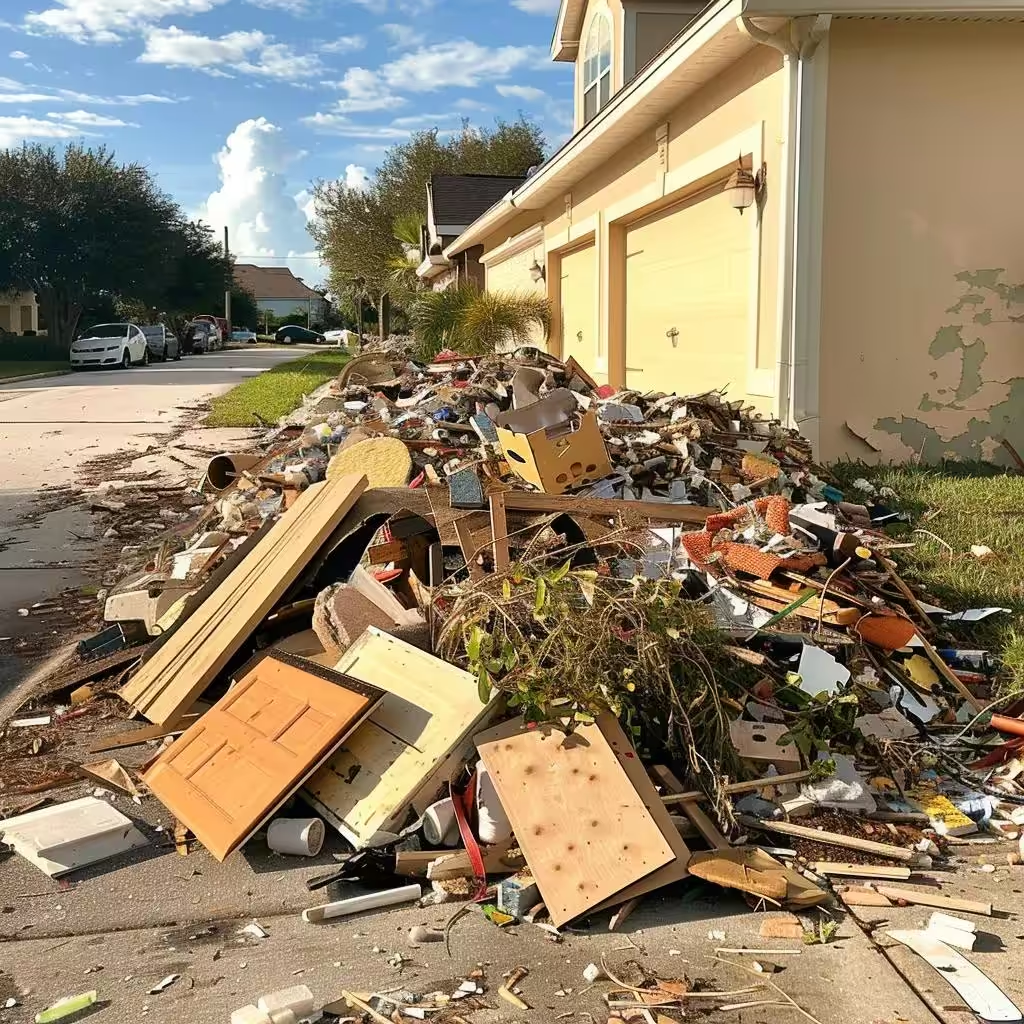
Organizing debris into well-defined piles speeds collection and avoids fines. Introduce the table below to see recommended staging methods.
| Debris Type | Attribute | Disposal Method |
|---|---|---|
| Vegetative | Organic yard waste | Curbside mulch program |
| Construction & Demolition | Mixed building materials | Licensed C&D landfill |
| Hazardous Waste | Chemicals & appliances | Charlotte hazardous waste drop-off site |
| Electronics & Appliances | Refrigerants & heavy metals | E-waste recycling center |
| General Household Debris | Non-hazardous indoor items | Standard curbside pickup |
Sorting debris into these categories ensures compliance with local and federal regulations and readies your property for safe restoration.
What Are the Step-by-Step Actions in a Homeowner Debris Removal Checklist?
A systematic cleanup approach guarantees efficiency, supports insurance claims, and prevents further damage.
How Do You Assess and Document Property Damage Effectively?
Begin with a comprehensive inspection and record every affected area.
- Walk around your home, noting damaged roofs, walls, and landscaping.
- Take high-resolution photos and time-stamped videos of each damage point.
- List damaged items and estimate repair or replacement costs.
Accurate documentation solidifies your insurance claim and guides your next cleanup steps.
How Should You Clear Safe Pathways Around Your Property?
Clearing access routes allows emergency responders and cleanup crews to enter and exit safely.
- Remove debris from driveways, walkways, and entryways first.
- Shovel standing water away from doors and basements.
- Place warning signs near unstable areas or overhead hazards.
Establishing clear pathways lays the groundwork for sorting and staging debris piles.
What Is the Proper Way to Separate and Stage Debris for Removal?
Following local pickup schedules and zoning rules prevents fines and delays.
- Position piles at the curbside, leaving at least 3 feet from mailboxes, fire hydrants, and utility boxes.
- Stack vegetative debris in bundles no longer than 4 feet for Charlotte’s mulch program.
- Group construction debris in heavy-duty containers or sturdy piles that won’t scatter.
Organizing debris correctly prepares your property for prompt collection by municipal or private haulers.
When Should You Consider Hiring Professional Debris Removal Services?
Professional teams bring equipment, experience, and disposal contracts that speed large-scale cleanup.
- When debris volume exceeds what homeowner equipment can handle.
- If hazardous materials or biohazards require specialized handling.
- When insurance timelines demand rapid debris removal and documentation.
At this point, turning to experts can ensure efficient restoration and reduce risk of damage or injury.
How Do You Care for Your Property After Cleanup to Prevent Further Damage?
Post-cleanup property care prevents mold, structural rot, and landscape erosion.
- Dry out basements and crawlspaces with industrial dehumidifiers.
- Inspect foundations and exterior walls for water infiltration.
- Regrade soil away from the foundation to improve drainage.
Proactive maintenance after debris removal guards against hidden damage and prepares your home for full restoration.
When and Why Should You Call Nics Restoration for Professional Debris Removal?
Complex hurricane damage often demands trained crews, specialized equipment, and insurance coordination.
What Comprehensive Debris Removal Services Does Nics Restoration Offer?
Nics Restoration provides a full suite of storm-damage cleanup solutions:
- Tree and limb removal with cranes and chippers
- Heavy equipment hauling for construction and demolition waste
- Safe disposal of hazardous household materials
- Controlled site cleanup to meet FEMA and Charlotte regulations
These expert services ensure rapid, compliant debris removal and minimize disruption to your recovery process.
Why Is Nics Restoration the Trusted Choice for Charlotte Storm Cleanup?
Local expertise and responsive service make Nics Restoration stand out after a hurricane:
- 24/7 emergency response reduces wait time for dangerous debris removal
- Charlotte-based teams understand city ordinances and disposal schedules
- IICRC-trained technicians follow industry best practices for safety and quality
- State-of-the-art equipment handles everything from tree removal to structural debris
These unique strengths deliver faster clearance, better compliance, and lasting peace of mind.
How Does Nics Restoration Ensure Rapid Emergency Response?
When every moment counts, Nics Restoration activates its emergency debris removal protocol:
- A dedicated hotline connects you to a live responder 24/7.
- On-site assessment begins within hours of your call.
- Priority staging of affected zones ensures life-safety hazards are cleared first.
This swift, organized response gets your property safe and ready for full restoration.
How Can Homeowners Navigate Insurance Claims for Hurricane Debris Removal?
Understanding coverage types and record-keeping requirements streamlines claim approval and reimbursement.
What Types of Insurance Coverage Typically Include Debris Removal?
Most homeowners’ insurance policies and FEMA assistance programs cover debris removal when tied to storm damage:
- Dwelling coverage often includes removal of debris caused by covered perils.
- Additional living expense (ALE) coverage may fund temporary relocation if debris blocks exits.
- FEMA Public Assistance grants reimburse municipalities and homeowners’ associations for large-scale cleanup.
Knowing your coverage options helps you budget and document removal costs accurately.
What Documentation Is Required to Support Your Insurance Claim?
Insurance adjusters rely on thorough records to validate debris removal expenses.
- Date-stamped photographs and videos of debris piles and hazards.
- Detailed invoices from disposal facilities or licensed haulers.
- Written estimates from professional cleanup services.
Compiling these materials before submission accelerates claim processing and reimbursement.
How Does Nics Restoration Assist Homeowners with Insurance Claims?
Nics Restoration’s claims specialists support you at every step:
- Direct billing to your insurer reduces out-of-pocket costs.
- Comprehensive damage reports align with adjuster requirements.
- Liaison services expedite approvals and prevent documentation errors.
This hands-on assistance ensures you focus on recovery, not paperwork.
How Do You Prevent Mold and Further Damage After Hurricane Debris Removal?
Eliminating standing water and moisture sources stops mold before it spreads and undermines structural integrity. water damage restoration
What Are the Signs of Water Damage and Mold Growth Post-Hurricane?
Early detection of moisture intrusion and biological growth is critical. Look for:
- Discolored walls, ceilings, or floorboards.
- Musty odors in enclosed spaces.
- Visible mold patches near windows, baseboards, or plumbing fixtures.
- Warped wood or peeling paint on interior surfaces.
Recognizing these indicators lets you act quickly to protect your home.
What Steps Should You Take to Dry and Remediate Your Property?
A methodical drying and cleanup process halts mold growth and prevents material decay.
- Remove wet drywall, carpeting, and insulation below the flood line.
- Set up industrial fans and dehumidifiers to lower indoor humidity below 45%.
- Clean and disinfect surfaces with EPA-approved antimicrobial solutions.
- Monitor moisture levels for 48–72 hours to confirm dry-out.
Completing these steps thoroughly prevents hidden moisture pockets that can lead to costly mold remediation.
When Is Professional Mold Remediation Necessary?
Calling in certified mold remediation experts is essential when:
- Mold covers more than 10 square feet or recurs after DIY cleaning.
- Contamination involves HVAC systems or unseen cavities.
- Occupants experience health symptoms such as respiratory irritation.
Professionals use containment, negative-air machines, and third-party testing to restore indoor air quality and structural safety.
What Local Charlotte Guidelines and Resources Should Homeowners Know for Debris Disposal?
Compliance with city ordinances and federal guidelines ensures debris removal proceeds smoothly and legally.
What Are Charlotte’s Regulations for Hurricane Debris Pickup and Disposal?
Charlotte’s Solid Waste Services requires:
- Vegetative debris bundles no longer than 4 feet, tied and placed curbside.
- Construction debris separated from household trash.
- Hazardous waste delivered to specified drop-off locations on designated dates.
Charlotte’s Regulations for Debris Disposal
Charlotte’s Solid Waste Services has specific guidelines for hurricane debris disposal, including how to handle vegetative, construction, and hazardous waste. Following these regulations is essential to avoid fines and ensure efficient debris removal.
City of Charlotte, “Solid Waste Services” (2024)
This citation supports the article’s guidance on local regulations, ensuring homeowners comply with Charlotte’s specific requirements for debris disposal.
How Can Homeowners Access Emergency Contacts and Support in Charlotte?
In case of urgent debris or safety issues, homeowners can reach:
- Charlotte 311 for waste collection schedules and ordinance questions.
- Mecklenburg County Emergency Management (704-336-7600) for shelter and assistance.
- Local utility companies for downed power lines or gas leaks.
These contacts connect you with city resources that complement private cleanup efforts.
What FEMA Guidelines Apply to Charlotte Homeowners for Debris Removal?
FEMA Public Assistance Program provides cost-share funding if you document:
- Pre- and post-storm damage assessments.
- Detailed debris volume estimates by category.
- Records of contractor invoices and disposal receipts.
Adhering to these federal requirements maximizes reimbursement and supports community recovery.
After a hurricane, thorough debris removal is the foundation for a safe, resilient home. This checklist guides you from hazard identification and debris sorting through professional services, insurance navigation, and mold prevention, while ensuring compliance with local and federal rules. Trust Nics Restoration’s Charlotte-based experts to handle complex cleanup tasks quickly, accurately, and with minimal stress.
Contact Nics Restoration for a free debris removal estimate in Charlotte, NC.