Hurricane Damage Insurance: Is Your Home Insurance Coverage Enough in Charlotte, NC?
Charlotte homeowners and business owners face growing hurricane threats as storms intensify along the Atlantic coast. Assessing home insurance for hurricane damage is essential to avoid out-of-pocket costs when wind, rain or storm surge strike. This guide defines key coverage types, explains hurricane deductibles, walks through filing a claim, and shows how Nics Restoration’s local expertise supports both emergency repairs and insurance documentation. You’ll learn:
- What insurance policies protect against wind, flood and storm surge
- How hurricane deductibles work and affect out-of-pocket costs
- Step-by-step claim filing best practices
- Restoration services aligned with your insurance payouts
- Charlotte-specific rules, resources and real restoration examples
- How to evaluate coverage limits and consider supplemental policies
- Next steps for pre-storm readiness and post-storm recovery with Nics Restoration
What Types of Insurance Cover Hurricane Damage?
Home insurance for hurricane damage typically requires a combination of policies to address wind, water and surge perils. Understanding each policy’s scope ensures full protection.
How Does Homeowners Insurance Protect Against Wind Damage?
Homeowners insurance covers wind damage from hurricanes by repairing or replacing structural components such as roofs, windows and siding. Standard HO-3 policies include: key signs of hurricane damage every homeowner must know.
- Dwelling coverage for wind-driven damage to the home’s frame and exterior
- Personal property coverage for damaged contents caused by strong gusts
- Additional living expenses if your home is uninhabitable
By funding repairs promptly, homeowners coverage reduces disruption and helps restore safe shelter after storms, ensuring families avoid long-term displacement.
Why Is Flood Insurance Essential for Hurricane-Related Water Damage?
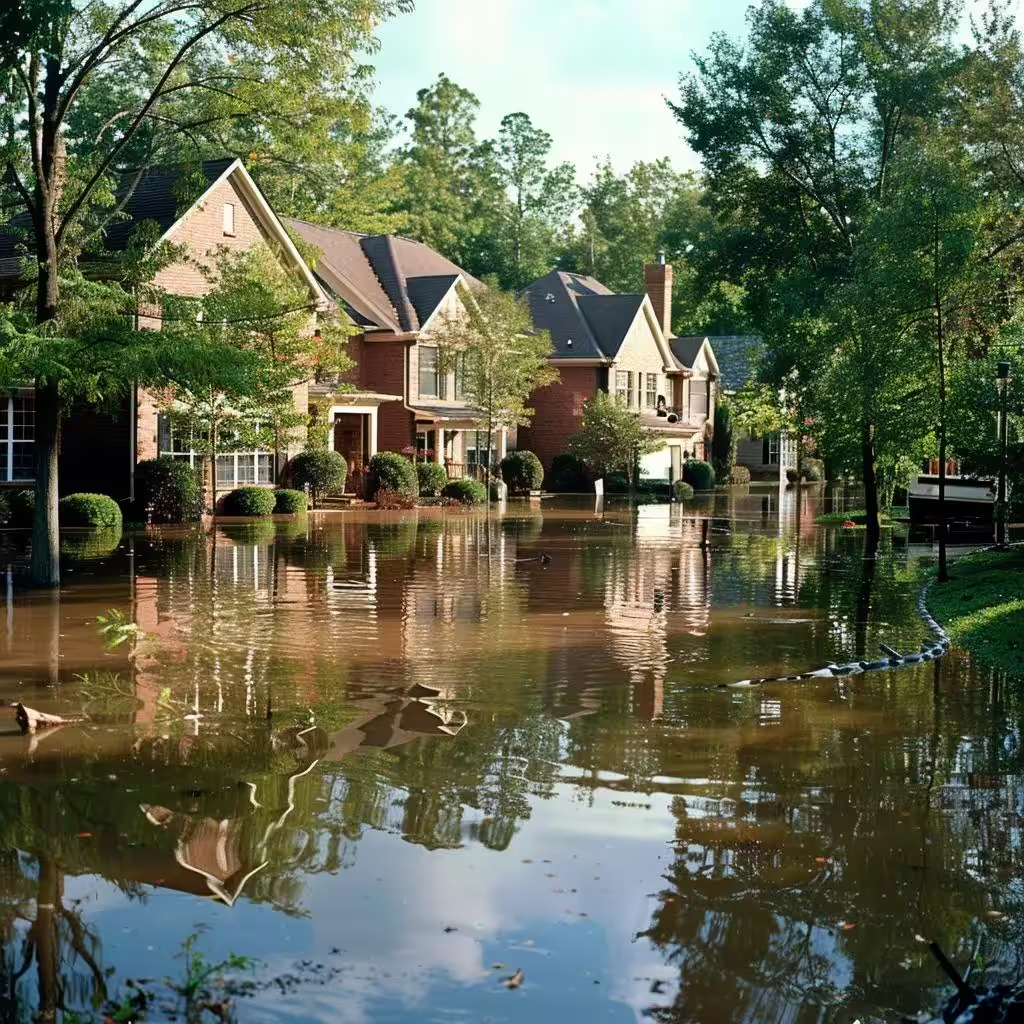
Flood insurance, often through the NFIP or private carriers, pays for water damage from storm surge, heavy rainfall and overland flooding. Without a separate flood policy:
- Rising water and storm surge damage to basements, flooring and walls is excluded
- Contents like furniture and electronics receive no coverage
- Homeowners risk thousands in reconstruction costs
Flood insurance bridges this gap by providing building and contents coverage up to policy limits, safeguarding investments in high-risk Charlotte neighborhoods near rivers and lakes.
Flood Insurance and Hurricane Damage
Flood insurance is crucial for protecting against water damage from storm surge, heavy rainfall, and overland flooding, which are often excluded from standard homeowners insurance policies. Without separate flood coverage, homeowners risk significant financial losses from water-related damages to their property and belongings.
Federal Emergency Management Agency (FEMA)
This citation emphasizes the importance of flood insurance in the context of hurricane preparedness and recovery.
When Is Windstorm Insurance Required in Hurricane-Prone Areas?
In coastal zones and wind-exposed counties, insurers often require a windstorm endorsement or separate windstorm policy. This specialized coverage:
- Applies strict building code standards for repairs
- May carry its own deductible tied to storm declarations
- Ensures windstorm perils aren’t limited by standard homeowners exclusions
Windstorm insurance keeps premiums stable across high-risk areas and protects against policy cancellations that can occur when insurers withdraw from hurricane-prone markets.
What Are Common Policy Exclusions in Hurricane Damage Coverage?
Policies frequently exclude these hurricane-related perils:
- Flooding and storm surge under homeowners insurance
- Sewer backup unless a separate endorsement is added
- Mold remediation beyond 72 hours of water intrusion
- Debris removal costs over specified limits
Knowing these exclusions allows homeowners to purchase endorsements or supplemental policies, ensuring no aspect of hurricane damage goes unpaid.
How Do Hurricane Deductibles Affect Your Insurance Coverage?
Hurricane deductibles determine your share of repair costs and differ significantly from standard deductibles. Understanding them avoids surprise bills. You can find out more about storm damage restoration.
What Is a Hurricane Deductible and How Is It Calculated?
A hurricane deductible is a percentage-based amount—often 1–5% of your dwelling coverage—that you pay before insurance applies. For example:
| Entity | Attribute | Value |
|---|---|---|
| Hurricane Deductible | Type | Percentage-based |
| Calculation Basis | Dwelling Coverage | $300,000 home value |
| Deductible Amount (2%) | Out-of-Pocket Cost | $6,000 |
| Benefit | Claims Clarity | Predictable cost share |
This structure ties your financial responsibility to your home’s insured value, aligning deductible with potential storm severity.
Hurricane Deductibles and Homeowner Costs
Hurricane deductibles are typically a percentage of the dwelling coverage, often ranging from 1% to 5%. This percentage-based system determines the homeowner’s financial responsibility before insurance coverage kicks in, directly impacting out-of-pocket expenses during a hurricane event.
Insurance Information Institute
This information clarifies how hurricane deductibles function and their impact on homeowners’ financial obligations.
When Is a Hurricane Deductible Triggered?
A hurricane deductible applies only when a named storm reaches the National Hurricane Center’s threshold and a state of emergency or hurricane warning is declared in your region. Once triggered:
- All covered hurricane damage claims within the event period share the same deductible
- Subsequent named storms may or may not re-trigger, depending on your policy’s “single event” language
Clear triggers prevent misapplication of deductibles to non-hurricane perils.
How Do Percentage-Based Deductibles Compare to Flat Deductibles?
Percentage deductibles scale with home value, while flat deductibles are a fixed dollar amount.
| Entity | Attribute | Value Comparison |
|---|---|---|
| Percentage Deductible | Flexibility | Adjusts with home value |
| Flat Deductible | Predictability | Fixed amount regardless of insured dwelling value |
| Homeowner Impact | High-Value Property | Percentage may yield higher out-of-pocket costs |
| Budget Planning | Flat-Cost Simplicity | Easier budgeting but may be high relative to loss |
Homeowners with expensive properties often face larger percentage deductibles, which can influence coverage decisions.
What Are Single Season Hurricane Deductibles?
Single season hurricane deductibles apply one time during a defined hurricane season. All claims from multiple storms share the same deductible, offering:
- Lower combined out-of-pocket if multiple events occur
- Simplified billing and reduced anxiety during active seasons
Checking your policy’s event definition helps plan for surges in hurricane activity along the Carolinas.
What Are the Steps to File a Hurricane Damage Insurance Claim?
Filing a thorough claim accelerates your payout and ensures repairs match policy limits. The right steps also support Nics Restoration’s prompt response.
What Immediate Actions Should You Take After Hurricane Damage?
After assuring safety:
- Turn off utilities to prevent secondary damage.
- Conduct a quick walkthrough to identify hazards and take safety photos.
- Board up broken windows or tarp a compromised roof to limit further water intrusion.
Immediate stabilization curbs additional losses and creates clear evidence for your insurer and restoration team. home damage restoration
How Do You Document Property Damage for Insurance Claims?
Accurate documentation maximizes claim approval. Gather: emergency restoration
- High-resolution photos of all damaged areas, before and after any temporary repairs
- A room-by-room inventory listing damaged personal property with approximate values
- Date-stamped video walkthroughs narrated to describe each loss
This evidence aligns with insurer requirements, reducing disputes and speeding settlement.
How Should You Work with Insurance Adjusters During Claims?
Insurance adjusters assess damage and recommend payouts. To collaborate effectively: insurance quote assistance.
- Provide your documentation package promptly
- Walk through the property together, pointing out pre-existing conditions to avoid misunderstandings
- Request copies of estimates and ask clarifying questions about coverage limits
Open communication builds trust and helps Nics Restoration coordinate repairs matching approved scopes.
What Are Common Reasons for Claim Denials and How to Appeal?

Claims are often denied due to missing evidence, late filing, or exclusions. To appeal: insurance quote assistance
- Review the denial letter and policy wording
- Submit supplemental documentation, such as contractor estimates or expert opinions
- Request an independent appraisal if disputes persist
A structured appeal based on policy terms typically reverses denials and unlocks necessary funds for restoration.
How Does Hurricane Damage Restoration Align with Your Insurance Claim?
Proper restoration maximizes insurance benefits by meeting adjuster standards for repairs and documentation.
Which Restoration Services Are Typically Covered by Hurricane Insurance?
Insurance funds commonly cover:
- Emergency board-up and tarping to secure your home
- Water damage restoration including extract, dry and dehumidify
- Wind damage repair to roofs, siding and windows
- Mold remediation if contamination occurs within policy timelines
Aligning each service with your claim ensures no repair is overlooked and full benefits are utilized.
How Can Nics Restoration Assist with Insurance Claim Documentation?
Nics Restoration’s Charlotte team provides:
- Detailed scope of work reports linking repairs to specific policy coverages
- Photographic logs of pre- and post-repair conditions
- Direct communication with adjusters to clarify technical aspects of structural and water mitigation work
This expert support reduces insurer pushback and accelerates your claim payout.
What Should You Know About Reconstruction and Remodeling After Damage?
Insurance payouts typically focus on “like-kind and quality” repairs. When upgrading beyond original specifications:
- Additional living expenses coverage may fund temporary accommodations
- Policy endorsements or endorsements might cover code upgrade costs
- Document upgrade costs separately to negotiate supplemental payouts
Understanding rebuilding limits and upgrade allowances prevents unexpected expenses during your home’s return to pre-storm condition.
What Local Hurricane Insurance Resources Are Available in Charlotte, NC?
North Carolina’s regulations and Charlotte’s weather patterns shape local coverage needs and resources.
What Are North Carolina’s Hurricane Insurance Regulations?
North Carolina mandates:
- A maximum 5% hurricane deductible for dwelling coverage
- Windstorm coverage options for Coastal Plain counties
- A 30-day waiting period for NFIP flood policies unless renewals are in place
These rules protect homeowners from excessive cost-sharing and ensure timely access to flood coverage.
What Types of Hurricane Damage Are Common in Charlotte and Surrounding Areas?
Inland Charlotte often encounters:
- Wind-driven rain seeping under eaves, leading to drywall and insulation damage
- Fallen trees and branches causing roof punctures or structural damage
- Flash flooding in creeks and low-lying neighborhoods damaging basements
Awareness of local damage patterns guides coverage decisions and pre-storm preparations.
Where Can You Find Local Emergency Services and Restoration Contacts?
Key Charlotte resources include:
- Mecklenburg County Emergency Management for storm alerts and shelters
- North Carolina Department of Insurance consumer helpline for policy guidance
- Nics Restoration’s 24/7 emergency hotline at (704) 555-1234 for immediate board-up and water extraction
Having these contacts ready ensures fast responses when every minute counts.
How Have Charlotte Homes Been Restored After Recent Hurricanes?
Case Study Snapshot:
- A Myers Park residence sustained roof and flood damage during Hurricane Florence.
- Nics Restoration completed emergency tarping, water extraction and full interior rebuild under insurer supervision.
- Detailed reports and before/after photos secured a full claim payout within 45 days, enabling a swift return home.
Local success stories demonstrate the value of professional restoration aligned with insurance requirements.
How Can You Assess If Your Hurricane Insurance Coverage Is Enough?
Evaluating coverage adequacy prevents gaps that can leave homeowners vulnerable to major expenses.
What Coverage Limits Should You Look for in Your Policy?
Key limits include:
- Dwelling coverage matching current rebuild costs per square foot
- Personal property limits at least 50% of dwelling coverage value
- Additional living expenses (ALE) covering 12-24 months of housing costs
Checking and updating these limits annually keeps insurance aligned with market conditions and renovation investments.
How Does Climate Change Impact Hurricane Risk and Insurance Needs?
Warming oceans fuel stronger storms, increasing:
- Intensity of wind speeds and storm surge heights
- Frequency of heavy rainfall events leading to inland flooding
- Insurance premium volatility as carriers adjust to heightened risk
Anticipating these trends supports proactive coverage upgrades before policy renewals.
What Tools or Checklists Can Help Evaluate Your Coverage Adequacy?
Interactive resources include: storm damage restoration.
- The Insurance Information Institute’s rebuild cost estimator tool
- NFIP’s flood risk maps and premium calculators
- Nics Restoration’s downloadable Coverage Review Checklist for Charlotte homes
Using these tools highlights deficiencies and prompts timely policy adjustments.
When Should You Consider Supplemental Insurance Policies?
Supplemental options become critical when:
- Your property lies in a designated flood zone without NFIP coverage
- High-value personal property exceeds standard limits
- Coastal wind exposure triggers separate windstorm endorsements
Adding endorsements or standalone policies fills critical protection gaps for comprehensive hurricane resilience.
Frequently Asked Questions
What Should Homeowners Do to Prepare for a Hurricane?
Preparation is key to minimizing hurricane damage. Homeowners should create an emergency plan that includes securing important documents, stocking up on supplies like food, water, and medications, and ensuring that their property is fortified against strong winds. This may involve trimming trees, securing outdoor furniture, and installing storm shutters. Additionally, reviewing and updating insurance policies to ensure adequate coverage is crucial. Engaging with local emergency services and staying informed about weather updates can also enhance safety and readiness.
How Can Homeowners Assess the Adequacy of Their Flood Insurance?
To assess flood insurance adequacy, homeowners should evaluate their policy limits against potential flood risks in their area. This includes understanding the elevation of their property, historical flood data, and the specific coverage provided by their policy. Homeowners should also consider the replacement cost of their home and belongings, ensuring that their flood insurance covers these adequately. Consulting with an insurance agent can provide insights into necessary adjustments based on changing flood risk assessments and local regulations.
What Are the Benefits of Working with a Restoration Company After a Hurricane?
Working with a restoration company after a hurricane offers numerous benefits, including expertise in damage assessment, efficient cleanup, and restoration services that align with insurance requirements. Restoration professionals can help document damage thoroughly, which is crucial for insurance claims. They also have the necessary equipment and trained personnel to handle hazardous situations safely. Additionally, a reputable restoration company can expedite the recovery process, allowing homeowners to return to their normal lives more quickly and with less stress.
How Can Homeowners Stay Informed About Hurricane Risks?
Homeowners can stay informed about hurricane risks by subscribing to local weather alerts and updates from the National Hurricane Center. Utilizing smartphone apps that provide real-time weather information can also be beneficial. Engaging with community resources, such as local emergency management offices, can offer insights into preparedness initiatives and evacuation plans. Additionally, following trusted news sources and social media channels dedicated to weather updates can help homeowners remain aware of potential threats and necessary actions.
What Should Homeowners Know About Insurance Policy Changes After a Hurricane?
After a hurricane, homeowners should be aware that insurance policies may change based on the risk assessment of their area. Insurers might adjust premiums, coverage limits, or deductibles in response to increased risk. It’s essential for homeowners to review their policies annually and after significant weather events to ensure they have adequate coverage. Consulting with an insurance agent can help clarify any changes and ensure that homeowners understand their options for maintaining or enhancing their coverage.
What Are the Long-Term Impacts of Hurricanes on Home Insurance Premiums?
Hurricanes can lead to long-term impacts on home insurance premiums, particularly in high-risk areas. Insurers may raise premiums to account for increased risk and potential claims. Additionally, some companies may limit coverage options or impose stricter underwriting guidelines. Homeowners should be proactive in understanding these changes and consider shopping around for competitive rates or alternative coverage options. Engaging with local insurance agents can provide insights into the best strategies for managing insurance costs in hurricane-prone regions.
What Is a Hurricane Deductible?
A hurricane deductible is a separate out-of-pocket amount—usually 1–5% of your dwelling coverage—that applies specifically to wind and storm-related claims when a named storm is declared.
Does Standard Homeowners Insurance Cover Hurricane Damage?
Standard homeowners insurance covers wind-related hurricane damage but excludes flood, storm surge and sewer backup, which require separate policies or endorsements.
Is Flood Damage Covered by Hurricane Insurance?
Flood damage from rising water and storm surge is excluded under typical homeowners policies; flood insurance through the NFIP or private carriers is essential for water-related hurricane losses.
How Do I File a Hurricane Damage Claim?
To file a claim, ensure safety first, document all damage with photos and inventories, notify your insurer promptly, and keep detailed records of communications and repair estimates.
What Is Windstorm Insurance and When Do I Need It?
Windstorm insurance is a specialized policy or endorsement required in coastal and high-wind zones to cover losses from hurricane-force winds beyond standard homeowners exclusions.
What Are the Next Steps to Protect Your Property with Nics Restoration?
Choosing a proven local partner before and after a hurricane ensures rapid stabilization, thorough restoration and smooth insurance settlements.
How Can Nics Restoration Help Before and After a Hurricane?
Nics Restoration offers:
- Pre-storm consultations to review policies, document home conditions and install protective measures
- 24/7 emergency board-up, tarping and water extraction to limit damage
- Full restoration, reconstruction and remodeling services aligned with insurer scopes
Advanced preparation and swift response reduce claim disputes and speed your home’s recovery.
How to Contact Nics Restoration for Emergency Damage Services in Charlotte?
Reach Nics Restoration any time at:
- Phone: (704) 555-1234
- Website: nicsrestoration.com
- Service Area: Mecklenburg, Union and surrounding counties
Our local teams dispatch within hours to secure your property and begin restoration.
Why Choose Nics Restoration for Your Hurricane Damage Recovery?
With more than a decade of Charlotte-area experience, Nics Restoration blends insurance claim expertise, certified technicians and a customer-first approach to deliver: about us
- Transparent reporting and documentation for insurers
- Code-compliant repairs that meet or exceed original standards
- Dedicated project managers to guide you from damage assessment through final inspection
Trust Nics Restoration to restore your home safely and swiftly, backed by proven local authority and industry certifications.
Contact Nics Restoration today to review your hurricane insurance coverage and schedule a free pre-storm inspection. Ensure your policy matches your risk and your repairs get full insurance support.