
Choosing the right restoration company matters more than you might think. Over 72 percent of consumers use online reviews as a deciding factor when picking a service provider, yet credentials and communication get overlooked. Most people rush to the company with the flashiest ad or lowest quote. That is exactly how costly mistakes happen. The companies that quietly ace their licensing, insurance, and training often deliver the smoothest restoration experience. Here is what most people miss when making this crucial decision.
Table of Contents
- Check For Proper Licensing And Insurance
- Review Online Reviews And Testimonials
- Ask About Their Experience And Training
- Understand Their Communication Process
Quick Summary
| Takeaway | Explanation |
|---|---|
| Check for Proper Licensing and Insurance | Ensure the restoration company holds legitimate licenses and comprehensive insurance to protect against financial risks during restoration work. |
| Review Online Feedback | Utilize online reviews and testimonials to gain insights into the company’s reliability, service quality, and responsiveness before making a selection. |
| Assess Experience and Training | Prioritize restoration companies with verified professional certifications and practical experience in handling projects similar to yours for quality assurance. |
| Understand Communication Process | Evaluate the company’s communication standards for clarity, responsiveness, and transparency as a vital element in ensuring a smooth restoration experience. |
Check for Proper Licensing and Insurance
Selecting the right restoration company goes far beyond getting a quick quote. Licensing and insurance are critical safeguards that protect you from potential financial and legal risks during property restoration.
Understanding Professional Licensing Requirements
A reputable restoration company must demonstrate professional credentials that validate their expertise and legal standing. When performing restoration company selection, homeowners should first verify specific licenses that indicate professional competence. Professional licensing typically includes general contractor licenses, which confirm the company has met rigorous state and local regulatory standards.
Specialized restoration work requires additional certifications. For water damage restoration, companies should hold specific environmental remediation licenses. These credentials prove the team understands complex protocols for handling hazardous materials, water extraction, and structural drying. A license demonstrates that technicians have undergone proper training and understand safety regulations critical to effective restoration.
Comprehensive Insurance Coverage Protection
Insurance is not just a recommendation it is an absolute necessity when choosing a restoration company. Professional restoration firms should carry multiple insurance types that protect both the property owner and their workers. Look for companies with:
- General Liability Insurance: Covers potential property damage during restoration work
- Workers Compensation Insurance: Protects workers in case of job site injuries
- Professional Liability Insurance: Provides coverage for potential errors or mistakes during restoration projects
Asking for proof of insurance is not optional it is a critical step in your restoration company selection process. Requesting and verifying current insurance certificates helps you avoid potential financial risks. Uninsured restoration companies could leave you responsible for accidents, property damage, or worker injuries that occur during the restoration project.
Verifying Credentials And Documentation
Do not simply accept a restoration company’s word about their licensing and insurance. Request and independently verify all documentation. Most reputable restoration companies will gladly provide:
- State contractor license numbers
- Current insurance certificate copies
- Professional certification documentation
Additionally, you can cross reference licensing information through state contractor boards or professional restoration associations. The Institute of Inspection Cleaning and Restoration Certification (IICRC) provides an excellent resource for verifying professional credentials in the restoration industry.
Remember that proper licensing and comprehensive insurance are fundamental indicators of a professional restoration company. These credentials demonstrate commitment to quality, safety, and professional standards. Taking time to thoroughly verify these elements protects your property, finances, and peace of mind during what can be a stressful restoration process.
Review Online Reviews and Testimonials
In the digital age, online reviews and testimonials have become crucial tools for making informed decisions about restoration companies. Research from Qualtrics reveals that 72% of consumers consider online reviews critical when selecting a service provider, making them an essential component of your restoration company selection process.
Understanding the Importance of Online Feedback
Online reviews provide more than just surface level information. They offer deep insights into a restoration company’s actual performance, reliability, and customer service quality. Unlike carefully crafted marketing materials, reviews represent real experiences from homeowners who have navigated similar restoration challenges.
When examining reviews, look beyond the star rating. Pay attention to detailed narratives that describe specific aspects of the restoration process. A five star review that provides context about the company’s communication, timeliness, and problem solving skills is far more valuable than a generic positive comment.
Analyzing Review Sources and Credibility
Not all review platforms are created equal. Prioritize reviews from multiple reputable sources to get a comprehensive understanding of a restoration company’s performance. Key platforms to investigate include:
- Google Reviews: Provides verified customer experiences
- Better Business Bureau (BBB): Offers professional ratings and complaint histories
- Yelp: Hosts detailed customer testimonials
- Specialized Restoration Industry Platforms: Offer industry specific insights
Research indicates that negative reviews can significantly impact a company’s reputation. Therefore, pay close attention to how companies respond to criticism. Professional restoration firms typically address negative feedback constructively, demonstrating accountability and commitment to customer satisfaction.
Red Flags and Positive Indicators In Reviews
Develop a strategic approach to reviewing customer testimonials. Look for consistent patterns that reveal the company’s true operational standards. Positive indicators include:
- Consistent praise for communication and transparency
- Detailed descriptions of successful restoration processes
- Evidence of technical expertise and problem solving skills
- Timely and professional resolution of unexpected challenges
Conversely, be wary of review patterns that suggest potential problems:
- Repeated complaints about delays
- Inconsistent quality of work
- Poor communication
- Unexpected additional charges
Remember that restoration company selection is not just about finding the cheapest option but identifying a reliable partner who can effectively restore your property. Online reviews and testimonials provide valuable insights that help you make an informed decision, potentially saving you significant time, money, and stress in the restoration process.
Ask About Their Experience and Training
When selecting a restoration company, their experience and training are paramount indicators of potential service quality. Technical expertise and practical knowledge separate exceptional restoration professionals from average service providers.
Professional Certifications and Industry Standards
The Institute of Inspection Cleaning and Restoration Certification (IICRC) represents the gold standard for restoration industry credentials. With over 60,000 certified technicians worldwide, IICRC certification signals comprehensive training and commitment to professional excellence. When performing restoration company selection, prioritize firms with technicians holding current IICRC certifications in specific restoration disciplines like water damage, fire restoration, and mold remediation.
Beyond basic certifications, look for advanced designations such as the Environmental Risk Specialist (ERS) Advanced Pillar Designation. This credential requires a minimum of five years verifiable work experience, indicating deep industry knowledge and practical expertise. Such advanced certifications demonstrate a company’s dedication to ongoing professional development and mastery of complex restoration techniques.
Evaluating Practical Experience and Track Record
Certifications alone do not guarantee exceptional service. Investigate the company’s practical experience through targeted questions about their restoration history. Key areas to explore include:
- Years of operational experience in your specific restoration category
- Number of successful projects completed
- Experience handling restoration challenges similar to your situation
- Documented case studies or project portfolios
A reputable restoration company should readily provide concrete examples of past projects. Request references from recent clients who experienced similar restoration needs. Speaking directly with previous customers offers unfiltered insights into the company’s actual performance, problem solving capabilities, and customer service quality.
Continuous Training and Technical Competence
Restoration technology and best practices evolve rapidly. Top tier restoration companies invest continuously in staff training and technical education. Industry research highlights the critical importance of both on site hands on training and formal certification courses.
When interviewing potential restoration companies, ask specific questions about their training programs:
- How often do technicians receive technical training?
- What equipment manufacturers’ certifications do they hold?
- Do they participate in industry seminars and workshops?
- How do they stay current with emerging restoration technologies?
Companies demonstrating a commitment to ongoing education and skill development are more likely to deliver high quality, technologically advanced restoration services. Their investment in continuous learning reflects a professional approach that goes beyond minimum industry requirements.
Remember that experience and training are not just checkboxes but critical indicators of a restoration company’s capability to handle your specific restoration challenges effectively and efficiently.

Understand Their Communication Process
Effective communication is the backbone of successful restoration projects. When selecting a restoration company, their ability to communicate clearly, consistently, and transparently can make the difference between a smooth restoration experience and a frustrating ordeal.
Initial Communication and Responsiveness
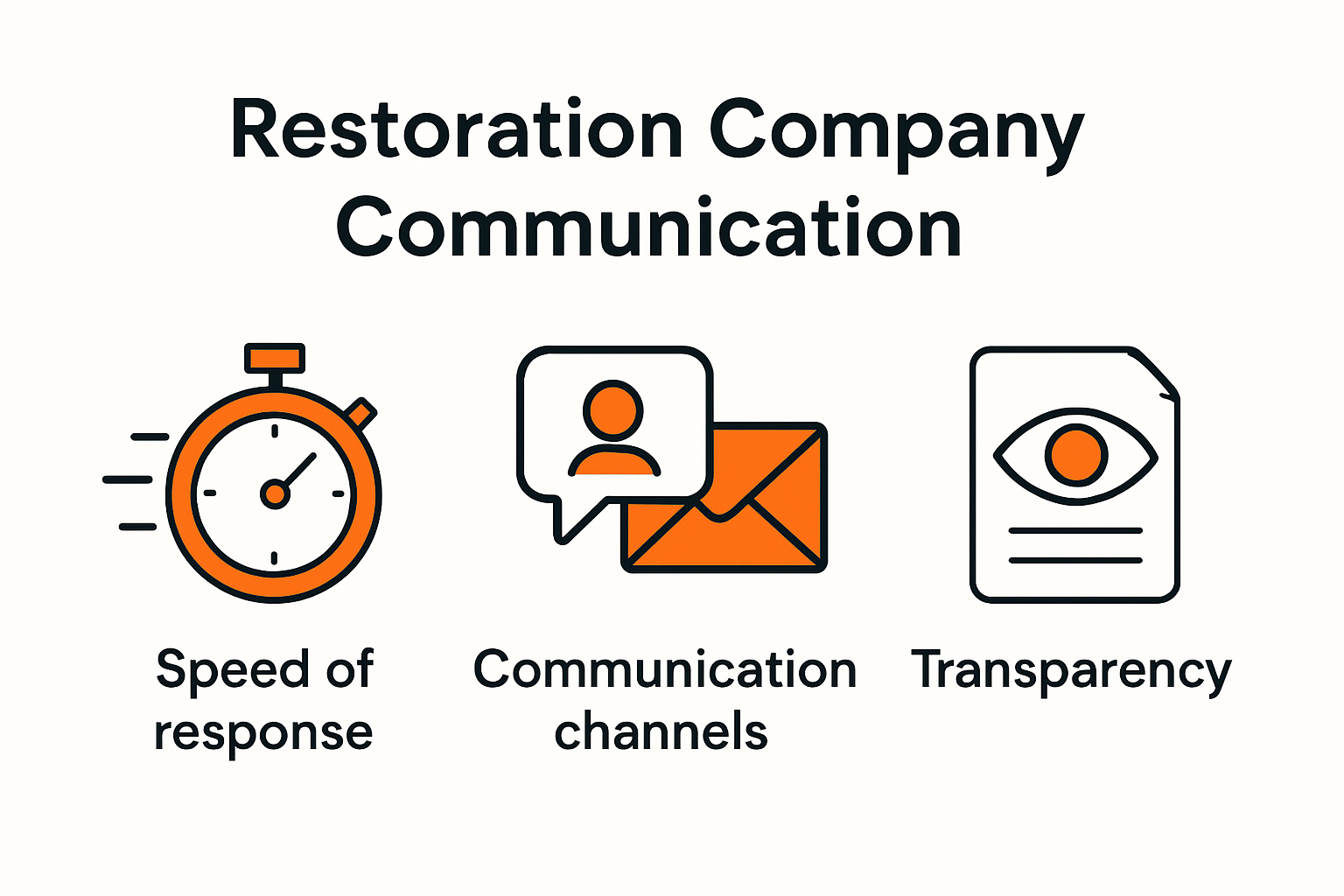
Your first interaction with a restoration company reveals volumes about their communication standards. Pay attention to key indicators of professional communication:
- Speed of initial response
- Clarity of information provided
- Willingness to answer detailed questions
- Professionalism in communication channels
Customer service research suggests that companies responding within one hour of initial contact are 60% more likely to create a positive customer experience. A restoration company that provides prompt, detailed responses demonstrates respect for your time and concern about your restoration needs.
Communication Channels and Transparency
Modern restoration companies should offer multiple communication channels to accommodate different client preferences. Look for companies that provide:
- Direct phone contact with project managers
- Email communication options
- Text message updates
- Online project tracking portals
- Clear documentation of all communication
Transparency means more than just providing updates. It involves giving you comprehensive information about the restoration process, potential challenges, estimated timelines, and cost breakdowns. A reputable restoration company will proactively communicate potential complications and proposed solutions before they become significant issues.
Documentation and Ongoing Communication Protocols
Professional restoration companies establish structured communication protocols that ensure you remain informed throughout the entire restoration process. Key elements of effective communication documentation include:
- Detailed initial assessment reports
- Daily or weekly progress updates
- Comprehensive photographic documentation
- Clear explanations of technical restoration procedures
- Immediate notification of any unexpected developments
Ask potential restoration companies about their standard communication practices. How frequently will they update you? What specific information will be included in progress reports? Do they assign a dedicated point of contact who will be available to answer your questions throughout the project?
Remember that exceptional communication is not just about frequency but about quality. A restoration company that communicates clearly, professionally, and consistently demonstrates their commitment to customer satisfaction. Your goal is to select a partner who will keep you informed, address your concerns promptly, and make the restoration process as stress free as possible.
Ultimately, your comfort level with a company’s communication approach is a critical factor in your restoration company selection. Trust your instincts and choose a partner who makes you feel supported and well informed throughout the restoration journey.
Frequently Asked Questions
What should I check before hiring a restoration company?
Ensure the company has proper licensing and comprehensive insurance coverage to protect against financial risks during restoration work.
How can I assess a restoration company’s reliability?
Review online testimonials and feedback on platforms like Google Reviews and the Better Business Bureau to gauge the company’s reliability and service quality.
Why is the experience and training of restoration technicians important?
The experience and certifications of technicians ensure high-quality service and an understanding of complex restoration processes, leading to better results.
How important is communication during the restoration process?
Effective communication is critical for a smooth restoration experience. A company should provide clear updates and be responsive to your questions throughout the project.
Choose NICS for Your Restoration Needs and Experience Peace of Mind
Navigating the aftermath of a disaster can feel overwhelming, especially when selecting a restoration company. As highlighted in the article, checking for proper licensing, insurance, and communication is essential to ensure a smooth restoration experience. You want a partner who not only understands the intricacies of insurance claims but also values transparency and expertise—that’s where National Insurance Claim Specialist (NICS) shines.
We specialize in providing tailored disaster recovery solutions, assisting you through complex insurance processes, and maximizing your entitled compensation after hurricanes, floods, fires, and more. With our commitment to personalized service and ethical practices, we guarantee you won’t just be restoring your property, but also your peace of mind.
Ready to get started? Don’t wait until it’s too late! Contact us NOW at nicsrestoration.com to schedule your consultation and take the first step toward a brighter, restored future.