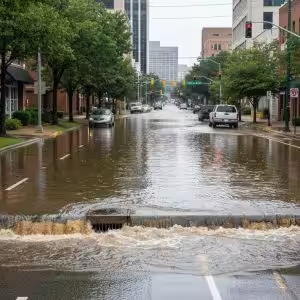
Identifying Hurricane Damage: Key Signs Homeowners Must Inspect After a Storm

When a hurricane’s 80-mile-per-hour winds pound Charlotte, they can lift shingles, tear gutters, and let water invade walls in minutes. Recognizing what are the common signs of hurricane damage that homeowners should look for empowers you to act before minor issues become costly repairs. This guide maps seven critical inspection areas—roof damage, water intrusion, mold growth, immediate safety steps, structural cracks, insurance claims, and future preparedness—so you can protect your property and call on Nics Restoration’s emergency team only when necessary.
What Are the Most Common Signs of Hurricane Roof Damage?
Hurricane roof damage refers to any compromise in roofing materials caused by high winds, hail, or debris impact. Wind uplift often pries up shingles, exposing decking and allowing leaks, while hail dents surfaces and weakens the protective barrier. For example, lifted shingles near the ridge vent can lead to water intrusion within hours. Recognizing these roof defects early prevents interior collapse and accelerates weatherproofing.
Before lists, here is a quick overview of roof damage attributes:
| Entity | Attribute | Value |
|---|---|---|
| Shingle | Condition | Missing, lifted, or cracked |
| Roof decking | Exposure status | Visible wood, moisture stains |
| Flashing | Integrity | Bent, separated, or corroded metal |
| Gutter | Alignment | Detached, bent or clogged debris |
Early roof inspections reveal missing shingles, sagging decking, damaged flashing, and dented panels, all of which signal urgent repairs and possible tarping by professionals.
How to Identify Missing or Lifted Shingles After a Hurricane
Inspect the roof surface for bare spots where shingles once lay and edges that curl upward. Lifted shingles indicate wind uplift pressure exceeding shingle adhesion; this breach can let wind-driven rain seep beneath layers. Document lifted sections with photos and mark their locations for roofers to prioritize roof repair or replacement.
What Does Exposed Roof Decking Indicate?
When shingles are torn away, the underlying decking—typically plywood—becomes exposed to rain, UV rays, and debris impact. Exposed roof decking suggests immediate risk of rot and structural weakening. Prolonged exposure can warp decking panels and compromise roof trusses, making professional board replacement essential.
How Can Damaged Flashing and Gutters Signal Storm Impact?
Flashing seals roof-to-wall joints, while gutters channel water away from foundations. Bent flashing or detached gutters reveal where wind gusts and flying debris struck weakest points. Such damage often leads to water pooling at roof seams and along eaves, increasing leak potential and foundation washout.
What Are the Effects of Wind Uplift and Hail on Your Roof?
Wind uplift pries at shingles and edge metal, while hail impact leaves circular divots and microfractures in asphalt. Both mechanisms accelerate shingle granule loss and weaken waterproof layers. Immediate shingle repair and hail-resistant coating can restore barrier integrity and extend roof lifespan.
How Can Homeowners Detect Water Damage After a Hurricane?
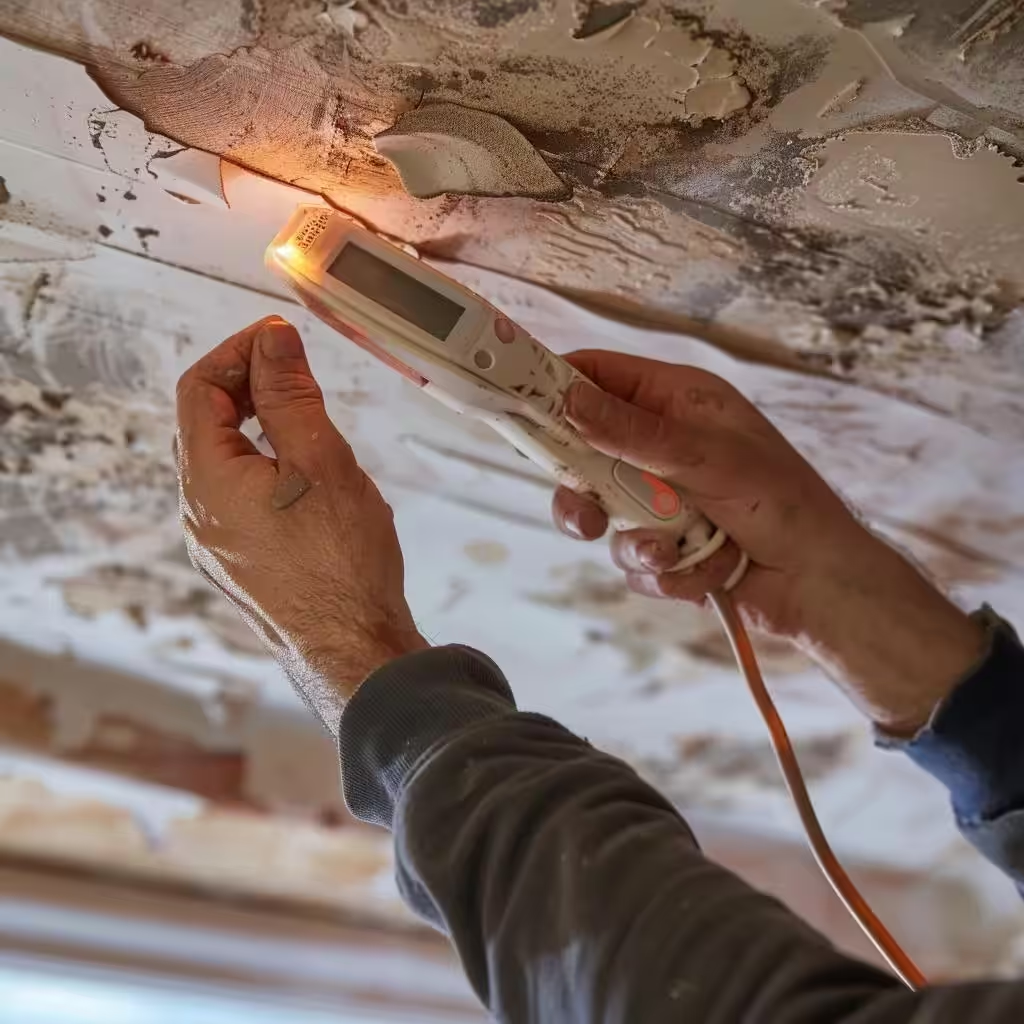
Water damage occurs when rainwater infiltrates ceilings, walls or subfloors, promoting mold and wood decay. Post-storm flooding and roof leaks both contribute to stains, warping, and saturated insulation. Detecting water damage early shields structural elements and prevents indoor air-quality deterioration. For professional help, consider water damage restoration.
To categorize water assessment points, review this EAV table:
| Entity | Attribute | Value |
|---|---|---|
| Ceiling | Stains | Brown rings or yellow splotches |
| Wall | Discoloration | Bubbling paint, soft plaster |
| Flooring | Warping level | Buckled boards, lifted tiles |
| Insulation | Moisture status | Saturated, mildew growth |
Early detection of stains, warped floors, and soggy insulation guides targeted water damage restoration and drying protocols.
Hurricane Damage and Water Intrusion
Research indicates that water intrusion following hurricanes is a significant cause of property damage, leading to mold growth and structural issues. Studies emphasize the importance of early detection and rapid response to mitigate the extent of damage and prevent long-term problems. For further information, you can visit the real threat of water damage from storms explored.
This research supports the article’s emphasis on detecting water damage and the need for prompt action to prevent further damage.
What Are the Signs of Ceiling and Wall Water Stains?
Brown or yellow rings around light fixtures and peeling paint reveal trapped moisture behind drywall. Ceiling sagging often follows prolonged saturation. These stains define leak paths and help restoration experts locate interior breach points for targeted patching.
How to Recognize Warped Flooring and Peeling Paint From Water Intrusion
Floorboards that cup or separate indicate subfloor moisture absorption, while bubbling or flaking paint on walls marks trapped humidity. Walk through each room, noting uneven floor sections and granular paint surfaces. These visual cues guide prioritized drying and refinishing efforts.
What Are Hidden Water Leaks and Saturated Insulation?
Use a moisture meter along walls, ceilings, and attic floors to detect hidden leaks behind finishes. Insulation that feels damp or shows dark mold spots inside walls or crawl spaces signals trapped humidity needing professional extraction and replacement to prevent structural rot.
How Does Flooding Affect Charlotte Homes Specifically?
Charlotte’s urban basins channel stormwater rapidly, often overwhelming yard drainage and seeping into basements. Historic flood zones in Mecklenburg County mean even inland homes can face groundwater intrusion. Local floodplain maps and sloped grading inspections help predict vulnerable areas for pre-emptive sandbagging.
What Are the Early Signs of Mold Growth After Hurricane Water Damage?
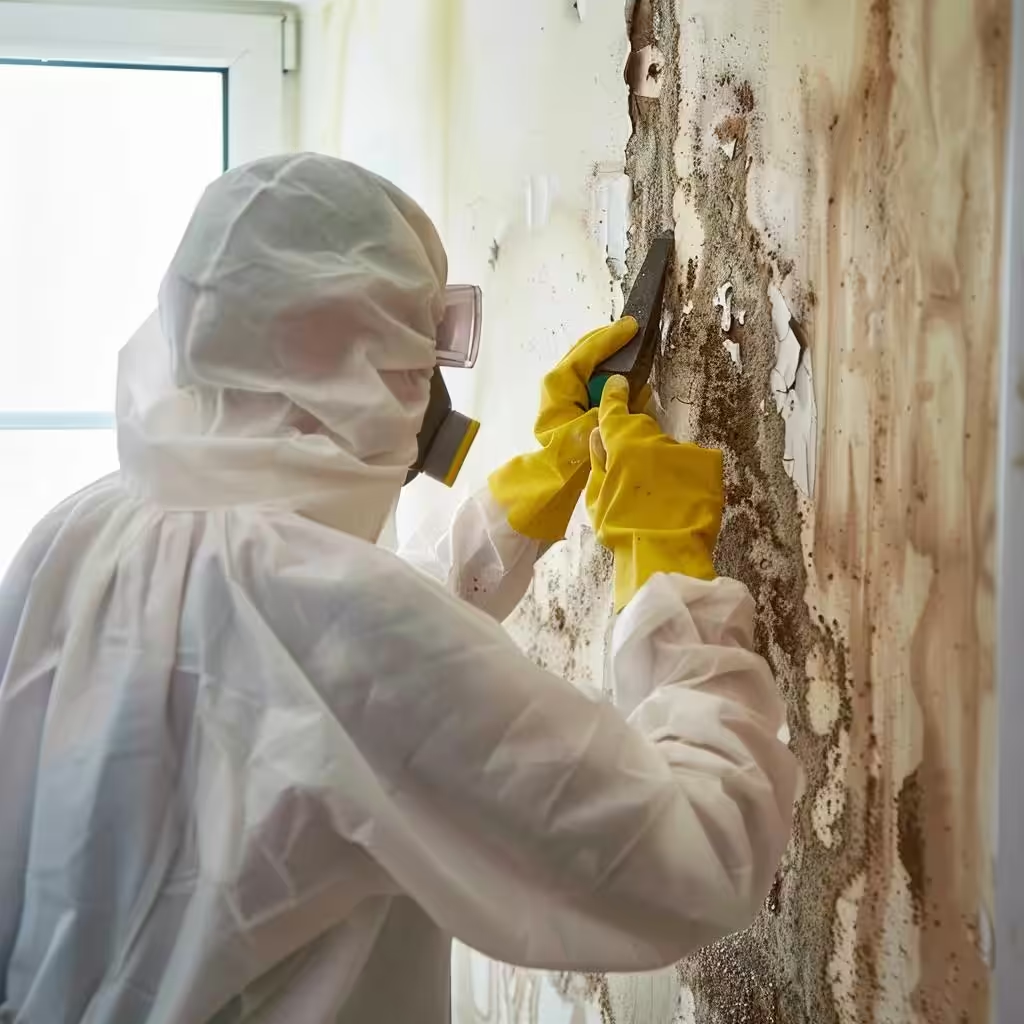
Mold growth begins when spores encounter damp conditions, typically 24–48 hours after water intrusion. Visible colonies appear as black, green, or white fuzzy patches on drywall, wood, or carpet backing. Early mold indicators—musty odors and discolored spots—signal the need for rapid mold remediation to protect health and structure.
| Entity | Attribute | Value |
|---|---|---|
| Timeframe | Growth window | 24–48 hours post-water intrusion |
| Appearance | Color variants | Black speckles, green patches |
| Odor | Detection | Earthy, musty scent in enclosed spaces |
| Health | Symptoms | Cough, sneezing, allergic reaction |
These mold signs emphasize swift drying and remediation by certified professionals.
How Quickly Does Mold Develop After a Storm?
Mold colonies can establish within two days when humidity remains above 60% and temperatures exceed 70°F. Unchecked moisture in attics, crawl spaces, or behind walls creates ideal growth incubators. Rapid dehumidification and professional mold inspection halt spread before spore counts escalate.
What Are Visible and Odor Indicators of Mold Infestation?
Look for spotty discoloration on surfaces and sniff for stale, damp odors in closets, under sinks, and inside HVAC returns. Waxy or fuzzy textures on materials confirm surface colonization. Early odor detection often precedes visual growth, prompting focused wall or duct inspections.
What Health Risks Are Associated With Post-Hurricane Mold?
Mold exposure can trigger respiratory irritation, asthma attacks, and sinus infections, especially in sensitive individuals. Mycotoxins produced by certain strains may exacerbate headaches, skin rashes, and fatigue. Professional testing quantifies spore levels and informs safe remediation protocols.
When Should You Call Professionals for Mold Remediation?
If mold covers more than ten square feet or you experience persistent musty odors and allergy symptoms, enlist IICRC-certified experts. Nics Restoration’s mold remediation teams use HEPA filtration and antimicrobial treatments to remove colonies and restore indoor air quality.
What Immediate Steps Should Homeowners Take After Identifying Hurricane Damage?
After surveying damage, homeowners must secure their safety, document losses, and engage emergency services. A structured response minimizes further deterioration and streamlines insurance claims. Prioritizing personal safety and clear records lays the groundwork for efficient restoration.
- Ensure personal safety by turning off electricity and gas to affected areas.
- Photograph and log all visible damage, including roofing and interior stains.
- Contact your insurance provider to report the loss and request a claim number.
- Reach out to emergency restoration professionals for temporary tarping and water extraction.
These action steps protect residents and property assets while preparing for full-scale repairs by trusted specialists.
How to Safely Inspect Your Property After a Storm
Wear protective gear—hard hats, gloves, and water-resistant boots—before walking on debris or wet flooring. Use a sturdy ladder to view roof areas from ground level and avoid entering walls or ceilings that show sagging or collapse risk. Safety-first inspections prevent injuries.
What Documentation Is Needed for Insurance Claims?
Compile dated photos, repair estimates, and contractor reports that itemize damage by category—roof, water, mold, structural. Maintain organized files of communications and receipts to validate your claim. Clear documentation accelerates claim approval and settlement.
When Is It Time to Contact Emergency Restoration Services?
Seek professional intervention if leaks persist, structural components sag, or mold odors spread. Rapid tarping, water extraction, and structural stabilization curb secondary damage. Nics Restoration’s emergency restoration teams in Charlotte deploy within hours to prevent costly deterioration.
How Does Nics Restoration Support Rapid Damage Mitigation in Charlotte?
Nics Restoration mobilizes certified crews with specialized equipment—moisture meters, industrial dehumidifiers, and tarping materials—to secure roofs and extract water. Their local expertise in Mecklenburg County flood patterns ensures targeted interventions, limiting downtime and repair costs.
How Can Homeowners Assess Structural Damage Caused by Hurricanes?
Structural damage encompasses foundational shifts, wall cracks, and framing misalignments triggered by wind pressure and saturated soils. Early identification safeguards against collapse and informs necessary stabilization repairs to restore building integrity.
| Entity | Attribute | Value |
|---|---|---|
| Foundation | Crack type | Hairline, stair-step, horizontal |
| Wall | Deformation | Bowing or separation at joints |
| Framing | Alignment | Twisted or warped studs |
Recognizing these structural flaws prompts timely support under load-bearing elements and ensures safe living conditions.
What Are Common Signs of Foundation and Wall Cracks?
Stair-step cracks in brickwork and horizontal fissures in foundation walls signal soil pressure and settlement. Interior drywall cracks and doors that stick indicate shifting load paths. Document crack patterns and measurements to guide foundation repair specialists.
How to Detect Warping or Shifting in Building Components
Inspect window and door frames for uneven gaps or misalignment. Use a level on floors and walls to identify tilt or bow. Warped floor joists or sagging beams between attic joists reveal compromised structural supports needing sister-joist reinforcement or sagging beam replacement.
What Role Does Structural Stabilization Play in Restoration?
Structural stabilization methods—such as helical piers, steel braces, and temporary shoring—redistribute loads and prevent further movement. This underpinning protects investments and accelerates full reconstruction, ensuring long-term durability.
How Do Insurance Claims Work for Hurricane Damage in Charlotte, NC?
Filing a hurricane damage claim involves timely reporting, comprehensive documentation, and negotiation with adjusters. Understanding North Carolina’s specific policy terms—like wind-vs-hail deductibles and flood exclusions—helps homeowners secure fair settlements.
- Report losses within your policy’s specified timeframe, usually 30 days post-storm.
- Submit photos, repair estimates, and contractor assessments through your insurer’s portal.
- Schedule an adjuster visit to verify damage categories and scope.
- Review the draft estimate, provide additional documentation if needed, and negotiate coverage.
Structured compliance with insurers’ processes reduces denial risks and expedites rebuilding.
What Documentation Is Essential for Filing a Hurricane Damage Claim?
Include dated photos, contractor itemized estimates, repair invoices, and any emergency mitigation receipts. Clearly categorize roof, water, mold, and structural losses. Organized records demonstrate preparedness and support full claims coverage.
Insurance Claims and Documentation
Proper documentation, including photographs and detailed records, is crucial for a successful insurance claim after a hurricane. Insurance companies require comprehensive evidence to assess the extent of the damage and determine appropriate coverage, which can expedite the claims process.
This citation reinforces the article’s guidance on the importance of documentation when filing insurance claims.
How to Work Effectively With Insurance Adjusters
Accompany adjusters during inspections to point out hidden damage areas. Share your documented evidence and expert reports to reinforce repair needs. Professional restoration providers like Nics Restoration can supply detailed scope-of-work proposals to back your claim.
What Are Common Reasons for Claim Denials and How to Avoid Them?
Denials often result from missing documentation, late reporting, or misclassification of damage types. Prevent setbacks by submitting complete records on time and clearly distinguishing between hurricane-driven losses and gradual wear-and-tear conditions.
How Can Nics Restoration Assist With Insurance Claims?
Nics Restoration’s claims specialists prepare thorough damage reports, line-item scopes, and allow direct billing to insurers. Their local knowledge of North Carolina policy standards and adjuster expectations eases claim negotiation, reducing homeowner stress.
What Hurricane Preparedness Measures Can Charlotte Homeowners Take to Minimize Damage?
Proactive hurricane preparedness combines roof checks, landscape adjustments, and emergency kits to reduce impact severity. Understanding local flood zones and alert systems empowers property owners to act before storms arrive. storm damage restoration.
- Conduct a pre-storm inspection of roofing, gutters, and drainage points to ensure water channels correctly.
- Assemble an emergency kit stocked with flashlights, bottled water, non-perishable food, and first-aid supplies.
- Review Mecklenburg County flood maps to identify low-lying areas around your home and reinforce them.
- Sign up for Charlotte-Mecklenburg alert systems and NOAA weather updates to receive timely storm warnings.
These preparatory steps strengthen property resilience and set the stage for faster recovery when severe weather strikes.
What Should Be Included in a Pre-Storm Inspection Checklist?
A comprehensive checklist covers shingle integrity, flashing security, downspout alignment, tree branch clearance, and sump pump functionality. Document each item’s status and address deficiencies before hurricane season peaks.
How to Assemble an Effective Emergency Kit for Hurricane Season
Include one gallon of water per person per day for three days, non-perishable food, battery-powered radio, extra batteries, whistle, dust masks, and sanitation supplies. This kit ensures safety during power outages and limited access to services.
How Does Understanding Charlotte’s Flood Zones Help in Preparation?
Flood zones delineated by FEMA map areas at varying risk levels. Homes in high-risk zones benefit from sandbag staging, elevated utilities, and flood vents. Low-risk areas still require drain maintenance and gutter extension to prevent backyard pooling.
What Local Alert Systems and Resources Are Available for Charlotte Residents?
Charlotte-Mecklenburg publishes emergency notifications via Nixle, CodeRED, and local radio broadcasts. Register on the city’s website for storm advisories, evacuation orders, and shelter updates. Coordinating with neighbors through community social platforms enhances collective readiness.
Homes that follow these preparedness measures often sustain significantly less damage and recover faster—minimizing downtime and repair costs.
Nics Restoration stands ready to support Charlotte homeowners with comprehensive restoration and remodeling services. Whether you need a roof tarping, water extraction, mold remediation, or structural stabilization, their certified team delivers rapid, reliable solutions tailored to local conditions.
Reach out today to schedule a professional inspection and protect your home from future storms.