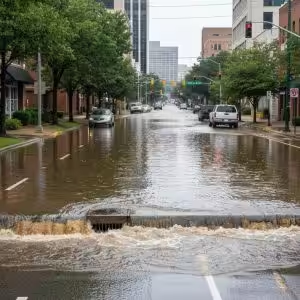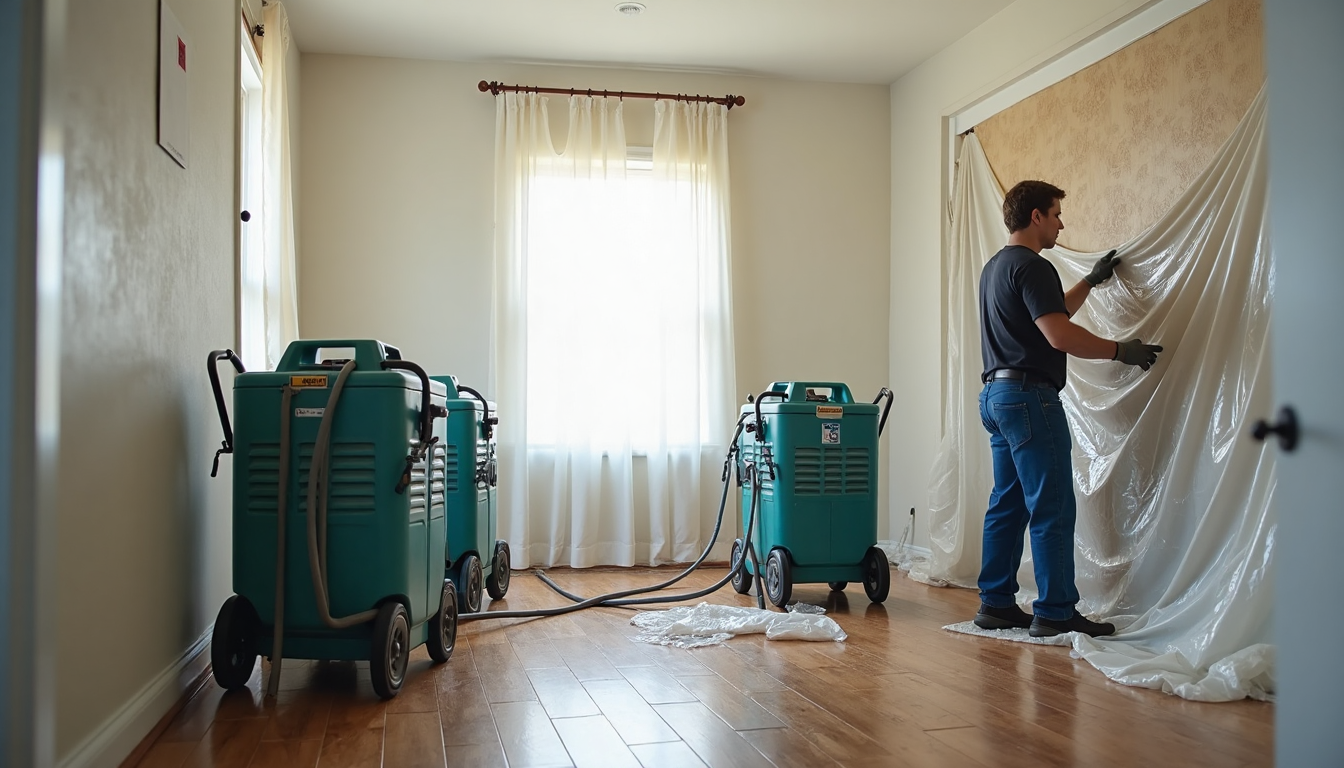
Water damage hits Charlotte homeowners fast and hard. Did you know mold can start growing within just 48 hours of water exposure? Most people worry about the puddles, but that’s not what wrecks a house. The real threat is hidden moisture trapped behind walls and floors where it quietly destroys structure and value until it becomes a much bigger problem.
Table of Contents
- What Is The Water Mitigation Process?
- Step-By-Step Guide For Charlotte Properties
- Common Water Damage Scenarios And Solutions
- Water Mitigation And Insurance Claims: What To Know
Quick Summary
| Takeaway | Explanation |
|---|---|
| Timely Intervention is Crucial | Quick, professional water mitigation can significantly reduce repair costs and prevent extensive structural damage in Charlotte properties. |
| Thorough Documentation Supports Insurance Claims | Property owners should document all damage, including photographs and inventories, to facilitate a smoother insurance claim process. |
| Understand Water Damage Indicators | Early recognition of signs like wall stains and warped flooring is essential to minimize long-term damage and financial impact. |
| Engaging Certified Professionals is Key | Working with IICRC-certified restoration teams ensures comprehensive damage documentation and better claim outcomes with insurance providers. |
| Proactive Prevention Strategies | Implementing regular property inspections and maintaining drainage systems can minimize vulnerability to water damage in the Charlotte area. |
What Is the Water Mitigation Process?
Water mitigation is the critical first response to water damage that prevents further destruction and prepares a property for comprehensive restoration. The process goes beyond simple water removal, encompassing a strategic approach to minimize potential long-term damage and protect your property’s structural integrity.
Understanding Water Damage Fundamentals
Water damage can occur from multiple sources: burst pipes, flooding, severe storms, or hidden leaks. In Charlotte, NC, properties face unique challenges due to the region’s varied climate and potential weather-related incidents. The water mitigation process addresses these risks through a systematic approach that targets immediate water elimination and future damage prevention.
Professional water mitigation services utilize scientific methods to identify and resolve water intrusion points. According to RestoPros Charlotte, this involves specialized equipment and techniques designed to effectively remove moisture and prevent potential mold growth.
Core Steps of Water Mitigation
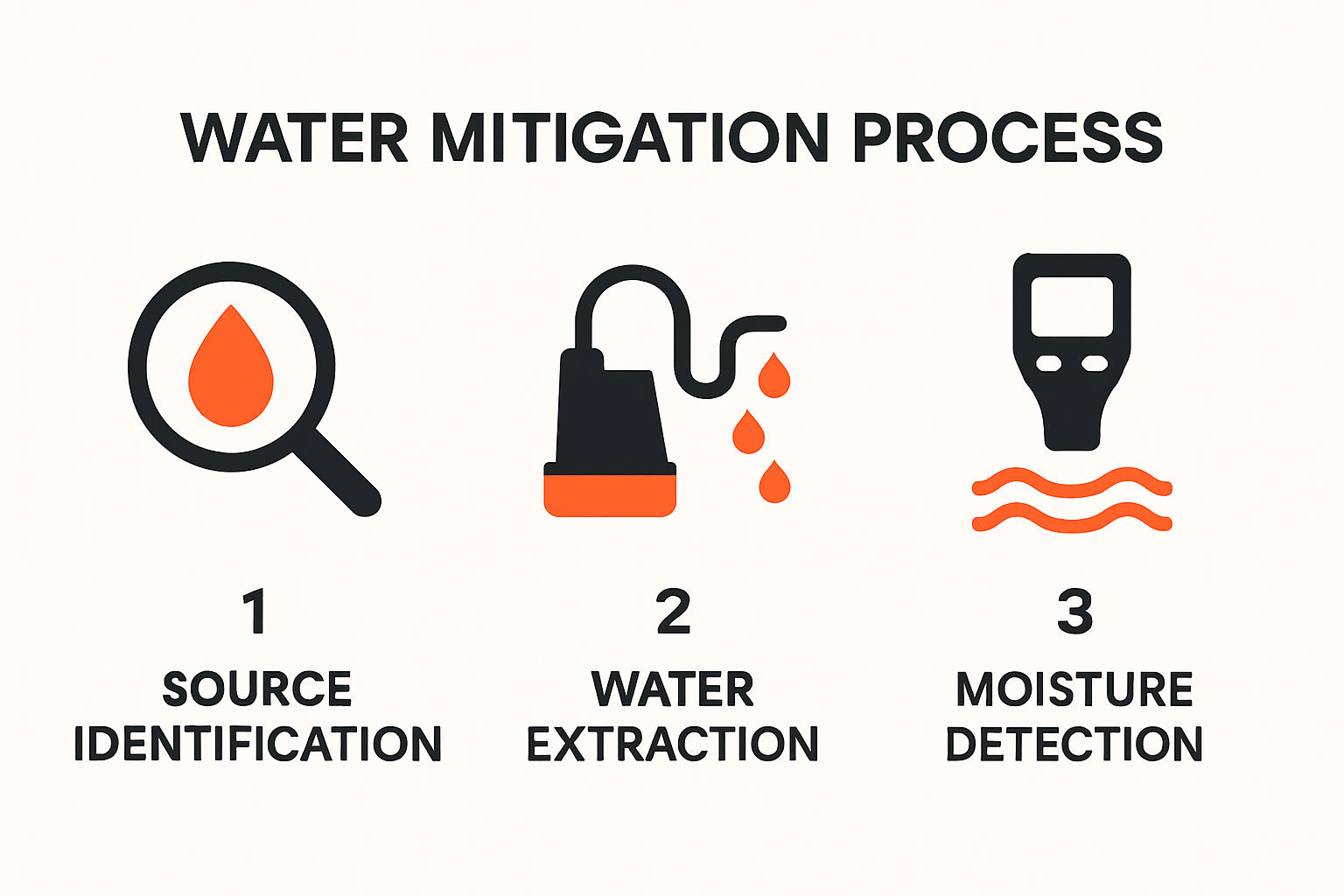
The water mitigation process typically involves several critical stages:
- Water Source Identification: Locating and stopping the primary water source to prevent additional damage.
- Water Extraction: Removing standing water using industrial-grade pumps and extraction equipment.
- Moisture Detection: Using advanced moisture meters and thermal imaging to identify hidden water pockets within walls, floors, and other structural elements.
During this process, professionals create a strategic containment protocol to prevent moisture spread. This approach ensures that water damage remains isolated and does not compromise additional areas of the property. Emergency Restoration Tips highlight the importance of immediate intervention to minimize potential structural and health risks.
Professional Assessment and Intervention
Qualified water mitigation specialists conduct comprehensive assessments that go beyond surface-level inspections. They evaluate potential structural compromises, assess moisture levels, and develop a precise restoration strategy. This detailed approach helps property owners understand the full extent of water damage and implement targeted recovery solutions.
The water mitigation process is not just about removing water. It involves complex scientific principles of moisture control, structural preservation, and potential mold prevention. Professionals use specialized dehumidification equipment to extract moisture from building materials, reducing the risk of long-term damage and potential health hazards.
Homeowners and property managers in Charlotte should recognize that water mitigation is a time-sensitive process. Quick, professional intervention can significantly reduce repair costs and prevent extensive structural deterioration. By understanding these critical steps, property owners can make informed decisions during water-related emergencies and protect their most valuable assets.
Step-by-Step Guide for Charlotte Properties
Navigating water damage restoration requires a systematic approach specific to Charlotte’s unique property characteristics and environmental challenges. This comprehensive guide outlines the precise steps property owners should follow to effectively manage water mitigation and minimize potential long-term damage.
Initial Assessment and Documentation
The first critical phase of water mitigation begins immediately after discovering water damage. Charlotte’s Water Damage Insurance Process emphasizes the importance of thorough documentation. Property owners should:
- Photograph All Damage: Take clear, comprehensive images of affected areas from multiple angles.
- Document Water Source: Identify and record the origin of water damage.
- Create Detailed Inventory: List all impacted materials and belongings.
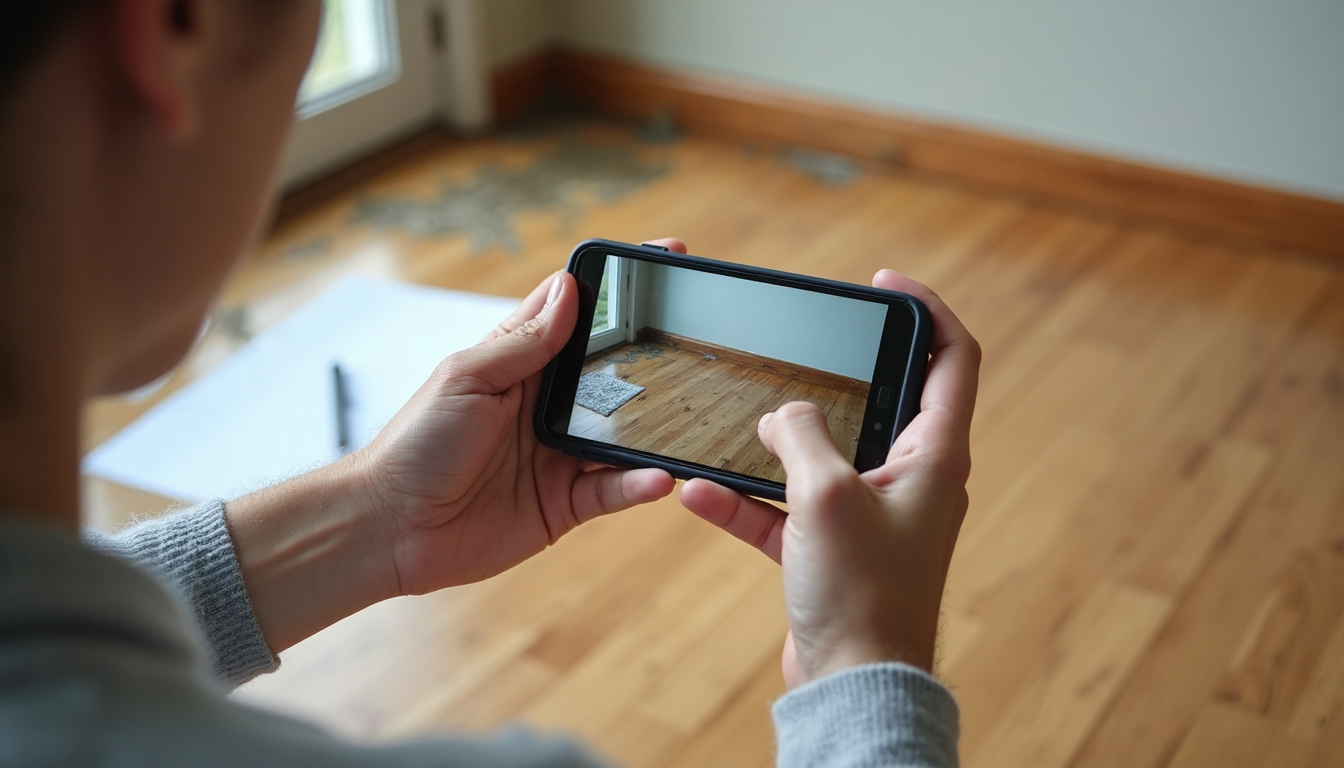
This documentation serves multiple purposes, including supporting insurance claims and providing a clear baseline for restoration professionals. According to ATI Restoration, precise initial documentation can significantly streamline the entire restoration process.
Professional Water Extraction and Drying Protocols
After initial documentation, the next crucial step involves professional water removal and drying. Charlotte properties require specialized approaches due to the region’s humidity and potential for rapid mold growth. Restoration experts utilize advanced techniques to:
- Remove standing water using high-powered extraction equipment
- Deploy industrial-grade dehumidifiers to eliminate moisture
- Use thermal imaging to detect hidden moisture pockets
- Implement targeted drying strategies for different materials
Professionals follow a meticulous process similar to Charlotte’s Storm Water Services project management, which involves comprehensive assessment, strategic intervention, and ongoing monitoring.
Comprehensive Restoration and Prevention
The final stage of water mitigation focuses on complete property restoration and future prevention. This involves:
- Structural repairs and material replacement
- Sanitization of affected areas
- Mold prevention treatments
- Identifying and addressing underlying moisture sources
Property owners in Charlotte should understand that water mitigation is more than a quick fix. It requires a holistic approach that considers the unique environmental challenges of the region. Professional restoration teams assess not just the visible damage but potential long-term risks to your property’s structural integrity and inhabitability.
Timely and professional intervention can mean the difference between minor repairs and extensive reconstruction. By following these systematic steps and working with qualified restoration specialists, Charlotte property owners can effectively manage water damage and protect their most valuable asset.
Common Water Damage Scenarios and Solutions
Water damage can strike Charlotte properties through various unexpected pathways, presenting unique challenges for homeowners and property managers. Understanding these scenarios helps residents develop proactive strategies for prevention and rapid response.
Identifying Water Damage Indicators
Recognizing water damage early is crucial for minimizing potential structural and financial consequences. Jenkins Restorations highlights several key indicators property owners should monitor:
- Wall and Ceiling Stains: Discoloration suggesting hidden moisture penetration
- Warped Flooring: Wood or laminate surfaces showing unusual distortion
- Mold Growth: Visible mildew or fungal development in damp areas
- Metal Surface Corrosion: Unexpected rust or deterioration of metal components
- Electrical Irregularities: Unexplained circuit issues potentially caused by moisture
These warning signs often precede more extensive damage and require immediate professional assessment.
Charlotte-Specific Water Damage Scenarios
Charlotte’s unique geographical and climate characteristics contribute to specific water damage risks. Fleet Damage Restoration emphasizes that flash floods represent a significant threat to local properties. These sudden water level rises can rapidly introduce substantial volumes of water into residential and commercial structures.
Other prevalent water damage scenarios in Charlotte include:
- Burst pipe incidents during unexpected winter temperature drops
- Roof leak complications from severe thunderstorms
- Drainage system failures during heavy rainfall periods
- Groundwater seepage in properties with inadequate foundation waterproofing
Quick intervention becomes paramount. Property owners should develop comprehensive restoration strategies that address immediate water removal and long-term structural protection.
Strategic Mitigation and Prevention
Effective water damage management extends beyond reactive measures. Proactive homeowners in Charlotte should implement preventative strategies:
- Regular property inspections targeting potential moisture vulnerability
- Maintaining functional gutters and drainage systems
- Installing sump pumps in basement areas
- Ensuring proper landscape grading to direct water away from foundation
- Conducting annual plumbing system assessments
Documentation plays a critical role in water damage response. Restoration After Disaster Guidelines recommend comprehensive photographic evidence capturing structural damage, water intrusion points, and impacted personal property.
By understanding these common scenarios and implementing strategic prevention techniques, Charlotte property owners can significantly reduce their vulnerability to water damage. Professional restoration services remain an essential partner in navigating these complex challenges, offering expertise that transforms potential catastrophic losses into manageable restoration projects.
Water Mitigation and Insurance Claims: What to Know
Navigating water damage insurance claims requires strategic knowledge and precise documentation. Property owners in Charlotte must understand the intricate relationship between water mitigation processes and successful insurance claim resolution.
Timely Reporting and Documentation
Insurance claim success hinges on prompt and comprehensive reporting. Insurance Claim Recovery Support emphasizes that mold and mildew can develop within 48 hours after water damage, making immediate action critical. Property owners should:
- Report water damage to insurance providers within 72 hours
- Capture detailed photographic and video evidence
- Maintain a comprehensive inventory of damaged items
- Document all professional restoration interactions
Quick reporting not only supports the claim process but also helps prevent secondary damage that could potentially void insurance coverage.
Professional Restoration and Claim Support
Selecting the right water mitigation contractor significantly impacts insurance claim outcomes. How to File a Damage Claim recommends working with professionals certified under IICRC S500 and S520 Restoration industry standards. These certified professionals can:
- Provide detailed documentation of damage scope
- Generate precise repair cost estimates
- Support reasonable claim documentation
- Navigate complex insurance requirements
Certified restoration teams understand the nuanced language of insurance claims, ensuring property owners receive fair and comprehensive compensation for water damage.
Navigating Claim Complexities
Successful water damage insurance claims require strategic approach and thorough understanding. Key considerations include:
- Understanding policy coverage limitations
- Differentiating between sudden and gradual water damage
- Recognizing potential claim exclusions
- Maintaining open communication with insurance adjusters
Property owners should carefully review their insurance policies, understanding specific water damage clauses. Some policies may cover sudden pipe bursts but exclude gradual water intrusion or maintenance-related damages.
Professional restoration services play a crucial role in bridging communication between property owners and insurance companies. Their expert documentation and scientific assessment provide credible evidence supporting legitimate insurance claims.
By approaching water damage with a strategic, well-documented method, Charlotte property owners can effectively manage both the immediate mitigation process and the subsequent insurance claim. Preparation, prompt action, and professional support transform potentially overwhelming water damage scenarios into manageable restoration projects.
Frequently Asked Questions
What is the water mitigation process?
Water mitigation is the first response to water damage, focusing on immediate water removal, preventing further damage, and preparing a property for restoration. It involves steps such as identifying the water source, water extraction, and moisture detection.
How quickly should I respond to water damage in my Charlotte home?
Timely intervention is crucial. It is recommended to take action within 24 to 48 hours to minimize structural damage and prevent mold growth, as mold can start developing within 48 hours of water exposure.
What should I do first after discovering water damage?
Begin with an initial assessment and documentation. Photograph all visible damage, note the source of the water, and create a list of affected items. This documentation will support any insurance claims you may file.
How can I prevent water damage in my property?
Preventive measures include regular inspections for leaks, maintaining drainage systems, installing sump pumps, and ensuring proper landscape grading to direct water away from your foundation.
Protect Your Charlotte Property with Expert Water Mitigation Support
If you are facing sudden water damage in Charlotte, you already know how quickly things can spiral from small stains to major structural issues. Every hour counts when hidden moisture and mold threaten your home’s safety and insurance claims demand thorough documentation. The article outlined the urgency of timely intervention, comprehensive documentation, and working with certified restoration teams to prevent lasting damage and maximize your coverage.
Take control now. Team up with National Insurance Claim Specialist (NICS) to get the guidance and expertise you need for your water mitigation process. Our licensed professionals make insurance claims easier and ensure you do not miss out on compensation you deserve. Ready to restore peace of mind after water damage? Discover how NICS can help Charlotte homeowners recover and rebuild today.