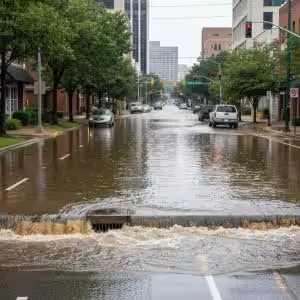
Flood Damage Insurance Claims: What You Need to Know to File, Document, and Recover
Flood damage insurance claims require swift action, thorough documentation, and expert guidance to restore your property and secure compensation. Homeowners and business owners in Charlotte, NC face complex coverage gaps when floodwaters invade walls and belongings, yet a clear claims process can turn confusion into recovery. This guide explains flood insurance basics versus homeowners insurance, walks you through filing and documenting a claim, outlines adjuster interactions, and highlights how Nics Restoration supports every step—from emergency water extraction to post-claim rebuilding. You will learn how to appeal denials, mitigate future risks, and connect with local resources to protect your property and peace of mind.
What Is Flood Insurance and How Does It Differ from Homeowners Insurance?
Flood insurance is a separate policy that covers physical damage from inundation, while homeowners insurance excludes flood events, leaving policyholders unprotected without a dedicated plan. Understanding these distinctions helps you choose the right coverage and avoid costly surprises.
Federal Emergency Management Agency (FEMA), “National Flood Insurance Program” (2024)
Before diving into policy details, compare the core attributes of each insurance type:
| Entity | Attribute | Value |
|---|---|---|
| Flood Insurance | Covered Losses | Direct physical loss from surface water, river overflow, storm surge |
| Homeowners Insurance | Covered Losses | Fire, wind, hail, theft, vandalism |
| Flood Insurance | Policy Provider | National Flood Insurance Program (NFIP) or private carriers |
| Homeowners Insurance | Policy Provider | Private insurers |
| Flood Insurance | Waiting Period | Typically 30 days before effective coverage |
| Homeowners Insurance | Waiting Period | Generally immediate, except for new policies |
| Flood Insurance | Exclusions | Sewer backup (unless added), landscaping, temporary relocation costs |
| Homeowners Insurance | Exclusions | Flood, earthquake, gradual seepage |
Flood insurance provides targeted protection for flood-related perils, ensuring claims address inundation losses specifically and avoiding the coverage gaps inherent in standard homeowners policies.
What Does the National Flood Insurance Program (NFIP) Cover?

The National Flood Insurance Program (NFIP) is a federal initiative that offers flood insurance policies to residents in participating communities, providing building and contents coverage up to defined limits. NFIP coverage includes structural repairs for foundations, walls, electrical systems, and personal property replacement costs, subject to deductibles and policy limits. For example, building coverage caps at $250,000 and contents coverage at $100,000 under standard NFIP plans.
How Do Private Flood Insurance Policies Compare to NFIP?
Private flood insurance policies often feature higher coverage limits, customizable deductibles, and broader endorsements, offering more flexibility than NFIP plans. Private carriers may cover additional expenses such as basement finishing and temporary housing beyond federal limits. Policyholders can choose tailored risk assessments and pricing based on property features, while NFIP pricing follows federally set criteria.
Insurance Information Institute, “Flood Insurance” (2023)
Why Doesn’t Homeowners Insurance Cover Flood Damage?
Homeowners insurance excludes flood damage because flooding is classified as a separate natural disaster risk requiring specialized pooling of risk and premium management. Flood losses can be catastrophic and widespread, so insurers segregate flood coverage under dedicated flood policies to maintain affordability and actuarial balance.
How Do You File a Flood Damage Insurance Claim?
Filing a flood damage insurance claim starts with prompt notification, accurate documentation, and clear communication with your insurer to secure a timely resolution. Quick action reduces delays and supports full compensation for losses.
- Report Flood Damage Immediately Contact your flood insurer or NFIP representative within 24 to 72 hours of discovering damage. Include your policy number, property address, date of loss, and a brief description of the flooding event.
- Secure a Flood Control Number Obtain a Flood Control Number from your insurer or adjuster, which identifies your claim in the NFIP system and tracks assessment progress.
- Schedule an Adjuster Inspection Coordinate a property inspection with your flood insurance adjuster to evaluate damage scope and estimate repair costs.
- Submit a Proof of Loss Form Complete and return the Proof of Loss form within 60 days, detailing losses and supporting amounts claimed, to initiate settlement.
Submitting documentation on time and maintaining clear records expedites your claim and lays the groundwork for successful recovery.
What Are the First Steps to Report Flood Damage to Your Insurer?
Reporting flood damage begins by calling your insurer’s 24/7 claims hotline or submitting an online notice of loss through your policy portal. You must provide:
- Policy number and contact details
- Date and cause of flood
- General description of affected areas and belongings
Clear initial reporting triggers policy protocols and assigns your claim for further processing.
How Long Does the Flood Insurance Claim Process Take?
Flood insurance claim timelines vary but typically range from four to eight weeks from filing to payout, depending on damage complexity and documentation completeness. Straightforward claims with prompt Proof of Loss submissions can close in as little as 30 days, whereas large commercial properties or severe structural losses may require additional inspections and estimated extensions of 90 days or more.
What Information and Documents Do You Need to Submit?
Submitting a complete claim requires: navigating the fire damage restoration claim timeline smoothly
- A signed Proof of Loss form listing damages and values
- Photographs and videos showing water levels and affected property
- An itemized inventory of damaged contents with original receipts
- Contractor or adjuster repair estimates
- Proof of mortgage or ownership
Organizing these documents systematically strengthens your claim and accelerates payment.
How Should You Document Flood Damage to Support Your Insurance Claim?

Effective flood damage documentation combines visual evidence, detailed inventories, and formal statements to substantiate loss amounts and support claim approval. Collecting comprehensive proof protects your interests and clarifies repair needs.
Begin by gathering these essential forms of evidence: fire damage restoration
- Photographs and Videos: Capture wide-angle shots and close-ups of structural damage, saturated materials, and water lines.
- Inventory Lists: Create a room-by-room list of damaged items, noting purchase dates and replacement costs.
- Receipts and Invoices: Compile original purchase receipts for personal property and repair estimates from licensed contractors.
- Digital Logs: Record dates, times, and observations in a flood damage journal to track discovery and remediation efforts.
Documenting every item thoroughly builds a solid foundation for your claim and reduces the risk of underpayment. fire damage restoration
What Types of Evidence Should You Collect?
Collect visual proof of damage severity, including watermarks on walls and affected floor areas, alongside supporting purchase records and repair quotes. Unify these items into an organized file folder or digital drive for ease of submission.
How Can You Create a Detailed Flood Damage Inventory?
Creating an inventory involves listing each damaged item with a description, purchase date, original cost, and estimated replacement value.
| Entity | Attribute | Value |
|---|---|---|
| Sofa | Description | Three-seater leather with water stains |
| Sofa | Purchase Date | March 2021 |
| Sofa | Original Cost | $1,200 |
| Sofa | Replacement Estimate | $1,350 |
| Dining Table | Description | Oak wood, six chairs |
| Dining Table | Purchase Date | June 2019 |
| Dining Table | Original Cost | $1,500 |
| Dining Table | Replacement Estimate | $1,650 |
A detailed inventory clarifies loss values and guides adjuster valuations for precise claim settlement.
When and How Do You Submit the Proof of Loss Form?
Submit the Proof of Loss form within 60 days of the flood event by mail or through your insurer’s secure portal, ensuring all sections are complete and signed. Meeting this deadline is mandatory under NFIP and private flood insurance policies to avoid claim denial for missed filing requirements.
What Is the Role of a Flood Insurance Adjuster and How Do You Work with Them?
A flood insurance adjuster inspects damage, documents losses, and estimates repair costs to determine the claim settlement amount, forming a critical nexus between the policyholder and insurer. Professional collaboration ensures accurate assessments and fair compensation.
What Does a Flood Insurance Adjuster Do During the Assessment?
The adjuster examines structural components, measures water lines, and verifies documented inventory items against observed damage. They assign a Flood Control Number, compile a scope of work, and prepare a written estimate for repair or replacement costs.
How Can You Prepare for the Adjuster’s Visit?
Ensure clear property access, organized documentation, and a full damage inventory on hand.
- Clear debris and water safely to expose damage
- Label damaged areas with markers or tags
- Provide copies of receipts and inventory lists
- Be prepared to walk through each room and answer questions
Proper preparation streamlines the inspection and supports a complete damage appraisal.
Can You Begin Cleanup Before the Adjuster Arrives?
Yes, you should mitigate further damage by removing standing water, drying surfaces, and boarding up exposed areas. Document all mitigation efforts with photographs and logs, as timely water extraction and drying minimize mold development and protect your property value.
How Does Nics Restoration Assist with Flood Damage Restoration and Insurance Claims in Charlotte, NC?
Nics Restoration provides 24/7 emergency flood damage restoration services, insurance claims specialists, and full-scope rebuilding to guide Charlotte property owners from disaster response through complete recovery. Their integrated approach accelerates drying, limits secondary damage, and streamlines claim processing.
What Emergency Flood Damage Restoration Services Does Nics Restoration Provide?
Nics Restoration’s certified team delivers rapid water extraction, structural drying, dehumidification, and mold remediation to stabilize your property within hours of arrival. Advanced moisture mapping and industrial-grade equipment ensure thorough dehydration and prevent lingering hazards.
How Does Nics Restoration Help Navigate the Insurance Claims Process?
Dedicated insurance claims specialists at Nics Restoration coordinate directly with adjusters, prepare detailed damage inventories, and assist with Proof of Loss documentation to maximize claim recoveries. By handling paperwork and negotiations, they allow you to focus on your family or business.
What Remodeling and Rebuilding Services Are Available After Flood Damage?
After claim settlement, Nics Restoration offers remodeling and construction services including drywall replacement, flooring installation, kitchen and bathroom renovations, and full home reconstruction. Their licensed contractors restore your property to pre-loss condition—or better—under a single warranty.
What Are Common Challenges in Flood Damage Insurance Claims and How Can You Appeal a Denied Claim?
Flood insurance claims can be denied or underpaid due to incomplete documentation, disputed damage causation, or missed deadlines, but a structured appeal process and expert support can overturn unfair decisions.
- Identify Denial Reasons Review your denial letter to understand whether exclusions, valuation disputes, or filing issues triggered the claim rejection.
- Gather Additional Evidence Compile new photographs, contractor estimates, repair bills, and professional opinions to address insurer concerns.
- Submit an Appeal Letter Draft a formal appeal referencing policy terms, supplemented by evidence and a concise argument for coverage reconsideration.
- Engage Professional Assistance If appeals stall, consult an attorney or public adjuster who specializes in flood insurance claims to advocate on your behalf.
Taking these steps ensures you exhaust internal remedies before pursuing external dispute resolution or legal action.
Why Are Flood Insurance Claims Denied or Underpaid?
Claims often fail due to missing Proof of Loss forms, undocumented damage, or disagreements over damage causation between storm damage and surface water. Understanding policy language and insurer criteria helps prevent unintentional gaps.
What Steps Should You Take to Appeal a Denied Flood Insurance Claim?
Begin by reviewing your policy, collecting overlooked evidence, and submitting a typed appeal letter within 60 days of denial. Reference specific policy sections and include expert estimates to strengthen your case.
When Should You Seek Legal or Professional Assistance?
When internal appeals fail or settlement offers remain inadequate, enlist a public adjuster or attorney experienced in NFIP and private flood insurance law to negotiate higher recoveries or represent you in binding arbitration.
How Can You Prevent Future Flood Damage and Reduce Insurance Risks?
Preventing future flood damage involves structural improvements, proactive mitigation steps, and leveraging local resources to lower risk and insurance premiums. These measures protect your property and streamline any future claims.
Floodproofing measures enhance resistance to flooding and signal risk reduction to insurers: storm damage restoration.
- Elevate electrical panels, HVAC equipment, and utilities above base flood elevation
- Install sump pumps with battery backups and automatic alarms
- Apply flood barriers or flood-resistant shields around doors and vents
- Use water-resistant materials such as tile or sealed concrete on lower floors
Implementing these strategies not only minimizes potential losses but can also result in premium discounts.
What Floodproofing Measures Can Protect Your Property?
Floodproofing includes structural and non-structural tactics such as sealing foundation cracks, grading land to divert water, and installing check valves in plumbing to prevent backflow. These measures enhance resilience and reduce cleanup needs.
How Does Flood Damage Mitigation Affect Insurance Claims?
Prompt mitigation—water extraction, drying, and mold prevention—demonstrates proactive loss control and supports faster claim settlements. Documenting these efforts signals responsibility and can reduce depreciation allowances in your claim.
What Local Resources Are Available for Flood Risk Reduction in Charlotte, NC?
Charlotte-Mecklenburg Storm Water Services offers property surveys and floodplain mapping, while the City of Charlotte provides grants for home elevation and drainage improvements. Local nonprofit programs also supply free sandbags and educational workshops for homeowners in high-risk zones.
Implementing local mitigation programs and engaging community resources strengthens your property’s flood resilience and fosters long-term protection.
Nics Restoration stands ready to guide Charlotte residents through each phase of flood recovery, from filing your claim to rebuilding stronger than before. Their expert teams handle water extraction, mold remediation, and insurance coordination to deliver comprehensive support—and durable peace of mind. Contact Nics Restoration today to secure your property’s future and navigate every step of your flood damage insurance claim with confidence.