Fire Damage Restoration Claim Timeline Explained
In the aftermath of a fire, property owners face extensive restoration challenges and the complexities of filing an insurance claim. Efficient restoration requires understanding the timeline and steps involved, including emergency services, debris removal, board-up procedures, and structural repairs. This article outlines the essential phases of fire damage restoration claims—from immediate emergency response to final move-in—and examines how insurance policies, claim disputes, and other factors influence the process, particularly for property owners in fire damage restoration charlotte nc. For further guidance or to receive immediate assistance, please contact-us to speak with our experts.
What Are the First Steps After Fire Damage?
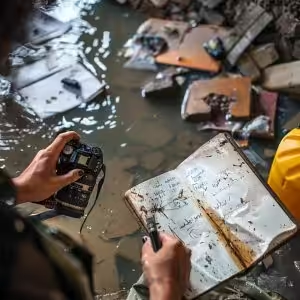
Fire damage recovery begins immediately after an incident. The first steps include securing the property and thoroughly documenting the damage with photographs, videos, and detailed notes. Reporting the fire to emergency services and notifying one’s insurance company without delay are crucial. Professional restoration companies are often brought in to board-up the property, which helps prevent further damage and preserves evidence essential for a future claim.
How Do You Report a Fire and Contact Your Insurance Company?
Report the incident to local emergency services to secure a fire report, then immediately contact your insurance company. Provide details such as the time, location, and visible damage. Document all interactions with the fire department and insurance assessors. Timely reporting—often within 24 hours—is necessary to avoid claim denial, and preliminary evidence like photos and receipts forms the cornerstone of your claim.
What Happens During Emergency Response and Board-Up?
After reporting, emergency response teams control the fire and assess hazards while fire restoration technicians begin board-up procedures. Boarding up secures doors, windows, and vulnerable areas using temporary materials like plywood. This step not only prevents unauthorized entry but also sets the stage for a more detailed evaluation of both structural and content damage.
Why Is Immediate Mitigation Critical in Fire Damage Restoration?
Immediate mitigation minimizes further loss and prevents secondary damages (such as water damage, vandalism, or further deterioration). Restoration specialists work swiftly to decontaminate soot and smoke, extract any residual water, and address hazards like asbestos. Quick intervention reduces repair costs and supports the claim’s validity, as insurers verify that proper mitigation was performed before finalizing any settlement.
How Does the Fire Damage Claim Process Work?
The claim process consists of several stages that require detailed documentation and professional evaluation. It begins with filing a claim and is followed by a comprehensive inspection from an insurance adjuster, which determines the extent of the damage and the required restoration. A public adjuster may also be involved to negotiate a fair settlement on behalf of the policyholder. Understanding each step helps homeowners better navigate the process and align financial assistance with restoration needs.
What Are the Key Steps in Filing a Fire Damage Claim?
Key steps include: – Gathering Evidence: Collect records such as photographs, videos, and a written inventory of damaged property. – Filing the Report: Submit a fire report with detailed incident information and actions taken. – Completing Claim Forms: Fill out all claim documents accurately to avoid delays. – Scheduling an Inspection: Coordinate an appointment for an insurance adjuster to inspect the damage. – Maintaining Communication: Regularly follow up with your insurance representative to ensure a smooth process.
Following these steps helps streamline the claim process and reduce stress.
How Does the Insurance Adjuster Inspect and Assess Damage?
The insurance adjuster evaluates both structural and content losses using various tools to estimate repair costs. They review the homeowner’s account and compare it with pre-loss conditions. Professional estimates from restoration specialists complement this evaluation, ensuring that every aspect of the damage is documented for a fair settlement.
What Is the Role of a Public Adjuster in Your Claim?
A public adjuster, hired by the homeowner, reviews the claim to ensure no damages are overlooked. They negotiate directly with the insurance company to maximize the settlement, especially in complex cases with extensive damage. Their involvement often results in a higher payout compared to claims managed solely by the insurance company.
What Is the Typical Timeline for Fire Damage Restoration?
The restoration timeline varies with factors such as the extent of damage, complexity of cleanup, and coordination with insurers. Generally, the process includes several phases: initial assessment, debris removal, structural repairs, and final cleaning. Depending on severity, restoration may take several weeks to months, and understanding this timeline helps property owners plan for temporary living arrangements.
What Happens During Damage Assessment and Scope of Work?
During the assessment phase, professional assessors, restoration specialists, and insurance adjusters collaborate to evaluate all damage—from superficial soot stains to critical structural issues. They produce a report detailing the necessary repairs, cost estimates, and timelines, which serves as the foundation for the restoration project and the subsequent insurance claim submission.
How Long Does Debris Removal and Demolition Take?
Debris removal and demolition clear away charred materials and damaged components to prevent further deterioration. For most residential properties, this phase lasts 3 to 7 days; larger commercial projects may require more time. Proper disposal of hazardous materials according to local regulations is also an integral part of this phase.
What Are the Timeframes for Structural Repairs and Content Cleaning?
Structural repairs, including rebuilding walls, roofs, or floors, typically take 2 to 6 weeks based on the damage extent. Simultaneously, content cleaning—covering soot and smoke removal from belongings—runs for about 1 to 3 weeks. Factors such as material availability, labor, and permitting processes influence these timeframes.
When Can You Expect Final Restoration and Move-In?
Final restoration is completed when all repairs, cleaning, and inspections have passed. This stage, which lasts an additional 1 to 2 weeks, involves testing for air quality, moisture, and structural stability to ensure safety. Once approved, homeowners can move back into their property with confidence.
How Does Your Insurance Policy Affect the Fire Damage Claim?
Your insurance policy defines the coverage scope and reimbursement limits for fire damage. It outlines what is covered, such as structural damage, content loss, and additional living expenses (ALE) if the property is uninhabitable. Understanding the specifics of your policy is crucial to gauge what costs will be reimbursed and to avoid unexpected out-of-pocket expenses.
What Types of Fire Damage Coverage Should You Know About?
Common coverage options include: – Actual Cash Value (ACV): Considers depreciation, resulting in a payout lower than full replacement cost. – Replacement Cost Value (RCV): Reimburses the full expense of repairs or replacement without deducting depreciation. – Additional Living Expenses (ALE): Covers temporary housing and living costs if the property cannot be occupied. – Wind and Water Damage: Often available as separate endorsements or add-ons.
Review your policy carefully to confirm that items like smoke damage, soot removal, and debris disposal are covered.
What Is Covered in a Fire Damage Claim?
A comprehensive fire damage claim typically includes: – Structural Damage: Repair or replacement of walls, roofs, floors, and support beams. – Content Loss: Compensation for lost or damaged personal belongings. – Soot and Smoke Damage: Costs for cleaning affected areas. – Additional Costs: Expenses like debris removal and temporary living arrangements (ALE).
Proper documentation of each of these components ensures a favorable claim settlement.
How Do Policy Limits Impact Your Claim Settlement?
Policy limits are the maximum amounts insurers will pay. Exceeding these limits means additional repair costs must be covered by the homeowner. Common issues include underinsured properties, deductibles, and coverage gaps that may leave some repair costs unpaid. Understanding these limits helps in planning and possibly negotiating better coverage in the future.
How Can You File a Claim for Additional Living Expenses (ALE)?
Filing a claim for ALE requires detailed documentation of temporary housing expenses, meals, and other living costs incurred during the displacement period. Evidence such as rental agreements, receipts, and invoices is essential. Strict documentation and adherence to claim timelines are critical for a successful ALE claim.
How Can You Handle Claim Disputes and Denials?
Sometimes, fire damage claims are disputed or denied due to reasons like insufficient documentation or ambiguous policy language. Handling these disputes involves appealing the denial, providing supplementary evidence, and, if necessary, seeking assistance from a public adjuster or legal counsel.
What Are Common Reasons for Fire Damage Claim Denials?
Common causes for denials include: – Incomplete Documentation: Missing fire reports, photos, or repair estimates. – Late Reporting: Failing to notify the insurer within the required timeframe. – Policy Exclusions: Specific items or damages not covered by the policy. – Disputed Damage Assessment: Underestimation of damages by an insurance adjuster. – Preexisting Conditions: Damage not directly caused by the fire.
These issues emphasize the importance of comprehensive documentation and a thorough understanding of your policy.
How Do You Dispute a Fire Damage Claim Denial?
To dispute a denial: – Review the Denial Letter: Understand the insurer’s reasons. – Collect Supplementary Evidence: Provide additional photos, videos, or expert opinions. – Hire a Public Adjuster: Their expertise can help reassess the damage’s true value. – Submit a Formal Appeal: Address each denial point with supporting documentation. – Seek Legal Advice: Consult legal counsel if the dispute remains unresolved.
When Should You Consider Hiring a Public Adjuster for Disputes?
Consider a public adjuster if: – The initial settlement offer is low. – You lack experience with insurance procedures. – The claim involves complex damages, including structural, content, and ALE losses. – Previous disputes or denials complicate the claim.
A public adjuster can ensure every damage aspect is addressed, potentially increasing the final settlement.
What Are the Most Frequently Asked Questions About Fire Damage Claims?
Understanding common questions about fire damage claims can help property owners manage expectations and navigate the process more smoothly.
How Long Does a Fire Damage Claim Usually Take?
Typically, the claim process lasts between 30 and 90 days from the initial report to settlement, though additional documentation or re-assessments may extend this period.
What Is the First Step in a Fire Damage Claim?
Immediately report the incident to emergency services and your insurer, and begin documenting the damage with photos and notes.
What Does a Fire Damage Adjuster Do?
The adjuster evaluates both structural and content damages, prepares a detailed report, and assists in determining the appropriate claim settlement based on repair costs and pre-loss conditions.
What Is Covered in a Fire Damage Claim?
Fire damage claims generally cover structural repairs, content loss, soot and smoke cleaning, and additional living expenses if the property is uninhabitable. Coverage details depend on your specific policy.
How Can You Prevent Fire Damage in Your Home or Business?
Preventive measures include installing fire extinguishers, smoke detectors, and sprinkler systems. Regular inspections of electrical wiring, heating systems, and potential hazards, combined with a comprehensive emergency plan, can reduce the risk of fire-related disasters.
How Can You Prepare for a Smooth Fire Damage Restoration Claim?
Preparation is essential to streamline the claim process and reduce complications. Gather all relevant documentation and maintain open communication with your insurance provider and restoration company.
What Documents and Evidence Should You Gather?
Key documents include: – Fire and police reports – Photographic evidence (before and after the incident) – Detailed inventories of damaged property– Professional repair and restoration estimates – Receipts for emergency repairs
This comprehensive documentation helps support your claim and resolve any disputes.
How Can Clear Communication Help During the Claim Process?
Maintain a log of all communications with insurance providers and restoration specialists. Regular updates and detailed records of phone calls, emails, and meetings help address misunderstandings and keep the claim process on track.
Why Is Choosing a Trusted Restoration Company Important?
A reputable restoration company provides accurate assessments, detailed estimates, and quality workmanship. Their coordination with your insurance provider and on-site expertise ensures that repairs are compliant with safety standards and that all damage is properly documented for the claim.
Frequently Asked Questions
Q: How long does the entire fire damage restoration process typically take? A: It generally ranges from several weeks to a few months, depending on the severity of damage and the efficiency of restoration services.
Q: When should I contact my insurance company after fire damage? A: Contact your insurer immediately after ensuring safety—ideally within 24 hours—to prevent claim denial and expedite the process.
Q: What are the most critical documents needed to support my fire damage claim? A: Essential documents include the fire report, detailed photos and videos of the damage, a complete inventory of items, repair estimates, and receipts for emergency repairs.
Q: Can I move back into my home immediately after fire damage restoration? A: Only after final inspections confirm that the property is safe and structurally sound, usually during the final restoration phase.
Q: How can a public adjuster help improve my fire damage claim settlement? A: A public adjuster ensures every damage detail is documented and fairly valued, negotiating with the insurer for a higher settlement than you might achieve on your own.
Q: What steps should I take immediately after a fire to prepare for a smooth claim process? A: Secure the property, report the incident to emergency services and your insurer, document all damage thoroughly, and begin gathering crucial evidence right away.
Final Thoughts
Fire damage restoration claims involve multiple critical steps—from immediate emergency response to final property repairs. By following a structured process and maintaining comprehensive documentation, homeowners can secure fair settlements. Understanding your insurance policy, effective communication, and professional assistance are essential to ensuring that every aspect of the damage is addressed. Staying proactive and well-informed helps accelerate recovery and supports a faster return to normalcy.