Hurricane Damage Restoration Solutions in Charlotte NC
In the wake of severe storms and hurricanes, Charlotte property owners face the challenge of restoring their damaged homes and businesses. Hurricane damage restoration mitigates losses and ensures a safe environment for occupants and customers. In some cases, fire damage restoration is essential when damages extend beyond typical storm effects. This article highlights key restoration services in Charlotte NC, rapid emergency responses, insurance claim guidance, water damage mitigation, and mold remediation techniques. Homeowners and business owners gain practical insights into structural repairs, reconstruction, and future protection measures through proven methods, local expertise, and industry best practices. For more information or urgent inquiries, contact us.
Understanding the restoration process gives property owners confidence that every stage—from damage assessment to final remodeling—is handled by experienced professionals. With proactive planning and expert collaboration, Charlotte residents can minimize downtime, reduce long-term damage, and enjoy a smoother recovery. The following sections outline the essential services and processes involved in hurricane damage restoration.
What Are the Key Hurricane Damage Restoration Services in Charlotte NC?
Charlotte NC restoration professionals provide a broad range of services covering emergency intervention to long-term structural rebuilding. Their services include emergency board-up and tarping, damage assessments with insurance claim help, water damage mitigation with drying operations, mold remediation, essential structural repairs, and full-scale reconstruction and remodeling.
How Does Emergency Board-Up and Tarping Protect Your Property?
Emergency board-up and tarping secure damaged property from further weather exposure. Restoration experts quickly cover broken windows, roofs, or walls with high-grade plywood and tarps, protecting interiors from rain, wind, and theft. This prompt action limits additional damage, allows safe inspections by adjusters, and reduces overall repair costs.
What Is Included in Damage Assessment and Insurance Claim Assistance?
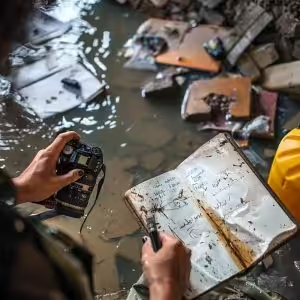
Damage assessment and insurance claim assistance combine thorough property inspections with expert help in documenting losses. Professionals identify visible and hidden damage using tools like moisture meters and thermal imaging. They then compile detailed reports and photographs that support insurance claims, expedite payouts, and help property owners receive full coverage for all damages.
How Does Water Damage Mitigation and Drying Work After a Hurricane?
Water damage mitigation prevents further deterioration after flooding. Restoration crews extract standing water using powerful pumps and vacuums. They then deploy dehumidifiers and air movers strategically to dry all areas—including walls, subfloors, and cabinets—quickly reducing moisture that leads to mold and structural decay.
Why Is Mold Remediation Critical After Hurricane Flooding?
Mold remediation is essential after flooding because prolonged moisture fosters mold growth, which can harm health and further degrade property. Professionals inspect for mold hotspots, contain the affected areas, remove contaminated materials, and use specialized cleaning and biocides. Regular post-remediation monitoring ensures mold does not return, protecting both property and occupants from health risks.
What Structural Repairs Are Common After Hurricane Damage?
Common structural repairs after hurricanes address damage from high winds, flooding, and debris. These repairs include replacing roofs and shingles, fixing windows and doors, and repairing or replacing siding. Interior elements like drywall, insulation, and flooring may also require repair so that all aspects of the building meet modern construction standards. Coordinated efforts among contractors, engineers, and insurance professionals ensure safe, durable repairs.
How Does Reconstruction and Remodeling Restore Your Home?
Reconstruction and remodeling occur after initial repairs and focus on restoring structural integrity and enhancing aesthetics. Professionals rebuild damaged sections and update interiors with new flooring, modern kitchens, or reconfigured spaces. Using high-quality materials and energy-efficient systems, they ensure that the rebuilt areas comply with current codes while reflecting homeowner preferences and lifestyle needs.
How Does Rapid Emergency Response Minimize Hurricane Damage in Charlotte?
Rapid emergency response is critical for limiting hurricane damage. When restoration teams mobilize immediately, they begin with emergency board-ups and water extraction, preventing secondary damages such as mold growth or further structural decay. Fast action not only protects property but also limits financial losses by reducing the overall scope of repairs. A swift, organized response transforms a chaotic situation into a controlled recovery process.
When Should You Contact Restoration Experts After a Hurricane?
It is best to contact restoration experts immediately after a hurricane, once all occupants are safe. Early contact initiates prompt inspections and emergency measures to secure the property and document damage for insurance, significantly reducing long-term repair costs.
What Are the Benefits of 24/7 Emergency Restoration Services?
Around-the-clock emergency restoration services ensure assistance is available at any time. Whether addressing water extraction or structural stabilization, 24/7 teams can begin critical work immediately, reducing further deterioration and providing peace of mind through continuous support and efficient claim processing.
How Do Local Experts Understand Charlotte’s Hurricane Challenges?
Local experts possess in-depth knowledge of Charlotte’s weather patterns, construction styles, and regulatory codes, enabling them to anticipate regional challenges. Their familiarity with local conditions supports faster mobilization, more precise assessments, and tailored repair solutions that address both immediate and long-term restoration needs.
How Can Insurance Claim Assistance Simplify Your Hurricane Restoration Process?
Filing an insurance claim after a hurricane can be complicated. Assistance from restoration experts simplifies this process by ensuring all damages are documented accurately and reported to insurers. They help gather photographs, inspection reports, and repair estimates, reducing claim disputes and expediting compensation. This expert support allows homeowners and business owners to start repairs promptly without heavy out-of-pocket expenses.
What Steps Are Involved in Filing a Hurricane Damage Insurance Claim?
The insurance claim process begins when property owners report the damage. A collaborative inspection by restoration teams and insurance adjusters follows, during which detailed photographs, repair estimates, and documentation of hidden damages are collected. Restoration experts then compile comprehensive reports that clearly communicate damage extent and repair costs. Continuous follow-ups are necessary to secure a fair settlement that covers total losses.
How Do Restoration Companies Help Maximize Your Insurance Payout?
Restoration companies maximize insurance payouts by meticulously documenting every item of damage, including hidden issues like water intrusion in walls. Their detailed repair estimates and expert recommendations minimize claim disputes and underpayments during negotiations, ensuring a settlement that truly reflects the cost of complete restoration.
What Documentation Is Needed for Successful Insurance Claims?
Successful claims require thorough documentation such as photographs, video evidence, inspection reports, and repair estimates from licensed contractors. Additional documents like the original insurance policy, receipts for any emergency services, and maintenance records may also be needed. Restoration experts help organize all this evidence to support a smooth claim approval.
What Are the Most Effective Water Damage Mitigation Techniques After Hurricanes?
Effective water damage mitigation prevents long-term deterioration after a hurricane. Restoration teams use methods like rapid water extraction, immediate drying, and continuous moisture monitoring. These techniques prevent damage from lingering water, which can weaken structures and foster mold growth.
How Is Water Extraction Performed Safely and Efficiently?
Heavy-duty pumps and industrial vacuums are used to quickly extract standing water. Professionals ensure even low-lying water is removed while securing any electrical hazards. Continuous moisture monitoring during the process reduces contamination risks and prepares the property for subsequent drying.
What Role Does Structural Drying Play in Preventing Further Damage?
Structural drying removes moisture trapped in building materials, helping to prevent mold growth and material degradation. Using dehumidifiers and air movers, professionals dry walls, floors, and ceilings while monitoring humidity and temperature to ensure effective drying.
How Is Moisture Monitoring Used During Restoration?
Restoration crews employ moisture meters and infrared cameras throughout the process to verify that every area has dried completely. This real-time monitoring helps experts adjust equipment placement and drying times, ensuring all hidden damp spots are addressed to prevent future mold growth.
Why Is Mold Remediation Essential After Hurricane Flooding in Charlotte?
Mold remediation is vital in protecting property and health after hurricane flooding. Persistent moisture creates the ideal environment for mold growth, which can lead to respiratory issues and further property damage. Quick and thorough remediation stops mold from spreading and provides a healthier indoor air quality.
How Does Mold Develop After Water Damage?
Mold begins to develop within 24 to 48 hours when moisture accumulates in building materials. Without proper drying and ventilation, organic materials become a breeding ground for mold spores that multiply rapidly, exacerbating structural damage and health risks. For handling mold, water, and fire-related issues, water damage restoration is crucial in preventing further damages.
What Are the Health Risks of Mold Exposure?
Exposure to mold can cause respiratory problems, worsen asthma, and trigger allergic reactions. Prolonged exposure increases the risk of chronic respiratory issues and immune system problems, especially for vulnerable populations like children and the elderly.
What Are the Steps in Professional Mold Removal?
A professional mold removal process involves a thorough assessment, containment of affected areas, mechanical and chemical removal of mold, cleaning and sanitization of surfaces, and post-remediation verification to ensure complete eradication of mold.
How Can You Prevent Mold From Returning?
Preventing mold requires addressing the underlying moisture issues. Ensuring complete drying, proper ventilation in damp areas, routine inspections, and maintenance of roofs, gutters, and HVAC systems are crucial. In some cases, using mold-resistant materials during reconstruction further reduces the risk.
How Do Structural Repairs and Reconstruction Restore Hurricane-Damaged Properties?
Structural repairs and reconstruction return properties to pre-loss conditions while enhancing durability and safety. Restoration experts evaluate damage to roofs, walls, and foundations, then perform necessary repairs or complete rebuilds. This process not only repairs immediate damage but also upgrades the property to better withstand future storms.
What Are Common Structural Repairs Needed After Hurricanes?
Common repairs include replacing damaged roofs, windows, and siding, as well as fixing compromised interior structures like drywall and insulation. In severe cases, foundation repairs and extensive work on subfloors are necessary to restore the building’s overall strength.
How Is Roofing Damage Assessed and Repaired?
Roof damage is evaluated through visual inspections and moisture measurements. Damaged shingles are replaced and roofs are reinforced using weather-resistant materials to prepare them for future storms, ensuring both aesthetic appeal and functional protection.
What Does Full Reconstruction and Remodeling Include?
Full reconstruction involves removing all compromised elements and rebuilding structural components such as walls, roofs, and foundations. Remodeling also updates electrical, plumbing, and HVAC systems, while modernizing interior finishes. This process is both restorative and transformative, enhancing energy efficiency and aesthetics.
How Long Does the Restoration Process Usually Take?
Restoration timelines vary by damage extent, with emergency services starting within hours and complete reconstruction taking several weeks to months. Detailed timelines provided by restoration professionals account for permit processing and the complexity of repairs.
What Should Charlotte Homeowners Know About Choosing a Hurricane Restoration Company?
Selecting the right restoration company is critical for a smooth and efficient recovery. Homeowners should look for local companies with proven expertise, strong track records, and comprehensive services that cover emergency response through final reconstruction. Checking customer reviews, clear pricing, and transparent communication are key steps in the decision process.
Why Is Local Expertise Important for Hurricane Restoration?
Local expertise ensures that restoration methods are tailored to regional weather, construction practices, and municipal codes. This insight translates into faster response times and more effective, customized solutions to reduce downtime and repair costs.
How Do Customer Reviews Reflect Restoration Quality?
Customer reviews offer firsthand insights into a company’s reliability, workmanship, and communication. Positive reviews indicate prompt, quality service, while negative feedback may highlight delays or insufficient repairs. These testimonials guide homeowners in choosing a provider that meets their expectations.
What Questions Should You Ask Before Hiring a Restoration Service?
Homeowners should inquire about the specific services offered, 24/7 emergency response availability, local references, expected repair timelines, how insurance claims are handled, and warranties on repairs. These questions help ensure that the chosen company is capable and trustworthy.
How Does a Customer-Centric Approach Improve Your Restoration Experience?
A customer-centric restoration company prioritizes transparent communication and customized solutions. Continuous updates, clear explanations at every step, and a willingness to address concerns contribute to a less stressful recovery process and a higher quality restored property.
How Can You Prepare Your Charlotte Property for Future Hurricanes?
Proactive preparation helps reduce vulnerability and future damage. Property owners should implement physical improvements, develop emergency plans, and schedule regular maintenance to enhance resilience. Establishing an emergency supply kit and action plan ensures readiness for severe weather, preserving property value and safety.
What Are Effective Storm-Proofing Measures for Homes?
Effective storm-proofing includes installing impact-resistant windows and doors, reinforcing roofs with hurricane straps, trimming nearby trees, and using storm shutters. Additional measures, such as securing loose outdoor items and installing backup generators, further protect the property during severe weather.
How Does Regular Maintenance Reduce Hurricane Damage Risks?
Routine inspections of roofs, siding, gutters, and windows help identify and fix vulnerabilities before a hurricane strikes. Regular maintenance minimizes the risk of extensive damage during storms, reduces repair costs, and maintains the overall integrity and longevity of the property. key signs of hurricane damage
What Emergency Supplies Should You Have Ready?
A well-stocked emergency kit should include water, non-perishable food, flashlights, batteries, a first-aid kit, portable chargers, essential medications, and important documents in waterproof containers. These supplies ensure safety and help manage the initial response until professional help arrives.
How Can Professional Inspections Help Before Hurricane Season?
Professional pre-hurricane inspections evaluate roofs, foundations, electrical systems, and other critical areas to identify vulnerabilities. Experts recommend necessary improvements that fortify the property against severe weather, reducing the likelihood and severity of future damage.
Table: Hurricane Restoration Services Comparison
Before diving into further details, here is a table summarizing the key restoration services along with their primary functions, typical response times, and benefits.
| Service | Primary Function | Typical Response Time | Key Benefit |
|---|---|---|---|
| Emergency Board-Up and Tarping | Secures property against further damage | Within 24 hours | Minimizes secondary damage |
| Damage Assessment & Insurance Assistance | Documents damage for claims | Within 48 hours | Streamlines insurance claim processing |
| Water Damage Mitigation & Drying | Removes water and moisture | Within 24-48 hours | Prevents mold and structural deterioration |
| Mold Remediation | Eliminates mold growth | Within 72 hours | Protects health and restores air quality |
| Structural Repairs | Restores damaged structural components | Weeks to months | Reestablishes building integrity |
| Reconstruction and Remodeling | Full-scale rebuild and modernization | Varies (weeks to months) | Enhances property value and safety |
This table provides a quick reference for comparing the main features of each service offered in hurricane damage restoration.
How Can You Prepare Your Charlotte Property for Future Hurricanes?
(Refer to the previous section for details on proactive measures. The earlier discussion on storm-proofing, regular maintenance, emergency supply readiness, and professional inspections applies here.)
Final Thoughts
Charlotte homeowners now have a clear roadmap for restoration—from emergency board-up services and water damage mitigation to mold remediation and complete reconstruction. Each step is designed to stabilize and enhance property resilience. Partnering with experienced local experts ensures an efficient, cost-effective recovery and long-term protection, safeguarding both property and well-being.
Frequently Asked Questions
Q: How soon after a hurricane should I call a restoration service?A: Contact a restoration service immediately after ensuring safety. Early intervention, typically within the first few hours, prevents further damage and speeds up recovery.
Q: Can emergency board-up services really help reduce overall repair costs?A: Yes. By securing vulnerable areas against additional damage and theft, emergency restoration services reduce secondary damage and lower overall repair expenses.
Q: What documentation do I need for filing an insurance claim after a hurricane?A: Essential documents include photographs of the damage, professional inspection reports, repair estimates, copies of your insurance policy, and receipts for any emergency services rendered. Restoration companies often help gather these documents.
Q: How long does the restoration process typically take?A: Restoration duration varies from several weeks to a few months. Emergency services like water extraction occur quickly, while full repairs and remodeling require more time.
Q: What are the most effective methods for preventing mold after a hurricane?A: Immediate water extraction, thorough drying, dehumidification, and professional mold remediation are the best measures. Regular inspections and proper ventilation also help prevent mold growth.
Q: How can I ensure I choose a reputable restoration company in Charlotte?A: Look for companies with strong local expertise, positive reviews, transparent pricing, and proven experience with hurricane-related damages. Always ask for references and detailed explanations of their process.
Q: Is it worth investing in storm-proofing upgrades for my property?A: Absolutely. Upgrades like impact-resistant windows, reinforced roofing, and regular maintenance significantly reduce damage risk, lower insurance premiums, and enhance property value.