Emergency Water Extraction for Flood Damage in Charlotte NC
Introduction
When flood waters inundate a property, the consequences extend far beyond simple water damage. In Charlotte, NC, both homeowners and business owners face challenges that include structural damage, contamination, high moisture levels, and the risk of mold growth. Emergency water extraction is the crucial first step in mitigating these issues, reducing further decay and health hazards. This article provides an in-depth look at the flood damage recovery process in Charlotte—from immediate water removal to final restoration (including fire damage restoration efforts) and prevention—helping property owners make informed decisions to protect their investments and health. For more personalized guidance, contact us for details on comprehensive recovery solutions.
What Is Emergency Water Extraction and Why Is It Crucial After Flood Damage?
Emergency water extraction is the rapid removal of water following a flood to prevent structural harm and reduce contamination risks. Standing water can lead to quick mold growth, weaken structures, and cause secondary damage such as efflorescence on walls and floors.
How Does Emergency Water Extraction Work in Charlotte Flood Situations?
In Charlotte, emergency water extraction uses specialized equipment to remove large volumes of water from homes and commercial buildings efficiently. The process begins with a damage assessment, followed by decontamination to prevent the spread of hazardous pollutants. Technicians employ high-powered pumps and industrial-grade wet/dry vacuums to extract water from carpets, foundations, and other areas. Air movers and dehumidifiers are then installed to reduce moisture quickly, limiting the formation of mold colonies—an especially critical step in Charlotte’s humid climate.
What Equipment Is Used for Effective Water Removal?
Effective water removal relies on several key pieces of equipment. High-capacity pumps quickly drain large water volumes, while wet/dry vacuums access confined spaces under carpets. Air movers and industrial dehumidifiers accelerate evaporation from materials such as drywall and flooring. Moisture detection devices ensure that both visible and hidden moisture are fully addressed. For further information, see our home restoration services.
How Quickly Can Water Extraction Services Respond in Charlotte?
Emergency water extraction teams in Charlotte are designed for rapid response, often arriving within a few hours of a reported incident. With 24/7 availability, these professionals minimize water exposure time, reducing mold spore growth and further structural damage. Mobile units and local restoration centers ensure prompt, effective service that limits disruption.
How Does Flood Damage Repair Restore Your Charlotte Property?
Flood damage repair restores a property’s safety, functionality, and appearance after flood damage. This comprehensive process addresses immediate harm and any long-term structural issues, ensuring that all impairments—from warped drywall to compromised electrical systems—are professionally managed. Flood damage repair restores a property’s safety, functionality, and appearance after flood damage.
What Are the Key Steps in Flood Damage Restoration?
Restoration begins with emergency water extraction, followed by a thorough inspection of all affected areas. Technicians then clean and disinfect the property to prevent microbial growth. Structural drying is performed using industrial air movers and dehumidifiers to remove residual moisture from walls, floors, and ceilings. Damaged building materials, such as drywall and insulation, are evaluated for repair or replacement. Final steps, including sanding, painting, and sealing, restore the original condition of the property while preventing future issues like mold infestations. For more information, you can visit
.
How Is Structural Drying Performed to Prevent Further Damage?
Structural drying uses high-speed air movers and commercial dehumidifiers to extract moisture from within walls and furniture. Technicians use portable moisture meters and thermal imaging cameras to verify that hidden areas, such as behind insulation or under flooring, are thoroughly dried. This careful drying reduces the risk of long-term damage and minimizes the likelihood of mold growth by eradicating conditions conducive to airborne contaminants.
Which Materials Are Typically Repaired or Replaced After Flooding?
After a flood, materials such as drywall, insulation, and carpeting are frequently damaged and may require repair or replacement. Flooring—including wood, laminate, or vinyl—might need replacing if warping occurs. Structural components like beams, foundations, and support columns are inspected for corrosion. Electrical wiring and HVAC systems also may undergo repair or complete upgrade to ensure safety. Personal belongings are evaluated and salvaged where possible, while contaminated items are removed or cleaned through specialized techniques. For more information on this topic, you can visit our
services.
How Can Mold Remediation Protect Your Home After Water Extraction?
Mold remediation is vital after water extraction because mold can quickly develop on wet surfaces, posing risks to both the structure and occupant health. Effective remediation eliminates mold spores and prevents future growth, ensuring that indoor air quality is restored to safe levels. Mold after flood is a significant concern that requires immediate attention.
What Are the Signs of Mold Growth Following Flood Damage?
Common signs of mold growth include discoloration on walls and ceilings, a musty odor, and fuzzy or slimy patches on surfaces. Early indicators such as moisture marks or water stains prompt the need for immediate remediation. Without quick action, mold can spread to hidden areas like wall cavities and HVAC systems, potentially causing allergic reactions and respiratory issues among occupants. For those interested, check out
guidelines.
How Is Mold Inspection and Testing Conducted?
Mold inspection involves a detailed visual check by trained professionals who use moisture meters, hygrometers, and thermal cameras to uncover hidden damp spots. Air and surface samples are sometimes collected and sent for laboratory testing to determine the type and amount of mold present. This data-driven approach guides the remediation process to ensure that targeted, effective measures are taken while minimizing health risks.
What Mold Removal and Prevention Techniques Are Used?
Mold removal uses both chemical and mechanical treatments. Professionals apply antimicrobial solutions and biocides to kill mold spores and then use HEPA vacuums and air scrubbers to remove airborne particles. After cleanup, anti-microbial coatings may be applied to inhibit re-growth. Preventative measures include improving ventilation, controlling indoor humidity with dehumidifiers, and sealing areas prone to moisture—steps that work together to protect the property’s structural integrity and indoor air quality.
What Should Charlotte Residents Know About Flood Damage Insurance Claims?
Filing flood damage insurance claims can be complex. Success depends on proper documentation, timely reporting, and close coordination with insurance adjusters. Understanding what is required can simplify the process and lead to a fair,
.
How Do You File a Flood Damage Claim Effectively?
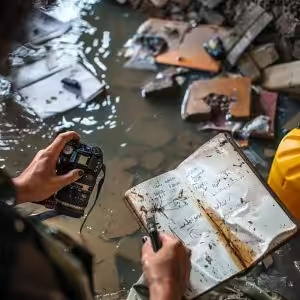
Effective claims filing begins with immediate and thorough documentation of the damage. Residents should capture photographs and videos of affected areas as soon as it is safe to do so, and keep detailed written records. Receipts for emergency services or repairs are essential. Partnering with a reputable restoration company that understands insurance protocols can ensure claims are submitted accurately and promptly, expediting the process.
What Documentation Is Needed for Insurance Adjusters?
Insurance adjusters require clear documentation to process claims. Key items include photographs, videos, written reports detailing the damage, and receipts from emergency water extraction, cleaning, and repair services. Additional documents such as maintenance records and professional certifications support the claim and help avoid disputes and delays. Water damage causes
How Does Charlotte Flood Solutions Assist With Insurance Claims?
Charlotte Flood Solutions aids homeowners by providing expert documentation, detailed damage assessments, and direct communication with insurance adjusters. Their team helps ensure all damage is properly recorded and offers guidance on submission processes, serving as an effective intermediary that helps secure a fair settlement while reducing financial stress during recovery.
What Are the Typical Costs and Timeframes for Water Extraction and Flood Repair?
The cost and duration of flood damage restoration vary based on the extent of damage, property type, and required services. Accurate estimates are crucial for planning recovery and setting realistic expectations.
How Much Does Emergency Water Extraction Cost in Charlotte?
Costs in Charlotte generally range from a few hundred to several thousand dollars. Factors include the volume of water extracted, the area affected, and property type. Additional costs may arise from hazardous contamination, the need for specialized equipment, and extensive structural damage. Smaller residential jobs tend to be less expensive, while larger commercial projects typically incur higher fees. Homeowners should request detailed estimates to ensure pricing transparency.
How Long Does the Entire Flood Damage Repair Process Take?
Recovery timelines depend on damage severity. Minor floods may require only a few days to a week for water extraction, drying, cleaning, and minor repairs. More extensive floods that require structural repairs and mold remediation can take several weeks or even months. Factors such as local climate, crew availability, and insurance processes also affect the overall timeline.
What Factors Influence Pricing and Duration?
Several factors influence both cost and time, including the flood’s impact area, the degree of water intrusion, and the type of construction materials affected. Contaminants, biological hazards, and the presence of mold further complicate the process, often necessitating additional cleaning and remediation. Local labor rates, parts availability, and weather conditions can also play significant roles. Professional assessments ensure that each estimate is customized and transparent.
How Can Charlotte Residents Prevent Future Flood Damage and Mold Issues?
Prevention is key to avoiding future flood and mold problems. By understanding local flood risks and implementing effective prevention methods, Charlotte residents can significantly reduce potential damage. mold after flood risks are crucial for homeowners.
What Local Flood Risks Should Charlotte Homeowners Be Aware Of?
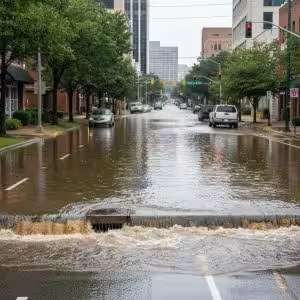
Homeowners should be aware of local risks such as heavy rainfall, storm surges, and overflow from nearby water bodies. Urban development can limit natural drainage, exacerbating these issues. Regular inspections of drainage systems, gutters, and downspouts, along with awareness of local weather forecasts and emergency alerts, are essential steps in reducing risk.
What Are Effective Flood Prevention and Mitigation Strategies?
Effective strategies include installing sump pumps, backflow valves, and flood barriers to mitigate rising water levels. Regular maintenance of roofs, gutters, and drainage systems improves water flow and reduces accumulation. Landscaping techniques like proper grading, permeable pavements, and rain gardens help manage excess water. Additional measures, such as sealing basement walls and adding moisture barriers, further protect properties from seepage.
How Can Regular Maintenance Reduce Mold and Water Damage Risks?
Routine maintenance is critical to identifying potential issues before they escalate. Regular inspections of plumbing, roofs, and exterior walls can uncover minor leaks, and consistent cleaning of downspouts and gutters ensures proper drainage. Maintaining indoor humidity with dehumidifiers during humid months also wards off mold growth. Such preventive practices not only extend the life of building materials but also enhance overall property resilience.
Where Does Charlotte Flood Solutions Provide Emergency Water Extraction and Flood Repair Services?
Charlotte Flood Solutions serves a wide array of neighborhoods across the greater Charlotte region. Their extensive service network ensures that nearly every area receives prompt, professional assistance during flood emergencies, with local expertise enhancing restoration outcomes.
Which Charlotte Neighborhoods Are Covered for Flood Damage Repair?
Charlotte Flood Solutions serves neighborhoods including Uptown Charlotte, South End, Dilworth, NoDa, and Ballantyne. Their service area encompasses densely populated residential districts as well as commercial zones. Each neighborhood’s unique flood risks are assessed to provide tailored solutions, whether addressing older infrastructures or high-rise complexities.
How Does Local Expertise Improve Flood Restoration Outcomes?
Local expertise enables a deeper understanding of regional weather patterns, construction styles, and drainage challenges. Charlotte Flood Solutions’ teams, well-versed in local building codes and common structural issues, use this knowledge to conduct precise assessments, efficiently remove water, and implement targeted repairs. Their established relationships with local suppliers and agencies also contribute to faster service and compliance with regional regulations.
How to Contact Charlotte Flood Solutions for 24/7 Emergency Service?
Charlotte Flood Solutions offers around-the-clock support. Homeowners and business owners can readily reach a dedicated team by phone or using an online request form on the company website. A certified representative is available at any time to provide immediate assistance, answer questions, and dispatch a professional team promptly. For more information, visit Charlotte Flood Solutions.
Conclusion / Final Thoughts
Final Thoughts
Charlotte residents facing flood damage can take comfort in the comprehensive services provided by emergency water extraction and restoration experts. Rapid water removal, effective flood damage repair, and proactive mold remediation protect both property structures and occupant health. With clear guidance on insurance claims, costs, and preventive measures, homeowners are well-prepared to manage immediate recovery and long-term protection from future flood challenges.
Frequently Asked Questions
Q: What immediate steps should be taken after flood damage occurs? A: Contact emergency water extraction specialists immediately to remove standing water, document damage with photos and videos, and begin mitigation processes to prevent mold growth.
Q: How soon should mold remediation be considered after water extraction? A: Mold remediation should begin as soon as possible—ideally within 24 to 48 hours—to prevent mold spore proliferation and ensure safe indoor air quality.
Q: What factors determine the cost of flood damage repairs in Charlotte? A: Costs depend on the extent of water damage, water volume extracted, exposure duration, contaminated materials, and the complexity of necessary structural repairs.
Q: Can regular maintenance reduce the risk of future flood and mold damage? A: Yes, regular inspections of roofs, plumbing, and drainage systems—combined with indoor humidity control—significantly lower the chances of water intrusion and mold development.
Q: How does Charlotte Flood Solutions help with the insurance claim process? A: They assist by providing thorough documentation, detailed damage assessments, and acting as intermediaries with insurance adjusters to secure fair compensation.
Q: What equipment is essential during the water extraction process? A: High-capacity pumps, wet/dry vacuums, industrial dehumidifiers, air movers, and moisture detection tools work together to remove water, dry structures, and prevent further damage.
Q: How quickly can restoration services typically complete flood repairs? A: Recovery timelines vary—from a few days for minor incidents to several weeks or months for extensive damage—depending on damage severity and the effectiveness of restoration methods.