Key Takeaways
- Water damage in Charlotte homes is often due to burst pipes, flooding, and appliance leaks.
- Structural integrity and health risks are major concerns, along with significant financial repair costs.
- Regular inspections, proper maintenance, and emergency preparedness can help prevent water damage.
- Prompt action and professional restoration services are crucial after water damage occurs.
- Insurance documentation and understanding building codes play vital roles in effective claims and prevention.
Water damage is a frequent issue for Charlotte homeowners. This article explains common causes of water damage, its signs and impacts, prevention measures, immediate actions after damage, and the effects of local climate and building codes. Understanding these topics can help homeowners make informed decisions about repairs, restoration, and insurance claims.
What Are the Most Common Causes of Water Damage in Charlotte?
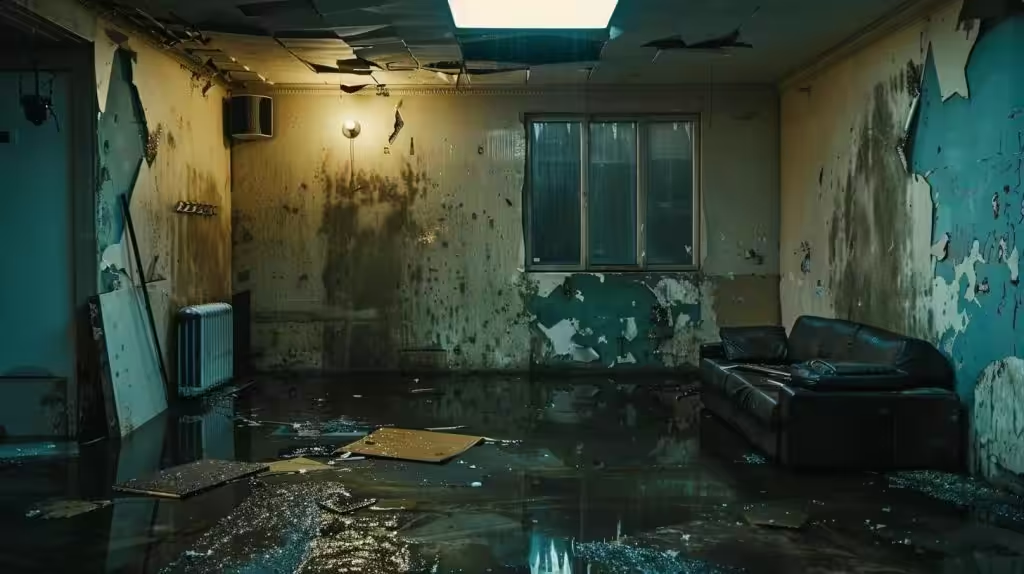
Water damage in Charlotte homes primarily arises from recurring issues that allow water intrusion and cause lasting damage. Common causes include burst water pipes, severe flooding, heavy storms, roof leaks, faulty appliances, and foundation cracks.
How Do Burst Pipes Cause Water Damage in Charlotte Homes?
Burst pipes occur when pressure builds up or old pipes rupture, releasing large amounts of water. This sudden leak saturates walls, floors, and ceilings; the water can penetrate deep into structures, weakening support beams and encouraging mold and mildew if not promptly addressed.
What Role Does Flooding Play in Water Damage Incidents?
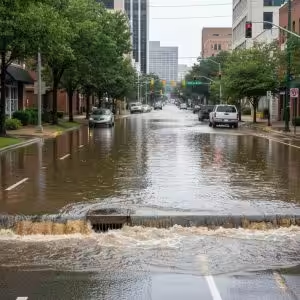
Flooding from heavy rain or overflowing waterways causes water to seep into homes through doors, windows, and poor drainage systems. In Charlotte, seasonal rains can submerge basements and damage electrical systems and structural elements. Prolonged flood exposure increases mold risks and health hazards.
How Can Leaking Roofs Lead to Water Damage?
Aging or poorly installed roofs may begin leaking, allowing slow water entry into attics and living spaces. This dripping water harms insulation, drywall, and wiring, creating an environment that promotes mold growth and deteriorates the structure over time.
What Appliance Leaks Commonly Cause Water Damage?
Faulty hoses in washing machines, dishwashers, refrigerators, or water heaters can cause continuous minor leaks. Over time, these leaks damage flooring and walls, warp surfaces, and raise humidity levels that support mold growth.
How Do Foundation Issues Contribute to Water Damage?
Cracks or shifts in a home’s foundation can let water seep into basements or crawl spaces. This infiltration damages interior walls and structural supports while promoting mold and pest infestations. Prompt repairs are essential to prevent extensive damage.
What Are the Signs and Impacts of Water Damage in Charlotte Homes?
Early detection of water damage is critical for reducing health, financial, and structural risks. Visible signs include stains on walls or ceilings, musty odors, and peeling paint. Hidden damage may only be found when mold begins to develop.
What Health Risks Are Associated With Water Damage and Mold?
Mold resulting from water damage poses severe health risks, including respiratory problems, allergies, and infections. In Charlotte, mold spores can trigger asthma attacks and allergic reactions, along with skin and eye irritations. More information can be found at about us.
How Does Water Damage Affect Structural Integrity?
Repeated water exposure weakens building materials—the support beams, wood, drywall, and insulation can deteriorate, resulting in sagging roofs, warped floors, and potential foundation failure. Such damage not only lowers property value but also creates safety hazards.
What Are the Financial Costs of Water Damage Restoration?
Repairing water damage often involves high costs for drying, moisture detection, mold remediation, and structural repairs. Although insurance can help, thorough documentation and prompt claims are essential to managing expenses.
How Can Charlotte Homeowners Prevent Water Damage?

Prevention is key to avoiding the high costs and risks of water damage. Multiple strategies, including regular inspections, timely maintenance, and immediate repairs, can greatly reduce these risks. fire prevention strategies.
What Regular Inspections Help Detect Water Damage Early?
Routine inspections of plumbing, roofing, and drainage systems help uncover damp spots, corrosion, and early mold growth. Annual professional inspections ensure hidden issues are detected before they become severe.
How Does Proper Maintenance Reduce Water Damage Risks?
Regular maintenance such as cleaning gutters, sealing roof leaks, replacing aging appliances, and fixing plumbing issues helps stop minor problems from escalating. Using dehumidifiers to control moisture levels also minimizes risks.
What Emergency Preparedness Steps Should Charlotte Residents Take?
Homeowners should prepare by learning to shut off the main water valve, keeping waterproof documentation, and having emergency restoration services on call. Stocking tools such as dehumidifiers and sump pumps, along with updated insurance policies, prepares residents for emergencies.
What Should You Do Immediately After Experiencing Water Damage?
Immediate action is crucial to reducing further damage and health risks. Quick, decisive steps help minimize deterioration until professional help arrives.
What Are the First Steps to Take After Water Damage Occurs?
Ensure safety by turning off electricity and water supplies if needed. Document the damage with photos and notes for insurance claims, and remove excess water using towels or a wet vacuum as an interim measure.
When and How Should You Contact a Water Damage Restoration Company?
After ensuring safety and documenting damage, contact a certified water damage restoration company. Choose experts experienced in water extraction, drying, and mold remediation to prevent further damage and restore the home efficiently.
How Does Charlotte’s Climate and Building Codes Affect Water Damage Risks?
Charlotte’s humid climate and seasonal weather fluctuations increase the risk of water damage. Local building codes, intended to ensure durability, may not be fully met by older homes, thereby increasing vulnerability. fire damage restoration
How Does Seasonal Weather Influence Water Damage in Charlotte?
Heavy summer rains and winter freezes can cause burst pipes and roof leaks. Rapid changes in temperature and humidity further strain existing structures, requiring seasonal adjustments in maintenance routines.
What Building Code Considerations Affect Water Damage Prevention?
Local codes regulate drainage, roofing, and foundation integrity to reduce water damage risks. Adhering to these codes during renovations and new construction is critical to ensuring proper insulation and waterproofing.
What Water Damage Restoration Services Are Available in Charlotte?
Charlotte provides a variety of professional restoration services addressing immediate water damage and long-term recovery. These include inspections, water extraction, drying, mold remediation, and repairs.
What Does Water Damage Inspection Include?
Inspections assess moisture levels, check hidden dampness behind walls and under floors, and evaluate mold risks. Using moisture meters and thermal imaging, technicians determine how deeply water has penetrated, guiding the restoration process.
How Do Water Extraction and Drying Services Work?
Water extraction removes standing water with specialized pumps and vacuums, followed by high-powered drying using dehumidifiers and air movers. These steps prevent further damage and mold growth by quickly lowering moisture levels.
What Is Mold Remediation and Why Is It Important?
Mold remediation involves detecting and eliminating mold growth and sanitizing affected areas. This service is vital to eliminate health risks and ensure that the structure is not further compromised by mold infestation.
How Are Water Damage Repairs Conducted?
Repairs focus on replacing damaged drywall, flooring, and insulation. Restoration professionals remove compromised materials and rebuild with moisture-resistant products, often repainting and refinishing areas to restore the home’s look and integrity.
How Can You Handle Water Damage Insurance Claims in Charlotte?

Managing insurance claims involves detailed documentation and a clear understanding of policy coverage. Timely and accurate claims can reduce out-of-pocket expenses and speed up the repair process.
What Documentation Is Needed for Water Damage Claims?
Homeowners should gather photographs, receipts, and repair estimates. Detailed records of all emergency actions and professional inspections further support the claim during discussions with insurance adjusters.
How Do Insurance Policies Typically Cover Water Damage?
Insurance usually covers sudden, accidental water damage like burst pipes or storm damage. Gradual damage from leaks is often excluded, so understanding policy terms is essential for managing claims effectively.
What Are Common Challenges in Water Damage Claims?
Challenges include disputes over damage extent, processing delays, and differing views on coverage limits. Engaging experienced restoration experts and insurance adjusters can help overcome these issues and secure fair reimbursement.
| Service Component | Description | Benefit |
|---|---|---|
| Water Extraction | Removal of standing water using specialized equipment. | Immediate reduction in further damage. |
| Drying and Dehumidification | Use of industrial fans and dehumidifiers after water removal. | Prevents mold growth and further decay. |
| Mold Remediation | Identification, removal, and treatment of mold infestations. | Protects health and maintains structural integrity. |
A clear table outlining the restoration services helps homeowners understand the process and make informed decisions when hiring professionals.
Frequently Asked Questions
Q: How quickly should water damage be addressed? A: Action within 24–48 hours is crucial to mitigate further damage and prevent mold growth, significantly reducing restoration costs.
Q: Can I repair water damage myself? A: Minor damage might be managed by homeowners, but significant issues require professional assessment to ensure safety and code compliance.
Q: Does homeowner’s insurance cover all water damage?A: Most policies cover sudden, accidental water damage; however, gradual leaks may be excluded. It is important to review policy details and consult professionals for claims.
Q: Why is mold remediation necessary after water damage? A: Mold poses serious health risks and can damage structures. Professional remediation guarantees complete removal and lowers the chance of recurrence.
Final Thoughts
Water damage in Charlotte homes is complex, with causes ranging from burst pipes and flooding to roof leaks and faulty appliances. Understanding these causes, recognizing early signs, and taking proactive measures can help protect your property. Immediate action, professional restoration, and thorough insurance documentation are key to minimizing damage and ensuring a safe, secure home.