Charlotte faces an average of 45 thunderstorm days every year while property owners are seeing insurance premiums rise by at least 21 percent within two years. Most people worry about hurricanes on the coast and might think Charlotte is off the hook. That assumption almost always leads to the biggest financial shocks. The last hurricane season alone left three people dead and damaged 170 homes in the area. So, property owners who get caught off guard have more at risk than just leaky roofs. The biggest challenge is not the storm itself but missing the proactive steps that make all the difference when disaster hits.
Table of Contents
- Storm Risks And Damage In Charlotte, NC
- Proactive Steps To Safeguard Your Property
- Insurance, Legal, And Recovery Considerations
- Community Efforts And Resources For Resilience
Quick Summary
| Takeaway | Explanation |
|---|---|
| Proactive Storm Preparation is Essential | Property owners in Charlotte should regularly conduct inspections of roofs, gutters, and drainage systems to mitigate risks from severe weather and prevent damage during storms. |
| Comprehensive Insurance Coverage is Crucial | Homeowners must evaluate their insurance policies to ensure coverage for flood and storm-related damages, as standard policies may have significant exclusions. |
| Timely Damage Reporting Affects Recovery | Under North Carolina regulations, homeowners should report storm damage claims within 72 hours of discovery to avoid delays in recovery and insurance claims processes. |
| Community Support Enhances Resilience | Engaging with local nonprofits and government initiatives can provide additional resources and assistance during recovery efforts after a storm. |
| Engage Professionals for Recovery | Utilizing professional disaster recovery services can streamline the assessment and restoration process, ensuring effective management of storm damage. |
Storm Risks and Damage in Charlotte, NC
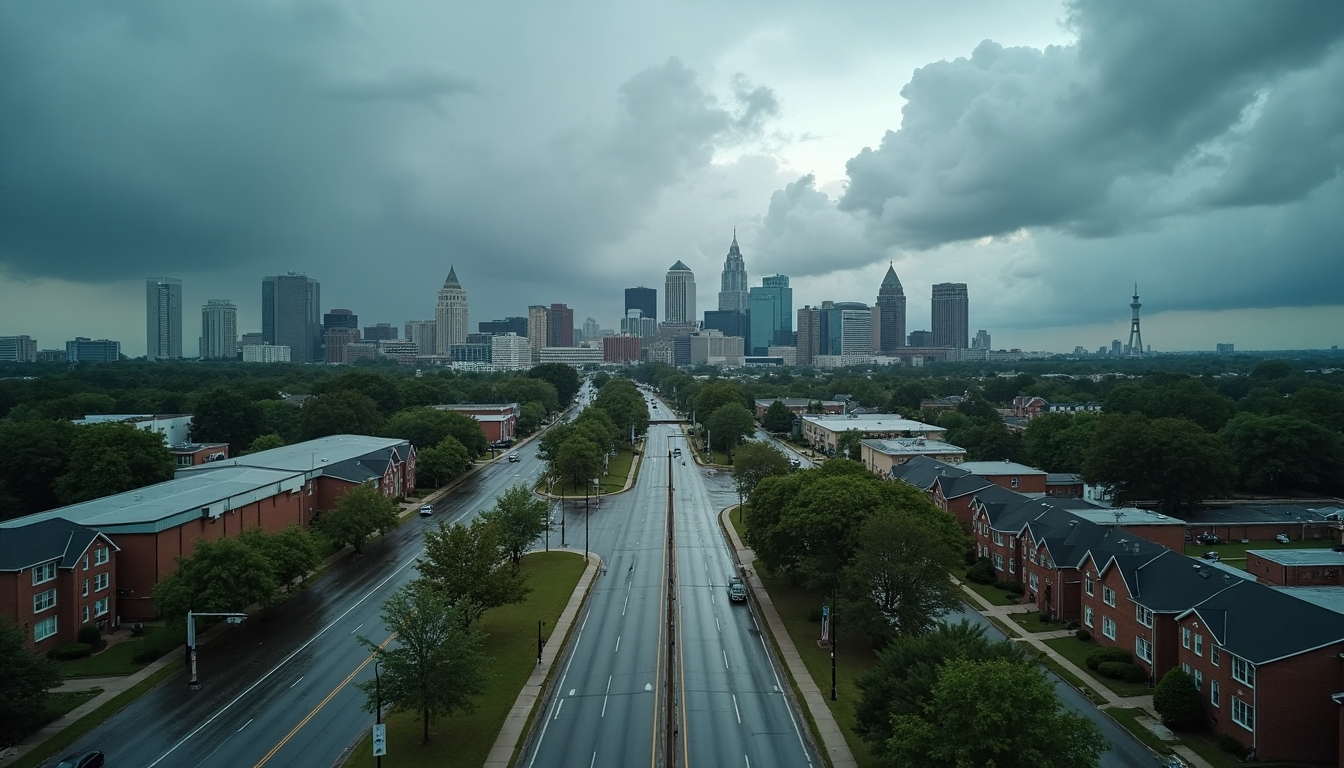
Charlotte faces significant storm risks that demand proactive strategies for property protection and safety. The region experiences multiple weather threats annually, ranging from intense thunderstorms to potential hurricane impacts that can cause substantial damage to homes and businesses.
Understanding Local Storm Patterns
Mecklenburg County and the surrounding Charlotte metropolitan area are particularly vulnerable to severe weather events. According to local emergency management data, the previous hurricane season resulted in three fatalities and damage to 170 homes, underscoring the critical need for comprehensive mitigating storm damage strategies.
The geographical location of Charlotte places it in a zone where multiple storm systems converge, creating unique meteorological conditions. Thunderstorms, wind events, and occasional tropical systems pose significant risks to property structures. These storms can generate wind speeds exceeding 60 miles per hour, causing potential roof damage, window breakage, and structural compromises.
Economic and Property Impact of Storm Damage
Storm damage in Charlotte represents more than just a physical threat—it carries substantial economic consequences. Residential and commercial properties can face extensive repair costs that often range from thousands to hundreds of thousands of dollars. Understanding potential restoration expenses becomes crucial for effective financial planning and insurance preparation.
Key storm-related risks in the region include:
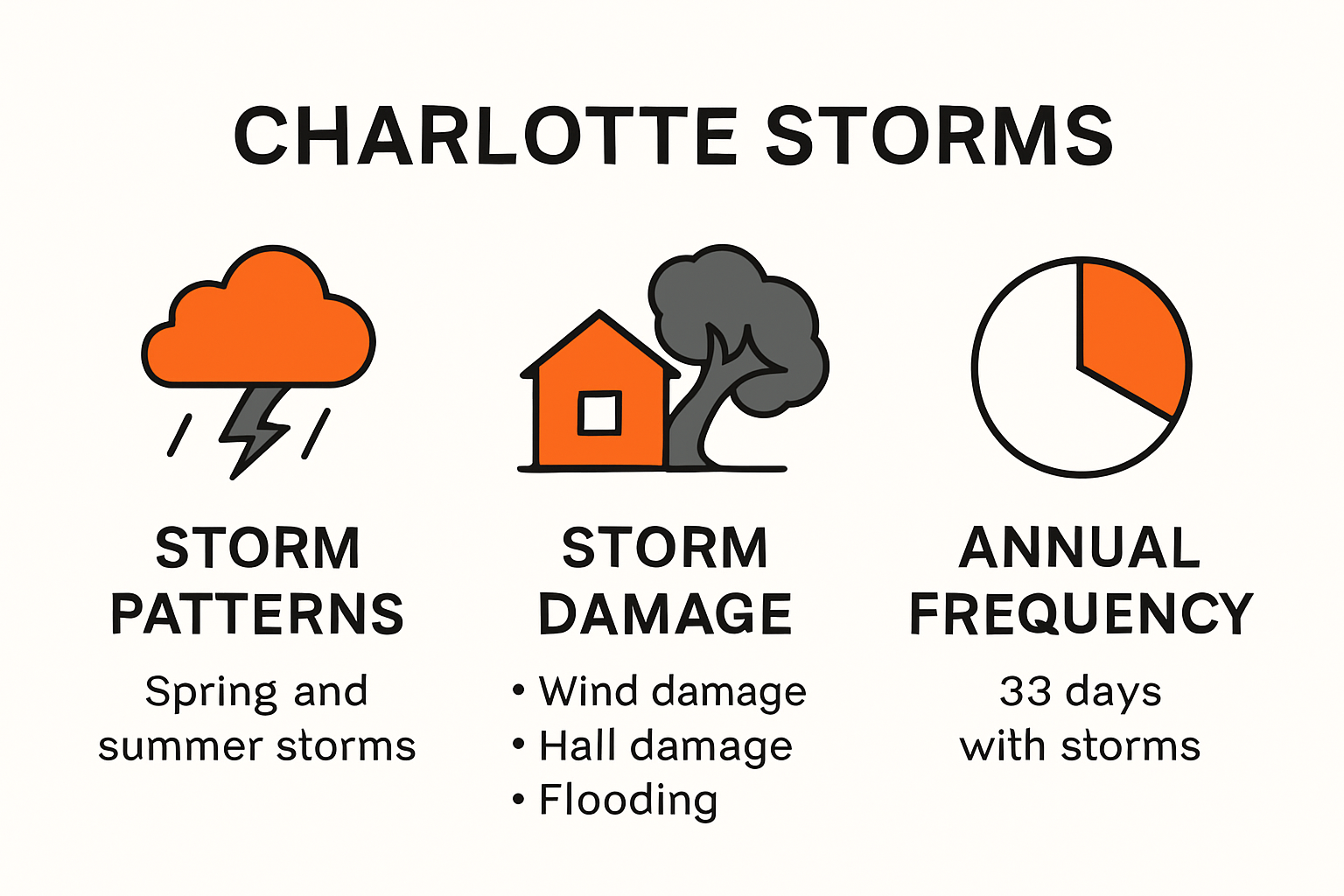
- Wind Damage: High-velocity winds can tear off roof shingles, damage siding, and uproot trees.
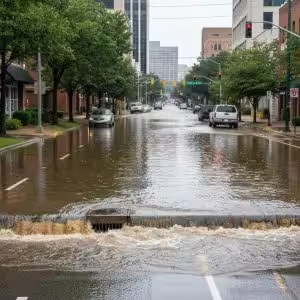
- Water Intrusion: Heavy rainfall can lead to flooding, causing structural deterioration and potential mold growth.
- Electrical System Disruption: Lightning strikes and power surges can compromise electrical infrastructure.
Statistical analysis reveals that Charlotte experiences an average of 45 thunderstorm days annually, with peak storm seasons occurring between late spring and early autumn. This frequency demands residents and business owners develop robust mitigation strategies to protect their properties and minimize potential financial losses.
Professional disaster recovery services play a critical role in helping property owners navigate the complex landscape of storm damage prevention and recovery. These experts provide comprehensive assessments, emergency preparedness recommendations, and swift restoration services when damage occurs.
Mitigating storm damage requires a multifaceted approach that combines preventative maintenance, strategic property modifications, and comprehensive insurance coverage. Property owners must remain vigilant, continuously updating their storm preparedness plans and investing in protective measures that can significantly reduce potential risk and financial exposure.
Proactive Steps to Safeguard Your Property
Protecting your property from potential storm damage requires strategic planning and proactive maintenance. Homeowners and business owners in Charlotte must develop comprehensive strategies that address structural vulnerabilities and minimize potential risks before severe weather strikes.
Structural Preparation and Maintenance
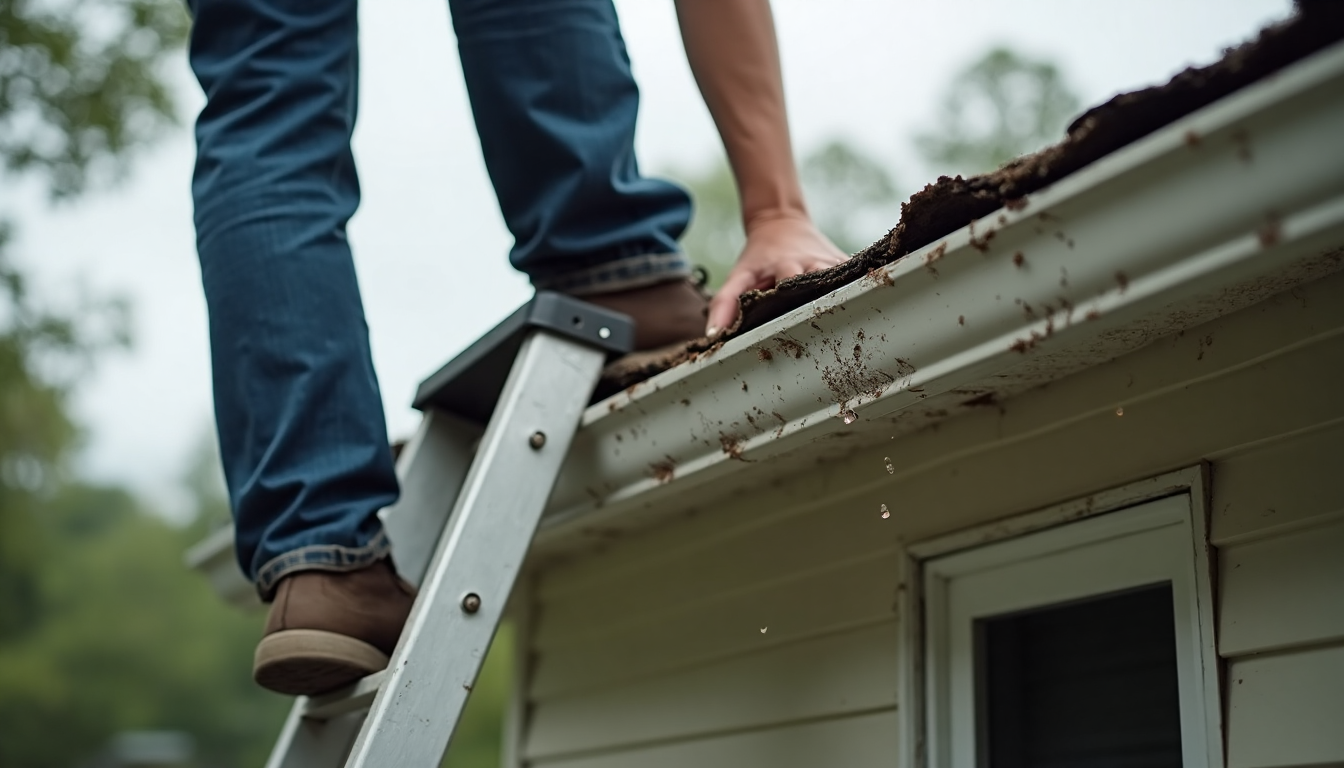
Regular property inspections form the foundation of effective storm damage prevention. Experts recommend conducting thorough roof and gutter assessments at least twice annually. Clogged gutters and damaged shingles represent significant risks during heavy rainfall events common in the Charlotte metropolitan area.
Key structural maintenance tasks include:
- Roof Inspection: Check for loose or missing shingles, potential leak points, and structural integrity.
- Gutter Cleaning: Remove debris, ensure proper drainage, and repair any damaged sections.
- Window and Door Reinforcement: Install storm shutters or impact-resistant coverings.
Property owners should prioritize drainage system maintenance. Ensuring proper grading around the foundation, clearing drainage paths, and installing additional drainage solutions can significantly reduce water infiltration risks during intense storm events.
Insurance and Financial Protection
Comprehensive insurance coverage represents a critical component of storm damage mitigation. According to FEMA’s National Flood Insurance Program, standard homeowner’s insurance typically does not cover flood damage. Property owners should carefully evaluate and purchase additional flood insurance to protect against potential financial losses.
Important insurance considerations include:
- Flood Insurance: Obtain specialized coverage through NFIP or private insurers.
- Comprehensive Property Coverage: Ensure policies cover wind, water, and storm-related damages.
- Documentation: Maintain detailed records of property condition and valuable assets.
Timely Damage Reporting and Documentation
Quick action following storm damage can make a significant difference in recovery and insurance claims. North Carolina regulations require homeowners to report storm damage claims within 72 hours of discovering the damage. This strict timeline means property owners must be vigilant and prepared to document and report issues immediately.
Professional disaster recovery services can provide critical support in navigating the complex process of damage assessment and insurance claims. These experts offer comprehensive evaluations, helping property owners understand the full extent of potential storm damage and develop effective recovery strategies.
Effective storm damage mitigation is an ongoing process. Property owners must remain proactive, continuously updating their preparedness plans, maintaining their structures, and staying informed about local weather patterns and potential risks. By implementing these strategic approaches, Charlotte residents can significantly reduce their vulnerability to storm-related property damage and financial loss.
Insurance, Legal, and Recovery Considerations
Navigating the complex landscape of storm damage recovery requires a comprehensive understanding of insurance policies, legal protections, and strategic restoration approaches. Property owners in Charlotte must be prepared to address multiple dimensions of potential storm-related challenges.
Insurance Policy Dynamics
Recent data reveals that insurance companies are responding to increased storm risks by tightening coverage and raising premiums. North Carolina homeowners are experiencing significant changes, with some facing a minimum 21% premium increase over the next two years.
Most homeowners’ insurance policies in Charlotte typically cover:
- Wind Damage: Structural impacts from high-velocity winds
- Hail Damage: Roof and exterior surface deterioration
- Lightning Strikes: Electrical system and property damage
- Falling Object Damage: Trees or debris impact
However, coverage specifics can vary dramatically. Property owners must carefully review their policies, understanding exact exclusions and limitations to prevent unexpected financial burdens during recovery.
Legal Preparedness and Business Protection
Business owner surveys in 2025 indicate growing concerns about extreme weather, with 67% expressing worry about potential disruptions. Specifically, 50% of business owners are concerned about structural damage—a significant increase from 42% in 2023.
Legal considerations for storm damage recovery include:
- Documentation: Maintaining detailed records of damage
- Claim Filing Timelines: Understanding strict reporting windows
- Professional Assessment: Obtaining expert damage evaluations
- Rights and Protections: Understanding state-specific insurance regulations
Recovery and Restoration Strategies
Professional disaster recovery services play a critical role in comprehensive storm damage management. These specialists provide essential support in navigating complex insurance claims, conducting thorough damage assessments, and implementing effective restoration strategies.
Key recovery considerations include:
- Immediate damage mitigation to prevent secondary issues
- Comprehensive property assessment
- Strategic repair and restoration planning
- Coordinating with insurance adjusters and legal professionals
Successful storm damage recovery demands a proactive, multifaceted approach. Property owners must combine thorough insurance knowledge, legal preparedness, and professional restoration expertise to effectively manage and mitigate potential storm-related challenges.
By understanding the intricate landscape of insurance policies, legal protections, and restoration strategies, Charlotte residents can develop robust recovery plans that minimize financial risks and expedite property restoration after severe weather events.
Community Efforts and Resources for Resilience
Storm resilience in Charlotte extends far beyond individual property protection, encompassing a robust network of community organizations, local government initiatives, and collaborative support systems designed to strengthen the region’s ability to withstand and recover from severe weather events.
Local Nonprofit and Disaster Relief Initiatives
The North Carolina Community Foundation Disaster Relief Fund plays a critical role in supporting long-term community recovery. By providing targeted grants to nonprofit and charitable organizations, this fund addresses unmet needs that often fall outside traditional disaster response frameworks.
Habitat for Humanity of the Charlotte Region has emerged as a key player in hurricane recovery efforts, focusing on repairing and rebuilding homes for families most severely impacted by storm damage. Their work goes beyond immediate reconstruction, emphasizing community resilience and sustainable recovery strategies.
Key community support initiatives include:
- Volunteer Reconstruction Teams: Mobilizing local volunteers for home repairs
- Emergency Housing Assistance: Providing temporary shelter and support
- Financial Aid Programs: Offering grants and low-interest loans for storm recovery
Government and Emergency Management Resources
Local and state government agencies in North Carolina have developed comprehensive disaster preparedness and response frameworks. These systems integrate multiple levels of support, from immediate emergency response to long-term community rebuilding efforts.
Critical government resources for storm resilience include:
- Emergency Management Coordination: Rapid response and resource allocation
- Public Safety Communication Systems: Early warning and evacuation protocols
- Infrastructure Resilience Planning: Developing robust community infrastructure
Collaborative Community Preparedness
Professional disaster recovery services complement community efforts by providing specialized expertise in storm damage mitigation and recovery. These professionals work closely with local organizations to enhance overall community preparedness and resilience.
Community preparedness strategies involve:
- Regular emergency response training
- Community-wide disaster simulation exercises
- Developing neighborhood support networks
- Creating comprehensive communication plans
Building storm resilience is a collective endeavor that requires ongoing commitment from individuals, nonprofits, businesses, and government agencies. By fostering collaboration, sharing resources, and maintaining a proactive approach to disaster preparedness, Charlotte can continue to strengthen its ability to withstand and recover from severe weather challenges.
The strength of a community is measured not just by its ability to prevent damage, but by its capacity to support and rebuild together. Charlotte’s multifaceted approach to storm resilience demonstrates a powerful model of community cooperation and mutual support in the face of environmental challenges.
Frequently Asked Questions
What are the common storm risks in Charlotte, NC?
Charlotte faces various storm risks, including thunderstorms, high winds, flooding, and occasional hurricanes. These weather events can cause significant damage to residential and commercial properties.
How can I prepare my property for storms in Charlotte?
To prepare your property, conduct regular inspections of your roof, gutters, and drainage systems. Ensure all structures are reinforced and consider installing storm shutters to protect windows during severe weather.
What should I do immediately after a storm causes damage to my property?
After a storm, report any damage to your insurance company within 72 hours of discovery. Document the damage with photos and maintain detailed records for insurance claims.
Is flood insurance necessary for homeowners in Charlotte?
Yes, flood insurance is crucial, as standard homeowner’s insurance policies often do not cover flood-related damages. It is advisable to obtain specialized flood insurance to protect against potential financial losses.
Protect Your Charlotte Property With Trusted Storm Recovery Experts
Storms in Charlotte are unpredictable and insurance hurdles make recovery even more stressful. This guide taught you the risks that come with severe weather and the urgency of acting fast after damage hits. But when the next storm hits, will your insurance keep up or leave you handling paperwork and repairs on your own? Rising premiums, strict 72-hour reporting windows, and hidden policy gaps can leave homeowners and business owners feeling exposed just when they need help the most.
Take the uncertainty out of recovery. With National Insurance Claim Specialist – Fire Damage Repair and Water Damage Repair Charlotte NC you get experienced specialists who handle every step from damage assessment to maximizing your insurance claim. Our team stands by you with clear communication, rapid response, and deep local knowledge. Ready for peace of mind before and after the storm? Contact National Insurance Claim Specialist today for a fast, no-obligation property consultation and see why so many Charlotte property owners trust us to restore their homes and businesses. Act now to secure your safety and financial future.