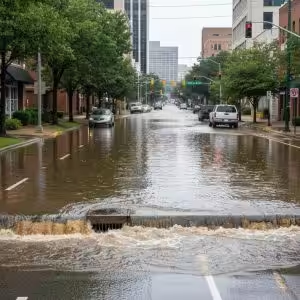
Local Flood Repair Companies in Charlotte Explained
Flood damage can be overwhelming and costly for homeowners and business owners in Charlotte, NC. When disaster strikes, local flood repair companies act quickly to restore properties and minimize long-term risks. In many cases, these companies even extend their expertise to fire damage restoration, ensuring that all aspects of property restoration are addressed. This article outlines the services provided, the importance of local expertise, tips on evaluating companies, typical pricing structures, and steps involved in mold and content restoration. For additional help and inquiries, contact us if further support is needed. It also offers guidance on preparing properties for future flood risks.
What Services Do Local Flood Repair Companies in Charlotte Offer?
Local companies typically offer emergency water extraction, structural drying, dehumidification, mold remediation, and structural repairs. These critical services restore water-damaged properties to their pre-flood condition.
How Does Emergency Water Extraction Work?
Emergency water extraction is the first step after flood damage. Technicians use high-powered water extraction machines and portable pumps to remove standing water quickly, which minimizes structural damage and limits mold growth. After extraction, professionals assess hard-to-reach areas to tailor subsequent drying methods, protecting both the building and personal belongings.
What Is Included in Structural Drying and Dehumidification?
Following extraction, structural drying and dehumidification eliminate remaining moisture hiding in walls, floors, and ceilings. Industrial dehumidifiers, air movers, and drying equipment are deployed, while technicians monitor humidity with advanced sensors. This controlled process helps prevent issues such as wood rot, insulation degradation, and mold growth.
How Do Mold Remediation and Prevention Services Protect Your Home?
After water damage, mold can quickly develop. Flood repair companies begin with a complete assessment to identify affected areas. They then use HEPA filters and specialized equipment to clean surfaces, remove contaminated materials, and apply mold inhibitors. Preventative treatments and regular moisture monitoring ensure that mold does not recur, protecting both the occupants’ health and the building’s integrity.
What Types of Structural Repairs Are Common After Flood Damage?
Structural repairs address damage to drywall, flooring, insulation, and electrical or HVAC systems caused by floodwater. Technicians inspect for decay and rust and use specialized tools to repair or replace affected materials. Applying water-resistant coatings and sealants further helps prevent future water intrusion and ensures that repairs meet local building codes.
How Do Flood Repair Companies Assist With Insurance Claims?
Insurance claims after a flood can be complex. Local companies document damage thoroughly by taking photographs, videos, and detailed reports that support repair estimates. This documentation helps expedite claims and ensures that homeowners receive a fair settlement. Many companies also offer consultation services to guide policyholders through the claim process.
Why Is Choosing a Local Flood Repair Company in Charlotte Important?
Local companies have unique insights into regional weather patterns, common structural issues, and local building codes. Their expertise ensures faster response times, more effective repairs, and compliance with municipal standards, ultimately reducing liability and long-term risks.
How Does Local Expertise Benefit Flood Damage Restoration?
Charlotte’s specific conditions—such as common flood depths, soil types, and historic weather events—require tailored restoration methods. Local professionals are well-versed in regional building codes, enabling them to pinpoint problem areas, such as vulnerable basements or inconsistent drainage, and apply effective, targeted solutions. Their strong regional supplier relationships also help in rapidly sourcing quality materials.
What Are Charlotte’s Common Flood Risks and Building Code Considerations?
Charlotte faces risks from flash floods to prolonged water exposure during river overflows. Local repair companies understand the necessity of elevating structures, installing proper drainage, and using water-resistant materials. By following these guidelines, they ensure repairs not only restore but also improve a property’s resilience against future flooding.
How Does Rapid Response Impact Flood Damage Outcomes?
The speed of response is critical. Quick intervention—often within a few hours—initiates water extraction and drying before additional damage, such as mold growth or electrical hazards, can occur. This prompt action preserves structural integrity and often leads to lower overall repair costs.
How to Evaluate and Compare Flood Repair Companies in Charlotte?
Choosing the right company is vital during emergencies. Homeowners should evaluate factors such as certifications, customer reviews, and overall service quality to ensure a smooth recovery process.
What Certifications and Qualifications Should You Look For?
Reputable companies hold industry accreditations like IICRC, indicating rigorous training and adherence to best practices. It is also essential that technicians are licensed and insured. Ongoing training programs further demonstrate a company’s commitment to using the latest restoration techniques and equipment.
How to Check Customer Reviews and Testimonials Effectively?
Customer reviews provide insights into a company’s reliability. Look for feedback that emphasizes promptness, professionalism, and successful repair outcomes. Reviews on trusted platforms, along with recommendations from local community groups, can help verify the company’s reputation.
What Questions Should You Ask Before Hiring a Flood Repair Company?
Before hiring, inquire about response times, equipment availability, and specific services included in their packages. Request a detailed estimate and ask if fees may change in emergency situations. Additional useful questions include the company’s experience with local building codes, their process for mold remediation, and how they handle insurance claims documentation.
What Are the Typical Costs and Pricing Structures for Flood Repair in Charlotte?
The cost of flood restoration depends on damage severity, speed of service required, and project scope. Understanding common pricing models helps homeowners budget effectively.
How Do Emergency Services Affect Flood Repair Costs?
Emergency services are more expensive due to rapid mobilization and extra labor. Although these initial costs seem high, they can ultimately reduce overall expenses by minimizing further damage, such as mold growth or structural degradation. Some insurance policies may also cover a portion of these higher fees.
What Are Common Pricing Models for Full Flood Restoration?
Flood repair companies may offer fixed pricing or hourly rates. Fixed pricing provides a comprehensive estimate for services including water extraction, drying, and repairs. Hourly rates allow for flexibility if damage assessments change during the restoration. Bundled service packages may also be available, offering discounts when multiple services are combined.
How Can Insurance Coverage Influence Your Out-of-Pocket Expenses?
Proper documentation from a flood repair service can be critical for insurance claims. Detailed itemized estimates and photographic evidence help insurance adjusters decide claim amounts more quickly. With accurate documentation and expert assistance, many homeowners find that insurance coverage significantly reduces their out-of-pocket costs.
How Do Flood Repair Companies in Charlotte Handle Mold and Content Restoration?
Beyond structural fixes, local companies address the restoration of personal belongings and mitigate mold issues, ensuring a comprehensive recovery.
What Are the Steps in Mold Remediation and Prevention?
Mold remediation starts with a complete assessment to identify affected areas. Containment measures are taken immediately to prevent spread, followed by removing contaminated materials and disinfecting surfaces. Technicians then apply antimicrobial treatments to deter future mold growth. Preventative steps include monitoring humidity and ensuring proper ventilation post-restoration.
How Is Content Cleaning and Restoration Performed After Flooding?
Content restoration involves salvaging personal belongings exposed to floodwater. Specialized cleaning techniques, such as freeze-drying for waterlogged books or ultrasonic cleaning for delicate items, are used to remove contaminants. Additionally, deodorization and sanitization processes help restore items to a usable condition while eliminating odors and pathogens.
When Is Mold Remediation Necessary After Flood Damage?
Mold can start growing within 48 hours if water damage is not promptly addressed. Homeowners should be alert for musty odors, discoloration, or signs of mold growth. Early remediation is critical to reducing health risks and preventing further structural damage. Regular inspections in high-risk areas are advisable to ensure mold does not recur.
What Should You Expect During the Flood Repair Process in Charlotte?
The flood repair process is a multi-step procedure that continues until the property is fully restored. Homeowners can expect an initial damage assessment, rapid water removal, thorough drying, and subsequent repair work that covers both structure and personal content.
How Is the Initial Damage Assessment Conducted?
Professionals perform a comprehensive inspection using moisture meters and thermal imaging cameras to detect both visible and hidden damage. The resulting report outlines the extent of damage, estimates required repairs, and serves as critical documentation for insurance claims.
What Are the Typical Timelines for Flood Damage Repair?
Timelines vary with damage severity. Emergency water extraction and drying typically occur within 24 to 48 hours. Structural drying and dehumidification can take an additional 2 to 5 days, while more extensive structural repairs might extend over several weeks, particularly if significant mold remediation is needed.
How Do Technicians Use Equipment for Water Removal and Drying?
Technicians use high-powered pumps and extraction units to clear water quickly, followed by industrial dehumidifiers and air movers to circulate dry air. Continuous monitoring ensures that moisture levels are reduced effectively, preventing further damage and accelerating the restoration process.
How Can You Prepare Your Charlotte Property for Future Flood Risks?
Proactive measures can greatly reduce the impact of future floods. Homeowners and business owners should implement several preventive strategies.
What Flood Prevention Measures Are Recommended by Local Experts?
Local experts suggest installing backflow valves, upgrading drainage systems, and reinforcing basement waterproofing. Proper property grading and the installation of sump pumps with battery backups are also recommended to manage water accumulation effectively.
How Can Regular Maintenance Reduce Flood Damage Severity?
Routine inspections of drainage systems, roofs, and foundation seals are essential. Regular maintenance prevents minor issues from escalating and ensures that backup systems are ready during emergencies. Annual inspections by local experts can pinpoint vulnerabilities and extend the life of critical components.
What Role Do Flood Repair Companies Play in Long-Term Property Protection?
Beyond immediate repair, many companies offer long-term advice and services, such as flood-proofing and structural upgrades. Their comprehensive assessments often include recommendations to improve a property’s resilience, reducing future damage and offering peace of mind.
Final Thoughts
Local flood repair companies in Charlotte are essential during water damage emergencies. With services ranging from rapid water extraction to comprehensive mold remediation and structural repairs, these experts ensure that properties are restored quickly and remain safeguarded against future floods. Choosing a local partner not only enhances the efficiency of repairs but also provides valuable guidance for long-term property protection.
Frequently Asked Questions
Q: What should I do immediately after a flood damage incident?A: Immediately call a reputable flood repair company. Quick water extraction and drying are critical to minimize secondary damage like mold growth and preserve the structural integrity of your property.
Q: How long does the flood repair process typically take in Charlotte?A: Emergency water extraction usually occurs within 24 to 48 hours, with subsequent drying and dehumidification taking a few more days. Structural repairs and mold remediation may require several weeks, depending on damage severity. For more information on potential costs, you can refer to the storm damage repair costs.
Q: How can I verify the credibility of a flood repair company?A: Look for industry certifications (e.g., IICRC), read customer reviews on platforms like Google and the Better Business Bureau, and inquire about the company’s experience, response times, and remediation processes.
Q: Are the services provided by flood repair companies covered by insurance?A: Many insurance policies cover flood damage repairs if the incident is sudden and accidental. Companies assist with documentation and claims filing to help ensure that you receive the maximum coverage possible.
Q: What preventive measures can I take to protect my property from future flood damage?A: Regular maintenance of drainage systems, roofs, and foundations is essential. In addition, installing sump pumps, upgrading drainage, and ensuring proper property grading can significantly reduce the risk of flood damage.
Q: How is mold remediation handled during flood repair?A: Mold remediation begins with a detailed assessment, followed by containment, removal of contaminated materials, disinfection, and application of antimicrobial treatments to prevent future growth.
Q: What impact does a rapid response have on flood repair outcomes?A: Rapid response minimizes additional damage by quickly starting water extraction and drying processes, which in turn reduces the risk of mold development, lowers repair costs, and results in a more effective overall restoration.