Understanding Hurricane Damage Repairs in Charlotte
Charlotte homeowners and business owners face the daunting challenge of repairing property damage caused by hurricanes, and in some situations, fire damage restoration may be essential to address related issues. When severe weather strikes, storm damage—including water intrusion, roof destruction, structural compromise, and mold proliferation—can be overwhelming. This article outlines the common hurricane damage types in Charlotte, the emergency repair services available, the detailed restoration process from assessment to final repair, guidance for navigating insurance claims, and the repair services provided by local restoration experts. For additional support, please contact us. By understanding each step, property owners can better manage their recovery and minimize stress during these trying times.
What Are the Common Types of Hurricane Damage in Charlotte?
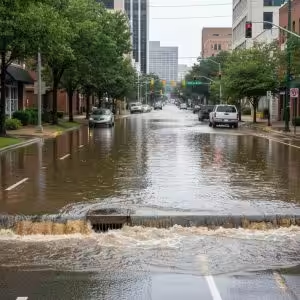
Charlotte properties can suffer from various types of hurricane damage affecting safety, appearance, and function. Immediately after a hurricane, heavy rains and flooding cause water damage that compromises walls, floors, and foundations. Wind damage often results in broken windows, displaced shingles, and structural deformation, while falling debris and storm impacts may lead to both external and internal damage.
How Does Water Damage Affect Charlotte Homes After a Hurricane?
Water intrusion is critical after a hurricane. Excess water can weaken structural elements and promote mold growth. In Charlotte, water damage may lead to saturated insulation, warped flooring, and compromised electrical systems that pose safety risks. Early detection using moisture meters and infrared imaging is essential. Prompt water removal and drying reduce long-term damage and mold infestation—so contacting emergency water extraction specialists immediately is crucial.
What Roof Damage Is Typical After a Hurricane in Charlotte?
Hurricane-force winds and heavy rainfall can severely damage roofs in Charlotte. Common issues include missing or displaced shingles, broken tiles, and weakened roof decking. In some cases, the entire roof structure may be compromised, increasing the risk of leaks and collapse. Roof damage not only exposes the interior but also reduces property value. Quick repair or replacement is essential to restore the roof’s integrity and prevent further water damage.
How Is Structural Damage Identified and Assessed?
Structural damage can be both visible and hidden. Cracks in load-bearing walls, misaligned supports, and foundation issues may occur. Licensed structural engineers perform detailed inspections using techniques like digital scanning and stress tests. Even minor structural issues can evolve into major hazards if left untreated. Repair recommendations may include reinforcement, component replacement, or in extreme cases, complete rebuilding.
Why Is Mold Remediation Important After Hurricane Water Damage?
Mold thrives in damp conditions created by hurricane water damage. Mold spores spread rapidly and can cause respiratory problems, allergies, and infections. In Charlotte, if water is not removed quickly, properties become vulnerable to dangerous mold infestations. Professional mold remediation involves cleaning, disinfecting, removal of contaminated materials, and treatment with mold inhibitors. Early remediation protects occupants’ health and prevents further material degradation. Mold after flood
What Emergency Services Are Available for Hurricane Damage Repairs in Charlotte?
Charlotte provides emergency services designed to stabilize properties and prevent further damage after hurricanes. Rapid-response teams are available for water extraction, roof tarping, and structural stabilization. These services help minimize the cascading effects of storm damage, reduce repair costs, and lessen safety risks until full repairs can be carried out.
How Does Emergency Water Damage Restoration Work?
Emergency water damage restoration begins with a rapid inspection to assess water intrusion. Restoration companies then use high-powered extractors, dehumidifiers, and air movers to remove moisture. The process is focused on reducing water damage and preventing secondary problems like mold growth. Continuous monitoring ensures the drying process is complete and helps protect the property’s structural integrity. For more information on home damage restoration, click here.
When and Why Is Roof Tarping Necessary After a Hurricane?
Roof tarping serves as a short-term solution when a roof is too damaged for immediate repair. If the roof is compromised after a hurricane, emergency teams install a tarp to prevent additional rainwater intrusion. This temporary measure protects the property while a comprehensive repair plan is developed, reducing the risk of further internal damage.
What Steps Are Involved in Structural Damage Emergency Repairs?
Emergency repair for structural damage starts with a comprehensive safety assessment. Licensed professionals install temporary supports and bracing to prevent collapse and further damage. Critical systems such as electrical wiring and plumbing are also inspected. Once stabilization is achieved, a detailed repair plan is created to address both superficial and deeper issues. Continuous monitoring and follow-up inspections ensure subsequent repairs are implemented safely. home damage restoration
How Does the Hurricane Damage Repair Process Work in Charlotte?
The hurricane damage repair process in Charlotte is a structured, step-by-step approach to restoration. It begins with an emergency assessment and stabilization, then moves on to detailed inspections and planning. Each phase—from water extraction and drying to structural repairs and finishing touches—is clearly defined. This process, executed by experienced professionals, reduces overall recovery time and cost while ensuring every aspect of the property’s restoration is addressed.
What Are the Step-by-Step Phases of Hurricane Damage Repair?
The restoration process is divided into several key phases: 1. Emergency Assessment and Stabilization: Experts evaluate the property immediately after the storm, secure hazardous areas, and perform initial actions such as tarp installation and water extraction. 2. Water Removal and Drying: Specialized equipment removes standing water and moisture, followed by a thorough drying process using dehumidifiers and air movers. 3. Cleaning and Sanitization: Once dry, the property is cleaned to remove contaminants and debris, reducing the risk of mold growth. 4. Structural Repairs: Detailed inspections lead to necessary repairs or reinforcement of walls, roofs, floors, and foundations. 5. Finishing Touches: The final stage includes repainting, flooring replacement, and restoring the property to its pre-storm condition.
Each phase is essential to ensure long-lasting and safe repairs.
How Long Does Each Stage of Repair Typically Take?
The duration of each repair stage varies with the damage severity. Emergency stabilization and water removal are usually completed within 48 to 72 hours. Cleaning and sanitization might take a few additional days. Structural repairs can range from one week for minor fixes to several weeks for extensive damage, while finishing touches like painting and flooring restoration may take another week or more. A detailed timeline is provided after the initial assessment.
What Materials and Techniques Are Used for Quality Repairs?
Quality repairs require high-grade materials and modern construction techniques. For roof repairs, impact-resistant shingles or metal roofing are commonly used. Structural repairs may incorporate steel reinforcement, advanced adhesives, and high-performance concrete. Water damage restoration employs antifungal treatments and industrial-grade dehumidifying systems. Modern technology, such as moisture sensors and thermal imaging cameras, is used to ensure repairs are precise and durable.
How Can Charlotte Homeowners Navigate Insurance Claims for Hurricane Damage?
Insurance claims play a critical role in hurricane damage recovery by providing the financial resources needed for repairs. The claims process can be complex, requiring thorough documentation, detailed damage assessments, and clear communication with adjusters. Understanding which insurance policies cover hurricane damage and knowing the correct filing procedures can ease the recovery process. Homeowners should document all damage with clear photographs and repair estimates and work closely with restoration companies to ensure accurate claims.
What Types of Insurance Cover Hurricane Damage in Charlotte?
In Charlotte, standard homeowner’s insurance policies generally cover hurricane damage with endorsements for windstorm and water damage. However, supplemental flood insurance is often required if floodwater intrusion is involved. Commercial properties may also have specific storm damage clauses. It is important for property owners to review their policies in advance and understand any limitations, deductibles, or additional coverage requirements.
How Do You File a Hurricane Damage Claim Effectively?
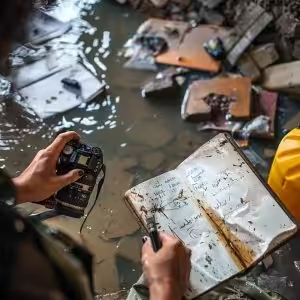
Effective claim filing begins with comprehensive documentation of all damage. Homeowners should record the damage through photographs and detailed notes immediately after the event, then contact their insurance company to request an adjuster visit. Maintaining clear and concise communication and working with a professional
can help ensure that the claim is complete and accurate, thereby increasing the likelihood of approval.
What Should You Expect When Working With Insurance Adjusters?
Insurance adjusters assess the extent of the damage and estimate repair costs. During their visit, they inspect the property, review documentation, and may consult with restoration experts. Homeowners should be prepared to answer questions about the damage and any temporary measures taken. A transparent dialogue with the adjuster, along with assistance from experienced restoration professionals, helps ensure a fair evaluation and appropriate repair cost estimates.
What Specific Repair Services Does Charlotte Home Restoration Offer?
Charlotte home restoration services offer a variety of options tailored to hurricane damage. These services include roof repairs, water damage restoration, mold remediation, and window and door replacements. Restoration companies provide comprehensive solutions that address both structural and aesthetic concerns. By using licensed professionals equipped with modern tools and technology, these services ensure efficient, high-quality repairs that restore properties to their pre-storm condition and significantly reduce downtime. home restoration
How Is Roof Repair Handled After Hurricane Damage?
Specialist crews start by inspecting the affected roof in detail. Damaged shingles or tiles are removed, loose sections are secured, and compromised components are replaced with high-quality, impact-resistant materials. For extensive damage, entire roof sections may be replaced. Techniques like waterproof membranes and advanced sealants are used to prevent future leaks. This process restores the roof’s appearance and reaffirms its role as a critical barrier against adverse weather.
What Does Water Damage Restoration Include?
Water damage restoration begins with emergency water removal and drying. Once standing water is removed, industrial-grade dehumidifiers and air movers eliminate residual moisture in walls, floors, and insulation. The process also includes cleaning, disinfecting, and sanitizing the affected areas to prevent mold growth. In severe cases, damaged materials such as drywall, carpeting, or wood are removed and replaced, restoring the property to its pre-damage condition while reducing health risks.
How Is Mold Remediation Conducted Post-Hurricane?
Post-hurricane mold remediation starts with an assessment of mold contamination using moisture detection tools. Affected areas are isolated to prevent spore spread. The remediation process involves a thorough cleaning and disinfection using EPA-approved antimicrobial agents, removal of visibly damaged materials, and final air quality testing to ensure complete mold eradication. This process protects occupant health and maintains the structural integrity of the home.
When Are Window and Door Replacements Necessary?
Damaged windows and doors—whether cracked, warped, or shattered—can impair safety and energy efficiency. If repairs cannot restore proper function or aesthetics, replacements are recommended. Modern, energy-efficient models are installed to enhance the property’s security, reduce energy costs, and improve curb appeal.
Which Charlotte Neighborhoods Are Most Affected by Hurricane Damage?
Hurricane damage in Charlotte affects neighborhoods differently. Areas with older construction or low-lying locations are generally more vulnerable to severe water and wind damage. Factors such as the building’s age, maintenance history, and proximity to flood sources influence the extent of damage. Restoration companies employ strategies tailored to each neighborhood’s characteristics to meet specific repair needs and provide targeted solutions.
What Hurricane Damage Repairs Are Common in Myers Park?
In Myers Park, known for its historic homes and mature landscapes, significant roof and water damage often occur. Older structures may require extensive roofing repairs, including shingle replacement and deck reinforcement. Water damage, common due to the intricate designs, usually necessitates thorough water extraction and mold remediation while preserving the historic aesthetic.
How Does Hurricane Damage Impact Dilworth Homes?
Dilworth, with its mix of historic cottages and modern residences, frequently experiences interior flooding, leading to water damage on hardwood floors, drywall, and insulation. Structural elements in older homes may also suffer, requiring both traditional and modern repair techniques to preserve historical charm while enhancing safety.
Are There Differences in Repair Needs Across Charlotte Areas?
Repair needs can vary widely across Charlotte. Older neighborhoods often demand extensive renovations, such as structural reinforcements and heritage restoration techniques, while newer developments may require less intensive repair due to modern building materials. Restoration specialists tailor services to address these differences and ensure both functional and aesthetic restoration.
What Are the Frequently Asked Questions About Hurricane Damage Repairs in Charlotte?
Charlotte property owners frequently ask questions about hurricane damage repairs. These FAQs clarify processes, cost factors, timelines, and insurance details to demystify restoration and assist in planning recovery efforts.
What Does Hurricane Damage Repair Include?
Hurricane damage repair typically covers emergency stabilization, water removal, mold remediation, roof repair, structural repairs, and finishing work. Restoration companies follow a systematic process from initial assessment to final inspection to ensure that every area affected by the storm is addressed. For more information, you can check our roof repair services.
How Much Does Hurricane Damage Repair Cost in Charlotte?
Repair costs depend on the damage’s severity, required materials, and repair methods. Minor repairs may cost a few thousand dollars, while extensive work involving structural repairs, roof replacement, and mold remediation can be considerably higher. Insurance coverage, deductibles, and emergency expenses also affect the final cost.
How Long Does Hurricane Damage Repair Take?
Repair timelines vary with the extent of damage and property size. Emergency stabilization and water removal are generally completed within 72 hours; structural repairs and finishing touches may extend from one week to several weeks. Restoration companies provide a detailed timeline after assessment.
What Insurance Covers Hurricane Damage?
Most standard homeowner’s policies cover wind and some water damage, though flood damage often requires separate coverage. Commercial policies may include specific storm damage clauses. It is crucial for property owners to review their policies to understand coverage limits and deductibles.
How Can Homeowners Prepare for Future Hurricanes?
Preventative measures include installing impact-resistant windows, reinforcing roofs, and ensuring proper drainage. Regular maintenance and inspections help identify vulnerabilities early. Developing a preparedness plan—including emergency supplies, selecting trusted restoration companies, and reviewing insurance policies—can significantly reduce future repair costs and enhance property safety.
Table: Comparison of Hurricane Damage Repair Services in Charlotte
Before the conclusion, the following table summarizes key repair services, their functions, and benefits:
| Repair Service | Function | Benefit | Typical Duration | Cost Range |
|---|---|---|---|---|
| Emergency Water Removal | Extracts standing water; dries property | Prevents secondary mold growth and damage | 1-3 days | $1,000–$5,000 |
| Roof Repair/Replacement | Fixes or replaces damaged roofing | Restores envelope and prevents further water damage | 1-2 weeks | $5,000–$20,000 |
| Structural Repair | Reinforces damaged beams, walls, foundations | Ensures safety and long-term stability | 1-3 weeks | $10,000–$50,000 |
| Mold Remediation | Cleans and treats mold-infested areas | Improves air quality and prevents health issues | 1-2 weeks | $3,000–$15,000 |
| Window/Door Replacement | Replaces damaged openings | Enhances security and energy efficiency | 1 week | $2,000–$10,000 |
This table highlights the variety of services available and provides insight into their functions, benefits, typical durations, and cost ranges.Our services
Frequently Asked Questions
Q: How soon should repairs begin after a hurricane? A: Repairs should begin as soon as it is safe. Immediate actions like water removal and roof tarping within the first 72 hours help prevent further damage and mold growth.
Q: Can I file an insurance claim before repairs are completed? A: Yes, filing a claim immediately after documenting the damage is advisable. Taking clear photographs and detailed notes, and working with your insurer and a trusted restoration company, facilitates a smooth process.
Q: Do restoration companies offer temporary housing assistance? A: Many restoration companies work with local emergency services and insurance providers to arrange temporary housing if extensive damage makes a property uninhabitable.
Q: How can homeowners ensure quality repairs? A: Quality repairs are ensured by hiring licensed professionals who use modern materials and adhere to industry standards. Obtaining multiple assessments and verifying contractor credentials are essential.
Q: What steps are involved in the mold remediation process? A: Mold remediation involves a detailed inspection, isolation of affected areas, removal of contaminated materials, specialized cleaning with antimicrobial agents, and final air quality testing.
Q: How do I know if I need to replace or repair my roof after a hurricane? A: A professional inspection is essential. Minor issues might only require repair, while extensive damage or leaks typically necessitate a complete replacement. Certified roofing contractors can recommend the best approach.
Q: What precautions can be taken to prevent future hurricane damage? A: Investing in impact-resistant roofing and windows, reinforcing structural elements, ensuring proper drainage, and maintaining regular inspections are key steps toward reducing future damage.
Final Thoughts
Charlotte residents facing hurricane damage can find clarity in a structured, step-by-step
process. Comprehensive services—from emergency water removal and roof tarping to structural repairs and mold remediation—ensure that properties are restored safely and efficiently. Understanding the repair phases, insurance claim procedures, and specific neighborhood needs helps homeowners manage their recovery effectively. With trusted restoration professionals at hand, every step from assessment to final touches brings safety, functionality, and peace of mind back to your property.