How Do Different Types of Hurricane Damage Impact Repair Costs and Pricing Estimates?
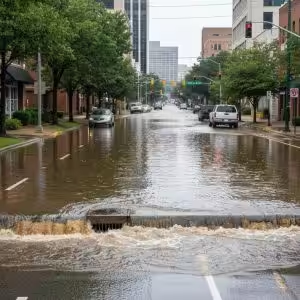
Hurricane damage can range from soaked floors to shattered roofs, and each type drives repair costs in its own way. Homeowners and business owners in Charlotte, NC gain clarity on pricing when they understand water intrusion, wind pressure, structural failures, and debris cleanup. This guide explains the main damage types, breaks down cost factors, shows how to get accurate estimates, walks through insurance steps, highlights National Insurance Claim Specialist’s local expertise, and offers tips to prepare and prevent future losses.
What Are the Main Types of Hurricane Damage Affecting Repair Costs?
Hurricane damage falls into four core categories: water intrusion, wind force, structural compromise, and debris impact. These damage types determine repair scope and influence material, labor, and cleanup needs. Knowing each category helps predict cost ranges and plan restoration.
How Does Water Damage from Hurricanes Affect Repair Pricing?
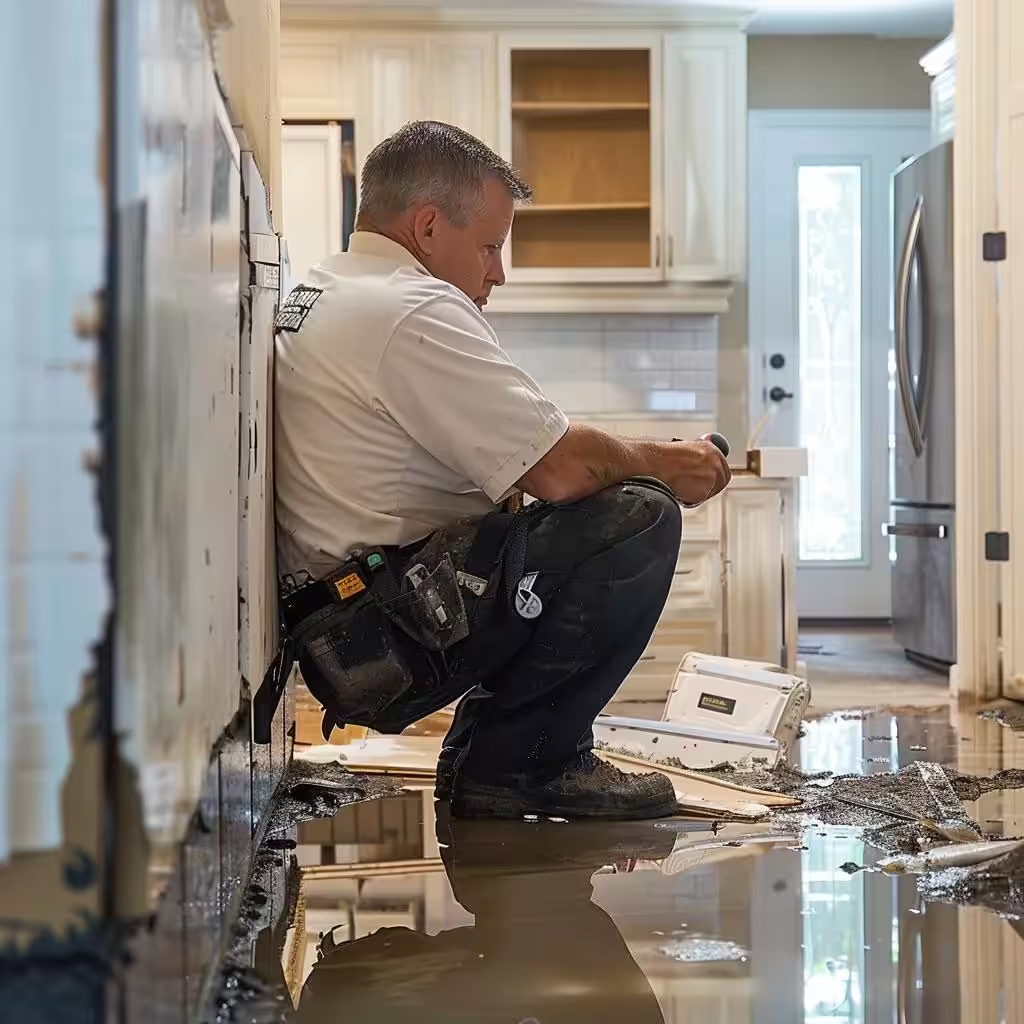
Water damage occurs when floodwaters or heavy rain enter a building, saturate materials, and foster mold growth. This process increases cleanup time and drives up contractor fees for drying, dehumidification, and material replacement.
Key factors driving water damage repair pricing:
- Flood depth and duration in living spaces
- Water contamination level (clean rain vs. sewage)
- Risk of mold growth and required remediation
- Removal and replacement of soaked drywall, insulation, and flooring
| Damage Severity | Typical Cost Range | Primary Repair Steps |
|---|---|---|
| Minor (surface wet) | $500 – $1,500 | Moisture extraction, surface cleaning |
| Moderate (2–4″ flood) | $1,500 – $5,000 | Drywall removal, insulation replace |
| Severe (over 4″) | $5,000 – $15,000+ | Full tear-out, mold remediation |
Water damage pricing rises sharply when mold spores develop, so quick drying reduces long-term costs and health risks.
Water Damage Repair Costs
Water damage from hurricanes can lead to significant repair costs due to the need for drying, dehumidification, and material replacement. The severity of the flooding, the level of contamination, and the potential for mold growth are key factors influencing these costs.
Federal Emergency Management Agency (FEMA), “Repairing Your Flooded Home” (2023)
This FEMA guide provides insights into the factors that influence water damage repair costs, which aligns with the article’s discussion of the financial impact of water intrusion.
What Is the Impact of Wind Damage on Repair Estimates?
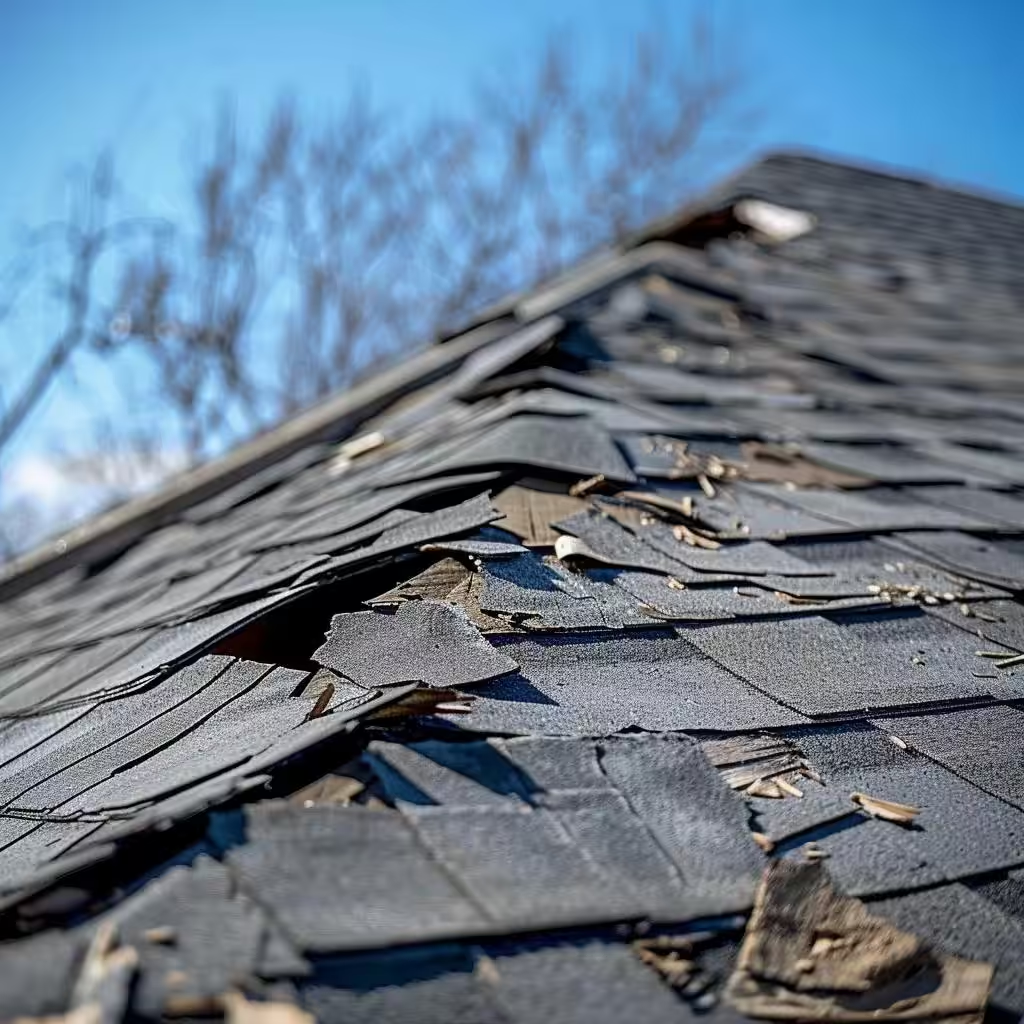
High winds shake loose shingles, break siding, and crack windows, creating exposure points that require fast repair. Wind damage pricing reflects the cost of new materials, skilled labor, and secure fastening methods.
Wind damage cost drivers include:
- Roof covering type (asphalt, metal, tile)
- Extent of shingle or panel loss
- Siding material and matching supply
- Window frame and glass replacement
| Component | Attribute | Average Repair Cost |
|---|---|---|
| Asphalt roof | Minor shingle loss | $800 – $2,500 |
| Metal roof | Panel replacement | $2,000 – $6,000 |
| Vinyl siding | Section repair | $1,200 – $3,000 |
| Windows | Single pane | $300 – $800 |
Matching materials and securing proper installation enhance wind uplift resistance and improve long-term durability.
How Does Structural Damage Influence Repair Costs After a Hurricane?
Structural damage includes foundation cracks, wall shifts, and roof truss failure. Repairs must meet building codes and often require engineering assessments, driving up labor and permit fees.
Structural cost factors:
- Foundation type (slab vs. crawlspace)
- Extent of framing or support beam replacement
- Engineering or structural reports
- Permit and inspection fees
Repairing major structural issues can exceed $10,000, but professional reinforcement prevents collapse and preserves property value.
What Role Does Debris Impact Play in Hurricane Repair Costs?
Flying debris and fallen trees create hazards for buildings and driveways. Debris removal affects both safety and cost estimates, as crews must clear rubble before repairs begin.
Debris impact considerations:
- Volume of fallen trees, branches, and loose objects
- Access challenges and hauling distance
- Disposal fees and recycling options
- Site stabilization measures
Effective debris removal lays the groundwork for safe reconstruction and limits hidden damage to buried utilities and landscaping.
How Do Different Damage Types Specifically Influence Repair Cost Estimates?
Each hurricane damage type has its own cost drivers. Understanding these details helps homeowners and business owners forecast budgets and choose proper mitigation strategies.
What Factors Affect Hurricane Water Damage Repair Costs?
Water damage repair costs vary with contamination level, drying complexity, and material replacement needs. Contaminated water triggers full-system disinfection, while clean rainwater often requires only drying and minor board-up work.
- Severity of flooding (height and duration)
- Type of water (clean, gray, or black)
- Mold remediation requirements
- Replacement of structural and cosmetic materials
| Factor | Attribute | Cost Impact |
|---|---|---|
| Contamination level | Black water | +30–50% |
| Mold risk | Visible growth | +25–40% |
| Material saturation | Full floor depth | +20–35% |
| Drying equipment hours | Commercial-grade | $200–$400 per day |
Prompt water extraction and mold control support lower overall expenses.
How Are Wind Damage Repair Costs Determined by Roof and Siding Conditions?
Roof and siding repair expenses depend on material type, matching availability, and the complexity of installation. High-end shingles and custom siding often carry premium rates.
- Roofing material (asphalt, metal, tile)
- Removal of damaged components
- Matching existing color and texture
- Labor rates for licensed roofers
| Component | Material | Typical Cost Range |
|---|---|---|
| Roof replacement | Asphalt shingles | $5,000 – $12,000 |
| Roof replacement | Metal panels | $8,000 – $16,000 |
| Siding repair | Fiber cement | $3,000 – $7,000 |
| Siding repair | Vinyl | $2,000 – $5,000 |
Choosing durable materials can reduce future wind-related expenses and insurance premiums.
What Influences Structural Damage Repair Pricing?
Foundation and wall repairs hinge on soil type, structure age, and local building codes. In Charlotte, older homes often need special reinforcement techniques to meet modern standards.
- Soil condition and drainage patterns
- Extent of underpinning or pier installation
- Framing replacement for walls or roof supports
- Permit costs and municipal inspections
A Charlotte bungalow with foundation cracks may incur $8,000–$15,000 in structural repair, including engineering oversight.
What Are the Hidden Costs Associated with Hurricane Damage Repairs?
Beyond visible fixes, several indirect expenses can surprise property owners when budgeting restoration.
- Mold remediation after prolonged moisture
- Temporary housing or business relocation costs
- Permit fees and required inspections
- Utility reconnection and system testing
Accounting for these hidden costs ensures a complete and stress-free recovery process.
How Can Homeowners and Business Owners Get Accurate Hurricane Repair Pricing Estimates?
Accurate pricing begins with a thorough on-site assessment by certified professionals who document damage, identify safety hazards, and outline required repairs. This upfront clarity reduces surprises.
Why Is Professional Damage Assessment Critical for Accurate Estimates?
Certified damage assessors use moisture meters, thermal imaging, and structural inspections to measure loss precisely. Detailed reports promote transparent communication with insurers and contractors. Comprehensive hurricane damage evaluations are important for accurate assessments.
- IICRC-certified technicians evaluate water intrusion
- Licensed structural engineers inspect foundation cracks
- Thermal cameras reveal hidden moisture areas
A complete assessment improves estimate reliability and accelerates insurance approval.
How Does the Xactimate Tool Help in Estimating Hurricane Repair Costs?
Xactimate is an industry-standard estimating platform that uses localized pricing data and line-item details to create consistent, insurance-compliant quotes.
- Standardized labor and material rates by region
- Itemized cost breakdowns for each repair phase
- Integration with adjuster workflows for swift approvals
Using Xactimate estimates ensures clear expectations and smoother claim settlements.
What Should You Know About Navigating Insurance Claims for Hurricane Damage?
Insurance claims involve policy details, documentation best practices, and effective communication with adjusters. Understanding these steps reduces out-of-pocket surprises and speeds up payment.
How Do Deductibles and Coverage Limits Affect Hurricane Repair Costs?
Deductibles and policy caps define the owner’s share and the insurer’s payment. Wind damage is usually covered under homeowners insurance, while flood damage often requires separate coverage.
- Wind deductible percentage vs. flat dollar amount
- Separate flood insurance policies and limits
- Coverage endorsements for extended exterior damage
Knowing policy terms clarifies budget responsibilities and claim strategy.
What Are Best Practices for Documenting Hurricane Damage for Insurance Claims?
Accurate documentation builds a solid claim file. Capture clear images, videos, and a detailed inventory of damaged items with date and location notes.
- Photograph all affected areas before cleanup
- Record video walkthroughs with narration
- List personal property losses with purchase dates
Complete records strengthen the claim and speed approval.
How Do You Work Effectively with Insurance Adjusters After Hurricane Damage?
Clear communication and professional estimates help adjusters verify loss and finalize coverage. Be available for site visits and share detailed Xactimate reports.
- Schedule adjuster visits promptly after filing
- Provide organized damage reports and cost breakdowns
- Follow up in writing to confirm agreed repair scopes
Collaborating with adjusters supports a smooth restoration timeline.
What Types of Hurricane Damage Are Covered by Standard Homeowners Insurance?
Homeowners policies usually cover wind damage—shingles, siding, windows—while flood damage requires separate flood insurance. Some policies offer optional endorsements for wind-driven rain.
Wind Damage and Insurance Coverage
Homeowners insurance typically covers wind damage, but understanding deductibles and coverage limits is crucial. Separate flood insurance is often required for flood damage, and knowing policy terms clarifies budget responsibilities and claim strategy.
Insurance Information Institute, “Facts + Statistics: Homeowners and renters insurance” (2024)
This source provides information on the types of damage covered by homeowners insurance, which supports the article’s discussion of insurance claims and coverage.
How Does National Insurance Claim Specialist Approach Hurricane Damage Repair in Charlotte, NC?
As a local restoration leader, National Insurance Claim Specialist offers rapid response, expert repair, and insurance support to Charlotte homeowners and businesses facing hurricane damage.
What Emergency Response Services Does National Insurance Claim Specialist Provide 24/7?
National Insurance Claim Specialist’s emergency team extracts water, secures openings, and stabilizes structures around the clock. Fast action limits secondary damage and mold growth.
- Water extraction and structural drying
- Board-ups, tarping, and roof covers
- Electrical safety checks and site stabilization
Immediate mitigation enhances safety and preserves property integrity.
What Are the Key Steps in National Insurance Claim Specialist’s Hurricane Damage Repair Process?
National Insurance Claim Specialist follows a clear four-phase process that ensures full recovery from assessment to rebuild.
- Inspection & Report – Detailed damage assessment and cost estimate
- Mitigation & Cleanup – Water removal, debris hauling, mold treatment
- Repair & Restoration – Structural, roofing, siding, and interior rebuild
- Final Quality Check – Post-repair inspection and customer walkthrough
This structured workflow promotes efficiency and customer confidence.
Why Choose National Insurance Claim Specialist for Hurricane Damage Repairs in Charlotte?
National Insurance Claim Specialist brings local expertise, fast 24/7 response, and full insurance guidance to every project. Certified staff and clear communication deliver reliable results.
- Licensed restoration technicians with IICRC credentials
- Proven track record of on-time, on-budget projects
- Dedicated insurance liaison for claim support
- Community-trusted name in Charlotte disaster recovery
Local focus and professional excellence ensure a seamless restoration experience.
How Can You Prepare and Prevent Hurricane Damage to Reduce Future Repair Costs?
Proactive measures build resilience against wind and water damage. Reinforcing key areas and early inspections lower repair scope and expenses when storms strike.
What Pre-emptive Measures Help Minimize Hurricane Water and Wind Damage?
Regular home maintenance and structural upgrades reinforce vulnerability points. These upgrades reduce the need for costly post-storm repairs.
- Clean and secure gutters and downspouts
- Install impact-resistant windows and storm shutters
- Reinforce entry doors and garage doors with heavy-duty hardware
- Seal roof penetrations and replace worn flashing
These steps improve building envelope integrity and support insurance discounts.
How Does Early Damage Assessment Lower Long-Term Repair Expenses?
Detecting leaks, loose fasteners, or minor cracks before a storm prevents widespread failures. Early fixes stop small issues from becoming major restoration projects.
- Schedule professional roof inspections every year
- Repair minor siding gaps and seal foundation cracks
- Test sump pumps and backup power systems
An early checkup saves on extensive repairs and mold remediation later.
What Are Common Questions About Hurricane Damage Repair Costs and Pricing Estimates?
After a hurricane, property owners often seek clarity on cost ranges, insurance coverage, and proof of loss requirements. Understanding these topics eases stress and enhances planning.
How Much Does It Typically Cost to Repair Hurricane Water Damage?
Water damage repairs start around $500 for minor cleanups and can exceed $15,000 for deep flooding and mold remediation. Severity, contamination, and square footage drive the final estimate.
What Types of Hurricane Damage Are Covered by Standard Homeowners Insurance?
Homeowners policies usually cover wind damage—shingles, siding, windows—while flood damage requires separate flood insurance. Some policies offer optional endorsements for wind-driven rain.
How Do You Prove Hurricane Damage to Insurance Companies?
Providing clear photos, dated videos, professional inspection reports, and Xactimate line-item estimates establishes a strong claim. Detailed documentation speeds up the approval process and maximizes coverage.
Hurricane damage spans water intrusion, wind stress, structural failures, and debris hazards. Repair costs depend on severity, materials, labor, and insurance terms. Accurate estimates begin with professional assessments and detailed documentation. National Insurance Claim Specialist stands ready in Charlotte, NC with 24/7 emergency response, certified expertise, and full insurance support—helping communities rebuild faster and stronger. Contact National Insurance Claim Specialist today for a precise repair estimate and rapid mitigation service.
Frequently Asked Questions
What preventive measures can homeowners take to minimize hurricane damage?
Homeowners can take several proactive steps to reduce the risk of hurricane damage. Regular maintenance, such as cleaning gutters and securing downspouts, is essential. Installing impact-resistant windows and storm shutters can protect against wind and debris. Reinforcing entry and garage doors with heavy-duty hardware also enhances structural integrity. Additionally, sealing roof penetrations and replacing worn flashing can prevent water intrusion. These measures not only minimize potential damage but may also lead to insurance discounts.
How can homeowners assess the extent of hurricane damage after a storm?
After a hurricane, homeowners should conduct a thorough assessment of their property. Start by documenting visible damage with clear photographs and videos, focusing on roofs, windows, and structural elements. Look for signs of water intrusion, such as stains or mold growth. It’s advisable to engage certified professionals for a detailed inspection, as they can identify hidden issues using specialized tools. This comprehensive assessment is crucial for accurate insurance claims and effective repair planning.
What are the common hidden costs associated with hurricane repairs?
Beyond visible repairs, several hidden costs can arise after hurricane damage. These may include mold remediation, which can be significant if moisture is not addressed promptly. Temporary housing or business relocation expenses during repairs can also add up. Additionally, permit fees and required inspections may be necessary for structural repairs. Utility reconnection and system testing costs should not be overlooked. Planning for these hidden expenses ensures a more accurate budget and smoother recovery process.
How does the type of roofing material affect repair costs after a hurricane?
The type of roofing material significantly influences repair costs following hurricane damage. For instance, asphalt shingles are generally less expensive to replace than metal or tile roofs. The extent of damage, such as minor shingle loss versus complete roof replacement, also affects pricing. Additionally, the availability of matching materials can impact costs, especially for high-end or custom roofing options. Homeowners should consider durable materials that may reduce future repair expenses and insurance premiums.
What role does insurance play in covering hurricane repair costs?
Insurance plays a critical role in covering hurricane repair costs, but coverage varies by policy. Homeowners insurance typically covers wind damage, including roof and siding repairs, while flood damage often requires a separate flood insurance policy. Understanding deductibles and coverage limits is essential for homeowners to gauge their financial responsibilities. Proper documentation of damage and prompt communication with insurance adjusters can facilitate smoother claims processes and ensure adequate coverage for repairs.
How can homeowners ensure they receive accurate repair estimates?
To receive accurate repair estimates, homeowners should engage certified professionals for a thorough on-site assessment. These experts utilize tools like moisture meters and thermal imaging to evaluate damage comprehensively. Detailed reports that outline necessary repairs and associated costs promote transparent communication with insurers and contractors. Additionally, using industry-standard estimating tools, such as Xactimate, can help ensure that estimates are consistent and compliant with insurance requirements, reducing the likelihood of unexpected expenses.