Hurricane Debris Removal Services for Businesses in Charlotte, NC – Rapid, Comprehensive Commercial Cleanup and Recovery
Commercial properties in Charlotte face extensive storm damage after hurricanes, and specialized debris removal services restore safety, minimize downtime, and prepare businesses for full recovery. According to FEMA, 40 percent of small businesses never reopen after severe weather, making rapid cleanup essential to protect investments and employees.
The Impact of Disasters on Small Businesses
A significant percentage of small businesses fail to reopen after severe weather events, highlighting the critical need for rapid cleanup and recovery efforts to protect investments and employees. Quick action is essential to mitigate the long-term negative impacts of disasters on local economies. For assistance, consider home restoration services.
Federal Emergency Management Agency (FEMA), “Disaster Recovery for Businesses” (2024)
This research underscores the importance of swift commercial hurricane debris removal as a key factor in business survival.
This article explains why commercial hurricane debris removal is vital, details the step-by-step cleanup process, highlights related restoration services, guides insurance claims, and showcases why Nics Restoration delivers trusted 24/7 support. By following these insights, Charlotte business owners can secure property integrity, comply with local regulations, and restore operations quickly.
Why Do Commercial Properties Need Specialized Hurricane Debris Removal?
Specialized commercial debris removal combines large-scale equipment, safety protocols, and waste management expertise to clear storm-damaged materials, ensuring properties are safe for employees and customers. Commercial sites accumulate heavier vegetative, construction, and hazardous debris than residences, requiring certified crews and proper disposal methods. For example, a warehouse floor strewn with fallen roof panels and roofing nails demands industrial loaders and magnet sweepers to prevent injuries and liability. Understanding these unique demands lays the groundwork for exploring specific cleanup challenges and comparing commercial versus residential approaches.
What Are the Unique Challenges of Commercial Hurricane Debris Cleanup?
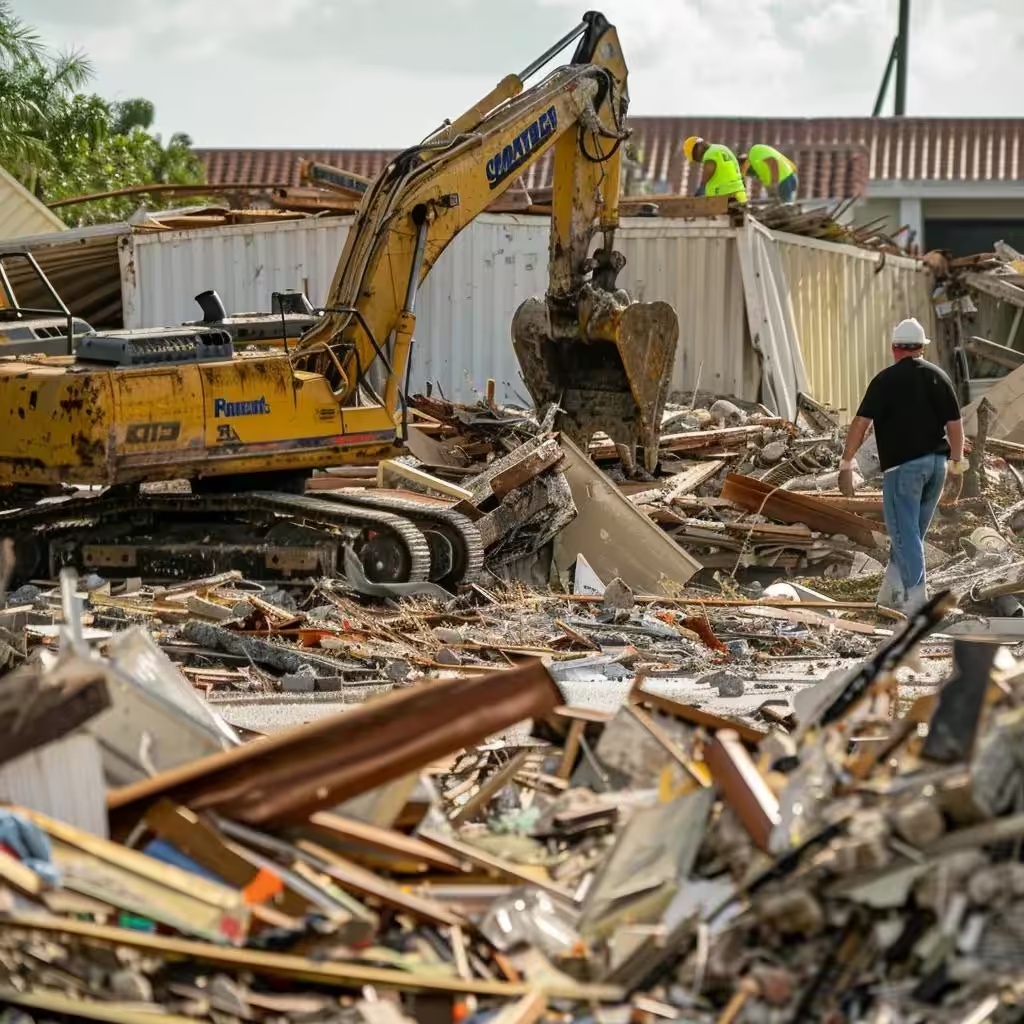
Commercial cleanup faces complex debris volumes, restricted access zones, and structural hazards that demand heavy machinery and trained operators. Large roof sheets, collapsed shelving, and industrial packaging materials require excavators, front-loaders, and industrial dumpsters to handle weight and size. Crews must navigate safety risks such as live electrical wires and unstable storage racks, enforcing strict safety protocols to protect workers and business assets. These operational complexities transition into how debris directly affects business continuity and on-site safety.
How Does Debris Impact Business Continuity and Safety?
Debris accumulation blocks entrances, creates trip hazards, and undermines structural integrity, delaying operations and exposing businesses to liability. Fell trees can crush delivery docks, while metal fragments puncture vehicles and pose piercing injuries to staff. Immediate removal restores safe access, prevents secondary damage, and reduces closure time. Rapid debris control is the first step toward full recovery and ensures compliance with insurance-mandated emergency work requirements.
What Are the Key Differences Between Residential and Commercial Debris Removal?
Residential cleanup typically uses small trucks and light wood chippers, focusing on yard waste and minor structural fragments. Commercial properties require heavy-duty equipment, larger roll-off containers, and municipal permits for oversized loads. Businesses often demand night or weekend operations to maintain continuity, whereas homeowners accept standard daytime schedules. Recognizing these distinctions clarifies why commercial clients need tailored hurricane debris removal plans.
Commercial vs. Residential Debris Removal
Commercial properties present unique challenges in debris removal due to the presence of hazardous materials, large volumes of debris, and the need for specialized equipment and expertise. These differences necessitate tailored approaches to ensure safety and efficient cleanup.
U.S. Environmental Protection Agency (EPA), “Managing Debris After a Disaster” (2023)
This information clarifies the need for commercial clients to have specific hurricane debris removal plans.
What Is the Step-by-Step Process for Commercial Hurricane Debris Removal?
The commercial debris removal process begins with an emergency assessment, followed by organized collection, hauling, responsible disposal, and regulatory compliance. This structured approach ensures safety, environmental stewardship, and efficient restoration of commercial sites.
How Is Emergency Assessment and Planning Conducted for Businesses?
An emergency assessment evaluates structural damage, debris types, and site access to develop a customized cleanup plan that prioritizes critical areas. Certified technicians document hazards, measure debris volume, and coordinate with property managers to schedule mobilization. This planning phase secures permits, allocates equipment like grapple trucks and roll-off bins, and creates safety zones, ensuring a seamless transition into physical cleanup.
What Types of Debris Are Removed from Commercial Properties?
Commercial hurricane cleanup targets diverse waste streams—vegetative, construction & demolition (C&D), and hazardous materials—to restore functional workspaces quickly. storm damage restoration
| Debris Type | Attribute | Example |
|---|---|---|
| Vegetative Debris | Organic tree limbs | Fallen oak branches and palm fronds |
| C&D Debris | Building materials | Damaged ceiling tiles and sheetrock |
| Hazardous Waste | Regulated or chemical | Leaking fuel drums and paint solvents |
This classification ensures crews segregate waste for proper recycling, landfill disposal, or hazardous handling under EPA guidelines. Clear categorization accelerates disposal and supports environmental compliance.
How Is Debris Collected, Hauled, and Disposed Responsibly?
Heavy machinery like excavators, loaders, and grapple trucks gather debris into roll-off containers, which are then transported to licensed transfer stations. Crews use magnetic sweepers to capture nails and metal fragments, protecting downstream equipment. Disposal follows local landfill protocols for C&D material, vegetative composting facilities for green waste, and EPA‐approved incinerators or treatment centers for hazardous waste. Efficient coordination with waste haulers reduces onsite clutter and speeds property turnover.
How Does Recycling and Local Regulation Compliance Factor Into Debris Removal?
Recycling programs recover up to 70 percent of vegetative and clean C&D debris, reducing landfill use and disposal costs. Nics Restoration partners with Charlotte’s recycling centers to divert wood, metal, and concrete rubble. Compliance with Mecklenburg County’s storm debris permit requirements ensures legal hauls and avoids fines. Following this sustainable practice not only meets regulations but also supports community environmental goals.
Which Related Restoration Services Support Business Recovery After Hurricanes?
How Does Commercial Flood Damage Restoration Complement Debris Removal?
Flood recovery services extract standing water, dry structural elements, and rehabilitate water-soaked materials to prevent rot and swelling. After debris removal opens access points, industrial dehumidifiers and air movers accelerate drying, reducing mold risk and preserving inventory. This coordination ensures debris-free areas are ready for final restoration steps.
What Role Does Mold Remediation Play in Post-Hurricane Cleanup?
Mold remediation identifies and treats fungal growth on drywall, wood framing, and HVAC systems after moisture intrusion. Certified mold specialists contain affected zones, remove impacted materials, and apply EPA-registered antimicrobial agents. Early mold elimination safeguards air quality and prevents costly secondary damage.
When Is Commercial Property Reconstruction Necessary After Storm Damage?
Reconstruction addresses structural failures like collapsed roofs, damaged storefronts, and compromised concrete slabs. Licensed contractors rebuild framing, replace roofing systems, and restore electrical and plumbing installations to code standards. Combining reconstruction with debris removal services streamlines vendor management and accelerates return-to-service timelines.
How Can Businesses Navigate Insurance Claims for Hurricane Debris Removal?
What Documentation Is Needed for Commercial Hurricane Damage Claims?
Commercial claims demand detailed inventories of damaged assets, photographic evidence of debris and structural compromise, and itemized cleanup invoices. Site assessment reports and official work orders strengthen the claim. Organized documentation establishes eligibility for FEMA Public Assistance and private insurance coverage.
How Does Nics Restoration Assist with Insurance Claim Processes?

Nics Restoration provides certified damage reports, liaises with adjusters, and submits cost estimates through Xactimate software to streamline approvals. Their specialists educate business owners on FEMA debris removal eligibility and ensure filings meet insurer and government standards. Professional advocacy accelerates claim settlements and maximizes recoveries.
What Are FEMA and SBA Guidelines for Business Debris Removal Assistance?
FEMA categorizes commercial debris removal as Emergency Work under Public Assistance, covering up to 75 percent of eligible costs after state declaration. The SBA offers low-interest disaster loans for remaining expenses and working capital replacement. Understanding program criteria helps businesses plan cleanup budgets and application strategies.
FEMA and SBA Assistance for Businesses
FEMA provides financial assistance for commercial debris removal under its Public Assistance program, covering a significant portion of eligible costs after a state declaration. The Small Business Administration (SBA) offers low-interest disaster loans to help businesses cover remaining expenses and working capital needs.
Federal Emergency Management Agency (FEMA), “Public Assistance Program” (2024)
This information is crucial for businesses to understand the financial resources available to them during the recovery process.
What Makes Nics Restoration the Trusted Choice for Charlotte Businesses?
How Does Nics Restoration Ensure Rapid 24/7 Emergency Response?
Nics Restoration dispatches fully equipped crews within hours of notification, operating around the clock to minimize business disruption. Real-time scheduling software optimizes resource allocation, ensuring trucks and crews arrive when access becomes safe. This immediate action accelerates cleanup and supports early recovery stages.
What Certifications and Safety Standards Does Nics Restoration Follow?
Nics Restoration technicians hold IICRC certification for water damage, mold remediation, and structural drying, and follow OSHA safety protocols on every job site. Regular safety audits and ongoing training maintain compliance with EPA hazardous waste handling and Mecklenburg County regulations. Certified quality control checks guarantee consistent, safe service delivery.
How Has Nics Restoration Helped Charlotte Businesses Recover from Hurricanes?
Local case studies demonstrate restored warehouses, hotels, and retail centers returning to service within days of a storm. For instance, after Hurricane Florence, Nics Restoration cleared 500 tons of debris from a Charlotte distribution facility in under 48 hours, reducing projected downtime by 60 percent. These successes reinforce trust and showcase proven expertise.
How Can Businesses Prepare for Hurricane Debris Cleanup in Advance?
What Should a Commercial Emergency Debris Cleanup Checklist Include?
An effective debris cleanup checklist details essential actions and resources for rapid mobilization:
- Establish a designated emergency coordinator role with contact information for cleanup vendors.
- Inventory critical equipment and backup power sources to maintain operations.
- Identify secure staging areas for roll-off containers and machinery deployment.
- Gather vendor contracts for debris removal, flood restoration, and mold remediation.
- Secure insurance policy details and claim procedures in an accessible location.
Having these elements in place ensures businesses can activate cleanup protocols immediately after a hurricane and transition seamlessly into recovery.
How Can Businesses Secure Their Property Before a Storm?
Board-up services protect windows and entry points with marine-grade plywood, while roof tarping prevents water intrusion. Relocating inventory to higher ground and anchoring outdoor equipment reduces debris scattering. These precautionary measures limit damage and simplify post-storm debris removal.
Why Is Pre-Arranging Debris Removal Services Beneficial?
Pre-arrangement guarantees prioritized scheduling and preferred pricing during peak storm seasons. Businesses benefit from established relationships, expect rapid response agreements, and gain clear scope expectations. Early vendor engagement shortens mobilization times and enhances planning accuracy.
What Types of Hurricane Debris Are Commonly Removed from Commercial Properties?
| Entity | Attribute | Value |
|---|---|---|
| Vegetative Debris | Management Method | Chipping for mulch, composting |
| Construction & Demolition | Disposal Destination | C&D landfill, concrete recycling plant |
| Hazardous Waste | Identification & Handling | EPA-approved containers, licensed hazardous haulers |
What Is Vegetative Debris and How Is It Managed?
Vegetative debris includes leaves, branches, and uprooted trees that are chipped and composted or recycled into mulch. Chipping equipment reduces volume by up to 75 percent, and partnering with local composting facilities transforms waste into reusable resources. Effective green-waste management prevents pileups and reduces landfill impact.
What Constitutes Construction and Demolition (C&D) Debris?
C&D debris covers building materials such as wood, drywall, concrete, and steel beams broken during storm impact. Sorting metal for recycling and crushing concrete for road base materials recovers valuable resources. Properly licensed C&D facilities ensure legal off-site disposal and maximize material reuse.
How Is Hazardous Waste Identified and Safely Disposed?
Hazardous waste includes oils, solvents, batteries, and chemicals released from damaged equipment. Certified technicians use EPA-approved screening tests, segregate materials in labeled containers, and transport waste to licensed disposal centers. Adhering to RCRA regulations prevents environmental contamination and protects public health.
What Are Charlotte, NC Specific Regulations and Resources for Commercial Storm Debris Removal?
What Are the Local Storm Debris Removal Guidelines for Businesses in Charlotte?
Charlotte-Mecklenburg requires commercial sites to obtain storm debris permits and follow designated haul routes to approved disposal facilities. Businesses must notify Solid Waste Services before removal and submit weigh-ticket summaries for compliance. Adhering to these rules avoids delays and possible fines.
How Can Businesses Access Local Government and Emergency Resources?
The City of Charlotte Emergency Management Office offers debris removal guidance, permit applications, and vendor lists. Mecklenburg County Solid Waste Services provides scheduling and sorting instructions. Engaging these agencies early ensures access to dumpsters, recycling centers, and emergency restoration coordination.
Why Choose a Local Charlotte Company for Hurricane Debris Removal?
Local providers understand Mecklenburg regulations, maintain relationships with county facilities, and deploy crews faster due to proximity. Nics Restoration’s Charlotte base ensures first-responder coordination and deep community ties, delivering efficient cleanup and adherence to local environmental standards.
Property owners benefit from a single trusted partner that integrates debris removal, flood restoration, mold remediation, and reconstruction, enabling seamless commercial recovery in Charlotte’s unique regulatory landscape.
Businesses that plan ahead, secure professional debris removal agreements, and partner with a certified local expert like Nics Restoration minimize downtime and restore operations smoothly. Effective debris classification, EPA-compliant disposal, and strong municipal coordination are the foundation for sustainable recovery. By leveraging comprehensive restoration services and expert insurance assistance, Charlotte companies can safeguard assets and resume business continuity swiftly. For rapid response and tailored commercial cleanup, Nics Restoration stands ready 24/7 to guide enterprises through every phase of post-hurricane recovery.