Emergency Water Extraction Services in Charlotte NC
In Charlotte, NC, property damage due to water intrusion is a critical concern that demands immediate intervention. For those also dealing with fire-related issues, our
team is ready to assist. Floodwaters, burst pipes, and sewer backups can rapidly compromise structural integrity and foster mold growth. Emergency water extraction services use advanced techniques, state-of-the-art equipment, and skilled technicians to remove water quickly and restore properties to their pre-damage condition. For prompt assistance, please contact-us for more information. Rapid response, professional drying, and effective dehumidification help mitigate secondary damage while ensuring compliance with insurance requirements. Acting fast is vital to prevent long-term damage like weakened foundations, deteriorated drywall, and compromised indoor air quality.
This article explores the essentials of emergency water extraction in Charlotte, including its significance, methods, and restoration services. It also explains how these services support insurance claims and outlines the cost factors property owners should consider. The sections below answer common queries regarding emergency water extraction, the techniques used, and the benefits for both homeowners and businesses.
What Are Emergency Water Extraction Services and Why Are They Essential in Charlotte?
Emergency water extraction services are prompt interventions designed to remove water from homes and commercial properties after leaks, floods, or burst pipes. Rapid extraction is crucial to preventing structural damage, mold, and bacteria growth while preserving indoor air quality. In Charlotte, where sudden storms and aging infrastructure can lead to water damage, these services protect properties from prolonged moisture exposure that degrades walls, floors, and other building materials.
By quickly removing the moisture source, these services prevent water from seeping into materials like drywall and wooden beams, which can lead to decay and costly repairs. Using advanced pumps, industrial vacuums, and dehumidifiers, technicians follow a system that includes assessment, extraction, structural drying, and cleanup to fully restore the property.
How Does Emergency Water Extraction Prevent Further Water Damage?
Quick removal of water stops further absorption by building materials. When water remains, it penetrates porous elements such as drywall, flooring, and insulation, causing deterioration and weakened structures. Industrial pumps and high-powered vacuums extract both visible and hidden water, reducing the risk of secondary damage. In Charlotte, immediate intervention not only minimizes repair costs but also prevents the formation of mold colonies and the spread of bacteria and pathogens that affect indoor air quality. Once the bulk of the water is removed, drying techniques complete the dehumidification process, ensuring the property stabilizes quickly.
What Types of Water Damage Require Immediate Extraction?
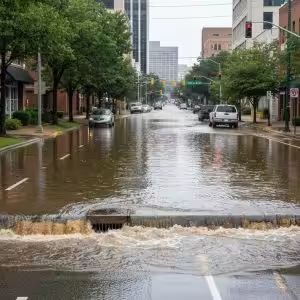
Different water damage scenarios require swift extraction. Structural damage from burst pipes, roof leaks, or sewer backflows demands immediate action, as high volumes of water can infiltrate floors, walls, and ceilings, weakening the structure. Floods or storm events often introduce contaminants alongside water, necessitating rapid removal to protect building integrity and occupant health. Even seemingly minor water intrusion from appliances can lead to significant localized damage if not treated promptly. Additionally, water seeping into hidden areas like wall voids or under flooring can cause long-term mold growth and decay, making immediate extraction essential. water damage causes
Why Is Local Expertise Important for Water Removal in Charlotte?
Local expertise is invaluable in Charlotte because technicians understand the region’s unique climate, seasonal weather risks, and typical construction methods. Familiarity with local building codes and insurance requirements ensures that water extraction and drying processes are both effective and compliant. Local teams, with established relationships with suppliers, offer faster response times and are better equipped to handle the specific challenges posed by Charlotte’s infrastructure and weather conditions.
How Does Charlotte Water Recovery Provide Rapid and Effective Water Removal?
Charlotte Water Recovery employs a systematic approach to deliver rapid water removal. Their process begins with a quick inspection to assess damage and determine the best extraction method. They deploy industrial vacuums, submersible pumps, and moisture meters to remove both standing and absorbed water swiftly. Rapid response is critical—technicians are on-site within minutes of a call—to prevent irreversible building damage. For more information, visit
.
After water removal, structural drying is performed using high-capacity dehumidifiers and air movers. This multi-step process, which also includes waste disposal and ongoing humidity monitoring, ensures that the property is stabilized and restored with minimal downtime.
What Equipment and Techniques Are Used for Professional Water Extraction?
Professional water extraction relies on industrial pumps to quickly remove large volumes of water and commercial-grade wet/dry vacuums for extracting water from carpeting and other porous surfaces. Moisture meters and thermal imaging cameras help detect hidden water pockets. Following extraction, high-powered dehumidifiers and air movers aid in structural drying, and advanced techniques like air scrubbing remove airborne contaminants, including pathogens and mold spores. Antimicrobial treatments are applied to prevent mold growth and neutralize bacteria, ensuring a comprehensive restoration process.
How Fast Is the Emergency Response Time in Charlotte?
In Charlotte, emergency water extraction companies typically respond within minutes. Strategically located service hubs enable rapid deployment, helping to contain water damage quickly. This swift intervention isolates affected areas, initiates extraction, and applies drying techniques promptly. Fast response not only reduces repair costs but also prevents secondary damage such as corrosion and mold infestation. The efficiency of local teams is demonstrated by measurable reductions in damage when compared to regions with slower responses.
What Steps Are Involved in Structural Drying and Dehumidification?
After water extraction, structural drying and dehumidification are critical. Technicians strategically place high-capacity air movers and dehumidifiers to circulate air and remove residual moisture. Moisture meters monitor the drying process until materials such as drywall and flooring reach safe moisture levels. During this phase, antimicrobial treatments may be applied to further protect against mold and bacteria. This tailored approach ensures thorough drying of both visible and hidden areas, stabilizing the property for safe occupancy.
How Can Homeowners and Businesses in Charlotte Benefit From Emergency Water Extraction?
Emergency water extraction services prevent further damage, protect property investments, and minimize repair costs. Homeowners benefit by maintaining the integrity of essential systems—plumbing, electrical, and HVAC—and by receiving detailed assessments and documentation useful for insurance claims. For businesses, rapid water extraction minimizes downtime and operational disruptions, protecting revenue and ensuring a safe environment for employees. Both residential and commercial clients experience reduced long-term costs and enhanced property value through professional intervention and prompt restoration.
What Are the Common Water Damage Risks for Charlotte Homeowners?
Common risks include damage from heavy rainfall, sudden storms, aging plumbing, and sewer backups. These risks can lead to structural weakening, mold infestation, and deterioration of building materials. Hidden water damage behind walls or under floors may compromise indoor air quality and cause fire hazards due to electrical issues. Prompt water extraction reduces these risks, averting extensive and expensive repairs while also protecting the health of the occupants.
How Do Businesses Minimize Downtime With Professional Water Removal?
Businesses can resume operations sooner by relying on professional water extraction services. Rapid water removal minimizes interruptions, while structured drying and dehumidification ensure that the environment is safe for immediate use. These services help maintain operational efficiency, reduce health risks, and support insurance claims through comprehensive documentation. A swift, professional response minimizes downtime and safeguards a company’s reputation as a reliable establishment.
What Should Property Owners Expect During the Water Extraction Process?
Property owners should expect a multi-phase process that starts with a detailed damage assessment using advanced moisture detection tools. Technicians then execute a tailored water extraction and drying plan, removing standing water with state-of-the-art equipment and following up with structural drying via air movers and dehumidifiers. Throughout the process, clear communication and regular updates are provided, and detailed documentation is maintained to support insurance claims. This systematic approach ensures efficient restoration with minimal disruption.
What Is the Role of Flood Damage Restoration and Mold Remediation After Water Extraction?
Flood damage restoration and mold remediation act as essential follow-ups after water extraction. Restoration experts repair structural damage, replace compromised materials, and restore overall building integrity, while mold remediation focuses on the removal and prevention of mold growth caused by residual moisture. mold after flood
These processes work hand-in-hand: water extraction removes excess water, flood damage restoration repairs affected areas, and mold remediation eliminates or prevents mold spores. This comprehensive approach not only improves the property’s appearance and structure but also protects the health of occupants by removing airborne pathogens and allergens.
How Does Flood Damage Restoration Complement Water Extraction Services?
Flood damage restoration addresses the repercussions of water intrusion by repairing and reconstructing affected areas such as drywall, flooring, and insulation, as well as restoring plumbings and electrical systems. It also includes deep cleaning to eliminate contaminants left by floodwaters. This service complements water extraction by preventing residual damage and future issues, ultimately helping to restore the property fully and prevent recurrent problems.
When Is Mold Remediation Necessary Following Water Removal?
Mold remediation is crucial when residual moisture remains after water extraction. Hidden areas behind walls or under carpets may still harbor moisture, allowing mold spores to proliferate within 24 to 48 hours. Prompt mold remediation involves removing affected materials and applying antifungal treatments to prevent future outbreaks. This service is especially important in environments with vulnerable individuals and ensures the building remains safe and habitable. For more information, visit our service.
What Are the Signs of Mold Growth After Water Damage?
Signs of mold growth include a musty odor, discolored patches on walls or ceilings, peeling paint, water stains, and deteriorating building materials. Increased respiratory issues, sinus congestion, and allergic reactions among occupants can also indicate mold presence. Hidden mold behind wallpaper or under insulation may require specialized equipment for detection. Early recognition of these symptoms is crucial to prompt professional intervention.
How Does Charlotte Water Recovery Assist With Insurance Claims for Water Damage?
Charlotte Water Recovery helps property owners navigate insurance claims by providing thorough documentation during the water extraction and restoration process. Technicians capture photographs, moisture readings, and repair estimates, which serve as solid evidence when filing claims. Their in-depth understanding of local building codes and restoration standards assists in aligning with insurance requirements and reduces potential disputes.
What Documentation Is Needed for Filing Water Damage Insurance Claims?
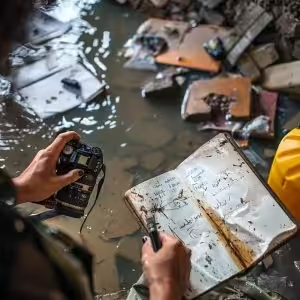
Successful claims require detailed records: photographs of the damage before, during, and after restoration; accurate moisture readings; and comprehensive inventories with repair or replacement estimates. Additionally, assessment reports, invoices, and communications with the insurance provider bolster the claim. Organized documentation ensures prompt and full reimbursement.
How Does Professional Water Extraction Help Maximize Insurance Coverage?
Professional water extraction maximizes insurance coverage by ensuring a systematic and well-documented restoration process. Detailed reports on water damage, moisture levels, and equipment used support claims by demonstrating immediate and comprehensive intervention. This documentation helps contain further damage and reduces overall repair costs, leading to a more favorable insurance outcome.
What Are Common Challenges in Water Damage Insurance Claims?
Common challenges include discrepancies in damage assessments, delayed documentation, and disputes over repair necessity. Some insurers may underestimate damage severity, and incomplete records can lead to denied or reduced claims. Working with experienced restoration professionals, who provide thorough on-site evaluations and precise documentation, helps overcome these challenges and expedites the claims process.
What Are the Costs and Pricing Factors for Emergency Water Extraction in Charlotte?
Costs for emergency water extraction in Charlotte depend on the extent of the damage, property size, and services required—including extraction, drying, and dehumidification. Pricing is influenced by the urgency of service, type of equipment, labor fees, and repair materials. Many companies charge based on a per-square-foot rate, and hidden moisture or secondary damages such as mold can increase costs. Insurance provisions often help offset expenses when proper documentation is provided.
How Is the Cost of Water Removal Determined?
Water removal costs consider the volume of water, severity of damage, and cleanup complexity. Factors include the size of the affected area, water type (clean or contaminated), and building materials involved. Charges are typically calculated per square foot, with additional expenses if specialized equipment is needed or if extended drying is required to prevent mold growth. Labor rates and emergency travel fees also contribute to the final price.
Are There Affordable Options for Emergency Water Extraction Services?
Affordable options exist in Charlotte through competitive pricing, flexible financing, and bundled service packages that may include drying and mold remediation. Many providers participate in insurance networks, which can reduce out-of-pocket costs when claims are properly documented. Property owners are encouraged to request detailed quotes, compare pricing components, and inquire about payment plans or discounts to ensure cost-effective restoration.
Does Insurance Typically Cover Water Extraction Expenses?
Most homeowner and commercial insurance policies cover emergency water extraction costs if the damage is sudden and accidental, such as from burst pipes or storm damage. However, coverage varies by policy, and additional services like mold remediation or extensive repairs may require separate endorsements. Reviewing policy details and working with restoration professionals to document the work thoroughly can help maximize insurance coverage.
How Can Charlotte Residents Choose the Best Emergency Water Extraction Service?
Choosing the best service involves evaluating provider credentials, experience, pricing transparency, and customer reviews. Look for companies with a proven track record, proper certifications, a long local presence, and positive testimonials. Responsiveness and clear communication during emergencies are also key factors. Comparing detailed quotes and requesting references or case studies can further inform the decision.
What Questions Should You Ask Before Hiring a Water Extraction Company?
Before hiring, ask: • What is your average response time for emergency calls? • Do you have the necessary certifications and licenses specific to Charlotte? • Can you provide a detailed breakdown of the services included in your estimate? • What equipment do you use for extraction and drying? • How do you address hidden moisture and mold prevention? • What support do you offer for insurance claims? • Do you offer any guarantees or warranties on your work?
How Do Customer Reviews Reflect Service Quality in Charlotte?
Customer reviews provide insights into response times, professionalism, and restoration effectiveness. Positive reviews often mention rapid intervention, effective drying, and strong support during insurance claims. Negative reviews may highlight delays, hidden costs, or incomplete services. Checking reputable platforms like Google, Yelp, and the Better Business Bureau can help gauge real-world performance and customer satisfaction.
Why Is Certification and Local Licensing Important for Water Extraction Providers?
Certification and local licensing are critical as they verify a provider’s professionalism and adherence to industry standards and local codes. Certified professionals receive rigorous training and ongoing education, ensuring they use the latest techniques and comply with safety protocols. Hiring a licensed contractor minimizes the risk of substandard work and legal issues, providing peace of mind that the restoration process is effective and compliant with local regulations.
Frequently Asked Questions
Q: How quickly should water be extracted after damage occurs? A: Water should be extracted within the first few hours to prevent secondary damage like mold growth and structural deterioration. Rapid extraction minimizes long-term repair costs and health risks. For more detailed information, visit water damage causes.
Q: Can I perform water extraction on my own? A: For significant water damage, professional water extraction is recommended due to the need for specialized equipment, expertise, and adherence to local building codes.
Q: What should I do before the water extraction team arrives? A: Turn off electricity in affected areas, move valuables to a safe location, and document the damage for insurance purposes. Avoid contact with electrical components or unsafe areas.
Q: How does professional drying differ from simple air drying? A: Professional drying uses industrial dehumidifiers and air movers to rapidly remove moisture, reducing the risk of mold growth and secondary damage more effectively than ordinary air drying.
Q: Will my insurance cover all restoration costs? A: Most comprehensive policies cover emergency water extraction and repairs for sudden, accidental damage. However, it’s important to review your policy details and provide proper documentation.
Q: How can I prevent future water damage? A: Regular maintenance of plumbing, installation of water sensors, and prompt leak repairs, along with professional inspections, can help prevent future water damage.
Q: How are mold risks managed after water extraction? A: After extraction, thorough drying and humidity monitoring are conducted, and if mold is detected, specialized remediation treatments are applied to ensure a safe environment.
Final Thoughts
Charlotte property owners benefit significantly from professional emergency water extraction services that combine rapid response with advanced restoration techniques. Prompt action prevents further structural deterioration, minimizes repair costs, and streamlines insurance claims. With local expertise, transparent documentation, and comprehensive restoration processes, residents and businesses can safeguard their investments and secure a healthier, safer living environment.