Emergency Water Extraction: Fast Response in Charlotte NC
Emergency water extraction is a vital service for homeowners and businesses facing severe water damage in Charlotte, NC. In addition to emergency water extraction, our experts also specialize in fire damage restoration charlotte nc, ensuring comprehensive care for properties affected by multiple hazards. Rapid removal prevents further property deterioration while ensuring occupant safety. In Charlotte, where flooding, burst pipes, and extreme weather are common, swift professional intervention can mean the difference between a manageable setback and complete property loss. For immediate assistance and expert guidance, contact us for a detailed consultation. This article explains the emergency water extraction process, why immediate action is critical, the step-by-step procedures involved, preparation tips for property owners, cost and insurance considerations, customer experiences, and how Charlotte’s climate and infrastructure affect water damage risks.
What Is Emergency Water Extraction and Why Is Fast Response Critical in Charlotte NC?
Emergency water extraction removes accumulated water from residential and commercial properties following flooding, burst pipes, or severe leaks. A fast response in Charlotte is critical because delays lead to accelerated damage, mold growth, and structural deterioration. By quickly reducing water saturation, rapid extraction ensures subsequent drying and restoration are more effective.
When water damage occurs, moisture seeps into materials like drywall, flooring, and insulation. In Charlotte’s humid climate, these materials become breeding grounds for bacteria and mold if not promptly addressed. Fast extraction also protects furniture, electronics, and personal items from irreversible damage. Utilizing high-powered pumps, industrial dehumidifiers, and specialized drying techniques, expert technicians assess damage and use the appropriate equipment to reduce moisture swiftly.
Emergency services in Charlotte are available 24/7, ensuring professionals are always ready to intervene. Their strict protocols for water removal, drying, and dehumidification help minimize structural deterioration and reduce risks such as mold infestation and odor problems. Ultimately, rapid water extraction lowers restoration costs and streamlines follow-up repairs. Mold infestation
How Does Emergency Water Extraction Prevent Further Property Damage?
By rapidly removing water, technicians prevent additional absorption into building materials. This quick action stops the spread of rust, warping, and structural collapse. Removing water from floors, walls, and carpets halts damage progression and reduces electrical hazards.
Following extraction, drying and dehumidification begin immediately. Quick drying prevents mold spores from proliferating, which is essential in Charlotte’s warm and humid conditions. Early water removal also protects valuable documents and minimizes financial loss. Technicians use moisture meters to confirm that all water is removed and that every affected area is properly prepared for restoration, preventing cross-contamination and reducing long-term repair costs.
What Are Common Causes of Water Damage in Charlotte NC?
Water damage in Charlotte is commonly caused by heavy rainfall, flash floods, burst pipes, and plumbing failures. Extreme weather events such as tropical storms and hurricanes also contribute significantly. Aging infrastructure and seasonal water pressure variations can lead to leaks and pipe bursts. Appliance malfunctions and roof leaks during heavy storms further increase the risk. Even construction or landscaping projects can inadvertently damage underground water lines, resulting in unexpected flooding.
Seasonal weather plays a major role; heavy rains in spring and summer heighten flash flood risks, while winter months may bring frozen pipes that later burst. Maintenance issues like clogged gutters and failing seals can exacerbate water intrusion. Regular property inspections can help mitigate these risks.
Why Is Immediate Water Removal Essential After Flooding or Plumbing Failures?
Immediate water removal is crucial because water left standing quickly damages porous materials such as drywall, wood, and insulation. This delay can weaken structural components and promote severe mold growth. Timely extraction prevents harmful bacteria and fungi from compromising indoor air quality and impacting occupant health, particularly in a humid environment like Charlotte.
Extracting water promptly also reduces restoration costs by preventing moisture from penetrating subfloors and frameworks, which would require extensive repairs. Fast removal limits the accumulation of contaminants and sediment that pose long-term health hazards. Technicians use high-powered pumps and dehumidifiers to immediately control the situation, halting further deterioration and confining damage to specific areas.
How Does Charlotte Water Rescue Provide 24/7 Fast Emergency Water Extraction?
Charlotte Water Rescue offers round-the-clock emergency water extraction with a robust 24/7 operation. Their rapid response minimizes water damage by arriving quickly to assess the situation and begin extraction.
Technicians typically reach a site within minutes, performing thorough damage assessments before initiating water removal. Their streamlined dispatch system and local knowledge allow them to mobilize a professional team rapidly. State-of-the-art water extraction pumps, industrial dehumidifiers, and moisture detection equipment ensure comprehensive removal of water from all affected areas. Ongoing staff training enables them to handle diverse water damage scenarios effectively.
The company emphasizes strong customer service, keeping property owners informed throughout the process and ensuring a smooth transition to drying and restoration. This proactive approach has earned them a stellar reputation locally.
What Is the Typical Response Time for Emergency Water Extraction in Charlotte?
Charlotte Water Rescue typically responds within 60 minutes from the initial contact. This speedy arrival prevents additional water absorption into building materials, thus reducing overall damage. Their efficient routing and local expertise ensure that even extensive flooding is managed quickly, often resulting in up to 40% less structural damage when intervention occurs within the golden hour.
How Do Expert Technicians Handle Water Damage Emergencies?
Expert technicians begin with a rapid on-site evaluation using moisture meters and infrared cameras to gauge water penetration. They then select the most effective extraction method and deploy high-powered pumps and vacuums accordingly. With years of experience and advanced certifications in water damage restoration, these professionals not only remove water efficiently, but also work to prevent secondary issues like mold growth.
They isolate affected areas to avoid cross-contamination and monitor the drying process closely. Their systematic approach minimizes downtime and financial loss while ensuring that each phase—from extraction to final
—is executed with precision.
What Advanced Equipment Is Used for Rapid Water Removal?
Rapid water removal is enabled by advanced equipment such as high-capacity submersible pumps, industrial wet/dry vacuums, and powerful water extractors. Specialized dehumidifiers and air movers work together to dry the affected areas, while infrared cameras and moisture meters detect hidden water in walls and floors.
in charlotte nc explained for homeowners.These tools allow technicians to quickly and precisely remove large volumes of water and residual moisture, preventing mold growth and preserving building materials. Charlotte Water Rescue’s investment in modern equipment ensures that the restoration process is both efficient and minimally disruptive.
What Are the Step-by-Step Processes in Emergency Water Extraction and Property Restoration?
The restoration process begins with a thorough damage assessment. Technicians use moisture meters and infrared cameras to document water saturation levels and locate hidden moisture. This documentation guides the restoration efforts and helps determine the necessary equipment and procedures.
Following the assessment, the primary step is water removal. High-powered pumps and extractors evacuate standing water, preventing continuous damage. Once most water is removed, technicians deploy industrial dehumidifiers and air movers to accelerate drying.
After drying, cleanup and sanitization occur. Damaged materials that cannot be salvaged are removed, and the area is disinfected to eliminate contaminants. If mold is detected, specialized remediation processes are initiated. Finally, repairs such as replacing drywall, flooring, and insulation restore the property to its pre-damage condition, and every step is carefully documented for insurance and quality assurance.
How Is Water Damage Assessed Upon Arrival?
Upon arrival, trained professionals conduct a multi-layered evaluation starting with a visual inspection, followed by measurements of moisture content using specialized tools. This assessment identifies both obvious and hidden water damage and detects signs of mold growth or material weakening. Detailed documentation of all affected areas helps in planning the restoration process and ensures that every necessary step, from extraction to drying, is effectively implemented.
What Techniques Are Used for Water Removal and Drying?
Water removal combines mechanical extraction with advanced drying technology. Powerful submersible pumps and wet/dry vacuums quickly eliminate standing water. Once removed, high-capacity dehumidifiers and strategically placed air movers expedite evaporation. Additionally, infrared cameras help detect residual moisture for targeted drying, ensuring that even hidden areas are adequately dried and preventing mold growth and further damage.
How Does Mold Remediation Fit Into Water Damage Restoration?
Mold remediation is integrated into the restoration process as soon as water levels are reduced. Technicians reassess the property for mold spores or fungal presence. If mold is detected, they initiate a mitigation process that includes antimicrobial treatments and HEPA filtration to capture and remove mold spores. This step ensures that the property is safe for occupancy and minimizes potential health risks. Detailed documentation of mold remediation is maintained for insurance purposes.
How Can Homeowners and Businesses in Charlotte NC Prepare for Water Damage Emergencies?
Preparation is essential for minimizing water damage risks. Homeowners and business owners should conduct regular maintenance on roofing, gutters, and plumbing systems. Installing water alarms and monitoring systems can provide early detection of leaks, allowing prompt intervention.
Establish an emergency plan that includes shutting off the main water supply, moving valuables to safety, and ensuring adequate ventilation. Familiarity with local water extraction services like Charlotte Water Rescue is crucial for timely response. Additionally, reviewing and updating insurance policies to cover water damage can provide financial protection in emergencies.
Training and regular drills can further improve response times, ensuring that both physical and procedural measures are in place to minimize overall damage and simplify the restoration process.
What Immediate Actions Should You Take When Water Damage Occurs?
When water damage occurs, immediately shut off the water supply to prevent more flooding. Disconnect electrical appliances to avoid hazards and remove valuable items from the area. Document the damage for insurance purposes and ventilate the space by opening windows or using fans. Then, contact a professional restoration service like Charlotte Water Rescue to begin prompt extraction and drying. Quick action is key to preventing further damage and reducing long-term repair costs.
How to Choose a Reliable Emergency Water Extraction Service in Charlotte?
Select a water extraction service by verifying proper licensing, insurance, and customer testimonials. A reputable company provides transparent quotes and has a proven track record of rapid response. Ensure they offer a comprehensive range of services, including extraction, drying, mold remediation, and restoration. Local expertise is invaluable, as companies familiar with Charlotte’s weather and building structures are better prepared to handle emergencies effectively. Also, consider emergency financing or insurance support options to ease the restoration process.
What Insurance Support Does Charlotte Water Rescue Offer?
Charlotte Water Rescue collaborates closely with insurance providers to simplify the claims process. They document water damage and provide professional assessments that meet insurance requirements. This detailed reporting helps expedite claim approvals and minimizes out-of-pocket expenses. Their technicians work with insurance adjusters to verify damage and justify necessary repairs, ensuring that property owners receive maximum reimbursement and a smoother restoration process.
What Are the Costs and Insurance Considerations for Emergency Water Extraction in Charlotte NC?
Costs for emergency water extraction vary depending on damage severity, area affected, and the methods used. Prompt extraction generally lowers overall repair costs by minimizing further damage. Service estimates typically include labor, equipment, and follow-up restoration measures. Although expedited services may command a premium, they are cost-effective in the long run by avoiding extensive structural repairs.
Insurance considerations also vary. Most homeowners’ policies cover sudden water damage if swift action is taken. Charlotte Water Rescue assists by providing detailed documentation that supports claims, helping to secure timely reimbursement. It is important for property owners to review their policies annually and understand deductibles and claim caps to avoid unexpected expenses.
How Is Emergency Water Extraction Priced?
Pricing is based on factors such as the square footage affected, level of water damage, and equipment required. Providers offer transparent estimates after an initial inspection, breaking down the costs for extraction, drying, and mold remediation if needed. Fast response services might incur an extra charge; however, this investment prevents further structural damage and reduces overall costs.
What Insurance Claims Can Be Supported After Water Damage?
Insurance claims for water damage typically cover costs related to water extraction, drying, structural repairs, mold remediation, and sometimes even the replacement of personal property. Comprehensive documentation and professional assessments help substantiate these claims. In some cases, additional expenses incurred from emergency repairs or temporary relocation may also be claimed. Charlotte Water Rescue assists in preparing the necessary reports to support such claims.
How Does Fast Response Impact Insurance Coverage?
A fast response minimizes water damage extent, which can lead to lower overall repair costs. Insurance policies often require prompt notification and action to qualify for coverage. When Charlotte Water Rescue responds quickly, their detailed documentation shows that immediate measures were taken, leading to more favorable claim outcomes and reduced financial liability for property owners.
What Are Customer Experiences and Success Stories With Emergency Water Extraction in Charlotte?
Customers consistently praise the rapid response and effectiveness of emergency water extraction services by Charlotte Water Rescue. Many testimonials report that prompt intervention significantly reduced damage, prevented mold growth, and minimized repair costs. Property owners appreciate the professionalism, clear communication, and state-of-the-art equipment used during the restoration process.
Success stories highlight that early action preserved both structures and valuable personal property, providing peace of mind during stressful situations. The local expertise of the technicians, combined with transparent pricing and efficient service, reinforces the trust and satisfaction of
.
How Have Fast Response Services Minimized Damage for Charlotte Residents?
Quick intervention reduces the time water contacts building materials, thereby lowering structural damage and mold growth. Many residents have noted that early response by professional teams resulted in faster drying times, less invasive repairs, and significant cost savings. Research suggests that properties treated within the first hour exhibit considerably less long-term damage, leading to enhanced safety and lower restoration expenses.
What Do Customers Say About Technician Expertise and Equipment?
Customers emphasize that technician expertise is key to effective water extraction. Reviews highlight that experienced professionals use advanced moisture meters, infrared cameras, and high-powered pumps to accurately detect and remove water—even from hidden areas. The clear communication and efficient work of the technicians instill confidence and reassurance during the restoration process.
How Does Local Knowledge Improve Emergency Water Extraction Outcomes?
Local knowledge allows technicians to navigate Charlotte’s unique building structures and weather-related challenges efficiently. Familiarity with local materials and drainage systems helps them quickly pinpoint hidden moisture and apply the most effective remediation strategies. This regional expertise streamlines the claims
and reduces overall recovery time, ultimately leading to better outcomes and lower costs.
How Does Charlotte’s Climate and Infrastructure Affect Water Damage Risks and Emergency Response?
Charlotte’s humid subtropical climate, characterized by heavy rainfall and sudden storms, significantly increases the risk of water damage. Seasonal variations, from spring rains to summer thunderstorms, and occasional tropical disturbances strain local drainage systems and building structures. Additionally, aging plumbing systems and varying building standards contribute to water damage risks.
Local service providers, including Charlotte Water Rescue, leverage their understanding of these climatic and infrastructural challenges to optimize emergency response. By anticipating issues related to weather and outdated infrastructure, they implement tailored water extraction and restoration strategies that protect property and minimize losses.
What Seasonal Weather Patterns Increase Water Damage in Charlotte?
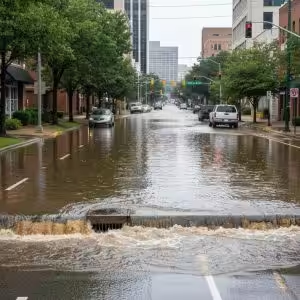
Heavy rainstorms in spring and summer overwhelm drainage systems, leading to flooding and water intrusion into basements and lower floors. Thunderstorms and tropical weather further heighten the risk, while rapid temperature shifts can cause pipes to burst. These seasonal patterns necessitate vigilant property maintenance and prompt response to prevent extensive damage.
How Do Plumbing and Flooding Issues Differ in Charlotte Neighborhoods?
In older neighborhoods, plumbing issues such as burst pipes are common due to aging infrastructure, requiring regular maintenance and immediate repair. In newer or densely populated areas, inadequate stormwater systems can lead to significant flooding during heavy rainfall. Restoration strategies must be tailored to these differing challenges to effectively mitigate damage.
How Does Local Expertise Enhance Emergency Water Extraction Efficiency?
Local expertise enables technicians to quickly identify and address potential complications unique to Charlotte’s infrastructure and weather. Their familiarity with local building codes, materials, and repair techniques leads to a more efficient extraction process. Established relationships with local insurance providers and municipal services further streamline the recovery process, ensuring timely and effective restoration.
Frequently Asked Questions
Q: What is the primary importance of emergency water extraction in Charlotte? A: Emergency water extraction quickly removes standing water, prevents significant property damage, and minimizes mold growth. Fast intervention in Charlotte’s humid climate helps maintain structural integrity and reduces repair costs.
Q: How quickly can Charlotte Water Rescue respond to emergencies? A: Charlotte Water Rescue typically responds within 60 minutes, allowing them to begin water removal promptly, which is crucial for reducing overall damage.
Q: What type of equipment is typically used in these emergencies? A: The process employs high-capacity submersible pumps, industrial wet/dry vacuums, dehumidifiers, air movers, and infrared cameras to detect and remove hidden moisture.
Q: How can property owners prepare for water damage emergencies? A: Regular inspections of plumbing, roofing, and gutters, combined with the installation of water alarms and a clear emergency action plan, are essential. Familiarity with local restoration services and up-to-date insurance coverage further aid in preparedness.
Q: Will my insurance cover the water damage restoration? A: Most insurance policies cover water damage if prompt action is taken. Detailed documentation by Charlotte Water Rescue helps ensure claims are processed smoothly.
Q: What steps are involved in the restoration process after extraction? A: The process includes water extraction, drying and dehumidification, mold remediation if needed, cleanup, and repair or replacement of damaged materials such as flooring or drywall.
Q: How does local infrastructure affect water damage risks in Charlotte? A: Older plumbing systems and urban drainage challenges in Charlotte elevate the risk of water damage. Local expertise allows service providers to tailor restoration strategies to these specific challenges.
Final Thoughts
Emergency water extraction is indispensable for mitigating water damage in Charlotte, NC. Rapid response by expert technicians not only protects structures and valuables but also streamlines the insurance claim process. With proactive maintenance and reliance on experienced, locally knowledgeable restoration services, homeowners and businesses can significantly reduce water damage risks and safeguard their property investments.