Emergency Water Extraction Solutions in Charlotte
Introduction Charlotte homeowners and business owners face the harsh reality of water damage every year. Whether triggered by natural disasters, burst pipes, or leaks, water damage can compromise property integrity and lead to long‑term risks such as mold growth. This article outlines common causes of water damage, details emergency water extraction and drying services, and explains the restoration process, including fire damage restoration measures. It also highlights local expertise, cost guidance, and prevention strategies to help property owners make informed decisions and achieve efficient restoration. For additional assistance, contact us immediately.
Term:
What Are the Common Causes of Water Damage in Charlotte?
Charlotte’s properties are vulnerable to water damage from burst pipes, roof or window leaks, and severe weather events that cause flooding. Early diagnosis and prompt action are critical to prevent extensive repairs and deterioration.
A sudden burst pipe can saturate walls, flooring, and insulation, compromising structural integrity and indoor air quality. Even a slow leak from an aging water heater or faulty fixture may remain unnoticed until mold develops. Severe weather—heavy rains, flooding, and wind‑driven storms—often overwhelms drainage systems and leads to basement inundation and hidden moisture in building cavities. Recognizing these issues early allows property owners to obtain professional help before additional damage occurs.
How Do Burst Pipes Cause Water Damage?
Burst pipes rapidly release high‑pressure water that saturates building materials. Often caused by corrosion, freezing temperatures, or aging infrastructure, burst pipes leave visible pooling water while also leading to warped flooring, decreased structural strength, and conditions that favor mold growth. Professionals use moisture sensors to assess the hidden damage and guide the extraction and drying process.
What Role Do Leaks and Floods Play in Water Emergencies?
Leaks from roofs, windows, or plumbing fixtures may slowly drip or flow, allowing water to be absorbed into walls and floors. Floods, typically caused by heavy rain and inadequate drainage, can overwhelm pump systems and lead to severe property losses. Both require immediate intervention to prevent further structural deterioration and mold proliferation.
How Do Storms Impact Water Damage Risks in Charlotte?
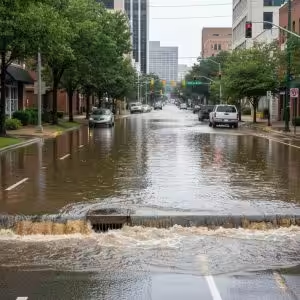
Storms combine torrential rain, high winds, and flooding to create multiple failure points in a building. They can break windows, damage roofs, and create foundation cracks, allowing water to enter even sealed areas. Increased moisture levels from storms heighten the risk of mold and mildew, impacting both property value and occupant health. Early intervention after a storm is essential for effective water extraction and drying.
What Emergency Water Extraction and Drying Services Are Available in Charlotte?
Charlotte’s emergency water extraction and drying services are designed to quickly remove standing water and restore properties to pre‑loss condition. Using high‑powered extraction units and industrial‑grade dehumidifiers, these services rapidly dry affected areas to prevent mold, corrosion, and further structural damage.
Rapid water extraction is the cornerstone of these services. Specialized equipment removes large volumes of water swiftly to minimize degradation. After extraction, technicians deploy air movers, dehumidifiers, and infrared drying technology to thoroughly dry hidden cavities such as wall studs and subfloors.
How Does Professional Water Extraction Work?
Professionals begin by identifying moisture concentration areas using moisture meters and thermal imaging cameras. They then deploy high‑capacity pumps and wet‑vac systems to remove water efficiently, ensuring that extracted water is properly contained and disposed of per local regulations. This step protects electrical systems, flooring, and structural elements from further damage.
What Are the Techniques for Effective Drying and Dehumidification?
Effective drying employs air movers that direct high‑volume airflow to speed evaporation, while industrial dehumidifiers lower ambient humidity to remove residual moisture. In challenging situations, desiccant dehumidifiers may be used, and thermal imaging confirms that all hidden moisture pockets are addressed.
When Is Mold Remediation Necessary After Water Damage?
If water damage is not promptly addressed, damp structures can foster rapid mold growth. When moisture persists for more than 48 hours, certified mold remediation professionals inspect the property, remove contaminated materials, and treat affected areas with antimicrobial solutions to limit mold spread and protect indoor air quality. mold after flood
How Is Damage Assessment Conducted During Restoration?
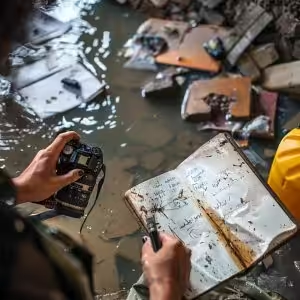
A thorough damage assessment involves visual inspections combined with moisture meter and infrared camera readings. Technicians document visible and hidden water damage to prioritize restoration efforts and support insurance claims. This detailed assessment helps to ensure that every affected area receives proper treatment.
What Is the Step-by-Step Water Damage Restoration Process in Charlotte?
The restoration process in Charlotte follows a structured, step‑by‑step approach:
- Assessment and Documentation: Technicians document the extent of water damage using inspections, moisture meters, and photographs. This stage helps prioritize work and support insurance claims.
- Water Extraction: High‑power pumps and wet‑vac systems quickly remove standing water from floors, walls, and furnishings.
- Drying and Dehumidification: Air movers and dehumidifiers work together to eliminate residual moisture, with sensors ensuring that humidity drops to safe levels.
- Repairs: Damaged flooring, walls, insulation, and other building materials are replaced or repaired.
- Final Restoration: The property is cleaned, sanitized, and restored to its pre‑loss condition with detailed finishing touches.
How Is Water Damage Assessed and Documented?
Water damage is assessed by identifying visible signs and using moisture meters to detect hidden wetness. Photographic evidence is collected to aid in planning the restoration process and filing insurance claims, ensuring no moisture pockets are missed.
What Are the Key Steps in Water Extraction and Drying?
Following assessment, high‑power pumps and wet‑vac systems remove standing water from surfaces. Drying is achieved through air movers and industrial dehumidifiers that work in tandem, with sensors monitoring the environment to lower humidity to safe conditions.
How Are Repairs and Final Restoration Completed?
Once drying is complete, technicians repair the damaged building materials such as drywall, flooring, and insulation. The final stage involves cleaning, painting, and odor removal to restore the property fully for safe occupancy.
Why Choose Local Emergency Water Extraction Experts in Charlotte?
Local emergency water extraction experts possess vital knowledge of Charlotte’s weather patterns, infrastructure, and building codes. Their rapid response and specialized techniques reduce further damage and ensure efficient restoration. They assist with insurance claims by providing detailed documentation and reliable communication, making the recovery process smoother for property owners.
How Does Rapid Response Minimize Water Damage?
A swift response minimizes water penetration into structural materials, limiting secondary damage such as mold growth, structural weakness, and electrical hazards. Charlotte technicians typically respond within hours to prevent the situation from worsening.
What Certifications and Expertise Do Technicians Have?
Technicians in Charlotte are often certified by organizations such as the IICRC, ensuring they follow the latest safety and restoration protocols. Their expertise covers a range from minor leaks to severe flood damage, supported by ongoing training in dehumidification and drying technology.
How Does Advanced Technology Improve Restoration Outcomes?
Advanced tools like infrared cameras and moisture sensors help pinpoint hidden water pockets so that treatments can be accurately targeted. Industrial‑grade dehumidifiers and air movers, coupled with sensors that monitor humidity and temperature, accelerate the drying process and minimize overall property damage.
How Does Insurance Claim Assistance Simplify the Process?
Many local experts assist property owners with insurance claims by providing clear, detailed documentation and professional assessments. This support helps streamline claim approvals and reduces the administrative burden on homeowners and businesses during a stressful time.
Which Areas in Charlotte Are Served for Emergency Water Extraction?
Charlotte’s restoration services cover multiple areas including South Charlotte, Uptown, Ballantyne, and Myers Park. Local experts tailor their services to each neighborhood’s unique construction styles and challenges.
Service coverage is designed so that dense urban areas or older neighborhoods receive rapid extraction and dehumidification, while upscale areas benefit from preservation-focused restoration that maintains property value. Multiple service vehicles and local knowledge further ensure quick, efficient intervention.
What Services Are Offered in South Charlotte?
In South Charlotte, restoration companies provide rapid water extraction, thorough drying, and mold remediation tailored to the region’s construction styles. They also handle minor repairs to manage both immediate damage and long‑term issues.
How Is Water Damage Handled in Uptown Charlotte?
Uptown Charlotte’s commercial and high‑rise structures require techniques that minimize disruption. Restoration experts use minimally invasive methods to extract water and dry interiors while protecting sensitive equipment and electronics, ensuring business operations resume quickly.
What Restoration Options Exist in Ballantyne and Myers Park?
High‑value residential areas like Ballantyne and Myers Park demand meticulous restoration. Services include advanced water extraction, precise drying methods, and careful repairs tailored to upscale materials, along with preventive consultations to avoid future damage.
How Much Does Emergency Water Extraction and Drying Cost in Charlotte?
Restoration costs depend on the extent of water damage, area size, drying techniques employed, and emergency response urgency. Estimates cover labor, equipment, extraction, drying, and sometimes debris removal and sanitation. Costs vary widely with the severity of the incident, and additional charges may apply for mold remediation or structural repairs. Many companies also offer financing options or payment plans, and most insurance policies cover water damage when proper documentation is provided.
What Factors Influence Water Damage Restoration Costs?
Key factors include the amount of standing water, building material types, complexity of the structure, secondary damage from mold or corrosion, and the time required for drying. Faster response can reduce long‑term damage but may come at a premium.
Are There Financing Options for Water Damage Services?
Many restoration companies offer financing options such as monthly payment plans or partnerships with financial institutions to help property owners manage immediate costs without delay. disaster recovery funding
Does Insurance Typically Cover Water Damage Restoration?
Most comprehensive insurance policies cover sudden, accidental water damage. However, gradual damage or poor maintenance issues may not be included. Restoration companies provide detailed damage reports to help streamline the claims process.
How Can Homeowners and Businesses Prevent Water Damage in Charlotte?
Preventing water damage involves regular maintenance and strategic planning. Homeowners and businesses can reduce risk by routinely inspecting plumbing and roofing, sealing windows and doors, and ensuring proper drainage around property perimeters. Early detection systems like water alarms and advanced detection devices can alert owners to leaks before significant damage occurs. See more about water damage.
Additionally, installing automatic shutoff valves and using water‑resistant building materials further minimizes risk. Regular maintenance contracts with professional restoration services provide expert oversight and faster response in emergencies, reducing repair costs and long‑term damage.
What Are Effective Water Damage Prevention Strategies?
Effective strategies include frequent inspections of water‑using systems, maintenance of gutters and downspouts, installation of water alarms, and sealing of foundation cracks. Proactive upkeep can prevent minor leaks from escalating into major issues.
What Should You Do Immediately After a Burst Pipe?
Immediately shut off the main water supply, contact professional water extraction services, and move valuable items to safety. Document the damage for insurance purposes to help streamline the claims process.
How Can Mold Growth Be Prevented After Water Damage?
To prevent mold, ensure that affected areas are completely dry within 48 hours. Use industrial dehumidifiers and air movers to speed up drying, and apply antimicrobial cleaners to surfaces. Follow-up inspections help verify that hidden moisture has been eliminated. For more information, you can check
guidelines in Charlotte.
Table: Summary of Water Extraction and Restoration Services
Before diving into FAQs, here is a summary of the key service attributes:
| Service Type | Technology Used | Time Efficiency | Primary Benefit | Target Area |
|---|---|---|---|---|
| Emergency Water Extraction | High‑capacity pumps, wet‑vacuum systems | Immediate response (within hours) | Rapid water removal prevents structural damage | Entire property (residential/commercial) |
| Drying and Dehumidification | Industrial dehumidifiers, air movers, infrared imaging | Complete drying within 24–72 hours | Prevents mold and preserves building materials | Hidden cavities and large areas |
| Mold Remediation | Antimicrobial treatments, HEPA filtration | Initiated within 48 hours | Stops mold growth and improves indoor air quality | Areas affected by persistent moisture |
| Damage Assessment | Moisture meters, infrared cameras | Immediate with detailed documentation | Guides restoration and supports insurance claims | Entire damaged zone |
| Repair and Restoration | Structural repairs, cleaning agents, cosmetic restoration | Post‑drying, typically several days | Fully restores the property’s pre‑damage condition | Focused repairs in strategic areas |
Frequently Asked Questions
Q: How quickly should water damage be addressed in Charlotte? A: It should be addressed within the first 24 to 48 hours to prevent extensive structural damage and mold growth. Rapid response significantly reduces overall damage.
Q: What kind of equipment is used in water extraction services? A: Services employ high‑capacity pumps, industrial wet‑vacuum systems, and moisture detection tools such as infrared cameras and moisture meters to quickly remove water and assess hidden moisture.
Q: Can water damage restoration help with insurance claims? A: Yes, restoration companies provide detailed documentation and assessments that support insurance claims, helping to expedite claim approvals.
Q: How does professional drying prevent mold growth? A: Industrial dehumidifiers and air movers rapidly reduce moisture levels from surfaces and hidden areas, preventing the conditions that favor mold development.
Q: What are the preventive measures homeowners can take to avoid water damage? A: Regular inspections, maintenance of plumbing and roofing, proper drainage, and installation of water detection systems can significantly reduce risk.
Q: Is there a significant cost difference between minor and major water extraction services? A: Yes, minor damage may involve lower costs while extensive damage requiring structural repairs and mold remediation is more expensive. Most companies offer detailed estimates based on their initial assessment.
Q: What role does advanced technology play in water damage restoration? A: Advanced tools like infrared imaging and moisture sensors allow experts to detect hidden water and precisely target treatments, leading to more effective and faster restoration.
Final Thoughts
Charlotte’s emergency water extraction and restoration services are essential to mitigate water damage and its long‑term consequences. With rapid, technology‑driven responses, thorough drying processes, and expert repairs, local professionals help protect property and safeguard health. By partnering with certified experts and taking proactive prevention measures, residents and businesses can overcome water damage challenges and ensure long‑term resilience.