Emergency Water Extraction Service in Charlotte NC: What to Know
Proper water damage restoration is critical for preserving property integrity and preventing issues like mold growth and structural degradation. In some cases, integrating fire damage restoration measures can further safeguard your property. Homeowners and business owners in Charlotte NC facing water emergencies know that timely water extraction and restoration are key. Whether damage is caused by burst pipes, flooding, or leaks, understanding the source and following a strategic process is essential. This article highlights common causes of water damage, explains emergency water extraction steps, outlines mold remediation importance, discusses insurance claim support, and offers preventive tips. For more information, contact us to discuss your restoration needs. You will also learn why Charlotte Water Recovery is the best choice for emergency water extraction services.
By understanding various damage mechanisms and restoration strategies, Charlotte residents can safeguard their investments and ensure healthy living conditions. The following sections address common queries on water damage restoration, detailing key processes, equipment used, and local considerations that affect repairs.
What Are the Common Causes of Water Damage in Charlotte NC?
Water damage in Charlotte NC can result from many factors that often go unnoticed until severe damage occurs. Common causes include burst pipes, natural flooding, leaks from roofs or windows, appliance malfunctions, and sewage backups. These factors can lead to significant financial and health impacts if not promptly addressed. For a detailed overview of the various causes, you can visit water damage causes in Charlotte NC explained for homeowners.
Aging infrastructure is a primary cause; old pipes, fittings, and seals may suddenly burst or drip persistently, damaging walls and floors. Heavy rains and weather changes can overwhelm drainage systems, causing water to seep into basements and crawl spaces. Poorly maintained HVAC systems also contribute to water pooling and condensation issues.
Human error, such as leaving a tap running or neglecting minor leaks, can allow moisture to build up and weaken building materials over time, fostering mold growth. Natural disasters like hurricanes or tropical storms occasionally lead to widespread flooding and severe property damage. Seasonal changes further stress plumbing systems in winter and damage metal pipes in summer due to evaporation and mineral deposits.
Persistent water exposure damages not only structure but also interior finishes like drywall and insulation, potentially hiding moisture behind walls. Professional inspections and timely drying are essential to prevent long-term issues.
How Do Burst Pipes Cause Water Damage in Charlotte Homes?
Burst pipes are a leading cause of water damage in Charlotte, often resulting from aging infrastructure and extreme weather. When a pipe bursts, a large volume of water is suddenly released, damaging floors, walls, and personal belongings, and sometimes compromising structural elements such as wood beams and foundations. Delayed detection can exacerbate the damage since water seeps into hidden spaces. water damage is something to be aware of.
Professional water extraction services use high-powered pumps, industrial vacuums, dehumidifiers, and air movers to quickly remove water and dry the area. Prompt action helps prevent mold growth and limits repair costs. Routine inspections by licensed plumbers and preventive measures (like insulation or anti-freeze solutions) are recommended, especially in older homes.
What Flooding Risks Affect Properties in Charlotte NC?
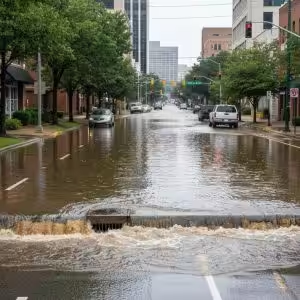
Flooding is a significant risk in Charlotte due to heavy rainfall, overflowing rivers and creeks, and urban development that limits natural water absorption. Flash floods can overwhelm drainage systems, causing water to penetrate residential and commercial areas.
Properties in floodplains face prolonged water exposure, risking foundation damage and soil erosion. Aging stormwater management systems and closely built structures further complicate water runoff, intensifying flooding. Flood water may also carry contaminants like sewage and debris, making cleanup and restoration more complex. Regular maintenance of gutters, installation of sump pumps, and backflow prevention valves can help reduce these risks. water damage causes.
How Can Leaks Lead to Emergency Water Extraction Needs?
Small leaks, such as those from faucets or damaged roofs, can eventually cause severe water damage if left unchecked. Even minor leaks can saturate building materials, creating ideal conditions for mold growth. Over time, persistent moisture can degrade insulation, drywall, and wood, sometimes affecting the foundation.
Hidden leaks may not show immediate signs on the surface, which is why professional water extraction is important. Experts use specialized moisture detection equipment to find and remove water from hidden areas, reducing the risk of mold and structural damage. Regular maintenance and timely repairs can prevent minor leaks from escalating into emergencies.
What Are the Key Steps in the Emergency Water Extraction Process?
The emergency water extraction process is designed to swiftly remove excess water and minimize further damage. Professional restoration companies follow strict protocols to ensure thorough drying and repair.
The process begins with a detailed assessment to determine the source, extent, and type of water damage. Depending on whether the water is clean, grey, or black, different methods are then used to extract and dry the affected area. Specialized equipment such as submersible pumps and industrial vacuums play a crucial role.
What Are the 5 Essential Steps of Emergency Water Extraction?
- Assessment and Inspection – Determining Damage Extent Technicians use moisture meters and infrared cameras to evaluate the affected area, ensuring all contaminated spots are identified.
- Water Removal – Rapid Extraction Using Advanced Equipment High-powered pumps and wet/dry vacuums remove standing water quickly, reducing the saturation of building materials.
- Drying and Dehumidification – Eliminating Residual Moisture Industrial air movers and dehumidifiers dry the area thoroughly, preventing hidden moisture from causing mold growth.
- Cleaning and Sanitizing – Ensuring a Healthy Environment Specialized biocides and antimicrobial treatments are used to clean surfaces and eliminate contaminants introduced by flood water.
- Final Inspection and Restoration – Reviewing and Repairing Damage A final re-inspection confirms all moisture is removed, after which repairs are made to restore the property to its pre-damage condition.
Timely intervention through these steps minimizes property damage and reduces the risk of long-term issues.
How Do Different Types of Water Impact Extraction and Restoration?
The type of water involved affects both extraction and restoration. Clean water (e.g., from a burst pipe) is handled quickly with fewer health risks, while grey water, which may contain contaminants, requires more thorough cleaning. Black water from sewage backups or river floods poses the highest risk, necessitating full containment and strict safety protocols.
Restoration professionals follow established IICRC guidelines to determine the required level of cleaning, sanitization, and repair. This careful classification also helps with insurance claims and cost estimates, ensuring appropriate remediation steps are taken.
What Equipment Is Used in Professional Water Extraction Services?
Specialized equipment is critical for effective water extraction. Key tools include: – Submersible Pumps: Designed to remove large volumes of water from basements and crawl spaces. – Wet/Dry Vacuums: Used for smaller pools of water and hard-to-reach areas. – Moisture Meters and Infrared Cameras: Detect hidden water behind walls and under floors. – Industrial Dehumidifiers and Air Movers: Work together to thoroughly dry the environment. – Sanitization Equipment: Foggers and sprayers apply antimicrobial agents to disinfect surfaces. For more information, check out our
in Charlotte, NC.
Using this professional-grade equipment reduces drying times and repair costs, and helps restore properties faster and more effectively.
Why Is Mold Remediation Critical After Water Extraction in Charlotte?
After water extraction, mold remediation is essential to protect health and restore structural integrity. Even after water is removed, residual moisture can quickly lead to mold growth, which poses health risks and further damages the property.
Professional mold remediation focuses on identifying and eliminating hidden mold colonies using chemical treatments, physical removal, and thorough cleaning. Integrated restoration services may include reconstruction and repair if needed. Preventive measures such as dehumidifiers and improved ventilation can help prevent future mold issues. Regular post-remediation inspections ensure that indoor air quality remains safe.
How Does Mold Develop After Water Damage?
Mold develops rapidly after water damage because spores are everywhere and begin growing on wet, porous materials like drywall, wood, and carpeting. Within 24 to 48 hours, conditions become favorable for mold to spread, especially in high-humidity and warm environments. Early detection and action are critical to prevent mold from causing extensive damage.
What Mold Removal Services Are Available in Charlotte NC?
Licensed professionals in Charlotte offer comprehensive mold removal services that start with a detailed assessment using moisture detection tools. The process typically involves removing contaminated materials, cleaning with EPA-approved antifungal treatments, and using HEPA filters to remove spores. Some providers also offer post-remediation verification and ongoing maintenance to prevent recurrence.
How Does Mold Remediation Integrate With Full Restoration Services?
Mold remediation is integrated with full restoration services to remove both moisture and fungal damage before repairs are made. Once mold is eliminated, restoration teams repair structural and cosmetic damages, ensuring that hidden moisture issues are addressed permanently. This seamless process complies with local building codes and streamlines insurance claims while reducing long-term risks.
How Can Insurance Claims Support Your Water Damage Restoration in Charlotte?
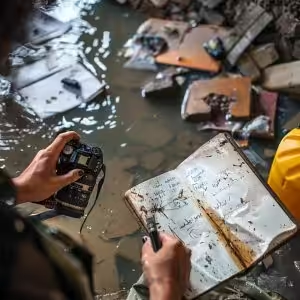
Navigating insurance claims is a critical part of water damage restoration. Well-documented claims can help alleviate the financial burden caused by unexpected repairs. Homeowners should contact their insurance companies immediately after damage is discovered and work with professionals who provide detailed reports, photographs, and water extraction assessments as evidence for claims.
Does Homeowner’s Insurance Cover Emergency Water Extraction?
Most homeowner’s insurance policies cover emergency water extraction if the damage is sudden and accidental, such as from a burst pipe or storm-related flooding. However, coverage details and deductibles vary by policy. It is important to document the damage thoroughly and work with IICRC-certified professionals to support your claim.
How Can Charlotte Water Recovery Assist With Insurance Claims?
Charlotte Water Recovery has extensive experience in helping homeowners navigate insurance claims. Their team works directly with insurance adjusters, providing detailed, timely documentation of the damage and restoration efforts. This streamlined process helps expedite claim approvals and ensures that homeowners receive fair compensation while reducing stress during the restoration process.
What Documentation Is Needed for Water Damage Insurance Claims?
Key documentation includes photographs of the damage, professional water extraction reports, a detailed inventory of affected items, moisture readings, drying logs, and repair invoices. Keeping organized records and receipts helps streamline the claim process and prevent any overlooked expenses.
What Are the Best Ways to Prevent Water Damage and Reduce Emergency Extraction Needs?
Preventing water damage is always preferable. Regular maintenance and proactive measures can significantly reduce the likelihood of serious damage. Homeowners should routinely inspect their properties for early signs of leaks or water intrusion and address minor issues immediately.
Preventive strategies include checking plumbing systems, inspecting roofs after storms, cleaning gutters, and monitoring humidity levels with digital hygrometers. Installing water leak detectors in high-risk areas can alert homeowners early, potentially avoiding costly repairs.
How Can Regular Water Damage Inspections Help Charlotte Homeowners?
Regular inspections by certified professionals help detect hidden leaks, damp spots, and structural vulnerabilities. Early intervention can prevent major water damage and reduce repair costs, while also protecting household air quality. Establishing an annual or biannual inspection routine is a smart long-term investment.
What Are Effective Tips to Prevent Burst Pipes and Leaks?
Effective prevention involves: – Scheduling regular plumbing inspections. – Insulating pipes in unheated areas. – Installing anti-freeze devices during cold weather. – Knowing the location of the main water shut-off valve. – Using smart water monitor systems to detect abnormal water flow. Routine appliance checks and upgrading to corrosion-resistant materials also help minimize leaks.
Why Choose Professional Water Damage Services for Long-Term Protection?
Professional water damage services ensure that all traces of water and moisture are properly addressed, reducing the risk of mold and structural damage. Their advanced extraction, drying, and dehumidification equipment—along with expert remediation—offer peace of mind and protect property value. In Charlotte, where seasonal weather can amplify water damage risks, expert intervention is the most reliable long-term solution.
What Makes Charlotte Water Recovery the Best Emergency Water Extraction Service in Charlotte NC?
Charlotte Water Recovery stands out due to its 24/7 availability, state-of-the-art equipment, and deep local expertise. Their reputation is built on rapid response, comprehensive service—from water extraction and mold remediation to full restoration—and a team of highly trained, IICRC-certified professionals who ensure customer satisfaction and property safety.
How Does 24/7 Emergency Response Benefit Charlotte Residents?
Around-the-clock service is crucial during emergencies. Immediate response to burst pipes or flooding significantly reduces water damage, limits mold formation, and lowers repair costs. This 24/7 readiness ensures that help is available whenever disaster strikes.
Why Is Local Expertise Important for Water Damage Restoration?
Local experts in Charlotte understand regional weather patterns, local building codes, and common structural challenges. This knowledge enables them to tailor restoration efforts effectively and work closely with local authorities and insurance adjusters to ensure repairs meet all necessary standards.
What Comprehensive Services Does Charlotte Water Recovery Offer?
Charlotte Water Recovery offers a full suite of services including: – Emergency water extraction and dehumidification. – Mold remediation. – Structural repairs and full restoration. – Detailed documentation and insurance claim assistance. Their integrated approach ensures that every aspect of water damage is addressed quickly and efficiently.
What Do Customers Say About Charlotte Water Recovery?
Customers consistently praise Charlotte Water Recovery for minimizing disruption during water emergencies, delivering thorough restoration, and maintaining professional, clear communication throughout the process. Their expertise and rapid response have earned them high customer satisfaction and reliable testimonials.
Where Does Charlotte Water Recovery Provide Emergency Water Extraction Services?
Charlotte Water Recovery serves a wide area in greater Charlotte, ensuring prompt, high-quality care for a variety of property types, including residential homes, condominiums, commercial properties, and industrial facilities.
Which Neighborhoods in Charlotte Are Covered?
Their service area includes neighborhoods such as South End, Dilworth, NoDa, Ballantyne, and many others. Local teams are familiar with the unique building styles and challenges in each area, allowing them to tailor their approach for both modern high-rises and historic homes.
How Do Local Building Codes Affect Water Damage Restoration?
Local building codes play a significant role in restoration. They set standards for structural repairs, electrical safety, and HVAC adjustments. Charlotte Water Recovery’s familiarity with these codes helps ensure that every restoration project complies with current standards, which also facilitates smoother insurance claims and long-term property protection.
Frequently Asked Questions
Q: How quickly should water extraction begin after damage is noticed? A: Extraction should start within 24 hours to minimize damage and prevent mold growth. Prompt action reduces repair costs and protects structural integrity.
Q: What distinguishes professional water extraction from DIY methods? A: Professionals use high-powered pumps, dehumidifiers, and specialized detectors to assess hidden moisture and ensure complete drying, which is far more effective than consumer-grade tools.
Q: Can homeowner’s insurance help cover water damage and extraction costs? A: Most policies cover sudden, accidental water damage such as burst pipes or storm flooding. However, coverage details vary, so thorough documentation and professional reports are key.
Q: Why is mold remediation essential after water extraction? A: Even after water removal, leftover moisture can foster mold growth that poses health risks and further structural damage. Remediation ensures the property is safe and fully restored. More information can be found on mold after flood case management.
Q: How can I prevent water damage from recurring in my home? A: Regular inspections of plumbing, roofing, and ventilation systems, along with leak detectors, proper maintenance, and smart water monitors, can help prevent future damage.
Q: What should I do if I suspect hidden water damage? A: Contact a professional restoration service immediately. Experts use moisture meters and infrared cameras to locate unseen water pockets, helping to prevent costly repairs later.
Q: How does Charlotte Water Recovery support insurance claims? A: They provide detailed damage reports, photographic documentation, and repair invoices, working directly with insurers to help expedite claims and ensure fair compensation.
Final Thoughts
Charlotte residents facing water emergencies can rely on prompt, professional intervention to mitigate damage and restore their property. By understanding the root causes of water damage and following a systematic restoration approach, homeowners can reduce repair costs and long-term risks. The comprehensive services—from water extraction and drying to mold remediation and full restoration—ensure that properties return to safe, livable conditions. Trust experts like Charlotte Water Recovery, whose local expertise and 24/7 emergency response make all the difference in protecting your investment and keeping you safe.