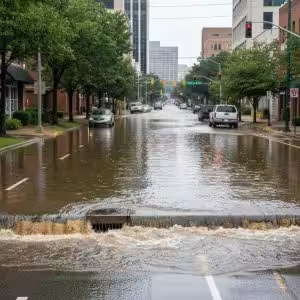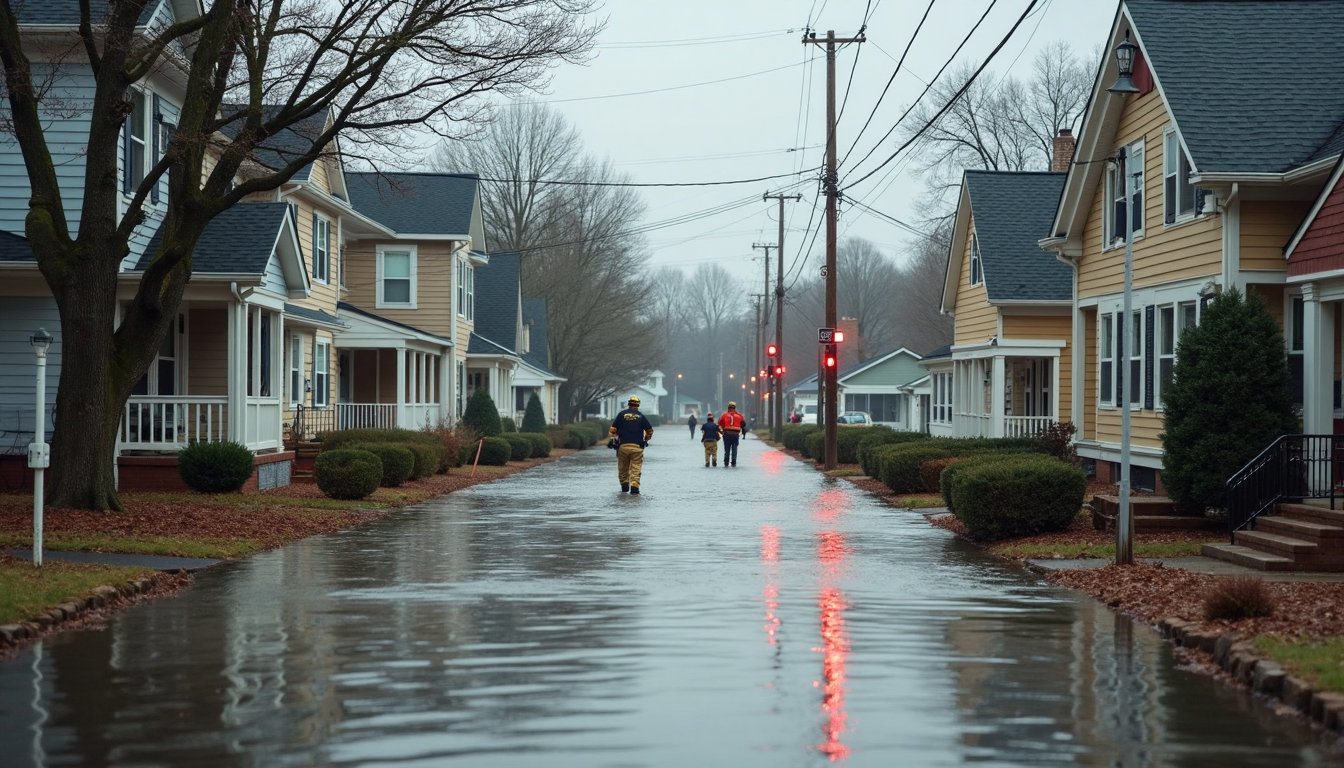
Charlotte property owners are often stunned by the difference between water damage and flood damage, especially when it comes to insurance. Think they’re treated the same? Not even close. Here’s where it gets interesting. Standard homeowners insurance rarely covers flood damage, meaning property owners could face out-of-pocket costs that stretch well into the thousands if they’re unprepared. This one technicality could decide if you recover quickly or pay dearly.
Table of Contents
- Understanding Water Damage And Flood Damage
- Insurance Coverage Differences In Charlotte, NC
- Steps To Take After Water Or Flood Damage
- Legal Considerations And Claims Tips For Charlotte Residents
Quick Summary
| Takeaway | Explanation |
|---|---|
| Understand the Differences | Water damage is typically due to internal sources, while flood damage comes from external ground sources, requiring different insurance coverage. |
| Review Your Insurance Policy | Standard homeowners insurance often excludes flood damage; property owners must consider additional flood insurance to avoid significant out-of-pocket costs. |
| Act Quickly After Damage | Immediate safety measures, thorough documentation, and professional restoration services are crucial to minimizing long-term effects and financial losses after water or flood damage. |
| Legal and Documentation Strategies | Timely reporting within 72 hours and maintaining detailed records of damage is essential for navigating the complexities of insurance claims in Charlotte. |
| Seek Professional Guidance | Consulting with insurance and legal experts can help ensure fair compensation and navigate the specific regulations and risks associated with water and flood damage in Charlotte. |
Understanding Water Damage and Flood Damage
Property owners in Charlotte face significant challenges when distinguishing between water damage and flood damage. These two types of property damage might seem similar, but they have critical differences that impact insurance coverage and restoration processes.
The Fundamental Distinctions
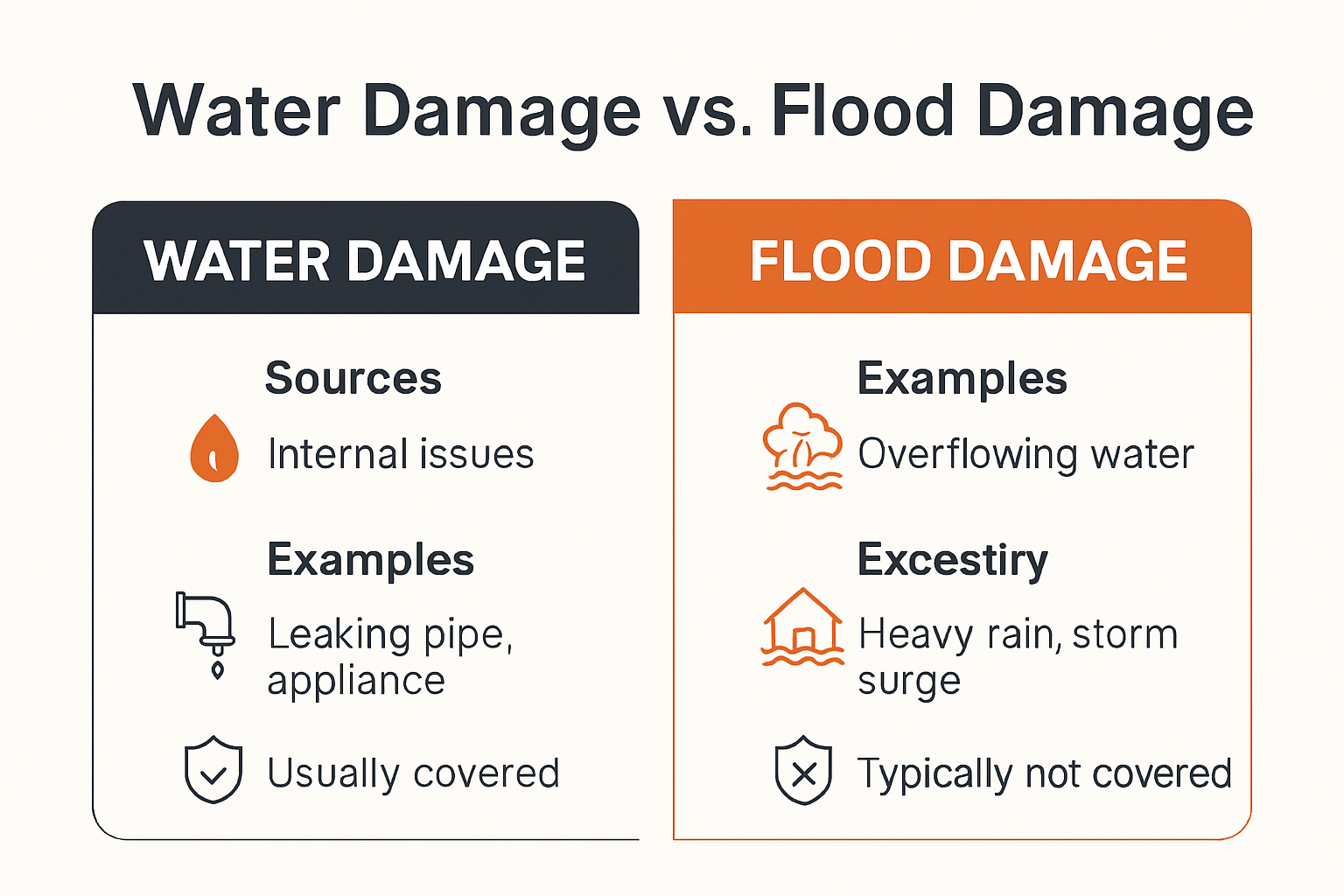
Water damage and flood damage are not interchangeable terms in the insurance and restoration world. Water damage typically occurs when water enters a property through internal sources like burst pipes, malfunctioning appliances, or roof leaks. These incidents are usually sudden and accidental, often covered by standard homeowners insurance policies.
In contrast, flood damage specifically refers to water entering a property from external ground sources. This includes rising river levels, storm surge, heavy rainfall causing ground water to infiltrate, or widespread water accumulation from severe weather events. According to insurance experts, flood damage requires separate flood insurance coverage, which is typically not included in standard property insurance policies.
Insurance and Financial Implications
The distinction between water and flood damage carries significant financial consequences for property owners. Standard homeowners insurance policies generally cover water damage from internal sources like a burst pipe or an overflowing washing machine. However, these same policies explicitly exclude flood damage from external sources.

For comprehensive protection, Charlotte property owners should consider additional flood insurance. The National Flood Insurance Program (NFIP) offers specific coverage for flood-related damages. Learn more about restoration strategies after water incidents to understand how proper insurance and quick response can minimize long-term property damage.
Understanding these nuances is crucial. Water entering your property through a hole in the roof during a storm might be considered water damage, while water rising from ground level during the same storm would be classified as flood damage. This technical difference can mean thousands of dollars in out-of-pocket expenses if property owners are not adequately prepared.
Property owners should carefully review their insurance policies, understand the specific definitions of water and flood damage, and consider additional coverage based on their property’s location and potential risks. Consulting with insurance professionals who understand local Charlotte environmental conditions can provide tailored guidance for protecting your property against potential water-related damages.
Insurance Coverage Differences in Charlotte, NC
Navigating insurance coverage for water and flood damage in Charlotte requires a comprehensive understanding of policy nuances that can significantly impact property owners financial protection. The local insurance landscape presents unique challenges and considerations specific to North Carolina’s environmental risks.
Standard Homeowners Insurance Limitations
Standard homeowners insurance policies in Charlotte typically provide limited protection against water-related damages. Internal water damage from sudden and accidental events like burst pipes, malfunctioning appliances, or roof leaks are generally covered. However, the coverage has specific restrictions and exclusions that property owners must carefully understand.
According to FEMA’s National Flood Insurance Program, most standard policies explicitly exclude damages caused by ground water, storm surge, or rising water levels. This means property owners could face substantial out-of-pocket expenses if they do not secure additional flood protection. In North Carolina, where coastal and river proximity increases flood risks, this distinction becomes critically important.
Specialized Flood Insurance Requirements
Charlotte property owners face unique insurance challenges due to the region’s susceptibility to flooding. Research indicates that the average annual flood insurance cost in North Carolina is approximately $925, which is significantly higher than the national average. This elevated cost reflects the state’s increased environmental vulnerability.
The National Flood Insurance Program (NFIP) provides a crucial safety net for property owners. Learn more about comprehensive damage recovery strategies to understand how proper insurance can mitigate potential financial losses. Flood insurance becomes essential for properties located in high-risk zones or areas prone to water accumulation during storm seasons.
Key considerations for Charlotte property owners include:
- Flood Zone Mapping: Properties located in designated flood zones typically require mandatory flood insurance.
- Coverage Limits: NFIP policies have specific coverage limits for building structures and personal property.
- Waiting Periods: Most flood insurance policies have a 30-day waiting period before becoming active.
Risk Assessment and Policy Selection
Choosing the right insurance coverage demands a strategic approach. Property owners should conduct thorough risk assessments that consider local geographical features, historical flooding data, and proximity to water bodies. Professional insurance consultants familiar with Charlotte’s specific environmental conditions can provide tailored guidance.
Insurance premiums and coverage options vary based on multiple factors including property elevation, construction type, and historical flood data. Some properties might qualify for reduced rates through mitigation strategies like elevated foundations or improved drainage systems.
Ultimately, protecting your property requires a proactive approach. Carefully reviewing policy details, understanding coverage limitations, and consulting with local insurance professionals can help Charlotte property owners develop a comprehensive risk management strategy that safeguards their most valuable assets against potential water-related damages.
Steps to Take After Water or Flood Damage
When water damage or flooding strikes a Charlotte property, immediate and strategic action can significantly minimize long-term destruction and financial losses. Property owners must approach these situations methodically to protect their assets and ensure effective recovery.
Immediate Safety and Documentation
Safety is the paramount concern following water or flood damage. Before entering the affected area, ensure electrical systems are disconnected and the structural integrity remains intact. According to disaster recovery experts, property owners should wear protective gear like waterproof boots, gloves, and masks when assessing damage.
Documentation becomes crucial for insurance claims. Systematically photograph and video record all damage, capturing details of affected areas, water levels, and impacted belongings. Create a comprehensive inventory of damaged items, including estimated replacement costs. Learn more about comprehensive restoration strategies to understand how thorough documentation can streamline your recovery process.
Water Removal and Mitigation
Quick water removal prevents secondary damage like mold growth and structural deterioration. Professional water extraction services use specialized equipment to remove standing water efficiently. For small areas, property owners can start with wet vacuums and industrial fans, but extensive flooding requires professional intervention.
Key mitigation steps include:
- Removing saturated materials: Carpets, drywall, and insulation absorbing water must be promptly removed.
- Drying affected areas: Industrial dehumidifiers and air movers are essential for thorough drying.
- Preventing mold growth: Treating surfaces with antimicrobial solutions within 24-48 hours minimizes potential health risks.
Insurance and Professional Restoration
Contact your insurance provider immediately to initiate the claims process. Different procedures apply for water damage versus flood damage, so understanding your specific policy becomes critical. Provide your documented evidence and work closely with insurance adjusters to maximize your claim.
Professional restoration services offer comprehensive solutions beyond simple water removal. These experts assess structural damage, perform advanced drying techniques, and restore your property to pre-damage conditions. They can also help navigate complex insurance requirements and provide expert recommendations for long-term property protection.
Charlotte property owners should remember that time is of the essence. Delaying water damage response can exponentially increase repair costs and potential health risks. Professional assessment within the first 24-48 hours can mean the difference between minor repairs and extensive reconstruction.
While the process might seem overwhelming, methodical action and professional support can help property owners successfully navigate water and flood damage recovery. Always prioritize safety, document thoroughly, act quickly, and seek professional guidance to protect your property and minimize financial impact.
Legal Considerations and Claims Tips for Charlotte Residents
Navigating the legal landscape of water and flood damage claims requires strategic knowledge and careful documentation for Charlotte property owners. Understanding the nuanced legal requirements can significantly impact the success of insurance claims and potential recovery efforts.
Reporting and Documentation Requirements
Timely reporting is critical in water and flood damage scenarios. Research indicates that Charlotte residents must meticulously document all damage before initiating cleanup processes. North Carolina law imposes strict reporting windows, often requiring claims to be filed within 72 hours of discovering damage.
Key documentation strategies include:
- Comprehensive photographic evidence: Capture detailed images of all damaged areas
- Itemized damage inventory: List all affected belongings with estimated replacement costs
- Professional assessment reports: Obtain written evaluations from restoration experts
Insurance Claim Complexities
Charlotte property owners face unique insurance claim challenges. Learn more about storm damage claim strategies to understand the intricate process of navigating insurance requirements. According to North Carolina insurance regulations, hurricane and flood-related deductibles can be as high as 5% of the property’s insured value, making precise documentation and legal understanding crucial.
Insurance claim considerations include:
- Policy-specific limitations: Understand exact coverage boundaries
- Separate flood insurance requirements: Verify additional specialized coverage
- Timely claim submission: Meet all procedural deadlines
Legal Protection and Professional Guidance
Consulting with legal professionals who specialize in property damage claims can provide significant advantages. These experts understand the subtle differences between water and flood damage classifications, which can dramatically impact claim outcomes. They can help property owners navigate complex insurance language, negotiate with insurance adjusters, and ensure fair compensation.
Charlotte residents should be aware that insurance companies often employ strategies to minimize payouts. Professional legal representation can help protect your interests and ensure you receive fair compensation for property damages. This becomes especially critical when dealing with extensive water or flood damage that requires significant restoration efforts.
Ultimately, successful property damage claims require a proactive, well-documented approach. By understanding legal requirements, maintaining thorough documentation, and seeking professional guidance, Charlotte property owners can effectively manage the complex process of water and flood damage recovery.
Remember that each damage scenario is unique. While general guidelines provide valuable insights, consulting local legal and insurance professionals who understand Charlotte’s specific environmental and regulatory landscape will offer the most tailored advice for your specific situation.
Frequently Asked Questions
What is the difference between water damage and flood damage?
Water damage typically occurs from internal sources like burst pipes or leaks, while flood damage arises from external sources like rising water levels. Each type is treated differently by insurance policies.
Does standard homeowners insurance cover flood damage in Charlotte?
No, standard homeowners insurance usually does not cover flood damage. Property owners must obtain separate flood insurance to protect against losses from flooding.
What steps should I take after experiencing water or flood damage?
Immediately prioritize safety, document the damage with photos, remove standing water, and contact your insurance provider and professional restoration services for assistance.
How can I ensure I have the right insurance coverage for my property in Charlotte?
Conduct a risk assessment based on local flood zones and historical data, review your insurance policy for coverage specifics, and consider consulting with a local insurance professional to understand your options.
Ready to Protect Your Property and Your Wallet?
Facing water or flood damage can feel overwhelming, especially when insurance keeps drawing a hard line between what is covered and what is not. The real pain is not just the mess, but the fear of unexpected costs and claim delays. If you are feeling uncertain about policy limitations, stressed about documenting damage, or unsure how to secure the maximum compensation, you are not alone. Many Charlotte homeowners find themselves caught between complex insurance rules and the urgent need for reliable help—and quick recovery.
This is where National Insurance Claim Specialist (NICS) steps in. Our expert team turns stressful claims into real results, making sure you get every dollar you deserve. We know how to guide you through water and flood damage challenges, from first documentation to full restoration. Ready to reclaim your peace of mind after disaster strikes? Discover how our proven disaster recovery services can help. Connect with NICS today for a free conversation about protecting your home, your business, and your financial future. Do not wait until after the next storm—take control now.
Recommended Articles
- Charlotte Restoration: Find Top Disaster Recovery Services
- Expert Fire Damage Restoration Services – Fire Damage Repair and Water Damage Repair Charlotte NC
- Rebuilding Lives: Understanding the Significance of Restoration Services After a Disaster – Fire Damage Repair and Water Damage Repair Charlotte NC