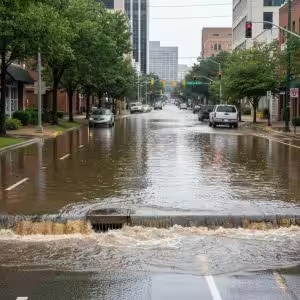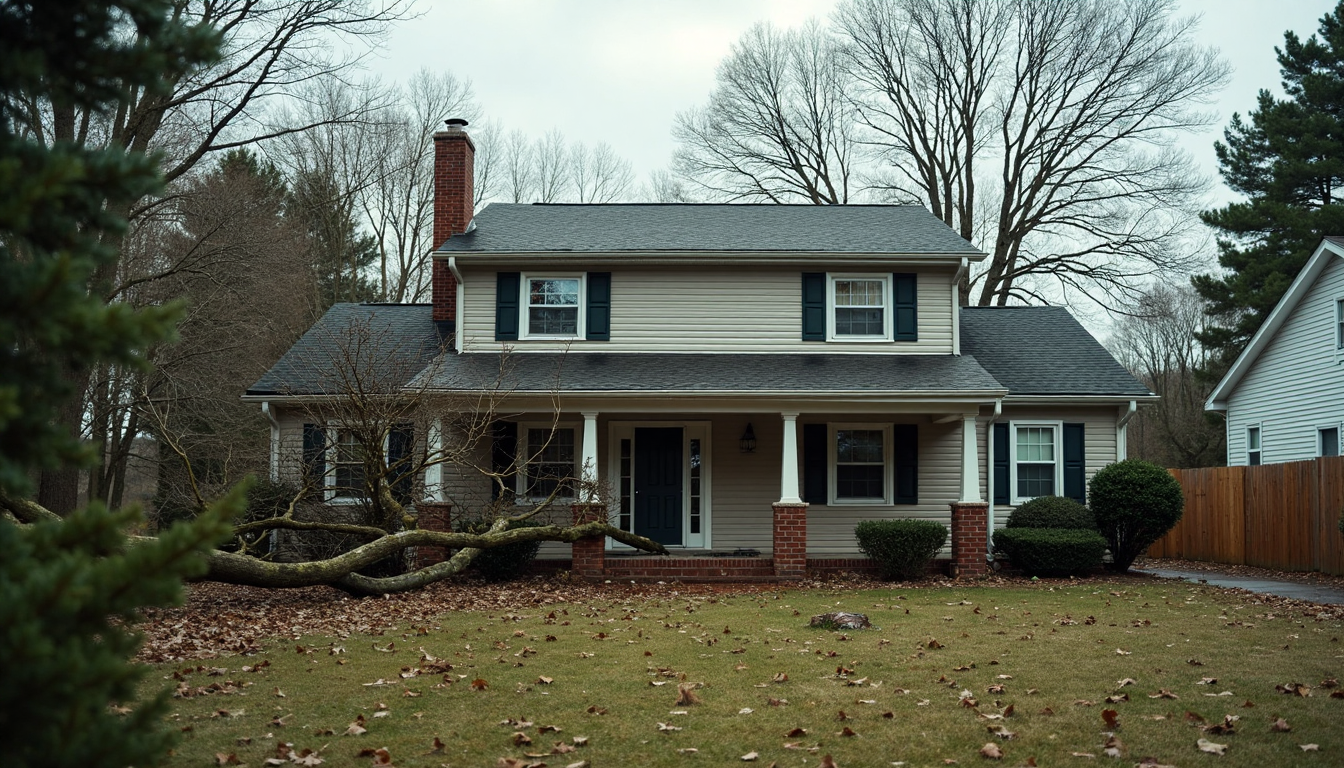
Charlotte property owners faced more than just fallen branches last year. North Carolina regulations require storm damage reports to be filed within an astonishing 72 hours after discovery. Yet, most people overlook one simple step that could make or break their insurance payout. Instead of scrambling for paperwork after disaster strikes, there is a structured way that can turn a chaotic claim into a documented success—and it is not what most expect.
Table of Contents
- Understanding Storm Damage Documentation Requirements
- Step-By-Step Guide To Recording Damage
- Best Practices For Filing Insurance Claims
- Legal Considerations For Charlotte Property Owners
Quick Summary
| Takeaway | Explanation |
|---|---|
| Comprehensive Documentation is Essential | Property owners must gather photographic evidence, professional assessments, and insurance documentation to support their storm damage claims effectively. |
| Timeliness in Reporting is Crucial | Initial damage reports must be submitted within 72 hours to meet legal and insurance requirements, ensuring potential claims are not compromised. |
| Understanding Insurance Coverage is Key | Review insurance policies closely to identify covered storm damage types, deductibles, and exclusions to navigate the claims process effectively. |
| Legal Protections and Rights Matter | Familiarize yourself with your legal rights concerning documentation, claim disputes, and available financial assistance programs tailored for storm recovery. |
Understanding Storm Damage Documentation Requirements
Documenting storm damage in Charlotte requires a systematic and thorough approach that protects your property rights and maximizes your insurance claim potential. Property owners must understand the critical documentation requirements that can make or break their recovery process.
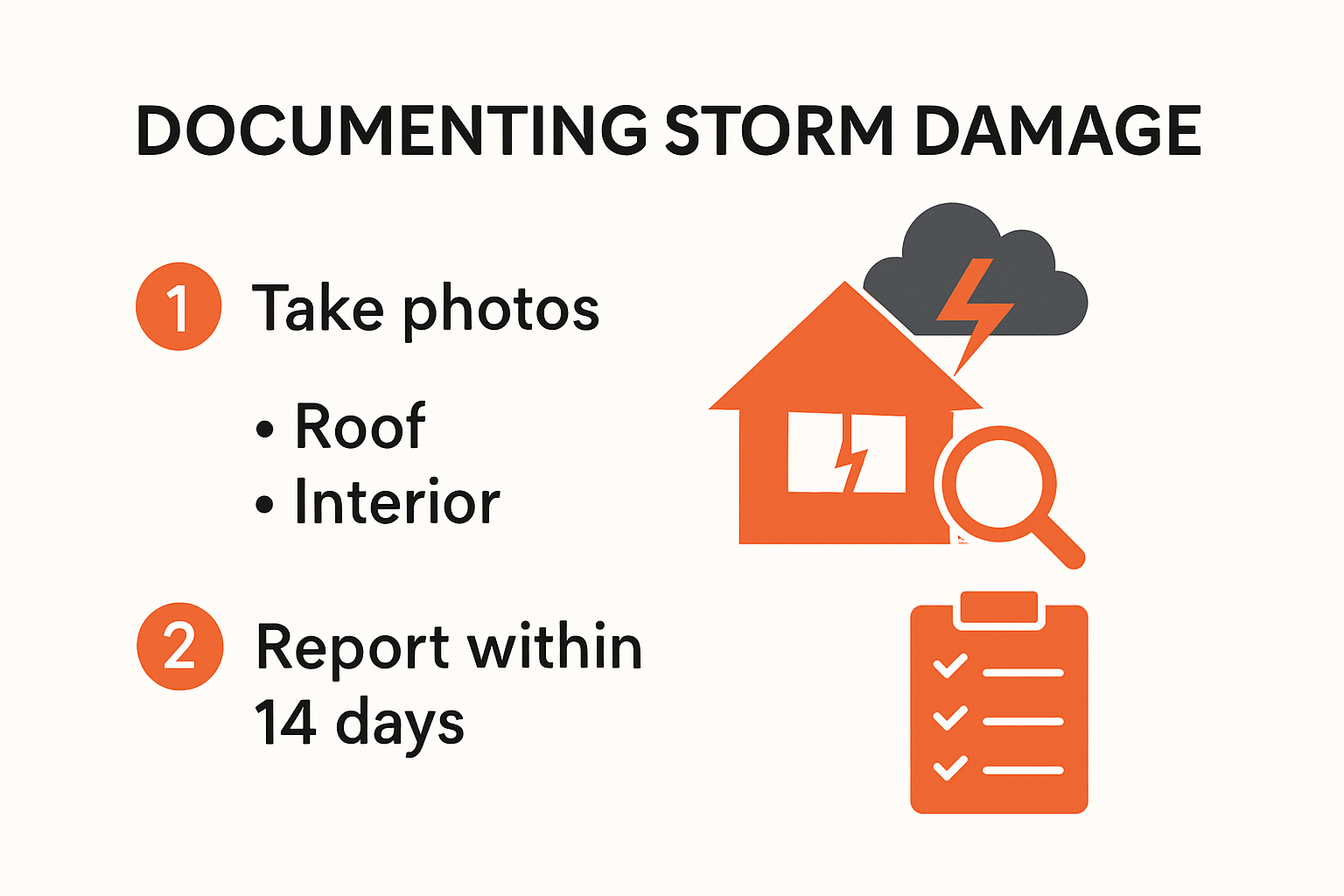
Essential Documentation Types for Storm Damage Claims
Comprehensive documentation is the backbone of a successful storm damage claim. Property owners must gather multiple forms of evidence to substantiate their insurance claim and demonstrate the extent of damage. According to North Carolina Recovery Resources, acceptable documentation includes insurance estimates, government documentation, construction permits, and dated post-disaster photographs.
The key documentation types include:
- Photographic Evidence: High-resolution images showing damage from multiple angles, including wide shots of the property and close-up details of specific damage areas.
- Professional Assessment Reports: Written evaluations from licensed contractors or damage assessment professionals.
- Insurance Claim Documentation: Detailed statements outlining the full scope of storm-related damage.
Preparing Your Comprehensive Damage Documentation
Successful documentation requires a methodical approach. Property damage experts recommend creating a sworn Proof of Loss statement that includes critical information such as:
- Exact date of storm damage
- Detailed description of damaged items and structures
- Estimated repair or replacement costs
- Additional living expenses if the property becomes uninhabitable
Property owners should create a digital and physical archive of all documentation. This includes keeping original photographs, repair estimates, contractor reports, and communication records with insurance providers. Timestamps and metadata on digital files can provide additional credibility to your claim.

Legal and Insurance Compliance Considerations
Navigating storm damage documentation goes beyond simple record-keeping. Property owners must understand the legal and insurance compliance requirements specific to Charlotte and North Carolina. Read our comprehensive guide on claim processing to ensure you meet all necessary documentation standards.
Time is critical when documenting storm damage. Most insurance policies require prompt reporting and documentation, typically within 30-60 days of the incident. Delays can potentially compromise your ability to receive full compensation. Professional documentation services can help streamline this process, ensuring all necessary evidence is collected professionally and systematically.
Remember that thorough, organized documentation is your primary tool in recovering from storm damage. Each photograph, estimate, and report builds a comprehensive narrative that supports your insurance claim and helps you restore your property efficiently.
Professional tip: Always make multiple copies of your documentation and store them in secure, separate locations to prevent potential loss or damage.
Step-by-Step Guide to Recording Damage
Recording storm damage requires a strategic and systematic approach that protects your property and maximizes your potential insurance recovery. This comprehensive guide will walk you through the critical steps of documenting damage professionally and effectively.
Initial Damage Assessment and Safety Precautions
Before beginning documentation, prioritize personal safety. Inspect your property only after official authorities confirm it is safe to return. Hurricane damage experts recommend taking immediate action while maintaining personal safety protocols.
When conducting your initial assessment, wear protective gear such as sturdy boots, gloves, and a hard hat. Look for structural damage, water intrusion, electrical hazards, and potential gas leaks. Take wide-angle photographs that capture the overall damage context, then focus on specific damaged areas.
Comprehensive Photographic and Written Documentation
Photographic evidence forms the cornerstone of your storm damage claim. According to property damage professionals, your documentation should include:
- Wide-angle property shots: Capturing entire damaged sections
- Close-up detailed images: Showing specific damage points
- Time-stamped photographs: Ensuring verifiable documentation
- Multiple angle perspectives: Demonstrating damage comprehensiveness
Create a detailed Damaged Property Inventory that includes:
- Item description
- Estimated age of item
- Approximate replacement cost
- Condition before and after the storm
Utilize digital tools to timestamp and geotag your photographs, adding an extra layer of verification to your documentation.
Filing and Reporting Procedures
Prompt communication with your insurance carrier is crucial. Insurance claim experts emphasize filing claims immediately after documenting damage. Prepare a comprehensive claim package that includes:
- Detailed photographic evidence
- Damaged property inventory
- Initial repair estimate from professional contractors
- Proof of property ownership
- Contact information for all involved parties
Consider creating both digital and physical copies of all documentation. Store digital files in cloud storage with multiple backups, and maintain physical copies in a waterproof, fireproof container.
Remember that thorough, organized documentation transforms a potentially stressful claims process into a structured path toward property restoration. Each carefully captured image and meticulously recorded detail strengthens your ability to recover and rebuild after storm damage.
Professional tip: Consider hiring a professional damage assessment expert who can provide an objective, detailed evaluation that significantly enhances your insurance claim’s credibility.
Best Practices for Filing Insurance Claims
Filing an insurance claim after storm damage can be a complex and challenging process. Understanding the right approach can significantly improve your chances of receiving fair compensation and expediting property restoration.
Understanding Your Insurance Policy Coverage
Before initiating a claim, thoroughly review your insurance policy. North Carolina insurance experts recommend carefully examining the declarations page to understand precisely what types of storm damage are covered. Most homeowners insurance policies have specific provisions for different storm-related damages, but coverage can vary significantly.
Key areas to focus on include:
- Specific storm damage types: Wind, hail, water intrusion
- Deductible amounts: Particularly hurricane or wind damage deductibles
- Coverage limits: Maximum payout for different types of damage
- Exclusions: Specific conditions not covered by your policy
According to policy analysts, North Carolina homeowners should be aware that hurricane deductibles can reach up to 5% of the insured property value, which can significantly impact out-of-pocket expenses.
Timely and Comprehensive Claim Submission
Time is critical when filing storm damage insurance claims. Most insurance providers in North Carolina require reporting within a strict 72-hour window after the damage occurs. Prepare a comprehensive claim package that includes:
- Detailed photographic evidence
- Professional damage assessment reports
- Itemized list of damaged property
- Repair cost estimates from licensed contractors
- Proof of property ownership
Professional tip: Create digital and physical copies of all documentation. Store digital files in secure cloud storage with multiple backups, and keep physical copies in a waterproof, fireproof container.
Navigating the Claims Process
Effective communication with your insurance carrier is crucial. Document every interaction, including:
- Date and time of communication
- Name of the representative you spoke with
- Key discussion points and agreements
- Follow-up actions required
Be prepared for the insurance adjuster’s visit. Have all your documentation organized and readily available. Insurance claim professionals suggest being present during the adjuster’s inspection to provide context and answer questions about the damage.
Remember that flood damage typically requires a separate National Flood Insurance Program policy. Standard homeowners insurance rarely covers flood-related damages, so review your additional coverage carefully.
Professional insight: Consider hiring a public insurance adjuster if you feel overwhelmed by the claims process. These professionals can help maximize your claim and navigate complex insurance requirements.
Ultimately, patience and thorough documentation are your best tools in successfully recovering from storm damage. Each carefully prepared document and strategic communication brings you closer to restoring your property and peace of mind.
Legal Considerations for Charlotte Property Owners
Navigation of legal complexities is crucial for Charlotte property owners dealing with storm damage. Understanding your legal rights, obligations, and potential protections can significantly impact your recovery and financial stability.
Statutory Reporting and Documentation Requirements
North Carolina insurance regulations mandate strict timelines for reporting storm damage. Property owners must submit initial damage reports within 72 hours of discovery, making prompt and accurate documentation legally essential. Failure to meet these reporting windows can potentially compromise insurance claims and legal recourse.
Key legal reporting requirements include:
- Immediate notification to insurance provider
- Comprehensive damage documentation
- Preservation of damaged property evidence
- Detailed record-keeping of all communications
Property owners should be aware that these reporting requirements serve multiple purposes. They protect both the property owner’s right to compensation and provide insurers with necessary information to process claims efficiently.
Tax Relief and Financial Protections
Storm damage can create significant financial strain, but legal mechanisms exist to provide relief. The Internal Revenue Service offers specialized tax provisions for areas declared federal disaster zones. These provisions can include:
- Extended tax filing deadlines
- Potential tax deductions for unrecovered storm damage
- Penalty and interest waivers for delayed financial submissions
- Simplified loss calculation methods
Additionally, Charlotte property owners might qualify for state-level financial assistance programs. Consult local government resources to understand specific relief options available in your area.
Legal Protections and Property Rights
Understanding your legal rights is paramount when addressing storm damage. Property owners should be prepared to:
- Document all interactions with insurance providers
- Understand policy language and coverage limitations
- Know rights regarding claim disputes
- Recognize potential legal recourse if claims are unfairly denied
Consider consulting with a local attorney specializing in property damage and insurance law. These professionals can provide tailored guidance specific to Charlotte’s legal landscape and help protect your interests throughout the recovery process.
Professional insight: Maintain a comprehensive file of all documentation, including photographs, repair estimates, communication logs, and official reports. This organized approach can be critical if legal disputes arise.
Remember that legal protections are designed to support property owners through challenging recovery periods. By understanding your rights, maintaining thorough documentation, and seeking appropriate professional guidance, you can navigate storm damage challenges more effectively and protect your property’s long-term value.
Frequently Asked Questions
What are the documentation requirements for storm damage in Charlotte, NC?
Property owners in Charlotte must document storm damage comprehensively, including photographic evidence, professional assessments, insurance documentation, and a detailed inventory of damaged items. It’s crucial to gather all relevant information promptly to protect your claim.
How quickly must I report storm damage to my insurance provider?
North Carolina regulations require property owners to submit initial storm damage reports within 72 hours after discovering the damage. Timely reporting is essential to ensure that your insurance claims are not compromised.
What should be included in my storm damage insurance claim?
A complete storm damage claim should include detailed photographic evidence, professional repair estimates, a property inventory with descriptions and values of damaged items, and proof of property ownership. Organizing these documents thoroughly can expedite the claims process.
Are there legal protections for property owners in Charlotte after storm damage?
Yes, property owners in Charlotte have legal rights regarding storm damage claims, including protections related to documentation and claim disputes. It’s important to understand your rights and consider consulting with a legal professional if you encounter issues with your insurance claim.
Turn Your Storm Damage Documentation into an Approved Claim—With NICS on Your Side
Feeling overwhelmed by the strict 72-hour reporting window, complex paperwork, and the risk of missing out on your insurance payout? When your home or business faces storm damage in Charlotte, every hour matters. In the guide above, you learned that proper photographic documentation, professional assessments, and timely submissions can mean the difference between a denied claim and a fast recovery. But understanding insurance policy fine print and handling all the requirements can leave anyone stressed and frustrated.
Let National Insurance Claim Specialist (NICS) help you avoid costly mistakes. We are not just storm repair experts—we are your advocates throughout the insurance journey. Our experienced team handles everything from damage documentation to claim negotiation, ensuring you get the full compensation you deserve. Ready to pass the burden to professionals who truly care about your recovery? Visit National Insurance Claim Specialist today to schedule your personalized assessment and take the first step toward a swift, stress-free restoration. Don’t wait—securing your proof and rights starts now.