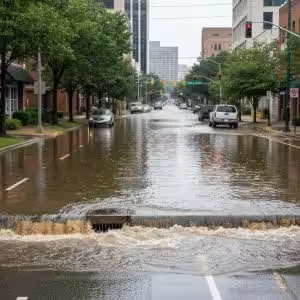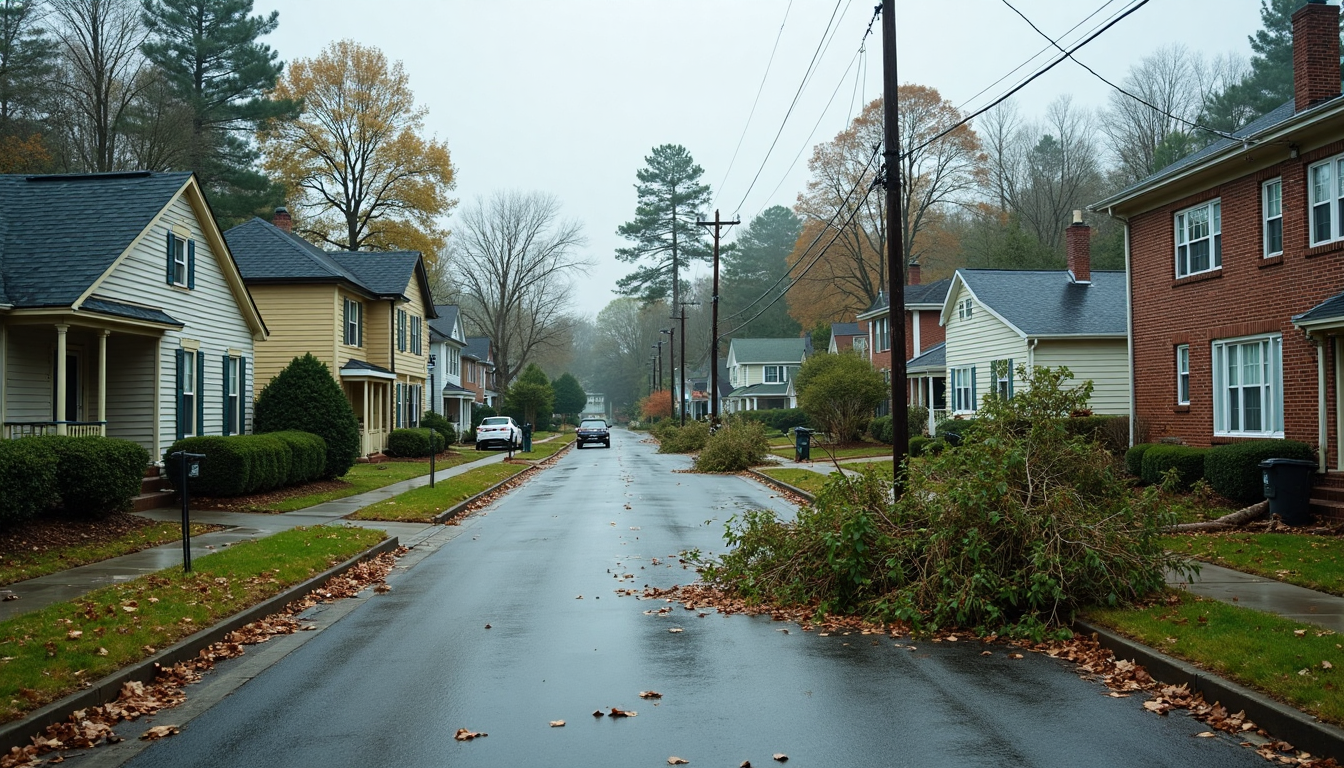
Charlotte homeowners face more than just broken fences and scattered debris each storm season. The real shock is that the average storm damage repair cost in Charlotte for 2025 now runs about $12,404, a number that keeps climbing every year. Most people rush to patch up what they can see. Here is where things get interesting. The biggest threat usually hides in plain sight—what you do not catch right after a storm will cost you far more down the road.
Table of Contents
- Identifying Common Types Of Storm Damage
- Step-By-Step Guide To Inspecting Your Property
- When To Call Insurance And Restoration Experts
- Tips For Documenting Damage For Claims And Legal Support
Quick Summary
| Takeaway | Explanation |
|---|---|
| Prioritize Safety Before Inspection | Ensure personal safety by waiting for official clearance and wearing protective gear like sturdy shoes and gloves during property inspection. |
| Immediate Documenting of Damage | Capture comprehensive visual evidence through photographs and videos illustrating damage to aid in insurance claims and restoration efforts after the storm. |
| Engage Professionals Promptly | Scheduling a professional damage assessment within 48 hours of storm damage helps identify hidden issues and supports efficient insurance claim processing. |
| Know When to Call Experts | Look for critical damage indicators such as extensive roof damage or visible structural shifts to determine when to contact insurance and restoration professionals for urgent assistance. |
| Utilize Detailed Written Records | Maintain meticulous documentation including damage descriptions, estimated repair costs, and professional inspection reports to strengthen insurance claims and potential legal support. |
Identifying Common Types of Storm Damage
Storm damage in Charlotte presents complex challenges for property owners, with various weather events capable of causing significant destruction. Understanding the specific types of damage helps homeowners and businesses quickly assess and respond to potential property risks.
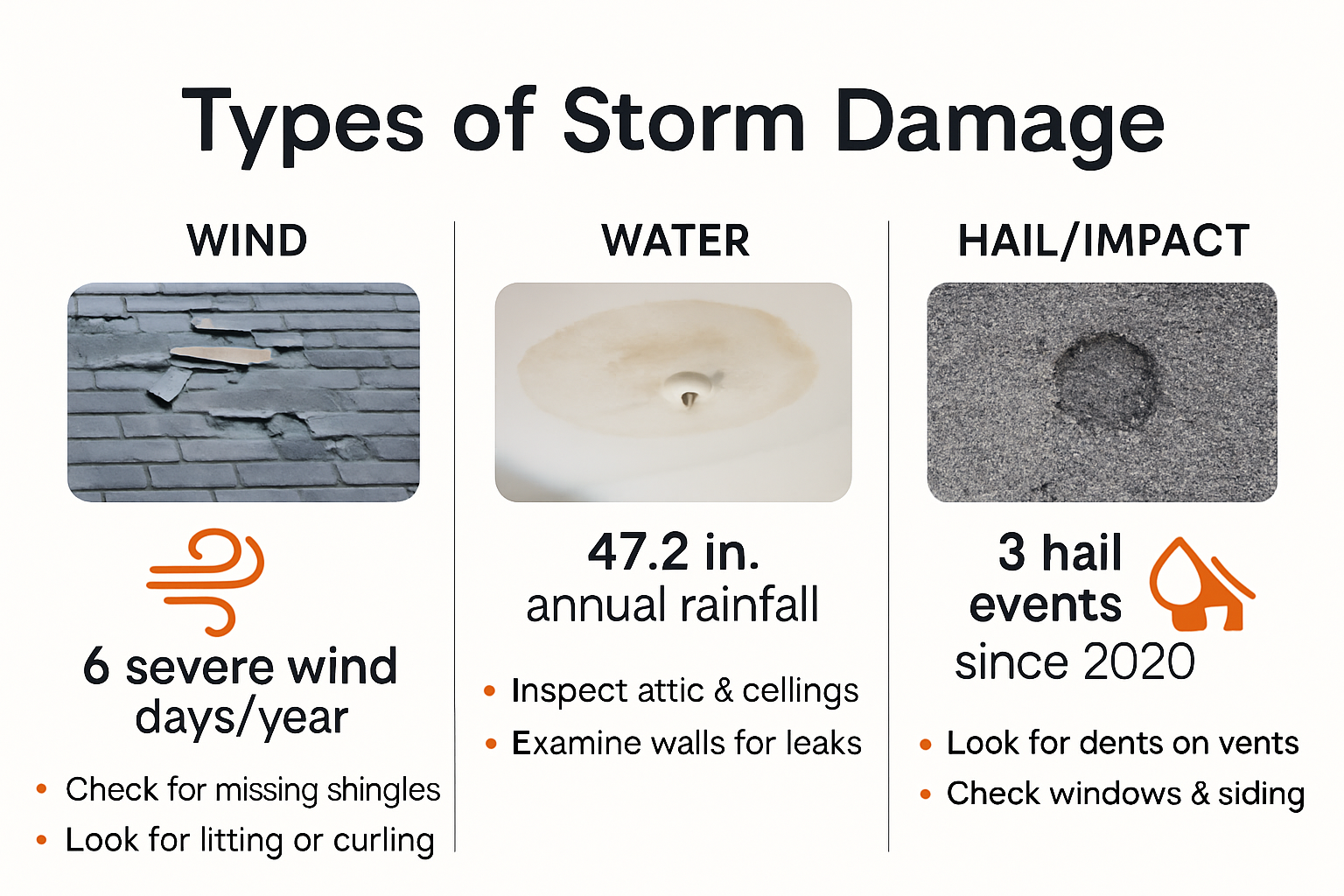
Wind Damage: The Silent Destroyer
Wind presents one of the most prevalent forms of storm damage in the Charlotte region. Strong winds can create catastrophic damage ranging from minor cosmetic issues to complete structural compromise. According to local weather experts, the Carolinas experience winds that can exceed 100 miles per hour during severe thunderstorms and tornadoes.
Wind damage typically manifests through:
- Roof shingle displacement: Winds can lift and tear away roofing materials
- Siding damage: Exterior walls may experience punctures or complete panel removal
- Structural stress: Window frames, doors, and architectural elements can warp or break
Property owners should conduct immediate visual inspections after wind events, checking for visible tears, missing components, and potential structural weakening. Professional assessment becomes critical when significant wind damage is suspected.
Water and Flooding: Hidden Destruction
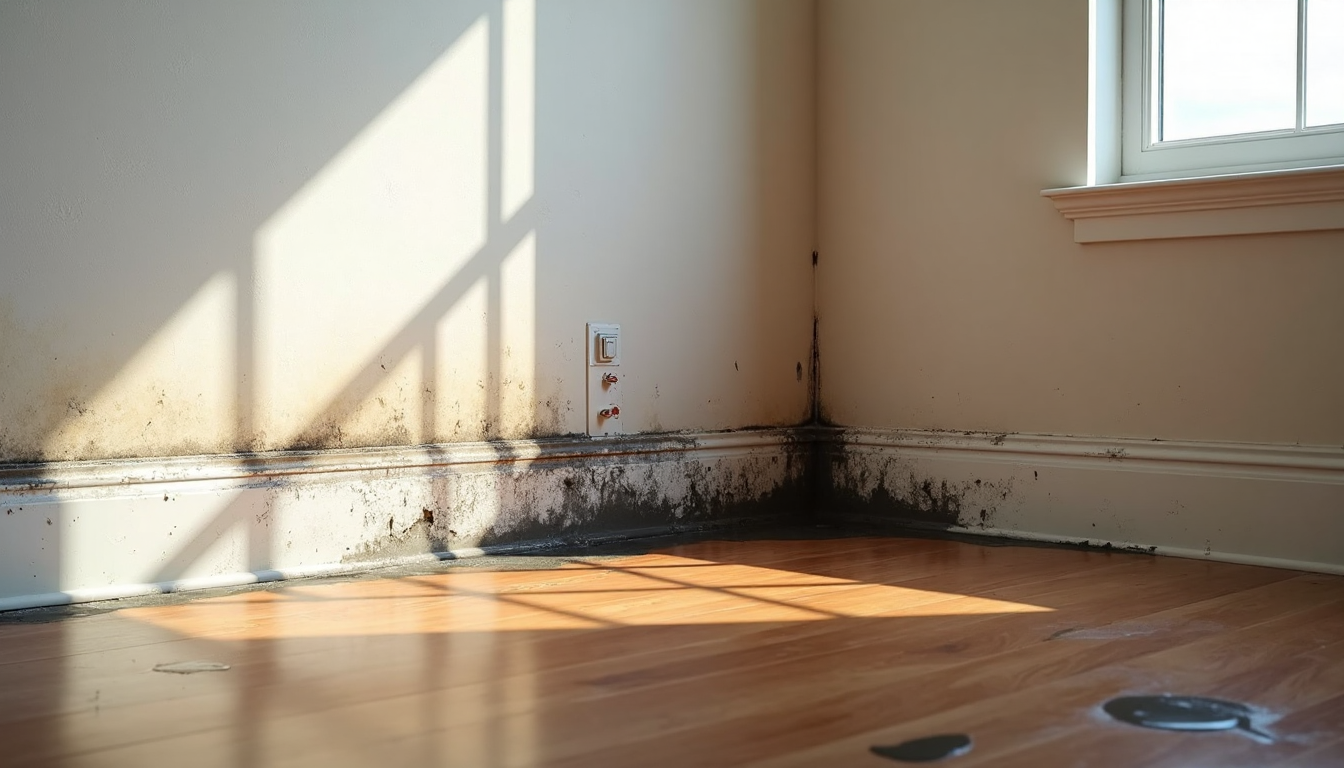
Freshwater flooding represents the most common and costly natural disaster in North Carolina. Water damage can rapidly compromise building integrity, creating long term structural and health risks. Water intrusion occurs through multiple mechanisms during storms including direct rainfall, ground saturation, and wind driven precipitation.
Key water damage indicators include:
- Interior wall discoloration: Staining or bubbling paint indicates moisture infiltration
- Wood warping: Floors, baseboards, and wooden structures show significant deformation
- Mold development: Moisture creates ideal conditions for rapid microbial growth
Hail and Impact Damage: Sudden Structural Challenges
Hailstorms pose unique risks to Charlotte properties. Research indicates that hail can cause extensive damage in mere minutes. Hailstones ranging from pea sized to golf ball dimensions can create punctures, cracks, and structural weaknesses across roofing, windows, and exterior surfaces.
Professional storm damage assessment becomes crucial after significant hail events. Impact damage might not be immediately visible to untrained eyes, requiring specialized inspection techniques. Property owners can learn more about comprehensive damage assessment with our guide on storm damage claims.
Understanding these damage types empowers Charlotte property owners to respond quickly and effectively when severe weather strikes. Prompt recognition and professional evaluation can significantly mitigate long term structural and financial risks associated with storm damage.
Step-by-Step Guide to Inspecting Your Property
Properly assessing storm damage requires a systematic and thorough approach that protects both your property and potential insurance claims. FEMA recommends using Preliminary Damage Assessment (PDA) procedures to ensure comprehensive property evaluation after severe weather events.
Safety First: Preparing for Property Inspection
Before beginning any damage assessment, prioritize personal safety. Wait until local authorities confirm it is safe to return to your property. Wear protective gear including sturdy shoes, gloves, and a hard hat if structural damage is evident. Electrical hazards, unstable structures, and potential debris pose significant risks during initial inspections.
Essential safety equipment includes:
- Protective footwear: Prevent injury from sharp debris or unstable surfaces
- Work gloves: Protect hands during detailed inspection
- Flashlight: Illuminate dark or damaged areas
- First aid kit: Address potential minor injuries immediately
Documentation becomes critical during this process. The average storm damage repair cost in Charlotte in 2025 is approximately $12,404, making comprehensive evidence collection essential for insurance claims and potential restoration efforts.
Systematic Property Damage Documentation
A methodical approach to documenting storm damage maximizes your ability to recover costs and demonstrate the full extent of destruction. Begin with a comprehensive photographic and video record of all damaged areas. Capture wide angle shots showing overall property condition and close up images highlighting specific damage points.
Key documentation strategies include:
- Photographic evidence: Take multiple angles of each damaged area
- Video walkthrough: Create a continuous recording showing damage progression
- Written descriptions: Note specific damage characteristics and potential causes
- Measurement documentation: Record dimensions of damaged areas
Professional disaster recovery experts recommend creating a detailed damage log that includes:
- Date and time of initial damage observation
- Specific location of damage
- Estimated extent of destruction
- Potential repair requirements
- Preliminary cost estimates
Professional Damage Assessment Techniques
While initial self inspection provides crucial information, professional assessment offers comprehensive damage evaluation. Trained experts utilize specialized equipment to detect hidden structural issues that might escape untrained observation.
Professional inspectors typically evaluate:
- Roof structural integrity
- Foundation and wall stability
- Hidden water damage
- Electrical system vulnerabilities
- Potential mold development zones
Scheduling a professional inspection within 48 hours of the storm ensures accurate damage assessment and prevents potential secondary damage from developing. Insurance companies often require professional documentation to process claims effectively.
Careful documentation and systematic inspection protect property owners from unexpected financial burdens and ensure comprehensive recovery after storm events. By following these strategic steps, Charlotte residents can navigate storm damage assessment with confidence and precision.
When to Call Insurance and Restoration Experts
Navigating the aftermath of storm damage requires strategic timing and professional intervention. The average storm damage repair cost in Charlotte in 2025 is approximately $12,404, highlighting the critical importance of understanding precisely when to engage insurance and restoration professionals.
Immediate Post-Storm Assessment Triggers
Recognizing the right moment to contact experts can significantly impact your property’s recovery and financial outcomes. Certain damage indicators demand immediate professional attention. Structural compromise, extensive water intrusion, electrical system damage, and potential safety hazards warrant urgent expert intervention.
Critical signs requiring immediate professional assessment include:
- Visible structural shifting: Walls leaning or foundation cracks
- Extensive roof damage: Large sections of missing shingles or visible structural penetration
- Electrical system compromise: Exposed wiring or potential circuit damage
- Significant water infiltration: Standing water or widespread moisture damage
Property owners should document all observable damage through photographs and written descriptions before expert arrival. Comprehensive documentation supports more effective claim processing and ensures accurate damage evaluation.
Insurance Claim Initiation Protocol
Contacting your insurance provider represents a critical step in storm damage recovery. Timing and preparation determine the effectiveness of your claim. Most insurance policies require prompt reporting of damage, typically within 24 to 72 hours after the storm event.
Recommended steps for insurance communication include:
- Immediate damage documentation: Capture comprehensive visual evidence
- Policy review: Understand specific coverage details
- Detailed damage report: Provide clear, concise information about observed destruction
- Professional inspection scheduling: Coordinate expert assessment
Learn more about navigating the insurance claim process with our comprehensive guide, which offers step-by-step insights into maximizing your potential recovery.
Professional Restoration Expert Selection
Choosing the right restoration professionals requires careful consideration. Look for certified experts with specific experience in storm damage recovery. Qualified professionals should provide comprehensive services including damage assessment, mitigation, restoration, and insurance claim support.
Key criteria for selecting restoration experts:
- Proper certification: Industry recognized credentials
- Local experience: Understanding of Charlotte specific weather challenges
- Comprehensive service offerings: Full damage assessment and restoration capabilities
- Insurance claim expertise: Ability to support complex recovery processes
Understanding the significance of professional restoration services can dramatically improve your property’s recovery trajectory. Experts not only repair physical damage but also help prevent long-term structural complications.
Storm damage recovery demands a strategic approach. By recognizing critical damage indicators, initiating timely insurance communication, and selecting qualified restoration professionals, Charlotte property owners can effectively navigate the complex post-storm recovery landscape. Swift, informed action protects both property value and personal safety.
Tips for Documenting Damage for Claims and Legal Support
FEMA recommends comprehensive documentation as the cornerstone of successful storm damage recovery. Proper documentation serves multiple critical purposes including insurance claims, potential legal support, and disaster relief assistance.
Creating Comprehensive Visual Evidence
Visual documentation represents the most powerful tool in storm damage assessment. High quality photographs and videos provide irrefutable evidence of destruction that written descriptions cannot fully capture. Professional insurance adjusters and legal experts rely heavily on visual records to evaluate damage extent and potential compensation.
Essential visual documentation strategies include:
- Wide angle photographs: Capture entire property perspectives
- Close up images: Highlight specific damage details
- Chronological video walkthrough: Document damage progression
- Time stamped recordings: Verify documentation date and time
Utilize high resolution cameras or smartphones with excellent image quality. Ensure lighting conditions are clear and natural, avoiding flash which might obscure subtle damage indicators. Learn more about effectively filing damage claims with our comprehensive guide.
Detailed Written Documentation Protocols
Written documentation complements visual evidence by providing context, specifics, and professional assessment insights. A structured damage report should include comprehensive information that supports insurance and potential legal proceedings.
Critical written documentation components:
- Precise damage descriptions: Detailed narrative of observed destruction
- Estimated repair cost ranges: Professional assessment of potential restoration expenses
- Chronological event timeline: Specific storm date and damage discovery information
- Professional inspection reports: Expert evaluations of structural compromise
Property owners should maintain meticulous records including:
- Original insurance policy documents
- Professional inspection reports
- Repair estimates
- Communication logs with insurance representatives
Professional Assessment and Legal Considerations
Engaging professional damage assessment experts provides critical support for comprehensive documentation. Storm damage recovery professionals understand nuanced documentation requirements that significantly impact claim success rates.
Key professional documentation strategies:
- Certified damage assessment: Expert evaluation with professional credentials
- Detailed structural analysis: Comprehensive damage investigation
- Technical reporting: Scientifically supported damage documentation
- Insurance claim support: Professional guidance through complex claim processes
Consider scheduling professional inspections within 48 hours of storm damage discovery. Rapid documentation prevents potential secondary damage and strengthens insurance claim validity.
Effective storm damage documentation requires strategic planning, technological tools, and professional expertise. By combining thorough visual evidence, precise written records, and professional assessments, Charlotte property owners can protect their assets and maximize potential recovery resources.
Frequently Asked Questions
What are the common types of storm damage in Charlotte?
Storm damage in Charlotte typically includes wind damage, water and flooding damage, and hail impact damage. Each type can cause significant destruction that may not always be immediately visible.
How do I safely inspect my property for storm damage?
Before inspecting your property, wait for official clearance to return and wear protective gear like sturdy shoes, gloves, and a hard hat. Use a systematic approach to document any damage you observe.
When should I contact insurance and restoration professionals after a storm?
You should contact insurance and restoration professionals immediately after observing significant damage, such as structural shifts, extensive water infiltration, or severe roof damage. Timely communication can greatly impact the recovery process.
What should I document for my insurance claim after storm damage?
For an effective insurance claim, document the damage with high-quality photographs and videos, maintain written descriptions of the damage, and keep records of professional assessments and repair estimates. Comprehensive documentation supports your claim and facilitates the recovery process.
Get Rapid, Expert Help for Your Charlotte Storm Damage
After reading about the rising storm damage repair costs in Charlotte and how hidden issues can spiral out of control, you know just how much is at stake. If you are worried about overlooked damage, unsure how to document your losses, or feeling lost in the insurance maze, you are not alone. Even the most thorough DIY inspections often miss critical signs or fall short on the extensive documentation insurers demand.
You deserve support you can trust. National Insurance Claim Specialist (NICS) specializes in disaster recovery and insurance claims just for situations like yours. We combine technical expertise with a compassionate touch to make sure you do not leave money on the table. Ready to protect your home, your investment, and your peace of mind? Let the licensed experts at National Insurance Claim Specialist take care of the inspection, documentation, and negotiation. Start your recovery process now, and restore your property fully before hidden damage turns into bigger expenses.