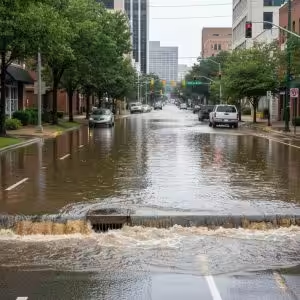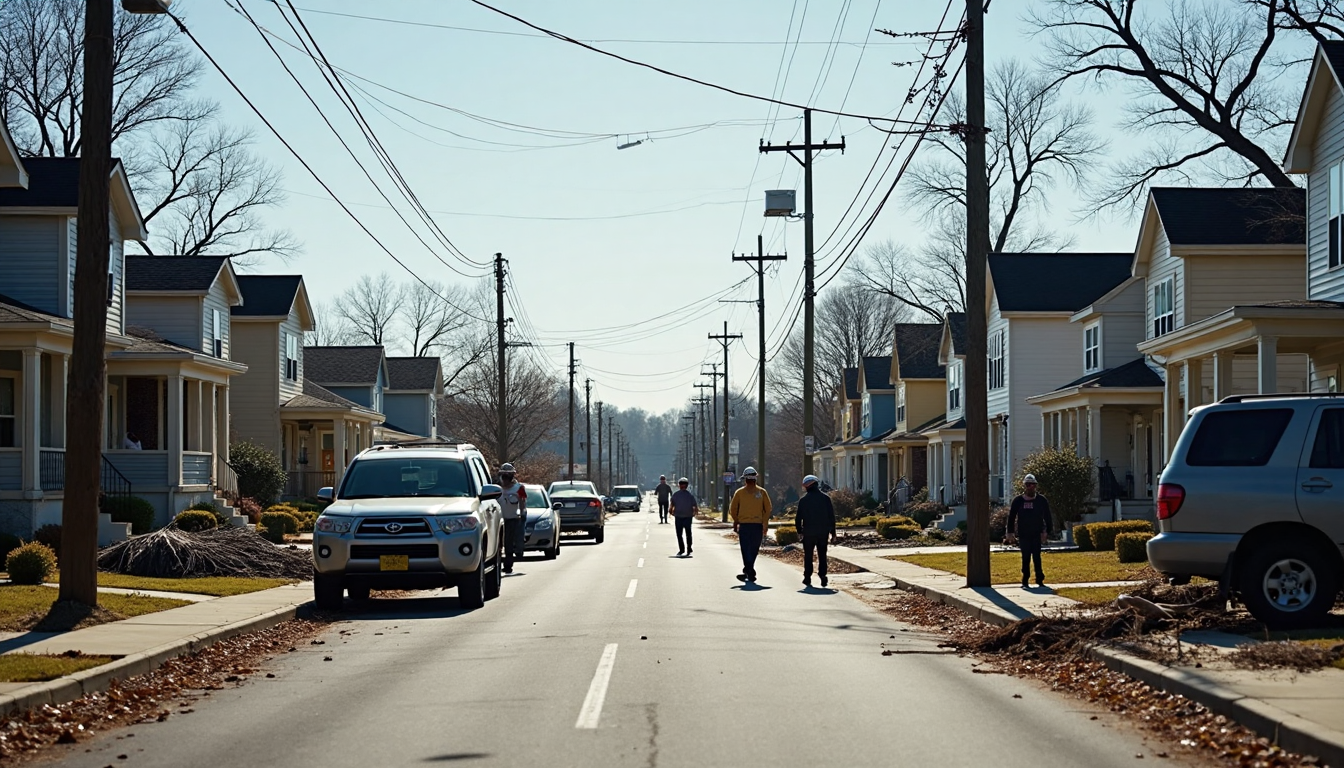
Charlotte property owners face the reality that natural disasters are not rare events. In fact, North Carolina received $500 million in 2025 alone for hurricane disaster recovery, a staggering sum that shows just how serious the threat is. Surprising, though, most people think rebuilding is only about fixing the structure. The real challenge lies in navigating insurance claims, securing financial help, and making smarter upgrades that prevent the next big loss. That hidden side of recovery can make or break your chances of a full comeback.
Table of Contents
- Understanding Disaster Recovery In Charlotte
- Key Steps For Rebuilding Homes And Businesses
- Insurance Claims And Legal Considerations
- Building Stronger For Future Protection
Quick Summary
| Takeaway | Explanation |
|---|---|
| Thorough Damage Assessment | Conduct a detailed initial damage assessment and document all destruction with photographs, videos, and written descriptions to support recovery efforts and insurance claims. |
| Understand Insurance Coverage | Property owners must carefully review their insurance policies for coverage specifics, including limits and exclusions, to effectively navigate claims and maximize compensation. |
| Implement Resilient Construction Strategies | Focus on resilient construction methods like elevated foundations and impact-resistant materials to enhance property durability against future disasters, while potentially lowering insurance costs. |
| Leverage Financial Resources | Utilize federal and state support, including grants and low-interest loans, to assist with recovery and reconstruction efforts following a disaster. |
| Maintain Detailed Documentation | Keep comprehensive records of damage and repairs, including costs and communications with insurance providers, to facilitate a smoother claims process and ensure fair compensation. |
Understanding Disaster Recovery in Charlotte
Disaster recovery in Charlotte represents a critical process of rebuilding and restoration after catastrophic events that can devastate property and community infrastructure. The comprehensive recovery strategies require strategic planning, financial resources, and coordinated community efforts.
The Landscape of Disaster Risks in Charlotte
Charlotte faces multiple disaster scenarios that can trigger extensive property damage. Hurricanes, severe thunderstorms, flooding, and occasional winter storms pose significant threats to residential and commercial properties. According to the North Carolina Department of Commerce, the state has developed comprehensive action plans to address these challenges.
The Disaster Recovery Act of 2025 represents a pivotal moment for Charlotte property owners. With $500 million allocated from NC Innovation to the Hurricane Helene Disaster Recovery Fund, property owners have unprecedented support for rebuilding efforts. Specifically, $464.75 million is directed toward disaster recovery and mitigation strategies, including critical grants for infrastructure repair and environmental quality restoration.
Financial and Regulatory Support for Recovery
Property owners in Charlotte can access multiple recovery resources. The U.S. Department of Housing and Urban Development (HUD) has approved North Carolina’s comprehensive disaster recovery plan, which provides structured support for affected communities. This includes:
- Grant Opportunities: Financial assistance for property repairs and reconstruction
- Infrastructure Restoration: Funding for community-wide infrastructure improvements
- Environmental Mitigation: Resources to address long-term environmental impacts
Navigation of these complex recovery processes requires understanding local regulations, insurance requirements, and available government support. Property owners must document damage thoroughly, work closely with insurance providers, and leverage state and federal recovery programs.
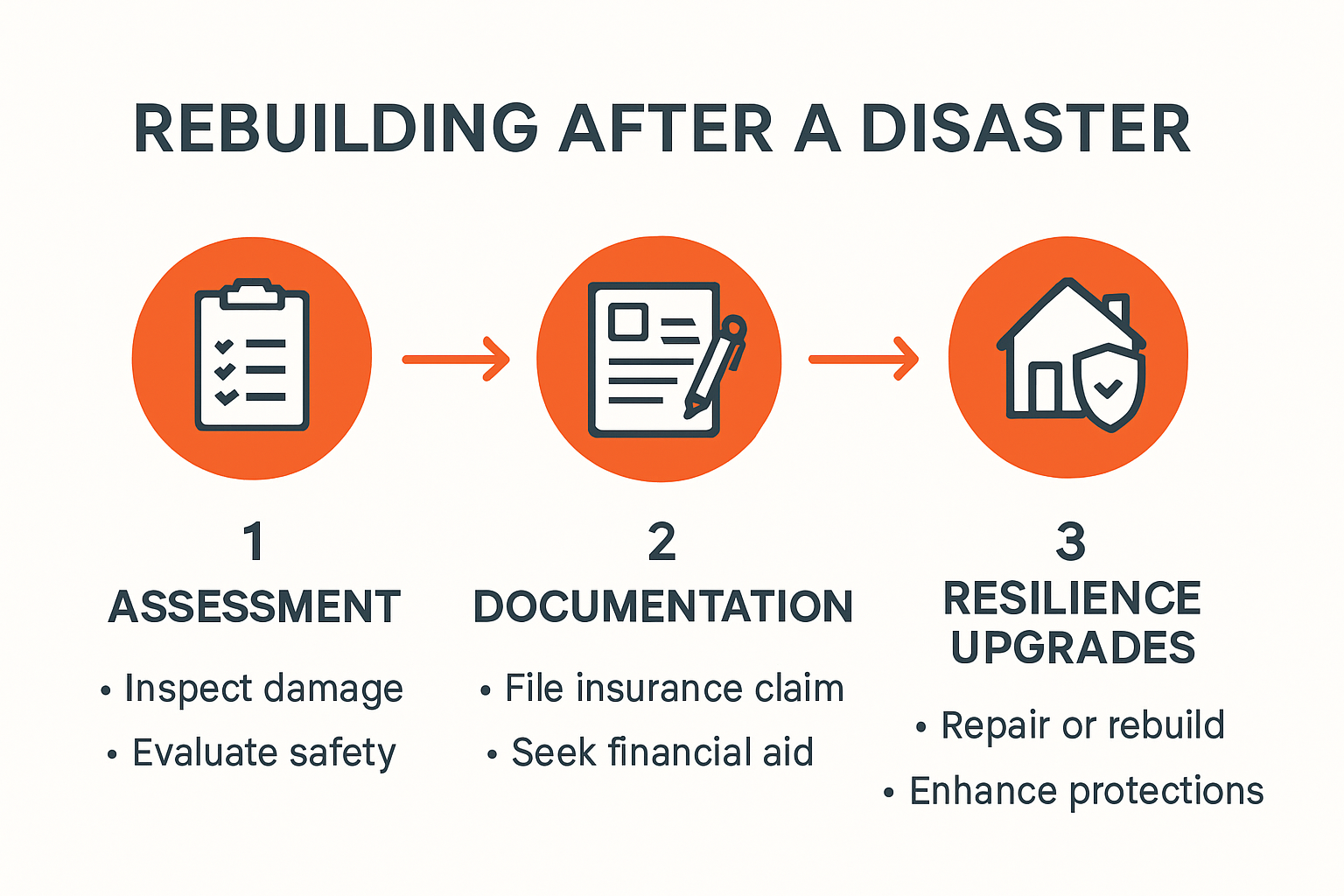
Successful rebuilding after disaster demands a strategic approach. Property owners must assess structural damage, understand insurance coverage, secure necessary permits, and work with qualified restoration professionals. The recovery journey is not just about physical reconstruction but also about rebuilding community resilience and preparing for future potential disasters.
Key Steps for Rebuilding Homes and Businesses
Rebuilding after a disaster requires a strategic and methodical approach for Charlotte property owners. The recovery process involves multiple critical stages that demand careful planning, documentation, and collaboration with various stakeholders. Comprehensive restoration services play a crucial role in guiding property owners through this challenging journey.
Initial Damage Assessment and Documentation
The first critical step in rebuilding is conducting a thorough damage assessment. Property owners must meticulously document all destruction using photographs, videos, and detailed written descriptions. According to the ReBuild NC program, comprehensive documentation is essential for accessing state and federal recovery resources.
Key documentation elements include:
- Structural damage photographs
- Inventory of lost or damaged personal property
- Repair and replacement cost estimates
- Insurance policy information
- Utility damage reports
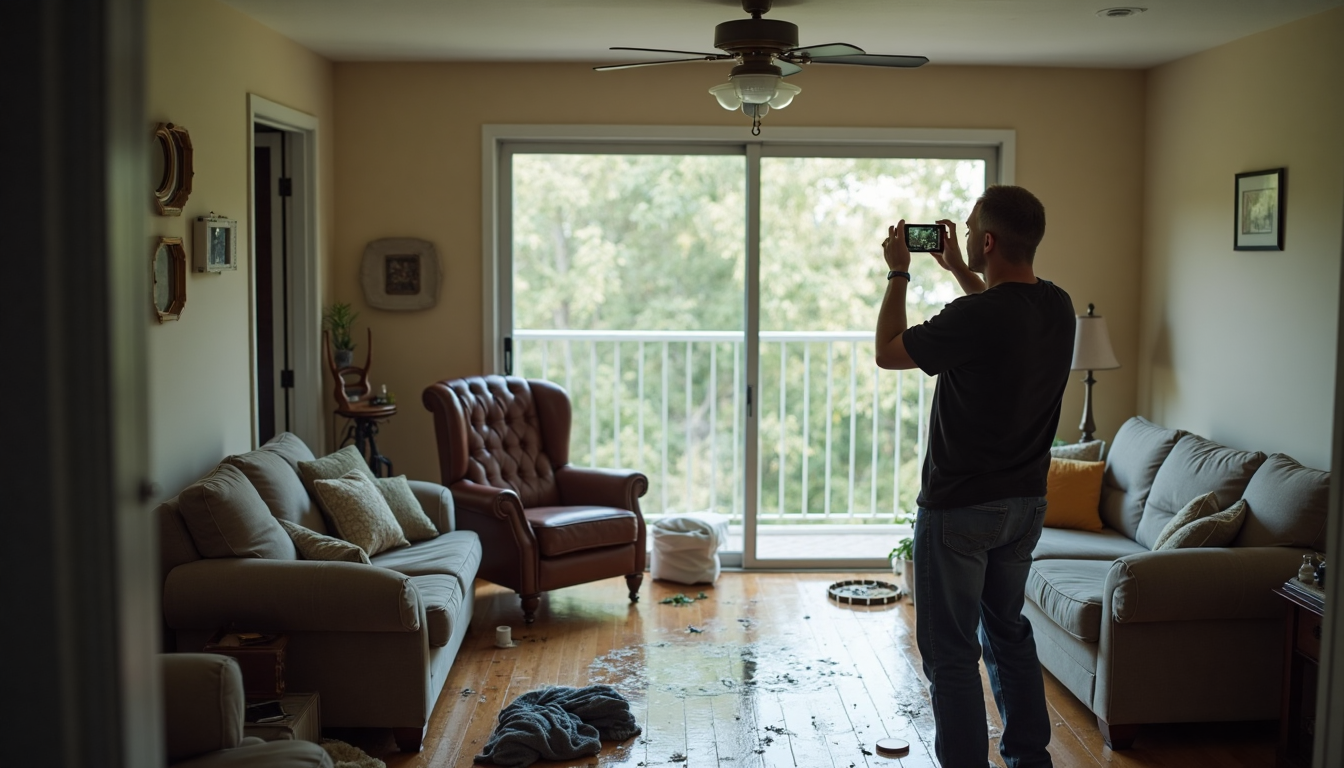
Property owners should file official damage reports with the City of Charlotte’s Emergency Management office. This documentation serves as a critical foundation for insurance claims, government assistance applications, and recovery planning.
Insurance and Financial Recovery Strategies
Navigating insurance claims and financial recovery represents a complex but essential phase of rebuilding. Property owners must carefully review their insurance policies, understanding coverage limits, deductibles, and specific disaster-related provisions. Professional public adjusters can provide invaluable assistance in maximizing insurance claim settlements.
Financial recovery strategies include:
- Contacting insurance providers immediately after disaster
- Obtaining multiple repair and replacement estimates
- Exploring government disaster assistance programs
- Investigating low-interest disaster recovery loans
- Maintaining detailed financial records of all expenses
Reconstruction and Resilience Planning
Successful rebuilding goes beyond immediate repairs. Charlotte property owners must develop comprehensive reconstruction plans that not only restore damaged structures but also enhance future resilience. This approach involves working with licensed contractors, understanding local building codes, and implementing disaster-mitigation strategies.
Resilience planning considerations include:
- Upgrading building materials for enhanced durability
- Implementing flood-resistant construction techniques
- Installing enhanced drainage systems
- Reinforcing structural elements
- Incorporating advanced weatherproofing technologies
Property owners should prioritize working with restoration professionals who understand local building regulations and can guide them through complex rebuilding processes. The goal is not just to restore properties to their previous condition but to create more robust, sustainable structures capable of withstanding future potential disasters.
By following a systematic approach to rebuilding, Charlotte property owners can effectively navigate the challenging aftermath of a disaster. Patience, thorough documentation, strategic planning, and professional guidance are key to successful recovery and long-term resilience.
Insurance Claims and Legal Considerations
Navigating insurance claims and legal considerations after a disaster can be a complex and challenging process for Charlotte property owners. Understanding the intricacies of insurance policies, claim procedures, and potential legal protections is crucial for successful recovery. Mastering the claim process requires careful preparation, detailed documentation, and strategic approach.
Understanding Insurance Policy Coverage
Insurance policies vary significantly in their disaster coverage, making it essential for property owners to thoroughly review their specific policy details. Homeowners and business owners should carefully examine their insurance contracts, paying close attention to:
- Specific disaster types covered
- Coverage limits and deductibles
- Exclusions and special conditions
- Time limitations for filing claims
- Additional living expense provisions
Property owners should contact their insurance provider immediately after a disaster to initiate the claims process. Professional public adjusters can provide valuable assistance in interpreting complex policy language and ensuring comprehensive claim documentation.
Legal Protections and Rights
Charlotte property owners have specific legal protections during the disaster recovery process. State and federal laws provide various safeguards to protect property owners from unfair insurance practices and ensure reasonable compensation for disaster-related damages.
Key legal considerations include:
- Statute of limitations for filing insurance claims
- Consumer protection laws governing insurance settlements
- Rights to dispute insurance claim assessments
- Protection against insurance bad faith practices
- Potential legal recourse for inadequate claim settlements
Consulting with a local attorney specializing in insurance law can help property owners understand their rights and develop effective strategies for navigating complex claim processes.
Documenting and Supporting Your Claim
Successful insurance claims require meticulous documentation and strategic presentation of damage evidence. Property owners should create comprehensive records that include:
- Detailed photographic and video evidence of damage
- Professional damage assessment reports
- Repair and replacement cost estimates
- Inventory of lost or damaged property
- Contemporaneous repair and restoration receipts
- Communication records with insurance providers
Timely and thorough documentation increases the likelihood of a fair and comprehensive insurance settlement. Property owners should maintain organized records and be prepared to provide extensive evidence supporting their claim.
The insurance claims process following a disaster can be overwhelming. Property owners in Charlotte must approach this challenge with patience, persistence, and a strategic mindset. By understanding their policy, knowing their legal rights, and maintaining detailed documentation, they can effectively navigate the complex landscape of insurance claims and recovery.
Building Stronger for Future Protection
Building stronger for future protection represents a critical strategy for Charlotte property owners seeking to mitigate potential disaster risks. With the current challenges in building code implementation, property owners must take proactive steps to enhance their structures’ resilience and protect their investments.
Resilient Construction Strategies
Resilient construction goes beyond meeting minimum building code requirements. Property owners should consider advanced techniques and materials that provide enhanced protection against potential disasters. According to research on climate resilience, voluntary upgrades can significantly reduce future damage risks and potentially lower long-term insurance costs.
Key resilient construction strategies include:
- Elevated foundation designs for flood-prone areas
- Impact-resistant roofing materials
- Enhanced wind-resistant framing techniques
- Improved drainage and water management systems
- Fire-resistant exterior materials
- Reinforced structural connections
These strategies become particularly crucial given that North Carolina has delayed implementation of its updated 2024 State Building Code. This delay means property owners must take individual initiative to incorporate advanced protective measures.
Financial Implications of Resilient Construction
Investing in resilient construction offers significant financial benefits. The potential cost savings extend beyond immediate damage prevention. Research indicates that properties with enhanced resilience features can experience:
- Reduced insurance premiums
- Lower long-term maintenance costs
- Increased property value
- Better marketability
- Potential access to disaster mitigation incentives
The economic impact is substantial. North Carolina has missed out on an estimated $70 million in federal FEMA funds due to outdated building standards. Property owners who proactively implement resilient construction techniques can potentially offset these broader economic challenges.
Technology and Innovation in Disaster-Resistant Design
Emerging technologies are revolutionizing disaster-resistant construction. Advanced materials and design techniques now offer unprecedented levels of protection. Smart home technologies, advanced sensors, and innovative building materials provide property owners with new tools for mitigating disaster risks.
Considerations for technology-enhanced resilience include:
- Integrated moisture detection systems
- Advanced weather monitoring equipment
- Smart foundation and structural monitoring technologies
- Automated emergency response systems
- Adaptive building materials with self-healing properties
Property owners in Charlotte must view resilient construction as an investment rather than an expense. By adopting forward-thinking strategies, implementing advanced technologies, and exceeding minimum building standards, they can create structures that not only withstand potential disasters but also provide long-term security and peace of mind.
The future of property protection lies in proactive, innovative approaches that anticipate and mitigate potential risks. Charlotte property owners who embrace these principles will be best positioned to protect their investments and ensure community resilience.
Frequently Asked Questions
What should I do first after a disaster in Charlotte?
After a disaster, the first step for property owners in Charlotte is to conduct a thorough damage assessment. Document all damage with photographs and written descriptions, and file official reports with local emergency management authorities. This documentation is crucial for insurance claims and recovery assistance.
How can I maximize my insurance claim after a disaster?
To maximize your insurance claim, carefully review your policy for coverage specifics, including limits and exclusions. Document all damages comprehensively and seek estimates for repairs from multiple contractors. Consider hiring a public adjuster to assist in navigating the claims process and ensure you receive a fair settlement.
What financial resources are available for rebuilding in Charlotte?
Charlotte property owners can access various financial resources for rebuilding, including federal and state grants, low-interest loans, and disaster recovery programs through agencies like HUD. It’s important to understand the eligibility criteria and application processes for these resources to secure funding for repairs and reconstruction.
How can I make my property more resilient to future disasters?
You can enhance your property’s resilience by implementing advanced construction techniques, such as using impact-resistant materials and elevating foundations in flood-prone areas. Stay informed about building codes and consider investing in technology that monitors and mitigates disaster risks to strengthen your property’s long-term durability.
Need Real Help Rebuilding? Turn Knowledge Into Action With Expert Support
Reading about disaster recovery is only the beginning. When you face the massive challenge of damage assessment, confusing insurance policies, and long-term property resilience, the overwhelm is real. You want detailed documentation, a fair insurance payout, and the confidence your rebuild will withstand the next storm. But getting everything right in the middle of chaos can feel impossible when you have questions about your insurance policy or struggle with navigating complex recovery programs.
You do not have to take this journey alone. The National Insurance Claim Specialist (NICS) team has helped Charlotte homeowners and businesses recover from hurricanes, floods, and fires while maximizing their insurance claims. If you are ready to turn the article’s strategies into real results, get expert guidance with every step and protect your peace of mind. Contact NICS today and let our professionals secure the compensation and recovery your property deserves. There is no better moment to act than now, before small mistakes delay your comeback.
Recommended Articles
- Charlotte Restoration: Find Top Disaster Recovery Services
- Rebuilding Lives: Understanding the Significance of Restoration Services After a Disaster – Fire Damage Repair and Water Damage Repair Charlotte NC
- Expert Fire Damage Restoration Services – Fire Damage Repair and Water Damage Repair Charlotte NC