How to Understand Fire Damage Insurance Policies
Introduction
Fire damage insurance policies protect homeowners and business owners from significant losses caused by fire incidents. When a fire strikes, the resulting damage can be both emotionally and financially overwhelming. In such cases, timely fire damage restoration charlotte nc can help mitigate further losses. Understanding these policies is essential to ensure that losses can be recovered and that any gaps in coverage are identified. This article provides a comprehensive resource that explains what fire damage insurance covers, its exclusions, and the steps to file a claim. It is especially useful for property owners in the Charlotte, NC area and similar regions, where reliable information is needed to guide restoration and emergency services decisions. For personalized assistance and inquiries, please contact us.
By defining key terms, outlining policy documents, and detailing the claim process, this guide equips policyholders with the knowledge needed to navigate property insurance claims confidently. Clear and transparent communication, robust documentation, and an understanding of policy nuances are vital to prevent disputes with insurers and potential claim denials.
What Does Fire Damage Insurance Cover?
Fire damage insurance typically covers losses that occur directly because of a fire. This includes damage to the building’s structure, personal belongings, and additional recovery expenses. Many policies also cover smoke, soot, and water damage incurred during firefighting and offer reimbursement for temporary housing if the property becomes uninhabitable.
Which Types of Damage Are Included in Fire Insurance Coverage?
In addition to fire itself, many policies extend coverage to damages caused by smoke and water used in extinguishing the fire. For example, extensive smoke damage that renders electronics or furnishings unsalvageable can be compensated, as can collateral damage like structural harm from excessive heat. Insurance companies often base their payout figures on assessments performed by fire restoration experts. Policyholders should also verify if their policy includes benefits such as additional living expenses or emergency repairs, as coverage levels can vary among insurers and by region.
What Are Common Exclusions in Fire Damage Insurance Policies?
Common exclusions typically include damages resulting from neglect or intentional acts. Losses may be denied if the property was poorly maintained or if the fire resulted from deliberate action. Other exclusions often involve specific perils such as nuclear accidents or acts of war. Some policies also exclude secondary damages, for example, mold growth following water damage from firefighting efforts. It is important for policyholders to review the policy fine print to understand any limits on personal property or structural repairs and to consider supplemental coverage if needed.
How Do Building Codes Affect Fire Damage Coverage?
Local building codes influence how insurable losses are managed during restoration. When a property is rebuilt or repaired after a fire, the current building codes apply, meaning that older constructions may incur additional upgrade costs. Some policies limit reimbursements to the property‘s pre-fire value or actual cash value if the home does not meet modern codes. Therefore, understanding how building codes affect your policy helps you plan for potential additional expenses during restoration.
How Do You File a Fire Damage Insurance Claim?
Filing a fire damage insurance claim requires a systematic process built on clear communication and meticulous documentation. Promptly notifying your insurer after a fire is critical to avoid delays or reductions in claim amounts.
What Are the Essential Steps to Filing a Fire Damage Claim?
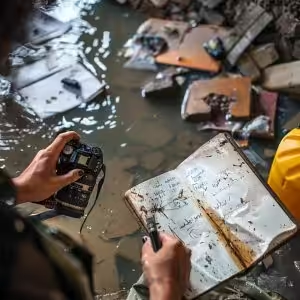
Begin by gathering documented evidence of the fire—take photographs or videos of the damage and secure any salvageable items. Immediately report the incident to the fire department and your insurance company, and contact a reputable restoration service for initial repairs. Submit a comprehensive claim packet that includes a filled claim form, photographic evidence, repair estimates, and relevant police or fire department reports. Maintaining a checklist during this process helps ensure all required documentation is complete, which is essential for an accurate claim evaluation by insurance adjusters.
What Documentation Is Needed to Support Your Claim?
The foundation of a strong claim is detailed documentation. Essential documents include: • The original fire report and completed claim form • Photographs and video evidence of all visible damage • Repair estimates from licensed contractors or fire restoration experts • An inventory of damaged contents with estimated values • Receipts for emergency repairs or temporary accommodations • Reports from local authorities (fire or police departments)
Organizing these documents in chronological order and keeping a record of all insurer communications increases the likelihood of a successful claim.
How Should You Work With Your Insurance Adjuster?
When the insurance adjuster visits your property, it is wise to accompany them to point out all damaged areas and to provide any additional details not obvious in the submitted documentation. Open and prompt communication is key; answer questions clearly and offer copies of any requested documents. Collaboration with the adjuster helps ensure that both parties have an accurate understanding of the extent of the damages, which can facilitate a fair and timely settlement.
What Should You Do Immediately After a Fire?
After ensuring everyone’s safety by calling emergency services, document the damage extensively before making any repairs. Avoid fixing damage immediately unless necessary, as this might compromise evidence needed for the claim. Secure the property against further losses by boarding up windows or doors, and contact your insurer as soon as possible. Timely preservation of evidence supports the claim and speeds up the process.
What Are the Key Terms You Need to Know in Fire Damage Insurance?
Understanding specific terms in your fire damage policy is essential for making informed decisions and effectively communicating with insurance adjusters.
What Is a Deductible and How Does It Affect Your Policy?
A deductible is the amount a policyholder must pay out-of-pocket before the insurer covers remaining expenses. This safeguard discourages small claims and can help reduce insurance premiums. However, it also impacts your cash flow during major repairs. Reviewing and selecting the right deductible in balance with your financial capabilities is important, as some policies may offer options to adjust deductibles for lower premiums.
What Is the Difference Between Replacement Cost and Actual Cash Value?
Replacement cost coverage reimburses the full cost to repair or replace damaged property with new items of like kind and quality, while actual cash value takes depreciation into account, resulting in a lower payout. Replacement cost policies typically offer better protection but may come with higher premiums. Knowing the difference is critical when comparing policies and understanding your potential claim settlement.
How Are Premiums Calculated for Fire Damage Insurance?
Premiums are determined by factors such as the property’s location, age, construction materials, existing fire protection measures, and claim history. Additional variables include the chosen deductible and coverage level. Properties in areas prone to wildfires or those constructed with combustible materials might face higher premiums. Understanding these calculations can help you negotiate better terms and select coverage that aligns with your specific needs.
What Types of Fire Damage Insurance Policies Are Available?
Fire damage insurance comes in various forms to meet different needs for residential, rental, and commercial properties. The structure and benefits of each type vary to address unique risks.
How Does Homeowners Insurance Cover Fire Damage?
Homeowners insurance typically covers damage resulting from fire to both the building and personal property. It may include options for actual cash value or replacement cost coverage. Policies often provide additional benefits such as supplementary living expenses if the home becomes uninhabitable. Homeowners should review the fine print and work with knowledgeable agents to understand how deductibles and endorsements apply.
What Does Renters Insurance Cover for Fire Damage?
Renters insurance focuses on protecting personal belongings rather than the physical structure of the building, which is maintained by the property owner. It reimburses tenants for losses to personal property and often covers additional living expenses if repairs render the rental unit uninhabitable. Tenants should also document their possessions to facilitate a smooth claim process.
How Is Commercial Property Insurance Different for Fire Damage?
Commercial policies are designed to address the more complex risks associated with business properties. They cover the building structure, business contents, and may include business interruption coverage to offset lost income during repairs. Commercial property insurance often features higher coverage limits and requires detailed underwriting, reflecting the greater risk and higher stakes involved in business operations.
How Can You Assess and Understand Your Fire Damage Insurance Policy Documents?
Policy documents are legal contracts that outline the extent of coverage, exclusions, deductibles, and specific claim procedures. A thorough review of these documents is critical to ensuring that you are fully covered when a fire occurs.
What Sections Should You Focus on in Your Policy?
Focus initially on the declarations page for an overview of coverage limits and effective dates. The definitions section clarifies key terms such as “actual cash value” and “replacement cost,” while the coverage and exclusions sections detail what is included or excluded from the policy. Also, review any endorsements or supplemental documents that might modify the base policy. Understanding these areas helps identify any gaps in coverage and guides decisions on whether additional coverage is required.
How Do Policy Terms Affect Your Fire Damage Protection?
The specific terms and conditions—such as coverage limits, deductibles, and renewal requirements—directly influence the speed and extent of claim settlements. These terms govern how damages are assessed and how much you will ultimately receive. A clear understanding of these details can prevent surprises during the claim process and provide leverage when discussing settlements with insurers.
How Can You Compare Different Fire Damage Insurance Policies?
One effective approach is to use a comparison table listing key elements such as policy type, coverage limits, deductible amounts, replacement cost options, and common exclusions. For example:
| Policy Type | Coverage Limit | Deductible Amount | Replacement Cost Coverage | Common Exclusions |
|---|---|---|---|---|
| Homeowners | $300,000 | $5,000 | Yes | Negligence, intentional damage |
| Renters | $50,000 | $1,000 | No | Structural damage, high-value items |
| Commercial | $1,000,000 | $10,000 | Yes | Some business interruption losses |
| Condo/HOA | $200,000 | $2,500 | Yes | Common areas, limited liability |
| Landlord | $500,000 | $5,000 | Yes | Tenant property, certain code upgrades |
This side-by-side format helps you quickly identify the best option based on your individual risk profile and financial considerations.
What Are Common Challenges and Tips for Navigating Fire Damage Insurance Claims?
Navigating fire insurance claims can be complex and time-sensitive. Common issues include insufficient documentation, delays due to communication breakdowns, and misunderstandings about policy exclusions.
Why Are Some Fire Damage Claims Denied?
Claims are often denied due to missing or incomplete documentation, delayed reporting, or discrepancies between reported damages and insurer evaluations. In some cases, if evidence suggests negligence or if damage results from non-covered perils, the claim may be rejected entirely. Being proactive by gathering robust evidence—such as photos, repair estimates, and official reports—and maintaining detailed records can significantly reduce the risk of denial.
When Should You Consider Hiring a Public Adjuster?
A public adjuster can be especially helpful when a claim is complex or when the insurer’s initial offer seems too low. Public adjusters work on your behalf to gather evidence, assess damages, and negotiate a fair settlement. Their expertise can be valuable when dealing with mixed damage categories, such as fire, smoke, and water damage. Although their fee is typically a percentage of the final settlement, the potential increase in recovery often justifies the cost.
How Long Does It Typically Take to Settle a Fire Damage Claim?
Settlement times vary widely. Straightforward cases with minimal damage might be resolved in 30 to 60 days, while complex cases—especially those involving extensive structural damage or disputes over the cause of the fire—may take several months. Regular follow-ups, prompt submission of supplementary documents, and proactive communication with the insurance company can help expedite the process.
How Does Fire Damage Insurance Relate to Fire Investigation and Damage Assessment?
Fire investigation and damage assessment are critical to determining both the cause and the extent of losses, which directly influences the claim amount and approval.
What Role Does a Fire Investigator Play in Your Claim?
A fire investigator examines the scene to determine the origin and cause of the fire. Their detailed reports, which include photographic evidence and technical analysis, are crucial for validating that the loss is covered under your policy. A clear investigator report that confirms an accidental fire can significantly enhance the likelihood of claim approval.
How Is Damage Assessed for Fire Insurance Claims?
Damage assessments involve a thorough inspection by licensed insurance adjusters or restoration experts. They document structural and personal property damages and calculate repair or replacement costs using industry-standard methods. The detailed measurements and photographs taken during the assessment form the basis for the insurer’s final payout. Policyholders can support the process by obtaining independent estimates if necessary.
How Can Understanding Fire Causes Help With Your Insurance Policy?
Understanding why a fire occurred is essential for both the claim’s outcome and for taking steps to mitigate future risks. For example, if a fire is due to outdated electrical wiring, improvements can be made to prevent recurrence. Detailed knowledge of fire causes helps ensure that only covered perils are claimed and informs better risk management for lowering future premiums.
Frequently Asked Questions
Q: What immediate steps should be taken after a fire incident? A: Ensure everyone’s safety, contact emergency services, document all damage with photos or videos, and report the incident to your insurance company. Securing the property to prevent additional loss and contacting restoration services promptly is also critical.
Q: How does understanding the deductible help in managing claims? A: Knowing your deductible clarifies what you will pay out-of-pocket before insurance contributes. This helps in budgeting for repairs and determining if additional coverage is needed to bridge any financial gaps.
Q: Why might my fire damage claim be reduced or partially denied? A: Claims may be reduced if documentation is incomplete, if repairs exceed the policy limits, or if exclusions such as those due to negligence are applicable. Thorough review of policy details and proper evidence submission is crucial to avoid partial denials.
Q: What benefits do replacement cost policies offer over actual cash value policies? A: Replacement cost policies provide full reimbursement for repairing or replacing damaged property without factoring in depreciation, thereby offering more comprehensive financial protection compared to actual cash value policies.
Q: When should hiring a public adjuster be considered? A: Consider hiring a public adjuster if your claim is complex, if there is a significant dispute over damage valuation, or if the settlement offer seems too low. Their expertise can help secure a fairer settlement.
Q: Can building codes affect the amount covered under a fire damage claim? A: Yes, if rebuilding requires adherence to current building codes that exceed the pre-fire condition, the insurer may only cover repairs up to a certain limit unless additional endorsements are in place.
Q: How does proper record-keeping impact the fire damage claim process? A: Detailed documentation greatly strengthens your claim by providing clear evidence of the loss. Organized records help ensure efficient processing and reduce the likelihood of disputes or delays during settlement.
Final Thoughts
Fire damage insurance policies act as an essential safety net for homeowners and business owners facing the devastating effects of fire. Understanding policy coverage, key terms, and the claim process is vital to navigate the complexities of insurance claims successfully. Through prompt communication with adjusters, meticulous documentation, and, when necessary, professional assistance such as hiring a public adjuster, policyholders can secure fair compensation for their losses. Taking proactive steps not only speeds up recovery but also minimizes the financial stress during the restoration process, ensuring that your property and livelihood can be restored as smoothly as possible.