When water floods your Charlotte basement, every minute counts. Whether it’s from a burst pipe, heavy storm, or foundation failure, knowing what to do immediately can save your home and belongings. This guide explains the emergency steps to take right now, why Charlotte basements flood so often, what professional water damage restoration involves, and how National Insurance Claim Specialist’s 24/7 emergency team extracts water, dries structures, prevents mold, and restores your home safely and completely.
TLDR: If your Charlotte basement floods, ensure safety first by turning off electricity and avoiding standing water. Call National Insurance Claim Specialist immediately at our 24/7 emergency line for rapid water extraction, industrial drying, and complete restoration. Our certified technicians arrive within 1 to 2 hours with professional equipment to remove water, dry structures, prevent mold growth, and restore your home while helping with insurance claims every step of the way.
Your Basement Just Flooded (Here’s What To Do Right Now)
Water is rising in your basement. Your belongings are soaking. Panic is setting in. Take a deep breath. You can get through this.
The next few hours are critical. Fast action protects your family’s safety, limits damage to your home, and saves belongings that might otherwise be lost. Professional emergency restoration can reverse most water damage when you act quickly.
This guide walks you through exactly what to do when flooding strikes, from immediate safety steps to complete restoration. Let’s start with keeping you and your family safe.
Immediate Steps When Your Basement Floods
Safety comes before everything else. Water and electricity are a deadly combination. Follow these steps in order.
Ensure Everyone’s Safety First
Do not enter a flooded basement if water is near electrical outlets, appliances, or your electrical panel. Standing water can be electrically charged and cause electrocution.
If you can safely reach your home’s main electrical panel from outside the flooded area, shut off power to the basement. If you cannot do this safely, stay out and wait for professionals.
Call National Insurance Claim Specialist’s 24/7 emergency line immediately. Our team will guide you through safety steps while dispatching technicians to your home. Most calls get a certified restoration specialist on-site within 1 to 2 hours.
Stop the Water Source If Possible
If flooding comes from a burst pipe or broken appliance, shut off the water supply. Main shut-off valves are usually near your water meter or where the main line enters your home.
For storm flooding or groundwater intrusion, the water source cannot be stopped until the rain ends or drainage improves. Focus on safety and calling professionals rather than attempting to stop natural flooding yourself.
Document Everything for Insurance
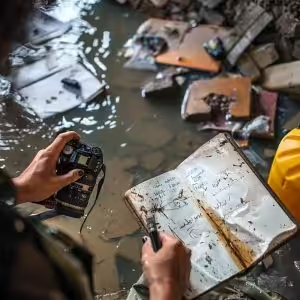
Once it is safe, take photos and videos of all water damage. Photograph:
- Water levels and affected areas
- Damaged belongings and furniture
- Visible structural damage
- All sources of water entry
This documentation supports your insurance claim. Our Water Damage Restoration team provides detailed reports and additional documentation to strengthen your claim.
Call National Insurance Claim Specialist Emergency Response
Every hour water sits in your basement increases damage and repair costs. Mold can start growing within 24 to 48 hours. Immediate professional response is critical.
National Insurance Claim Specialist provides 24/7 emergency service across Charlotte and throughout North Carolina. Our certified technicians respond day and night, weekends and holidays. We bring industrial water extraction equipment, commercial dehumidifiers, and years of experience to every emergency. Contact us now for immediate help or keep reading to understand our complete restoration process.
Why Do Charlotte Basements Flood So Often?
Understanding why flooding happens helps you recognize warning signs and take quick action when water intrusion begins. Charlotte’s unique combination of weather and soil creates serious flood risks.
Clay Soil Traps Water Near Foundations
The dense clay soil common throughout Charlotte does not drain well. Instead of letting rainwater soak deep into the ground, clay holds moisture near your foundation walls. This creates hydrostatic pressure that pushes water through any weakness in your basement walls or floor.
Even small foundation cracks become entry points when clay soil stays saturated for days after storms. This underground pressure forces water inside where you least expect it.
Heavy Rainfall Overwhelms Drainage
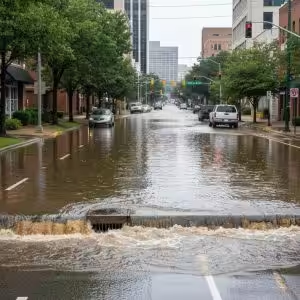
Charlotte receives about 43.6 inches of rain annually. When several inches fall in just a few hours during intense storms, drainage systems get overwhelmed quickly. According to NOAA’s National Weather Service, these concentrated rainfall events are typical in our region.
Water flows downhill to the lowest point, which is often right next to your foundation. When soil cannot absorb water fast enough and gutters overflow, all that runoff collects against basement walls. Our Storm Damage Restoration team sees this pattern repeatedly after major weather events.
Aging Infrastructure and Poor Drainage
Older neighborhoods often have inadequate stormwater systems for modern rainfall intensity. Flat yards or improper grading can direct water toward your home instead of away from it.
Combined with clogged gutters and downspouts that dump water next to foundations, these drainage problems create perfect conditions for basement flooding.
Foundation Cracks and Deterioration
Concrete foundations develop cracks over time from settling, temperature changes, and age. Small cracks might seem harmless, but they become highways for water under pressure.
Older homes may also have outdated waterproofing or none at all. Materials deteriorate over decades, leaving foundations vulnerable to water intrusion.
The Professional Water Damage Restoration Process
When National Insurance Claim Specialist arrives at your flooded basement, our certified technicians follow a proven process to extract water, dry structures, prevent mold, and restore your home completely.
Emergency Response and Assessment
Our team arrives with industrial equipment ready to work immediately. We first ensure the area is safe, then conduct a thorough assessment using:
- Moisture meters to detect hidden water
- Thermal imaging cameras to find saturated areas
- Visual inspection of all affected spaces
- Documentation with photos and measurements
This assessment determines the extent of damage and creates a restoration plan. We explain everything clearly and answer all your questions before work begins.
Industrial Water Extraction
Removing standing water quickly is the first priority. We use powerful extraction equipment including:
- Truck-mounted water extractors for large volumes
- Portable submersible pumps for deep water
- Wet vacuums for remaining moisture
Complete water removal typically takes several hours depending on the amount of flooding. We extract water from floors, carpets, and any saturated materials that can be saved.
Structural Drying and Dehumidification
After extraction, significant moisture remains in walls, floors, subfloors, and building materials. This hidden moisture causes mold growth and structural damage if not dried properly.
Our commercial drying equipment includes:
- High-velocity air movers to circulate air
- Industrial dehumidifiers to remove moisture
- Specialty drying equipment for specific materials
We monitor moisture levels daily using professional meters. Drying typically takes 3 to 7 days depending on the severity of flooding and materials affected. We do not stop until moisture readings confirm complete dryness throughout all structures.
Antimicrobial Treatment and Mold Prevention
Water damage creates perfect conditions for mold growth. We apply EPA-registered antimicrobial treatments to all affected areas. These treatments kill bacteria and prevent mold spores from colonizing damp surfaces.
Air scrubbers with HEPA filters clean the air and capture any airborne contaminants. This protects your family’s health and ensures your home is safe to occupy. The CDC provides guidance on mold health risks and why professional treatment matters.
Content Restoration and Salvage
Our team carefully evaluates your belongings to determine what can be saved. Many items that initially appear ruined can be restored with professional cleaning and drying.
We provide:
- Furniture cleaning and drying
- Document and photo restoration
- Electronics evaluation
- Contents pack-out for off-site restoration when needed
Items that cannot be saved are documented for your insurance claim.
Structural Repairs and Reconstruction
Once everything is dry and treated, we begin repairs. This includes:
- Replacing damaged drywall and insulation
- Repairing or replacing flooring
- Painting and finishing work
- Restoring your basement to pre-loss condition
Our Home Restoration team handles all reconstruction work. From emergency response through final walkthrough, you work with one company. We also provide New Home Construction services, bringing that same quality craftsmanship to every restoration project.
Insurance Claim Documentation and Support
We document every step of the restoration process for your insurance carrier. Our detailed reports include:
- Initial damage assessment with photos
- Moisture readings and drying logs
- Itemized repair estimates
- Progress documentation
- Final completion verification
We communicate directly with your insurance adjuster and help navigate the claims process. Our goal is maximizing your coverage and minimizing your out-of-pocket costs.
When To Call National Insurance Claim Specialist Emergency Services
Some situations demand immediate professional response. Call our 24/7 emergency line for any of these scenarios.
Active Flooding or Rapid Water Intrusion
If water is actively entering your basement from any source, call immediately. Every minute of delay increases damage. Our rapid response team can often save belongings and structural elements that would be lost with delayed action.
Standing Water of Any Depth
Even a few inches of standing water requires professional extraction equipment. Do not attempt to remove significant water with household wet vacuums or mops. This takes far too long and leaves moisture that causes mold and structural damage.
Sewage or Contaminated Water Backup
Sewage backups and floodwater from outside sources contain dangerous bacteria and contaminants. This Category 3 water requires specialized cleanup procedures and safety equipment. Never attempt to clean sewage contamination yourself. Our professional Water Damage Restoration team has the training and protective equipment to handle hazardous water safely.
Water Near Electrical Systems
Any flooding near outlets, appliances, or electrical panels creates immediate electrocution risk. Stay out of the area and call professionals who have proper safety training and equipment. Our emergency Home Restoration team follows strict safety protocols to protect both you and our technicians during water extraction near electrical systems.
Burst Pipes or Plumbing Failures
Burst pipes can release hundreds of gallons quickly. Even after you shut off the water, significant extraction and drying work remains. Immediate professional response prevents secondary damage like mold growth and wood rot.
Storm Damage with Water Intrusion
When storms damage your roof or windows and allow rain inside, water can travel through walls and reach your basement. Combined wind and water damage requires comprehensive restoration. Our Storm Damage Restoration team handles these complex situations. We also provide Roof Inspections and Safety services to identify vulnerabilities before the next storm hits.
Visible Mold Growth or Musty Odors
If you notice mold or smell musty odors after any water event, professional assessment is critical. Mold spreads rapidly and poses health risks. We provide complete mold remediation as part of our water damage restoration.
What Makes National Insurance Claim Specialist Different
When disaster strikes your Charlotte home, you need a restoration partner you can trust completely. Here is what sets National Insurance Claim Specialist apart.
True 24/7 Emergency Response
We answer our emergency line day and night, every day of the year. When you call, you reach a real person who immediately begins coordinating your emergency response. Our technicians live and work in Charlotte, allowing us to arrive at most properties within 1 to 2 hours.
Fast response makes a measurable difference in final damage and restoration costs. We understand that floods do not wait for business hours.
Certified Restoration Technicians
Our team holds certifications from the Institute of Inspection, Cleaning and Restoration Certification (IICRC). This means every technician receives rigorous training in:
- Water damage restoration science
- Structural drying techniques
- Microbial remediation
- Safety protocols and contamination control
Certified professionals bring proven methods and accountability to every project. Check our About Us page to learn more about our team.
Complete Restoration Under One Roof
You should not have to coordinate multiple contractors after a disaster. National Insurance Claim Specialist handles everything:
- Emergency water extraction
- Complete structural drying
- Mold prevention and treatment
- All reconstruction and repairs
- Final finishing and walkthrough
Whether you need water damage recovery, Fire Damage Restoration, or Storm Damage Restoration, one team handles it all. One point of contact, one company backing all work with our 1-year workmanship warranty.
Insurance Expertise and Advocacy
Navigating insurance claims after water damage can feel overwhelming. We have worked with every major insurance carrier and understand exactly what they require.
We handle:
- Complete damage documentation
- Detailed restoration estimates
- Direct communication with adjusters
- Claim status updates in plain language
- Advocacy for proper coverage
Our experience helps claims move faster and often results in better settlements for homeowners.
Local Knowledge and Experience
Twenty-plus years serving Charlotte means we understand our city’s unique challenges. We know which neighborhoods flood during heavy rain, how local soil affects drainage, and what building materials hold up best in our climate.
This local expertise ensures appropriate restoration methods and materials for lasting results. See real examples in our Before and After Projects gallery. Learn more about our experienced team and commitment to Charlotte homeowners on our About Us page.
Understanding Basement Flooding Prevention (For Future Planning)
While National Insurance Claim Specialist specializes in emergency response and restoration after flooding occurs, understanding prevention helps you plan for long-term protection. For prevention system installation, consult qualified contractors who specialize in waterproofing and drainage.
Common Prevention Systems
Homeowners can reduce flooding risk through various systems. These are educational overviews only:
Sump Pumps: Collect groundwater in a pit and pump it away before it reaches basement floors. Battery backup systems continue working during power outages.
French Drains: Perforated pipes in gravel trenches intercept groundwater around foundations and redirect it to safe discharge areas.
Exterior Waterproofing: Excavation around foundations to apply waterproof membranes directly to exterior walls.
Interior Waterproofing: Sealants and drainage systems applied inside basements to manage minor seepage.
Proper Grading: Yards should slope at least 6 inches over 10 feet away from foundations, according to building codes. The EPA provides guidance on proper grading standards.
Maintenance That Reduces Risk
Regular maintenance helps prevent some flooding scenarios:
- Clean gutters twice yearly to prevent overflow
- Extend downspouts at least 4 feet from foundations
- Inspect foundation annually for new cracks
- Test sump pumps monthly if you have one
- Monitor yard drainage after heavy rain
These simple tasks do not guarantee prevention but can reduce certain flood risks.
When Prevention Fails, We Respond
Even homes with prevention systems can experience flooding during extreme weather, equipment failure, or unexpected plumbing problems. That is when National Insurance Claim Specialist’s emergency team makes the difference between minor inconvenience and major disaster.
We restore what flooding damages, no matter the cause or prevention systems in place.
Common Questions About Basement Flooding Emergencies
How quickly should I call for help after basement flooding?
Immediately. Water damage worsens exponentially with time. Mold can begin growing within 24 to 48 hours. Structural damage increases as materials stay saturated. Call National Insurance Claim Specialist’s 24/7 emergency line as soon as you discover flooding, before attempting any cleanup yourself beyond basic safety steps.
Can I clean up water damage myself?
Small amounts of clean water from minor leaks might be manageable with household equipment. However, any significant flooding requires professional extraction and drying equipment. Hidden moisture in walls, subfloors, and structural elements causes problems you cannot see or reach with household tools. Professional restoration also includes antimicrobial treatment and moisture monitoring that prevent future mold problems.
How long does water damage restoration take?
Emergency water extraction typically happens within the first day. Structural drying takes 3 to 7 days depending on the extent of saturation and materials affected. Complete restoration with repairs and reconstruction can take 2 to 4 weeks for significant damage. We provide clear timelines after our initial assessment and update you regularly as work progresses.
Will my homeowners insurance cover basement flooding?
Coverage depends on the water source. Standard policies typically cover sudden water damage from internal sources like burst pipes or appliance failures. They usually exclude flooding from external sources like rising groundwater or storm surge. Separate flood insurance covers external flood events. We help document everything properly and work directly with your insurance carrier. FEMA’s National Flood Insurance Program provides specific flood coverage.
What is the difference between water damage categories?
Water damage professionals use three categories. Category 1 is clean water from supply lines. Category 2 is gray water from appliances or fixtures that may contain contaminants. Category 3 is black water from sewage or outside flooding that contains dangerous bacteria and requires specialized cleanup. We identify the water category and use appropriate safety protocols for each type.
Can belongings be saved after water damage?
Many items can be restored with professional cleaning and drying. Hard surfaces, furniture, and some fabrics often survive when treated quickly. Porous materials soaked with contaminated water may need disposal for safety. We evaluate everything during our assessment and save whatever is safely possible. Items we cannot restore are documented for your insurance claim.
How do you prevent mold after flooding?
Professional extraction removes visible water, but significant moisture remains in materials. Our industrial dehumidifiers and air movers dry all structures completely. We apply EPA-registered antimicrobial treatments to affected areas and monitor moisture levels daily until readings confirm complete dryness. Air scrubbers capture any airborne spores. This comprehensive approach prevents mold from establishing itself.
Do I need to move out during restoration?
It depends on the extent of damage and location of affected areas. Minor flooding confined to a basement might not require moving out if other living areas remain safe and comfortable. Extensive damage affecting utilities or creating health concerns may require temporary relocation. We discuss this during our assessment and help you make informed decisions for your family’s safety and comfort.
What happens if water damaged my HVAC or electrical systems?
These systems require specialized evaluation by licensed professionals. We coordinate with qualified HVAC and electrical contractors as needed. Damaged electrical components pose fire risks and must be addressed before restoration can proceed. Water-damaged HVAC systems can spread contaminants throughout your home if not properly cleaned or replaced. Your safety is our top priority.
How much does emergency water damage restoration cost?
Costs vary significantly based on water volume, affected area size, water category, and extent of structural damage. Basic extraction and drying for minor flooding might cost $1,500 to $3,000. Extensive flooding with structural repairs can exceed $10,000. We provide detailed written estimates after our assessment and work within your insurance coverage whenever possible. Most homeowners insurance policies cover much of the restoration cost for covered water damage events.
Key Takeaways for Charlotte Homeowners
Remember these critical points when basement flooding strikes:
- Safety first: shut off electricity from outside the flooded area and avoid standing water that may be electrically charged
- Call National Insurance Claim Specialist’s 24/7 emergency line immediately for rapid professional response
- Document all damage with photos and videos for your insurance claim before cleanup begins
- Do not delay: water damage worsens exponentially and mold can start growing within 24 to 48 hours
- Professional equipment extracts water and dries structures far more effectively than household tools
- Complete drying takes 3 to 7 days and requires industrial dehumidifiers and moisture monitoring
- Antimicrobial treatment prevents mold growth in damp areas affected by flooding
- We handle all insurance documentation and communicate directly with adjusters throughout the process
Charlotte’s clay soil and heavy rainfall create ongoing flood risks even in well-maintained homes. When prevention fails and water enters your basement, immediate professional restoration limits damage and protects your investment. Our certified technicians bring years of experience, proven methods, and genuine care to every emergency.
National Insurance Claim Specialist has served Charlotte families for over 20 years. We understand the stress and disruption flooding causes. Our emergency response team stands ready 24/7 to extract water, dry your home, prevent mold, and restore everything to pre-loss condition. We handle insurance paperwork, coordinate all repairs, and back our work with a 1-year warranty.
Need emergency water damage restoration? Your Charlotte basement just flooded and every minute matters. Contact National Insurance Claim Specialist right now at our 24/7 emergency line. We will dispatch certified technicians to your home immediately and guide you through every step of the restoration process.
National Insurance Claim Specialist | North Carolina’s Trusted Home Restoration Experts | Fire, Water, Storm, Rebuild Done Right