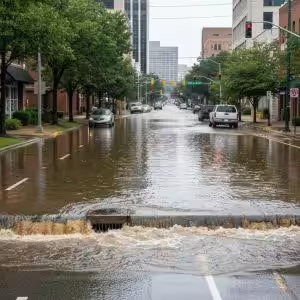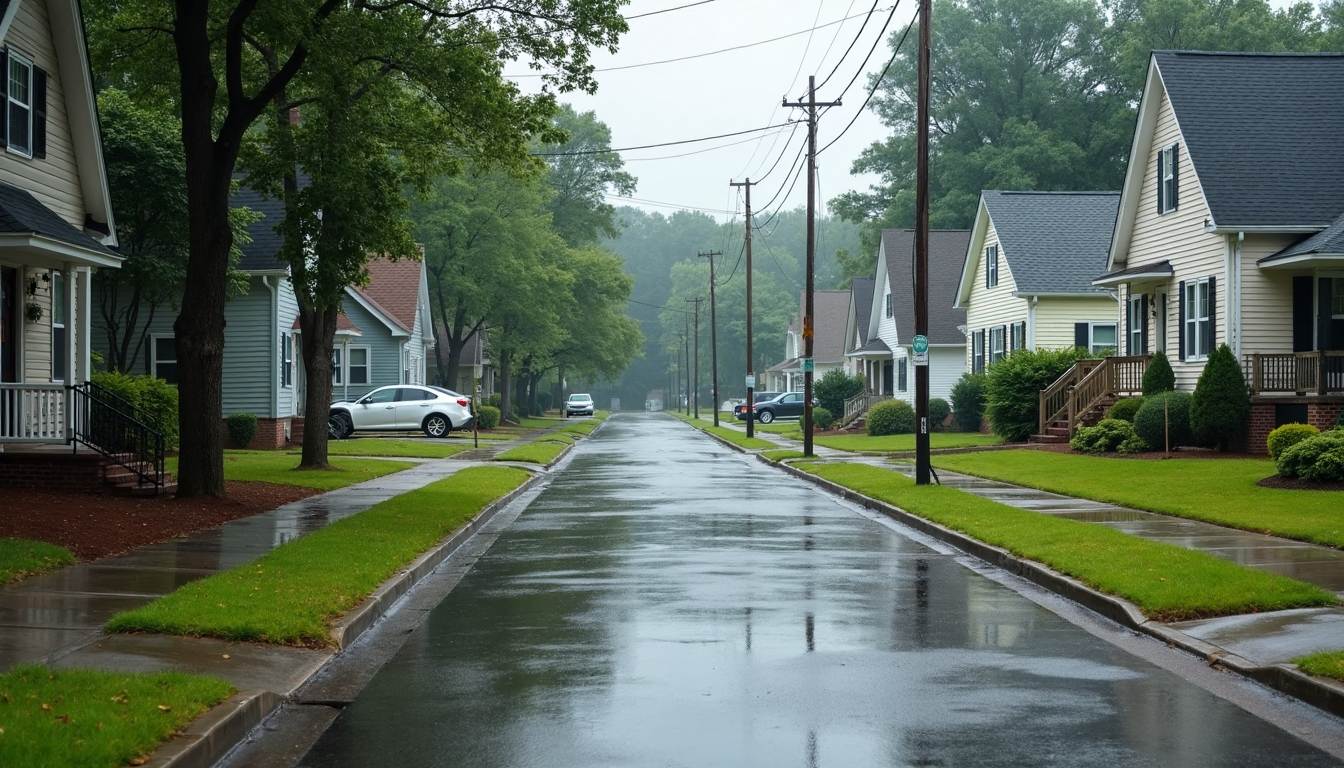
Charlotte property owners are facing a rising threat from water damage. Around 11% of buildings in the city are now considered high risk for flooding, a number that’s climbing as storms get stronger and development spreads. Most people worry about big disasters like hurricanes or flash floods. Surprisingly, it’s actually slow leaks, overlooked maintenance, and aging pipes that cause far more costly headaches each year. Skip the dramatic images of burst dams and instead look at the everyday risks in your own home. Small fixes and smart planning could save you from repairs that average $25,000 from just an inch of water inside.
Table of Contents
- Common Water Damage Risks In Charlotte
- Proactive Steps For Water Damage Prevention
- Best Practices For Property Owners And Businesses
- Insurance Claims And Legal Considerations In North Carolina
Quick Summary
| Takeaway | Explanation |
|---|---|
| High Risk of Flooding in Charlotte | Approximately 11% of buildings are at high risk of flooding, influenced by climate changes and urban development, necessitating proactive risk assessments by property owners. |
| Regular Inspections and Maintenance Are Crucial | Property owners should conduct quarterly inspections focusing on plumbing, roofing, and foundation integrity to prevent water damage before it occurs. |
| Effective Emergency Response Planning | Establishing clear communication protocols and an emergency contact list can facilitate quick action during water damage incidents, helping mitigate potential losses. |
| Comprehensive Documentation for Claims | Keeping detailed records of property conditions, maintenance activities, and damage incidents is vital for a smooth insurance claims process and restoration efforts. |
| Understanding Insurance Limitations | Property owners must be aware of their insurance coverage limitations, particularly regarding flooding and sudden water damage, and consider additional flood insurance as needed. |
Common Water Damage Risks in Charlotte
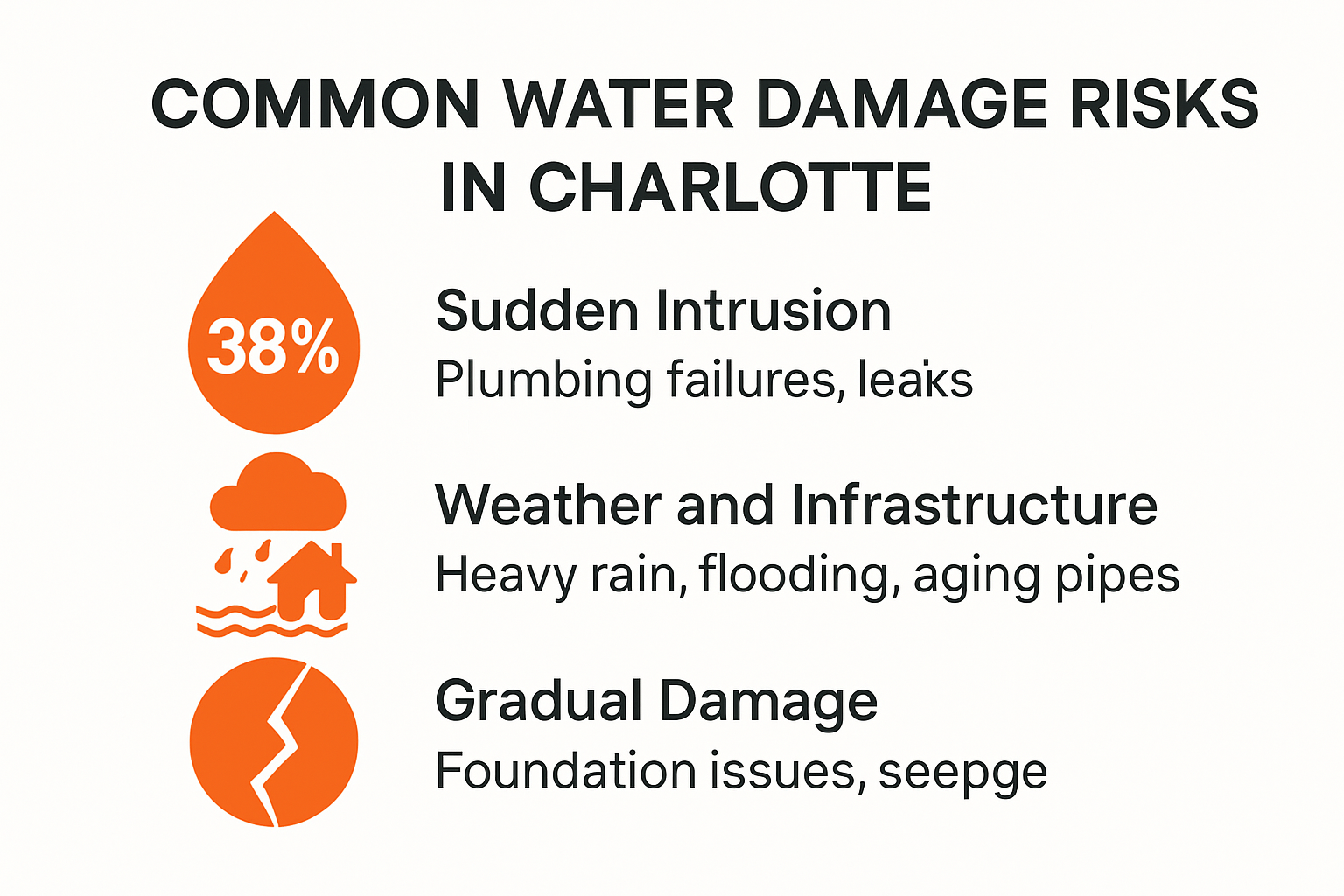
Charlotte property owners face a complex landscape of water damage risks that demand proactive understanding and strategic prevention. The city’s unique geographical and climate characteristics create multiple potential vulnerabilities for residential and commercial properties.
Climate and Precipitation Challenges
Charlotte’s environmental conditions significantly contribute to water damage risks. Research from Climate Check reveals that approximately 11% of buildings in the area are at high risk of flooding. This risk is not static but expected to escalate with projected increases in annual precipitation and more frequent extreme rainfall events.
The city experiences a mix of weather patterns that can trigger water intrusion scenarios. Summer thunderstorms, hurricane season, and occasional winter precipitation create multiple opportunities for potential water damage. A single inch of water intrusion can result in approximately $25,000 in property damage, according to insurance industry data.
Infrastructure and Water Quality Concerns
Beyond natural weather events, Charlotte property owners must contend with infrastructure-related water risks. The city’s aging water systems and potential pipe vulnerabilities increase the likelihood of unexpected water incidents. Environmental Working Group research highlights an additional concern: drinking water contamination with PFAS chemicals, which can potentially compromise water system integrity.
Property owners should be particularly attentive to several key risk factors:
- Aging Plumbing Systems: Older properties with original piping are more susceptible to leaks and sudden failures.
- Foundation Vulnerabilities: Soil erosion and drainage issues can create pathways for water intrusion.
- Roof and Exterior Structural Weaknesses: Compromised roofing, window seals, and exterior walls can allow water penetration.
Urban Development Impact
Charlotte’s rapid urban development introduces additional water damage risks. As the city expands, changes in land use, increased impervious surfaces, and modified drainage patterns can alter water flow dynamics. These transformations can create unexpected water accumulation zones and increase flood potential in previously low-risk areas.
Understanding these risks is the first step in comprehensive water damage prevention. Property owners must remain vigilant, conduct regular inspections, and implement proactive maintenance strategies. Learn more about professional disaster recovery strategies to protect your investment against potential water-related challenges.
By recognizing the multifaceted nature of water damage risks in Charlotte, property owners can develop targeted prevention strategies that safeguard their most valuable assets.
Proactive Steps for Water Damage Prevention
Preventing water damage requires a strategic and comprehensive approach that addresses multiple potential vulnerabilities in residential and commercial properties. Charlotte property owners must implement a systematic prevention strategy that combines regular maintenance, advanced technology, and proactive monitoring.
Regular Property Inspection and Maintenance
Effective water damage prevention starts with consistent and thorough property inspections. Homeowners should conduct quarterly assessments focusing on critical areas prone to water intrusion. Key inspection points include plumbing systems, roof conditions, foundation integrity, and exterior drainage pathways.
Prioritize examining potential weak points such as:
- Pipe Connections: Check for subtle leaks, corrosion, and joint integrity.
- Roof Surfaces: Inspect shingles, flashing, and potential structural vulnerabilities.
- Foundation Perimeter: Evaluate soil grading and potential water accumulation zones.
Professional home inspectors recommend documenting each inspection with detailed notes and photographs. This documentation helps track potential issues and provides a historical record of property maintenance.

Advanced Technological Interventions
Modern water damage prevention leverages sophisticated technological solutions designed to detect and mitigate potential risks. Smart home water monitoring systems can provide real-time alerts about potential leaks, pressure changes, and unexpected moisture levels.
Consider implementing:
- Leak Detection Sensors: Wireless devices that instantly notify property owners about water intrusion.
- Automatic Shut-off Valves: Systems that can immediately stop water flow when unexpected leakage is detected.
- Moisture Mapping Technology: Advanced tools that identify hidden moisture zones within walls and foundations.
Learn more about navigating insurance claims for water damage to understand comprehensive protection strategies.
Landscaping and External Water Management
External property management plays a crucial role in water damage prevention. Proper landscaping techniques can significantly reduce water accumulation risks and protect structural integrity. Property owners should focus on creating effective drainage systems that direct water away from buildings.
Recommended external water management strategies include:
- Maintaining a minimum 6-inch slope away from foundation walls
- Installing French drains or similar underground drainage systems
- Regular gutter and downspout maintenance
- Strategic placement of plants and soil to optimize natural water absorption
By implementing these proactive steps, Charlotte property owners can substantially reduce their risk of experiencing costly and disruptive water damage. Continuous education, regular maintenance, and strategic technological interventions form the cornerstone of effective water damage prevention.
Remember that prevention is always more cost-effective than restoration. Investing time and resources into comprehensive water damage prevention strategies protects not just your property, but also provides peace of mind in an increasingly unpredictable environmental landscape.
Best Practices for Property Owners and Businesses
Managing water damage risks requires a comprehensive approach that goes beyond basic maintenance. Property owners and businesses in Charlotte must develop robust strategies that integrate prevention, preparedness, and strategic response mechanisms.
Documentation and Insurance Preparedness
Comprehensive documentation serves as the foundation of effective water damage management. Property owners should maintain detailed records that include property blueprints, maintenance histories, and comprehensive photographic documentation of existing conditions. This approach not only supports insurance claims but provides critical evidence during potential restoration processes.
Key documentation recommendations include:
- Digital Asset Inventory: Create comprehensive digital records of property assets, including photographs and serial numbers.
- Maintenance Logs: Maintain detailed records of all property repairs, inspections, and maintenance activities.
- Insurance Policy Review: Conduct annual reviews of insurance coverage to ensure adequate protection against water-related damages.
Learn more about understanding restoration service significance to enhance your comprehensive property protection strategy.
Emergency Response Planning
Successful water damage mitigation depends on rapid and strategic response. Businesses and property owners must develop comprehensive emergency response plans that outline clear protocols for addressing potential water intrusion scenarios.
Essential emergency response components include:
- Communication Protocols: Establish clear communication channels for reporting and responding to water damage incidents.
- Emergency Contact List: Maintain updated contact information for restoration professionals, insurance representatives, and key stakeholders.
- Resource Allocation: Identify and pre-position essential emergency resources like water extraction equipment, protective gear, and temporary storage solutions.
Financial and Risk Management Strategies
Effective water damage prevention extends beyond physical infrastructure to encompass strategic financial planning. Property owners should develop comprehensive risk management approaches that balance preventative investments with potential restoration costs.
Recommended financial strategies include:
- Preventative Maintenance Budget: Allocate dedicated funds for regular property inspections and maintenance.
- Emergency Fund Establishment: Maintain a specialized reserve for potential water damage restoration expenses.
- Risk Assessment: Conduct periodic professional risk assessments to identify potential vulnerabilities and prioritize investment strategies.
By implementing these best practices, Charlotte property owners and businesses can create a robust framework for water damage prevention and management. The goal is not just protection but developing a comprehensive approach that minimizes potential financial and structural risks.
Remember that proactive planning represents the most cost-effective strategy in water damage management. Investing time, resources, and strategic thinking into comprehensive prevention mechanisms can save significant expenses and operational disruptions in the long term.
Insurance Claims and Legal Considerations in North Carolina
Navigating insurance claims and legal considerations for water damage in North Carolina requires a strategic and informed approach. Property owners must understand the complex landscape of insurance policies, state regulations, and potential legal challenges specific to water damage scenarios.
Understanding Insurance Coverage Limitations
North Carolina property owners face significant challenges in water damage insurance coverage. Research from local insurance experts reveals that less than 1% of households in the most flood-prone counties are insured through the National Flood Insurance Program. This stark statistic underscores the critical importance of comprehensive insurance understanding.
Standard homeowners insurance policies typically have nuanced coverage limitations. Critical considerations include:
- Distinguishing Covered Incidents: Differentiating between sudden water damage and gradual deterioration
- Specific Exclusions: Understanding scenarios not covered by standard policies
- Flood Insurance Requirements: Recognizing the need for separate flood insurance coverage
Claims Processing and Legal Protections
The North Carolina Department of Insurance provides essential protections for property owners navigating water damage claims. State regulations offer specific guidelines to ensure fair treatment during the claims process.
Key legal considerations for property owners include:
- Timely Reporting: Documenting and reporting water damage incidents immediately
- Comprehensive Evidence Collection: Maintaining detailed documentation of damage and repair attempts
- Understanding Policyholder Rights: Knowing legal protections against improper claim denials
Learn more about mastering the insurance claim process to protect your property and financial interests.
Financial and Legal Risk Mitigation
Effective risk management goes beyond insurance coverage. Property owners must develop comprehensive strategies to minimize potential financial and legal vulnerabilities associated with water damage.
Recommended risk mitigation approaches include:
- Proactive Property Maintenance: Documenting regular inspections and maintenance
- Professional Damage Assessment: Obtaining expert evaluations of water-related risks
- Legal Consultation: Seeking professional advice for complex insurance claim scenarios
Navigating water damage insurance claims in North Carolina requires a multi-faceted approach. Property owners must combine thorough documentation, comprehensive insurance understanding, and strategic legal awareness to protect their investments.
Remember that preparation and knowledge are your most powerful tools in managing potential water damage challenges. By understanding the intricacies of insurance coverage and legal considerations, you can effectively safeguard your property and financial interests in an increasingly unpredictable environmental landscape.
Frequently Asked Questions
What are the common causes of water damage in Charlotte properties?
Water damage in Charlotte properties often arises from slow leaks, aging plumbing systems, insufficient maintenance, and severe weather conditions like storms and heavy rainfall.
How can I prevent water damage in my home?
To prevent water damage, conduct regular property inspections every quarter, maintain plumbing systems, utilize advanced water monitoring technology, and ensure proper landscaping to manage external water flow away from the foundation.
Is flood insurance necessary for Charlotte property owners?
Yes, due to Charlotte’s increasing flood risk, especially for properties in high-risk areas, it’s advisable for property owners to secure flood insurance in addition to standard homeowners insurance to cover potential water damage incidents.
What should I do if I experience water damage in my home?
Immediately document the damage, report it to your insurance provider, and contact a professional restoration service to assess the situation and begin the recovery process efficiently.
Ready to Turn Water Damage Risks Into Peace of Mind?
You just learned how quickly leaks, storms, or even old pipes can turn your Charlotte property from safe haven to high-risk headache. The article revealed that even one inch of water can lead to thousands in repairs and insurance confusion is common. If you are worried about gaps in coverage or unsure what to do when disaster strikes, you are not alone. Homeowners and businesses often struggle with confusing insurance paperwork, slow claims, and the stress of restoring property while trying to prevent losses in the future.
Don’t wait until costly water damage leaves you overwhelmed. NICS specializes in disaster recovery, water and storm damage restoration, and full insurance claim support. Our team stays by your side from the first emergency call to final repairs. We untangle insurance fine print and help you claim what you deserve so you can focus on what matters most. Visit National Insurance Claim Specialist today and discover how you can safeguard your home or business before the next storm. Want to see why expert help makes all the difference? Learn more about mastering the insurance claim process now and take the first step toward real protection.