Hurricane Roof Damage Restoration Secrets Revealed: Expert Guide for Charlotte NC Homeowners and Business Owners

When hurricane winds strike Charlotte, roofs can sustain critical damage in minutes, leading to leaks, mold growth, and structural failures. This guide reveals proven hurricane roof damage restoration secrets—covering immediate safety steps, common damage types, the full restoration process, cost factors, contractor selection, and season-long preparation. Homeowners and business owners will learn actionable strategies and discover how National Insurance Claim Specialist’s 24/7 emergency response and insurance-claim expertise safeguard properties and budgets. Below is the roadmap:
- Immediate Steps After Hurricane Roof Damage
- Common Types of Hurricane Roof Damage
- Hurricane Roof Damage Restoration Process
- Cost of Hurricane Roof Repair in Charlotte, NC
- Choosing the Right Restoration Contractor
- Preparing Your Roof for Hurricane Season
- Key Questions Homeowners Ask About Roof Damage
What Are the Immediate Steps After Hurricane Roof Damage?
After a hurricane, rapid action prevents further roof deterioration, water intrusion, and interior damage while establishing a strong foundation for full restoration.
How to Safely Inspect Your Roof After a Hurricane
A safe roof inspection begins with ground-level observations and progresses to limited, protected rooftop checks under calm conditions. Wear sturdy footwear, use binoculars to scan for missing shingles or torn flashing, and photograph every damaged area. Observing from multiple angles helps map out urgent repair zones before stepping onto unstable surfaces, building confidence for targeted emergency measures.
Why Is Emergency Roof Tarping Crucial After Storm Damage?
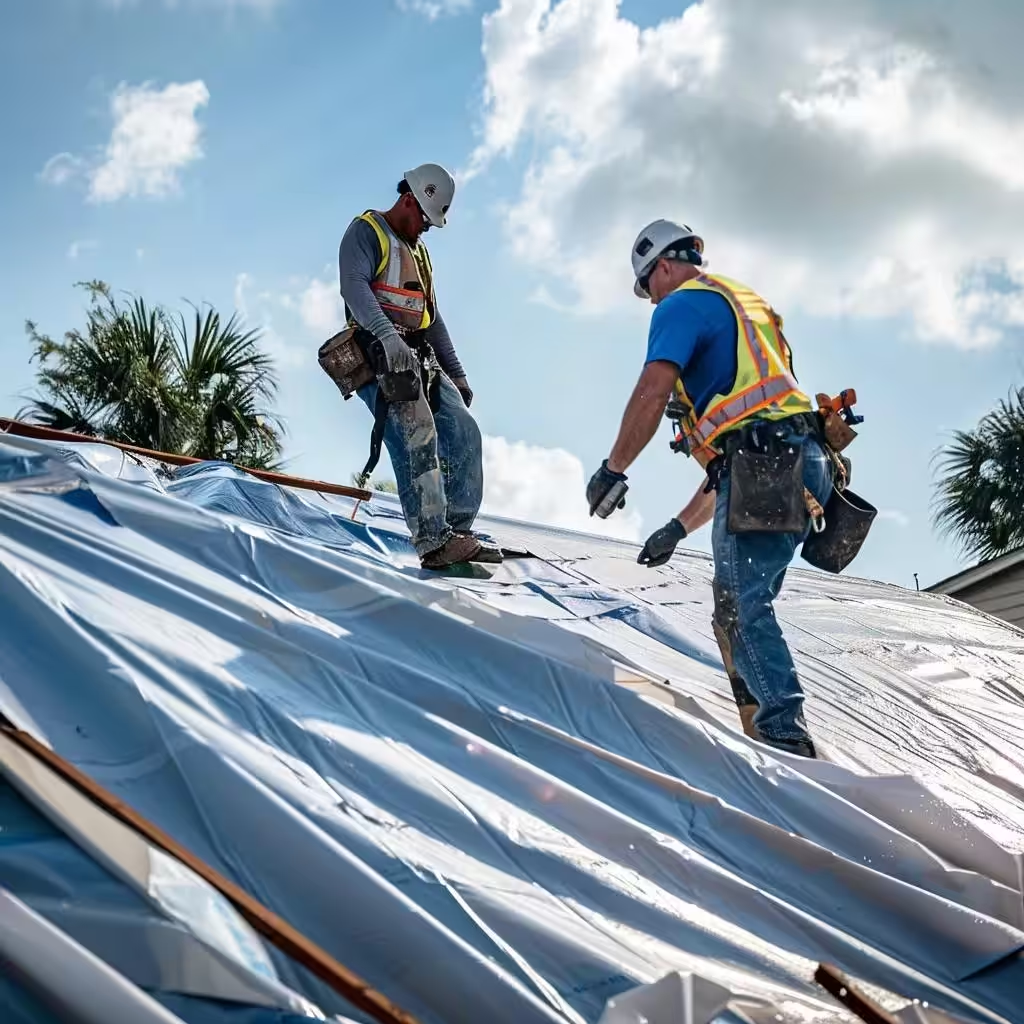
Emergency tarping creates a waterproof barrier over compromised roof sections, stopping leaks that cause mold growth and structural rot. By securing heavy-duty tarps with weighted boards or sealant strips, temporary protection maintains interior dryness and preserves existing finishes until permanent repairs. This immediate shield reduces insurance costs and prevents secondary damage while professional teams mobilize.
Emergency Roof Tarping Importance
Emergency roof tarping is crucial after storm damage to prevent further deterioration and water intrusion. Securing heavy-duty tarps creates a waterproof barrier, protecting the interior from mold growth and structural rot until permanent repairs can be made. This immediate action reduces insurance costs and prevents secondary damage.
This supports the article’s emphasis on the importance of immediate tarping to mitigate damage.
How Does National Insurance Claim Specialist Provide 24/7 Emergency Response?
National Insurance Claim Specialist’s rapid-response team deploys within hours of a damage report, arriving with mobile tarping kits, moisture detection devices, and safety gear. Technicians assess damage under portable generators, install tarps using industry-grade materials, and document every step with date-stamped photos for insurance. This around-the-clock readiness ensures roofs stay protected from overnight rains and wind shifts.
What Are the Common Types of Hurricane Roof Damage?
Hurricane roof damage ranges from subtle material wear to major structural compromise, each requiring distinct assessment and restoration tactics.
How Does Wind Damage Affect Shingles, Flashing, and Roof Structure?
Wind uplift can pry up asphalt shingles, bend or tear metal flashing, and strain trusses at connection points. Loose tabs or missing shingles expose underlayment to rain, while displaced flashing around vents or chimneys leads to persistent leaks. Identifying these failures early ensures targeted shingle replacement, flashing resealing, and reinforcement of roof decking.
| Roof Component | Damage Mode | Restoration Action |
|---|---|---|
| Shingles | Uplift or Missing | Replace with matching shingles |
| Flashing | Bent or Torn Seams | Remove, re-seal, and fasten |
| Trusses | Stress Cracks | Reinforce with metal brackets |
Protecting these components stops water infiltration and restores roof integrity.
What Are the Signs of Water Intrusion and Secondary Mold Damage?
Water entering through compromised roofing leads to dark stains on ceilings, peeling paint, and musty odors in attics. Over time, mold colonies appear along rafters and insulation. Look for warped wood, bubbling drywall, and visible fungal growth. Early detection and drying prevent widespread mold remediation costs and preserve indoor air quality.
How Can Hail and Debris Cause Roof Damage During Hurricanes?
Hailstones batter shingles, causing granule loss and surface pitting that accelerates UV damage and leaks. Flying debris—tree limbs or construction materials—creates punctures or fractures in roofing membranes. Restorers inspect hail impacts by running a gloved hand over shingles and use thermal imaging to spot hidden punctures before scheduling targeted panel replacements.
What Role Does Tree Damage Play in Hurricane Roof Issues?
Falling branches or uprooted trees can tear roof coverings, break rafters, and block gutters with debris. Even non-impact proximity can abrade roof edges during high winds. Clearing fallen limbs, pruning overhanging branches, and repairing gouged wood prevent secondary water intrusion and structural weakening.
How Does the Hurricane Roof Damage Restoration Process Work?
A structured restoration process restores weatherproofing, rebuilds damaged structures, and secures insurance support for Charlotte homeowners.
What Happens During Rapid Damage Assessment and Emergency Tarping?
National Insurance Claim Specialist teams conduct a detailed damage survey—scanning roof angles, measuring hole sizes, and mapping leak paths. Technicians document findings with drone photography, rank urgency levels, and install heavy-duty tarps sealed at edges. This initial phase halts water entry and sets the stage for full repairs.
How Are Comprehensive Repairs and Roof Reconstruction Performed?
Restoration experts remove damaged shingles and inspect the underlayment and decking for rot. They install synthetic underlayment rated for high winds, fit Class-4 impact-resistant shingles or metal panels, and use corrosion-proof fasteners. Ridge vents and drip edges receive upgraded seals. Final inspections verify uniform coverage, proper slope drainage, and code compliance.
How Does National Insurance Claim Specialist Assist With Insurance Claims?
National Insurance Claim Specialist guides homeowners through every claim step—reviewing policy wind-damage coverage, preparing line-item estimates, and submitting photographic evidence. Adjusters receive comprehensive reports with annotated roof diagrams and moisture-level readings to substantiate repair scopes.
What Are the Key Steps in Filing a Hurricane Roof Damage Insurance Claim?
- Review your policy’s wind versus flood coverage.
- Document damage with dated photos and videos.
- Complete a detailed repair estimate.
- Submit claim forms and supporting evidence.
- Schedule an adjuster walkthrough.
This structured claim sequence accelerates approvals and minimizes out-of-pocket costs.
How to Work Effectively With Insurance Adjusters?
Establish clear communication by sharing precise damage reports, asking for detailed notes, and confirming scope adjustments in writing. Attend inspections with your contractor to clarify technical terminology and ensure all affected areas are acknowledged. Consistent follow-up calls reinforce claim progress and resolve discrepancies swiftly.
How Much Does Hurricane Roof Damage Repair Cost in Charlotte NC?
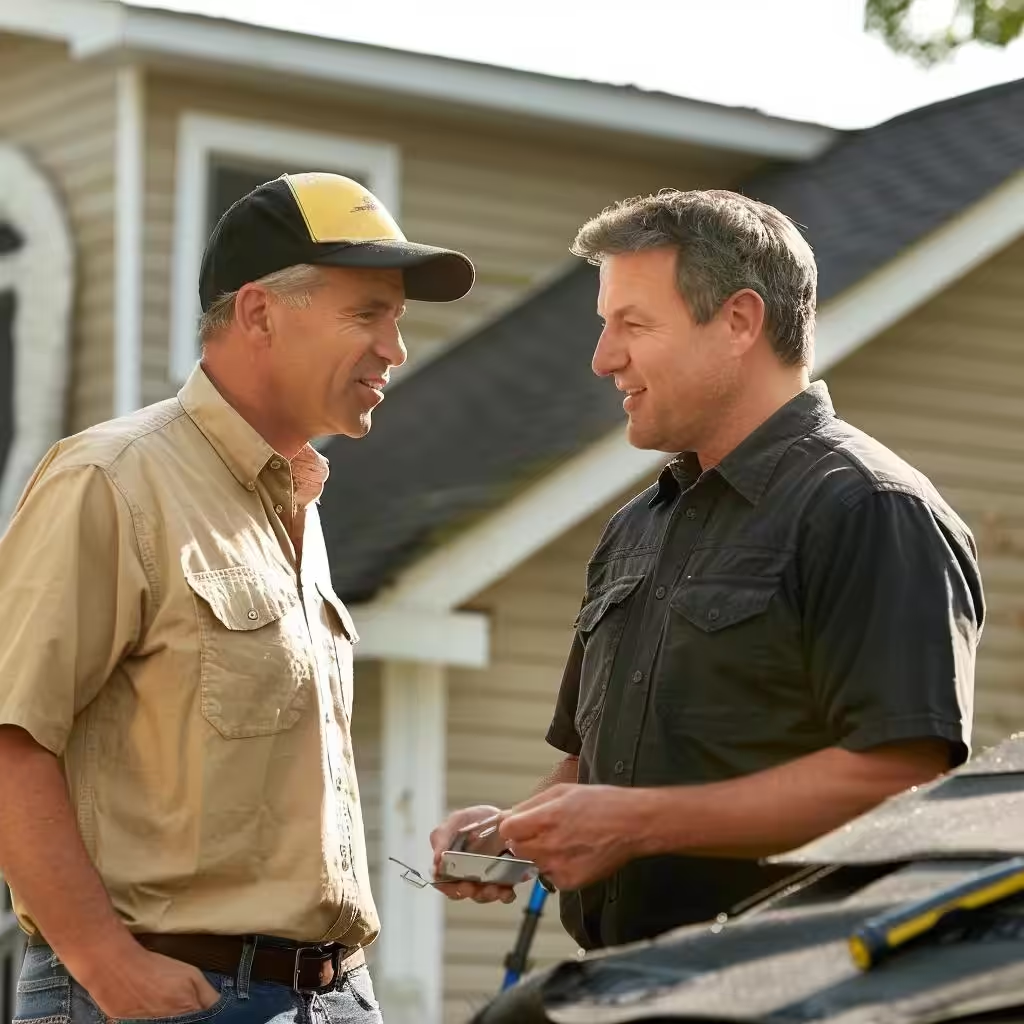
Repair costs vary based on damage severity, roofing materials, and labor complexity—understanding these factors helps homeowners plan budgets effectively.
What Factors Affect the Cost of Hurricane Roof Repair?
Roof size, pitch, and material determine labor time and material expense. Extent of secondary damage—such as deck rot or mold—adds remediation costs. Urgency of emergency tarping and 24/7 response fees influence overall pricing.
Factors Affecting Hurricane Roof Repair Costs
The cost of hurricane roof repair is influenced by several factors, including the roof’s size, pitch, and material, as well as the extent of secondary damage like deck rot or mold. The urgency of emergency tarping and the need for a 24/7 response also impact the overall pricing. Understanding these factors helps homeowners plan their budgets effectively.
This citation provides context for the cost factors discussed in the article.
What Are Average Repair Costs for Different Roof Types?
Below is a cost breakdown for common Charlotte roofing materials:
| Roof Type | Repair Cost Range | Typical Restoration Time |
|---|---|---|
| Asphalt Shingles | $300 – $1,500 | 1 – 3 days |
| Metal Panels | $1,000 – 5,000 | 2 – 4 days |
| Tile Roofing | $1,500 – 6,000 | 3 – 5 days |
When Is Full Roof Replacement Necessary vs. Repair?
Minor shingle losses or localized leaks merit targeted repairs, but widespread underlayment failure, structural rot, or repeated storm damage justify full replacement. Complete reroofs restore warranty coverage, offer improved energy efficiency, and eliminate recurring patch costs.
How Does Emergency Roof Tarping Cost and Insurance Coverage Work?
Emergency tarping typically ranges from $200 to $1,000 depending on roof size and accessibility. Most standard homeowners policies cover temporary roof covers if documented promptly. National Insurance Claim Specialist’s immediate tarping service is often billed directly to your insurer, reducing upfront out-of-pocket expenses.
How to Choose the Right Hurricane Roof Restoration Contractor in Charlotte NC?
Selecting a reputable contractor ensures quality workmanship, efficient scheduling, and reliable insurance support for lasting roof performance.
What Qualities Should You Look for in a Restoration Contractor?
- Valid licensing and insurance credentials.
- Experience with high-wind roofing systems and storm repairs.
- HAAG-certified inspectors or equivalent industry certifications.
- Positive local reviews and real-world case studies.
These criteria signal technical expertise, legal compliance, and customer satisfaction.
What Questions Should You Ask Before Hiring a Contractor?
- “Can you provide a detailed, line-item estimate?”
- “Do you handle insurance claim documentation?”
- “What warranty do you offer on materials and labor?”
- “How do you schedule emergency versus permanent repairs?”
Asking focused questions uncovers service transparency and performance guarantees.
Why Choose National Insurance Claim Specialist for Your Hurricane Roof Needs?
With years of Charlotte-area storm-damage experience, National Insurance Claim Specialist combines rapid 24/7 mobilization, advanced inspection technology, and personalized insurance advocacy. A one-year workmanship warranty and positive homeowner testimonials attest to consistent quality, making National Insurance Claim Specialist a trusted partner for hurricane roof damage restoration.
How Can You Prepare Your Roof for Hurricane Season in Charlotte NC?
Proactive roof maintenance and inspections reduce storm-damage risk and expedite emergency repairs when hurricanes approach.
What Are Essential Pre-Hurricane Roof Inspections and Maintenance Tips?
Schedule a certified roof inspection six weeks before hurricane season. Check for loose or missing shingles, damaged flashing, and clogged valleys. Reinforce ridge caps with corrosion-resistant nails and replace cracked vent boots. A thorough inspection uncovers vulnerabilities that can be fixed before high winds arrive.
How Does Gutter Maintenance Help Protect Your Roof?
Clean gutters and downspouts remove debris that can back up and force water under shingles during heavy rain. Installing gutter guards prevents blockages, while securely fastening hangers stops premature sagging. Proper water diversion safeguards fascia boards and roof edges against moisture damage. For further assistance, contact our restoration company.
What Steps Secure Loose Roof Elements Before a Storm?
Tie down or remove lightweight rooftop equipment, secure satellite dishes with hurricane straps, and trim overhanging tree limbs. Seal small cracks around vents and skylights with elastomeric caulk. These preemptive measures minimize debris impacts and reduce repair needs after the storm passes.
What Are the Most Frequently Asked Questions About Hurricane Roof Damage?
Homeowners often wonder about insurance coverage, claim timing, appeal options, and repair schedules for hurricane roof damage. Standard policies usually cover wind-related damage, while flood losses require separate flood insurance. Claims must be filed promptly—typically within 30 to 60 days of the event—to ensure full coverage. If a claim is denied, submitting an appeal with additional documentation or an engineer’s report can reverse the decision. Repairs generally begin within a week of claim approval, balancing emergency tarping, material ordering, and crew availability.
Charlotte’s unpredictable storms demand proactive planning and proven restoration strategies. By following these expert steps, understanding damage types, and working with a trusted partner like National Insurance Claim Specialist, homeowners and business owners can secure swift repairs, maximize insurance benefits, and protect their investments. Contact National Insurance Claim Specialist today at (704) 555-1234 or visit nicsrestoration.com for a free, no-obligation roof damage estimate.