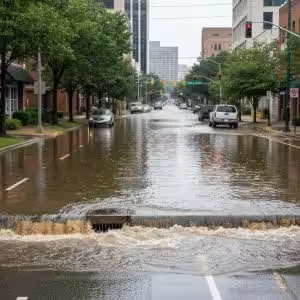
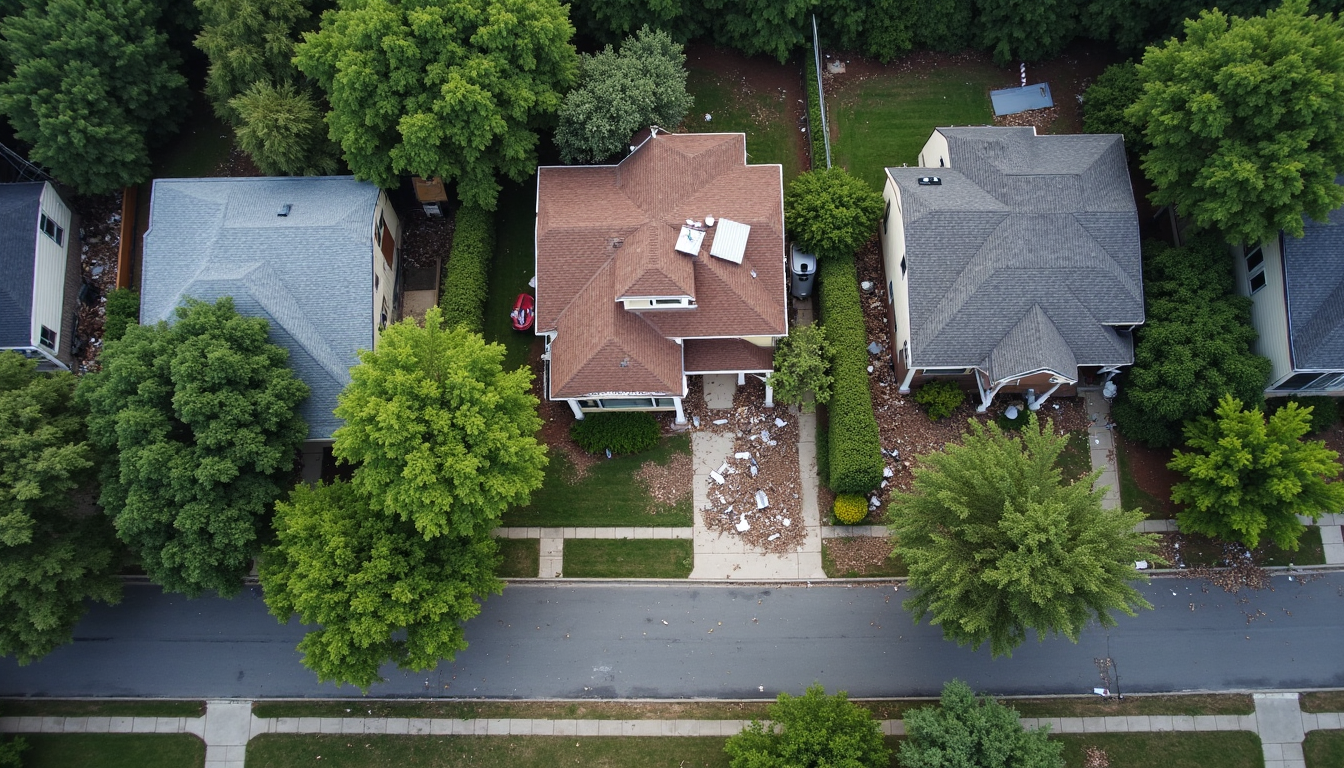
 Storms are getting more intense and unpredictable every year, and property damage costs in the US topped $165 billion due to weather disasters in 2022. Most people think cleaning up after is the hardest part. Surprisingly, the biggest difference between fast recovery and endless headaches comes down to how quickly and thoroughly you document the damage right after the storm hits. Here’s what really sets apart those who recover swiftly from those who struggle for months.
Table of Contents
Quick Summary
| Takeaway | Explanation |
| Immediate Documentation Is Crucial | Quickly document storm damage with photographs and detailed records to expedite recovery and insurance processes. Use multiple angles and timestamp your images for accuracy. |
| Proactive Mitigation Strategies Are Essential | Implement structural reinforcements like impact-resistant windows and flood barriers to minimize storm damage risks and enhance property resilience. |
| Thorough Insurance Claim Preparation | Prepare a comprehensive documentation portfolio, including photographs, repair estimates, and receipts, to support your insurance claim and reduce disputes. |
| Leverage Technology for Accurate Assessments | Utilize advanced technologies, such as drones and AI-powered analysis, to improve damage assessment efficiency and accuracy, facilitating quicker restoration efforts. |
| Maintain Clear Communication During Claims Process | Keep meticulous records during the insurance claims process, including logs of all communications and documentation submitted, to ensure a smooth and successful claims experience. |
Assess & Document Storm Damage Quickly
Storm damage can strike suddenly, leaving homeowners and property managers scrambling to understand the extent of destruction. Rapid and systematic documentation becomes crucial for insurance claims, disaster recovery, and protecting your financial interests.
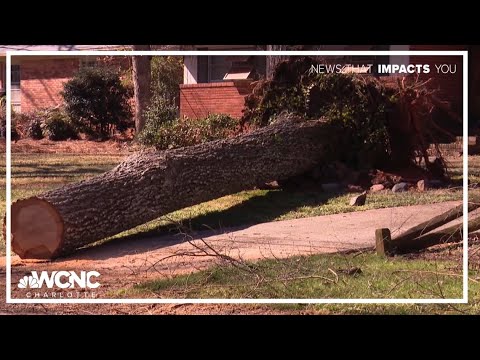
Immediate Documentation Strategies
When a storm passes, your first priority is creating a comprehensive damage record. Begin by prioritizing personal safety and ensuring no active hazards exist before starting your assessment. According to FEMA, immediate documentation can significantly expedite recovery and insurance processes.
Start with photographic evidence. Use your smartphone to capture detailed images of every damaged area. Photograph from multiple angles, ensuring clear visibility of structural damage, water intrusion, broken windows, roof issues, and damaged personal property. Include wide shots that provide context and close-up images that reveal specific damage details. Timestamp and geotag these photographs to create an irrefutable record.
Creating a Systematic Damage Report
A structured damage report transforms scattered photographs into a powerful documentation tool. Begin by creating a room-by-room inventory of damaged items. Use a spreadsheet or dedicated mobile app to track:
-
Item description
-
Estimated pre-damage value
-
Apparent damage level
-
Potential repair or replacement costs
Digital assessment tools can streamline this process dramatically. Insurance Claim Recovery Support recommends using apps that automatically embed GPS coordinates and organize photographic evidence, creating professional reports for claims and aid applications.
Professional Assessment and Documentation
While personal documentation is critical, professional storm restoration experts bring specialized knowledge to damage assessment. These professionals understand subtle damage indicators that untrained eyes might miss. They can provide:
-
Detailed written damage reports
-
Cost estimates for restoration
-
Recommendations for immediate mitigation steps
-
Expert insights for insurance claim preparation
Professional storm restoration techniques involve comprehensive evaluations that go beyond surface-level observations. Experts use thermal imaging, moisture meters, and structural assessment tools to uncover hidden damage that could compromise your property’s integrity.
Remember, thorough documentation is your strongest ally in storm recovery. Every photograph, every detailed note, and every professional assessment contributes to a comprehensive record that protects your property and financial interests. Act quickly, be systematic, and prioritize both immediate safety and long-term recovery.
Time is of the essence when documenting storm damage. The sooner you begin your assessment, the more accurately you can record the full extent of destruction and initiate the recovery process.
Proven Damage Mitigation Strategies
When severe storms threaten property, proactive mitigation strategies can mean the difference between minimal damage and catastrophic loss. Strategic preparation and targeted interventions can significantly reduce the potential for extensive storm-related destruction.
Structural Reinforcement Techniques
Preparing your property against storm damage starts with robust structural reinforcement. According to Marsh Risk Consulting, enhancing property resilience requires comprehensive approaches to building protection.
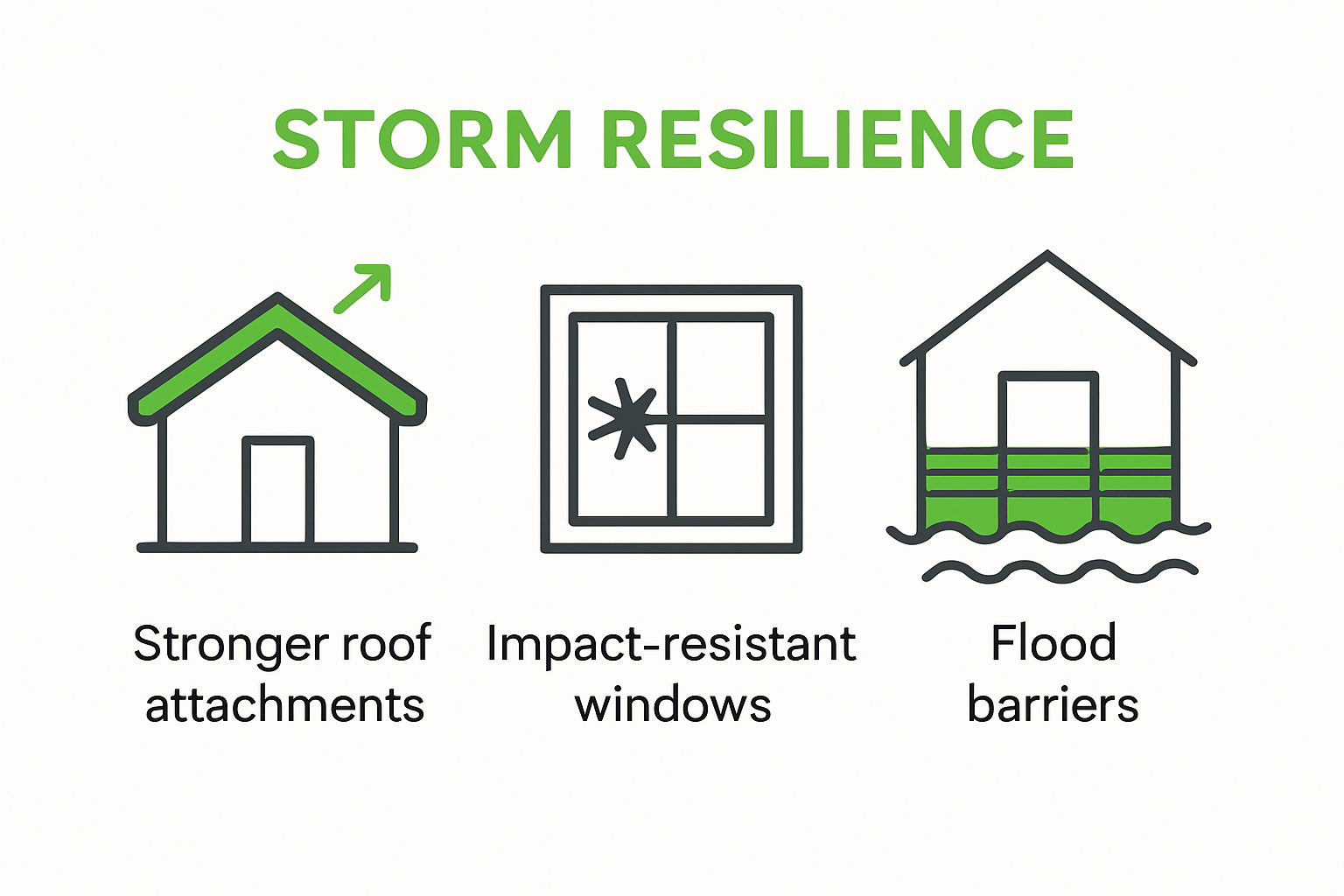 Key structural reinforcement strategies include:
-
Upgrading roof attachment systems to withstand high winds
-
Installing impact-resistant windows and doors
-
Reinforcing exterior walls with additional bracing
-
Implementing flood barriers and waterproofing techniques
-
Securing loose exterior elements like satellite dishes and outdoor equipment
These modifications create a more resilient building envelope that can better resist storm-related stresses. Professional storm restoration experts can assess your property and recommend specific reinforcement techniques tailored to your location and potential weather risks.
Advanced Risk Management Strategies
McGriff Insurance emphasizes the critical importance of comprehensive emergency action planning. Developing a systematic approach to storm preparedness involves multiple strategic components:
-
Creating detailed business continuity plans
-
Establishing clear communication protocols during emergencies
-
Implementing real-time monitoring systems
-
Developing rapid response mechanisms
-
Training personnel in emergency procedures
Real-time data and science-based risk assessments provide crucial insights. The US Geological Survey Coastal Storm Team demonstrates how targeted data collection enables more effective mitigation and recovery strategies.
Technology-Driven Protection Approaches
Modern storm restoration techniques increasingly leverage advanced technologies to minimize potential damage. Innovative solutions include:
-
Smart sensors that detect water intrusion and structural stress
-
Automated emergency shutdown systems for critical infrastructure
-
Predictive modeling software for storm trajectory and potential impact
-
Drone-based damage assessment technologies
-
Mobile applications for real-time emergency coordination
These technological interventions transform traditional reactive approaches into proactive damage prevention strategies. By integrating sophisticated monitoring and response systems, property owners can significantly reduce potential storm-related losses.
Storm mitigation is not about eliminating all risks but strategically managing and minimizing potential damage. Each implemented strategy represents an investment in property protection and long-term resilience. Comprehensive preparation combines structural improvements, strategic planning, and cutting-edge technologies to create a robust defense against severe weather challenges.
Efficient Restoration Planning & Execution
Storm restoration requires a strategic and systematic approach that combines advanced technologies, meticulous planning, and rapid response capabilities. Efficient planning transforms potential chaos into a structured recovery process that minimizes downtime and accelerates property rehabilitation.
Strategic Recovery Framework
Developing a comprehensive restoration strategy begins with understanding the complex landscape of storm damage recovery. According to Inveni IT Consulting, a successful disaster recovery plan must integrate multiple critical components that work seamlessly together.
Key elements of an effective restoration framework include:
-
Prioritizing critical infrastructure restoration
-
Establishing clear communication channels
-
Creating flexible response protocols
-
Developing pre-approved vendor and resource networks
-
Implementing scalable recovery mechanisms মুহুর্তে
Successful storm restoration techniques require adaptability. Each storm presents unique challenges, demanding a dynamic approach that can quickly adjust to changing conditions and unexpected complications.
Technology-Enhanced Damage Assessment
Power Solutions Technologies highlights how advanced technologies are revolutionizing damage assessment and restoration processes. Modern restoration teams now leverage cutting-edge tools that dramatically improve efficiency and accuracy:
-
Drone-based aerial damage mapping
-
AI-powered damage analysis systems
-
Geographic Information System (GIS) mapping technologies
-
Real-time data integration platforms
-
Advanced remote sensing equipment
These technological innovations enable restoration professionals to assess damage faster, more accurately, and with minimal human risk. Drones can quickly survey large areas, providing comprehensive visual assessments without requiring direct human intervention in potentially dangerous environments.
Coordinated Recovery Execution
The U.S. Geological Survey Coastal Storm Team emphasizes the importance of coordinated recovery efforts. Successful restoration is not just about technology but about creating a synchronized response involving multiple stakeholders.  Effective execution requires:
-
Seamless communication between property owners, insurers, and restoration professionals
-
Clear documentation and reporting protocols
-
Staged restoration approaches that address immediate and long-term recovery needs
-
Continuous performance monitoring and adaptation
-
Robust resource allocation strategies
Restoration is more than repairing physical damage. It is about rebuilding confidence, minimizing economic disruption, and creating resilient structures that can withstand future challenges. By combining strategic planning, advanced technologies, and collaborative approaches, property owners can transform storm damage into an opportunity for improvement and modernization.
The most successful restoration efforts view challenges as opportunities for innovation, using each recovery experience to build more robust, adaptive systems for future protection.
Navigating Insurance Claims Effectively
Storm damage insurance claims can be complex and overwhelming, requiring strategic preparation and detailed documentation. Understanding the nuanced process can make the difference between a smooth claim experience and prolonged financial stress.
Comprehensive Documentation Preparation
Insurance Claim Recovery Support emphasizes that thorough documentation serves as the foundation of successful insurance claims. Before initiating your claim, compile a comprehensive damage portfolio that includes:
-
High-resolution photographs documenting every aspect of storm damage
-
Detailed written descriptions of all impacted areas
-
Professional repair estimates from licensed contractors
-
Inventory of damaged personal property with estimated replacement costs
-
Receipts for emergency repairs or temporary accommodations
Each piece of documentation acts as evidence supporting your claim. Professional-quality documentation reduces the likelihood of claim disputes and helps ensure fair compensation for storm-related damages.
Strategic Claim Submission Process
Roofing by Landmark recommends a systematic approach to insurance claim submission. Key strategies include:
-
Contacting your insurance provider immediately after damage assessment
-
Requesting a specific claims adjuster assignment
-
Scheduling a comprehensive property inspection
-
Having a professional contractor present during the adjuster’s walkthrough
-
Documenting all communication with insurance representatives
Professional contractors can provide expert insights during the inspection, ensuring that subtle or hidden damages are properly identified and included in the claim. Their presence can prevent potential underestimation of repair costs.
Communication And Follow-Up Protocols
ServiceMaster Restore highlights the importance of meticulous record-keeping throughout the claims process. Effective communication involves:
-
Maintaining a dedicated claims communication log
-
Recording dates of all interactions
-
Noting names and contact information of insurance representatives
-
Keeping copies of all submitted documentation
-
Following up regularly on claim status
-
Understanding your specific insurance policy details
Successful insurance claims require patience, persistence, and precise documentation. By approaching the process systematically and maintaining comprehensive records, property owners can significantly improve their chances of receiving fair and timely compensation for storm-related damages.
Remember that your insurance policy is a contract designed to protect you. Approach the claims process as a collaborative effort, providing clear evidence and maintaining professional communication to achieve the best possible outcome.
Frequently Asked Questions
What are the first steps to document storm damage after a storm?
To document storm damage, prioritize safety, then take detailed photographs from multiple angles of the affected areas. Timestamp and geotag these images for accurate records, and create a room-by-room inventory of damaged items including their estimated values.
How can I effectively mitigate storm damage to my property?
Mitigating storm damage involves implementing structural reinforcements such as impact-resistant windows, flood barriers, and securing loose outdoor items. Developing a comprehensive emergency action plan and utilizing technology-driven approaches can also enhance property resilience.
What should I include in my insurance claim for storm damage?
Include high-resolution photographs of the damage, detailed written descriptions, professional repair estimates, an inventory of damaged personal property with estimated replacement costs, and receipts for any emergency repairs. Comprehensive documentation supports your claim and helps reduce disputes.
How can technology assist in storm damage restoration?
Technology enhances storm damage restoration through tools like drones for aerial damage mapping, AI-powered damage analysis, and real-time data integration platforms. These technologies improve assessment efficiency and accuracy, facilitating quicker and safer restoration efforts.
Restore, Recover, and Rebuild with National Insurance Claim Specialist
After a storm, the most important thing you can do is act fast—just as our guide on storm restoration highlights. Quick and thorough documentation of damage, along with proactive mitigation strategies, can drastically influence your recovery experience. But navigating the complexities of insurance claims can feel overwhelming, especially when time is of the essence. That’s where National Insurance Claim Specialist (NICS) comes in!
Our team of licensed professionals specializes in transforming chaos into clarity. Forget the headaches and uncertainties that often accompany storm damage claims. We offer personalized, ethical service tailored to your unique situation. Whether you need help with comprehensive damage documentation, strategic claim submission processes, or coordinated recovery execution, NICS is here to ensure you receive every dollar you are entitled to—fast!
Don’t wait until it’s too late! Visit National Insurance Claim Specialist today and let us guide you through restoring your peace of mind and property. Your path to recovery starts now—are you ready to take that first step?