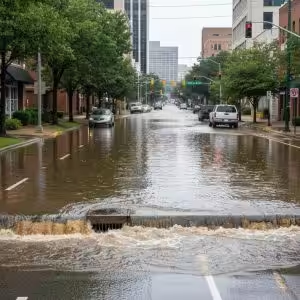
Storms in Charlotte are packing a punch and the average homeowner claim after severe weather is now over $11,000. Most people think insurance will handle it all. Shockingly, one small documentation slip or missed deadline could leave you with nothing. Here is what really matters when filing a claim in 2025.
Table of Contents
- Understanding Storm Damage Coverage In Charlotte
- Key Steps To Filing A Storm Damage Claim
- Avoiding Common Insurance Claim Mistakes
- Tips For Working With Adjusters And Attorneys
Quick Summary
| Takeaway | Explanation |
|---|---|
| Document Damage Immediately | Homeowners should capture clear photographs and detailed records of all storm damage right after an event to support their insurance claims. |
| Understand Policy Limitations | Review insurance policies carefully to identify exclusions, such as flood damage, and ensure coverage is adequate for potential storm risks. |
| Report Claims Promptly | Contact your insurance provider within 24-48 hours of discovering damage to increase the likelihood of a successful claim. |
| Maintain Detailed Communication Records | Keep meticulous logs of all interactions with insurance representatives, including dates, names, and specifics of discussions to aid in the claims process. |
| Consider Professional Help When Necessary | Engage a public adjuster or legal professional if there are significant disputes or if claim settlements do not adequately cover damage. |
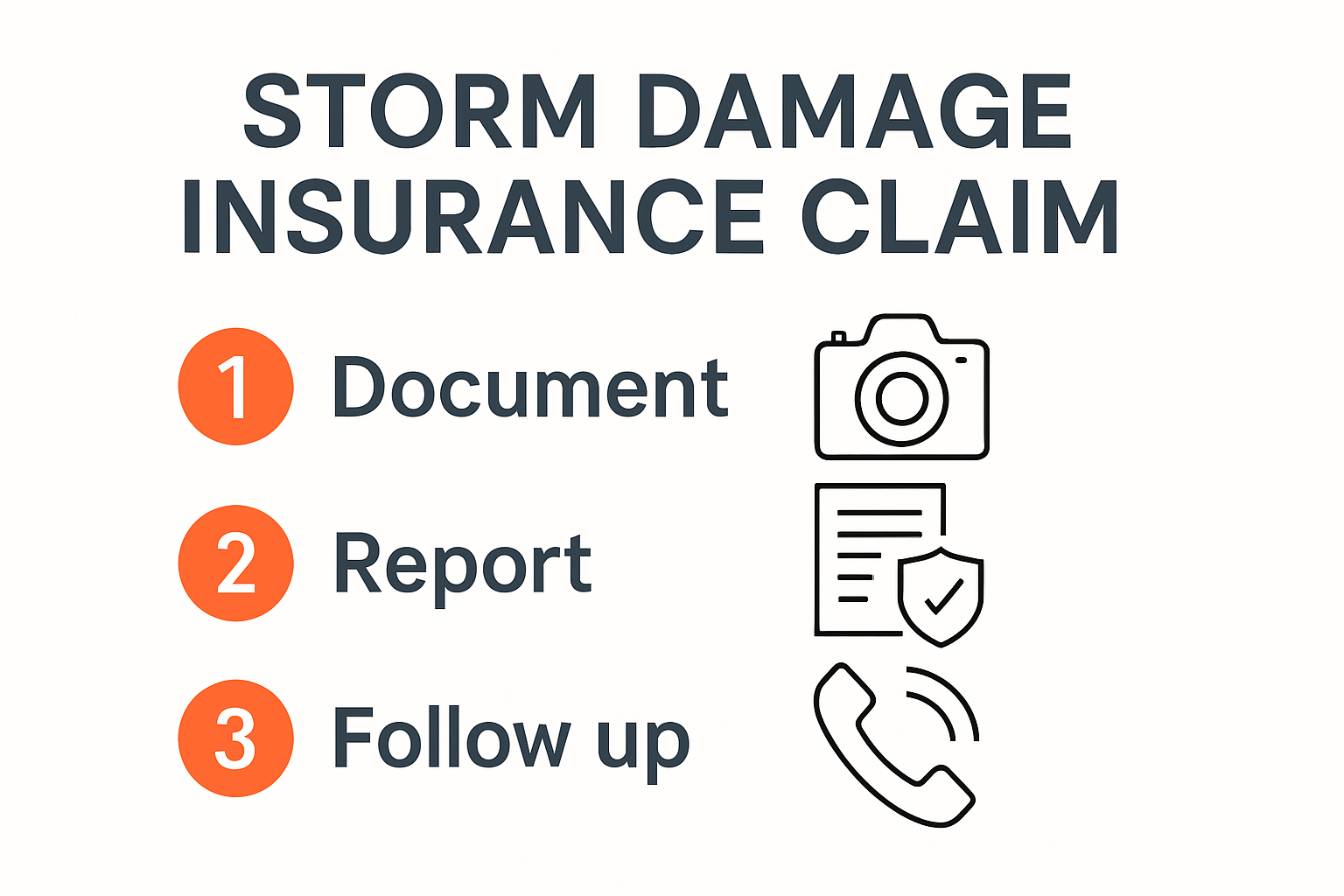
Understanding Storm Damage Coverage in Charlotte
Storm damage insurance in Charlotte represents a critical financial protection strategy for property owners facing the region’s unpredictable weather patterns. North Carolina experiences diverse severe weather events, including hurricanes, thunderstorms, and occasional winter storms that can cause significant property damage.
Types of Storm Damage Typically Covered
To help clarify coverage, the following table summarizes common types of storm damage and whether they’re typically included in standard Charlotte homeowners policies.
| Type of Storm Damage | Typically Covered by Standard Policy? | Notes/Exceptions |
|---|---|---|
| Wind Damage (Hurricanes/Tornadoes) | Yes | Roofs, windows, exterior and interior damage |
| Hail Damage | Yes | May require additional endorsements |
| Fallen Trees (from Wind/Storm) | Yes | Coverage for structure if tree falls due to storm |
| Flooding | No | Requires separate flood insurance |
| Water Intrusion (after roof breach) | Yes | As long as entry point was storm-related |
| Lightning Strikes | Yes | Includes fire/electrical surges |
| Earth Movement (landslides, sinkholes) | No | Typically excluded, specialized coverage needed |
Homeowners insurance policies in Charlotte generally cover storm damage caused by specific weather events. Wind damage typically receives comprehensive coverage, including damages from hurricanes and tornadoes. Learn more about comprehensive storm recovery reveals that most standard policies cover roof damage, broken windows, structural impacts, and interior water damage resulting from wind-related incidents.
The National Weather Service indicates that property owners should carefully review their policy’s specific provisions. Some critical storm damage coverage elements include:
- Roof Replacement: Damage from wind, hail, or falling trees
- Structural Repairs: Comprehensive coverage for building framework
- Personal Property Protection: Replacement of damaged household items
Navigating Insurance Claims After Storm Damage
Successful storm damage insurance claims require meticulous documentation and prompt action. Insurance Information Institute recommends homeowners take immediate steps following a storm event:
- Document all damage with clear photographs
- Prevent further damage by making temporary repairs
- Contact your insurance provider immediately
- Keep detailed records of all repair expenses
Most Charlotte homeowners are unaware that insurance providers have specific timelines for filing storm damage claims. The typical window ranges from 12 to 24 months, depending on the policy and type of damage. However, early reporting significantly increases the likelihood of a successful claim.
Understanding Policy Limitations
Not all storm damage receives automatic coverage. North Carolina Department of Insurance emphasizes that policies often have specific exclusions. Flood damage, for instance, typically requires separate flood insurance. Homeowners should carefully review their policy’s fine print and understand potential coverage gaps.
Critical factors influencing storm damage coverage include:
- Property location within storm-prone zones
- Age and maintenance condition of the property
- Specific policy endorsements and riders
- Deductible structures for different types of storm events
Property owners in Charlotte should conduct an annual policy review to ensure adequate protection against evolving weather risks. Consulting with an insurance professional can help identify potential coverage enhancements and understand the nuanced landscape of storm damage insurance.
Key Steps to Filing a Storm Damage Claim
Filing a storm damage claim requires strategic planning and meticulous attention to detail. Property owners in Charlotte must understand the precise process to maximize their insurance recovery and minimize potential complications.
Initial Assessment and Documentation
The next table organizes essential documentation strategies for claim success, providing a quick reference for property owners.
| Documentation Technique | Description |
|---|---|
| Photographic Evidence | Take clear, date-stamped photos of all damage |
| Detailed Inventory | List damaged items with approximate replacement costs |
| Repair Estimates | Obtain assessments from licensed contractors |
| Digital Archive | Store all photos, logs, reports, and communication in a dedicated folder |
| Professional Photographs | Consider using a professional for objective, high-quality, timestamped photos |
Immediate documentation becomes crucial after experiencing storm damage. Mastering the Claim Process: How to File for Roof Damage recommends creating a comprehensive damage record before cleanup begins. The Insurance Information Institute suggests several critical documentation strategies:
- Photographic Evidence: Take clear, date-stamped photographs of all damage
- Detailed Inventory: List damaged items with approximate replacement costs
- Repair Estimates: Obtain professional assessments from licensed contractors
Property owners should create a dedicated digital folder containing all documentation, ensuring easy access during the claims process. Professional photographs can significantly strengthen insurance claims by providing objective, timestamped evidence of storm-related destruction.
Navigating the Claims Process
Submitting a claim requires careful communication with your insurance provider. North Carolina Department of Insurance emphasizes the importance of prompt reporting. Most insurance companies mandate claim filing within specific timeframes following a storm event.
Key communication steps include:
- Contact your insurance agent within 24-48 hours of discovering damage
- Provide comprehensive documentation of all storm-related impacts
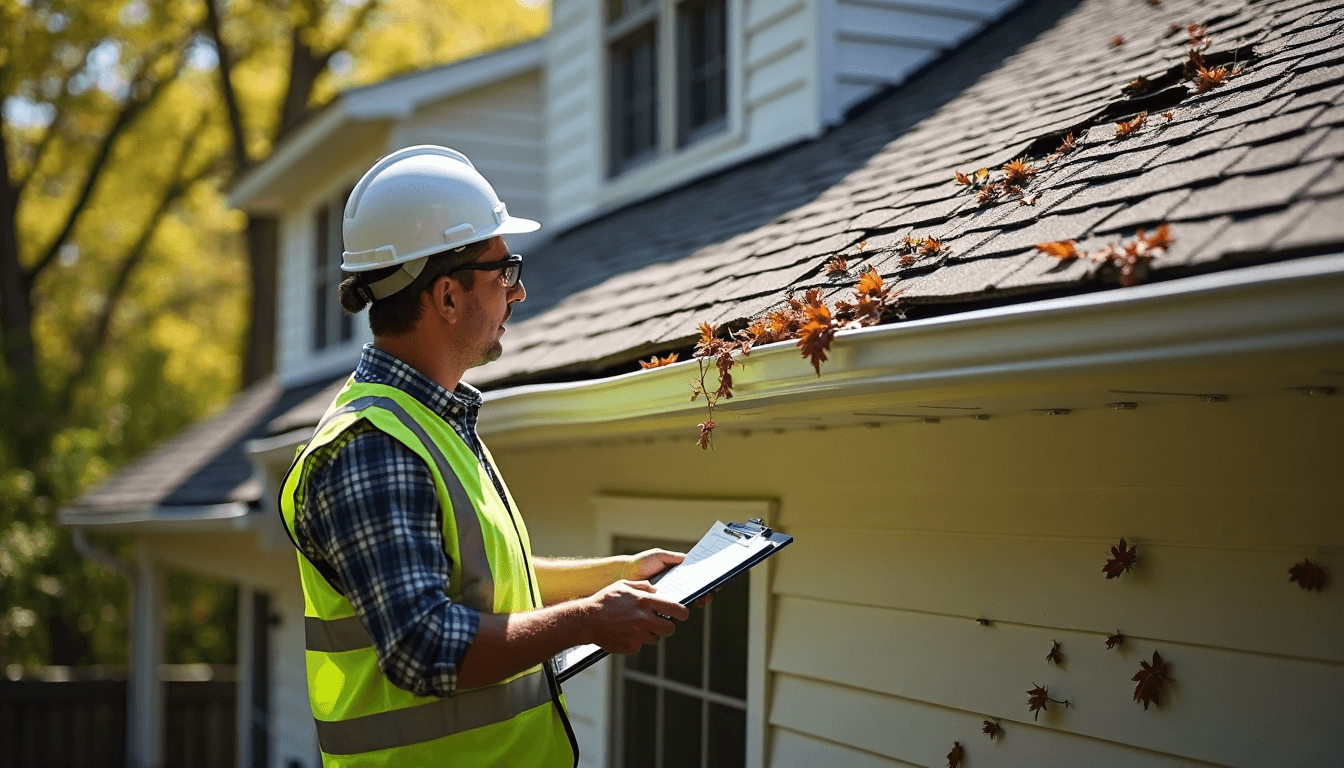
- Request an official claims adjuster inspection
- Maintain detailed records of all conversations and correspondence
The National Association of Insurance Commissioners recommends keeping a detailed log of all interactions, including names, dates, and specific details discussed during each communication.
Understanding Potential Challenges
Storm damage claims often encounter complex challenges that can impact recovery. Patience Pays Off: How Long to Claim Hail Damage on Your Roof highlights potential obstacles property owners might face during the claims process.
Common challenges include:
- Disputed damage assessments
- Insufficient documentation
- Policy coverage limitations
- Delayed insurance responses
Property owners should prepare for potential negotiations by understanding their policy details, maintaining comprehensive documentation, and potentially consulting with a public adjuster or legal professional specializing in insurance claims.
Successful storm damage claims require patience, thorough documentation, and proactive communication. Charlotte property owners who approach the process systematically increase their chances of receiving fair compensation for storm-related damages.
Avoiding Common Insurance Claim Mistakes
Storm damage insurance claims in Charlotte require strategic navigation to ensure successful recovery. Property owners frequently encounter pitfalls that can significantly compromise their ability to receive fair compensation for storm-related damages.
Documentation and Evidence Preservation
One of the most critical aspects of a successful insurance claim involves meticulous documentation. Insurance Information Institute emphasizes that inadequate evidence can severely undermine claim effectiveness. Property owners should create a comprehensive damage record that includes:
- Systematic Photographic Evidence: High-resolution images documenting every aspect of damage
- Detailed Damage Logs: Chronological records of when and how damage occurred
- Professional Assessment Reports: Expert evaluations from licensed contractors
The National Association of Insurance Commissioners recommends creating a digital archive with timestamped documentation. These records serve as critical evidence during the claims process, protecting homeowners from potential disputes.
Communication and Procedural Mistakes
Miscommunication represents a significant risk in storm damage insurance claims. North Carolina Department of Insurance highlights several common communication errors that can jeopardize claim success:
- Delayed reporting of damage
- Incomplete or inconsistent documentation
- Unauthorized repairs before insurance assessment
- Inadequate understanding of policy details
Property owners should maintain detailed communication logs, documenting every interaction with insurance representatives. Understand the importance of precise claim documentation by keeping copies of all correspondence, including emails, letters, and phone call summaries.
Financial and Legal Considerations
Financial missteps can significantly impact storm damage insurance claims. The Insurance Research Council identifies several critical financial mistakes property owners frequently make:
- Accepting initial settlement offers without thorough review
- Failing to understand policy deductibles and coverage limits
- Neglecting to track repair and mitigation expenses
- Overlooking potential additional living expenses during repairs
Property owners should consider consulting with a public adjuster or insurance claim specialist who can provide professional guidance. These experts can help identify potential coverage opportunities and negotiate more effectively with insurance providers.
Understanding and avoiding these common mistakes can dramatically improve the likelihood of a successful storm damage insurance claim. Charlotte property owners who approach the claims process with knowledge, preparation, and strategic documentation significantly enhance their chances of receiving fair and comprehensive compensation for storm-related damages.
Tips for Working With Adjusters and Attorneys
Navigating the complex landscape of storm damage insurance claims requires strategic interactions with insurance adjusters and potentially legal professionals. Charlotte property owners must understand the nuanced dynamics of these critical relationships to maximize their claim’s potential.
Understanding the Role of Insurance Adjusters
Insurance adjusters serve as the primary intermediaries between property owners and insurance companies. North Carolina Department of Insurance emphasizes the importance of understanding their role and preparing comprehensive documentation. Effective communication with adjusters involves:
- Detailed Documentation: Presenting organized, thorough evidence of storm damage
- Professional Demeanor: Maintaining calm and professional interactions
- Comprehensive Information: Providing clear, concise details about the damage
The Insurance Information Institute recommends preparing a comprehensive damage portfolio before the adjuster’s initial inspection. Learn more about precise claim documentation to ensure you present the most compelling evidence possible.
Navigating Potential Disputes
Disputes can arise during the claims process, requiring strategic approach and potential legal intervention. American Bar Association suggests several critical strategies for managing potential conflicts:
- Document all communication meticulously
- Understand your policy’s specific terms
- Request detailed explanations for claim decisions
- Consider professional legal consultation if significant disagreements emerge
Property owners should be prepared to challenge assessments that seem unfair or inadequate. The National Association of Insurance Commissioners recommends maintaining a comprehensive record of all interactions and keeping copies of all relevant documentation.
When to Engage Legal Professionals
Some storm damage claims require specialized legal expertise. Complex scenarios that might necessitate attorney involvement include:
- Significant property damage exceeding policy limits
- Disputed claim valuations
- Potential bad faith insurance practices
- Structural damage requiring extensive repairs
The Insurance Research Council indicates that property owners should consider legal consultation when insurance settlements fail to cover the full extent of storm-related damages. Attorneys specializing in insurance claims can provide critical guidance in negotiating fair compensation.
Successful storm damage claims demand a proactive, informed approach. Charlotte property owners who understand the intricacies of working with adjusters and potentially attorneys can significantly improve their chances of receiving comprehensive compensation for storm-related damages. Preparation, documentation, and strategic communication remain the cornerstone of effective insurance claim resolution.
Frequently Asked Questions
What types of storm damage are typically covered by homeowners insurance in Charlotte?
Most standard homeowners insurance policies in Charlotte cover wind damage, hail damage, fallen trees, water intrusion (if storm-related), and lightning strikes. However, flood damage is usually not covered and requires a separate policy.
How should I document storm damage for my insurance claim?
Document storm damage by taking clear, date-stamped photographs, creating a detailed inventory of damaged items, and obtaining repair estimates from licensed contractors. Keep all records organized in a digital archive for easy access during the claims process.
What is the timeframe for filing a storm damage claim in Charlotte?
Homeowners should contact their insurance provider within 24-48 hours of discovering damage. Most policies allow a filing window of 12 to 24 months, but prompt reporting increases the chances of a successful claim.
When should I consider hiring a public adjuster or attorney for my claim?
You may want to hire a public adjuster or attorney if you face significant disputes over your claim, if the insurance settlement does not cover your damages adequately, or if you’re dealing with complex storm damage issues exceeding your policy limits.
Turn Insurance Confusion Into Confidence With Expert Help
Have you ever worried that missing a single piece of documentation or misreading your policy could cost you thousands after a storm? This guide has shown how complex storm damage claims in Charlotte can be. Many homeowners end up frustrated by confusing coverage limits, strict deadlines, and denied claims. When your peace of mind depends on the outcome, you deserve guidance you can trust.
National Insurance Claim Specialist (NICS) has helped countless families in Charlotte move past the stress and reclaim full value for their storm-damaged homes. From documenting every detail to communicating with insurance adjusters, our licensed team stands by you through every step. Discover how you can secure the maximum compensation for your claim by exploring our comprehensive disaster recovery solutions. Want a personalized strategy to safeguard your property and finances after a storm? Schedule a professional consultation at NICS today and get the support you need before time runs out.
Recommended
- Storm Damage Repair Costs: What to Expect in 2025 – Fire Damage Repair and Water Damage Repair Charlotte NC
- Charlotte Restoration: Find Top Disaster Recovery Services
- Patience Pays Off: How Long to Claim Hail Damage on Your Roof – Fire Damage Repair and Water Damage Repair Charlotte NC
- Expert Fire Damage Restoration Services – Fire Damage Repair and Water Damage Repair Charlotte NC
- Mastering the Claim Process: How to File for Roof Damage – Fire Damage Repair and Water Damage Repair Charlotte NC
- Rebuilding Lives: Understanding the Significance of Restoration Services After a Disaster – Fire Damage Repair and Water Damage Repair Charlotte NC