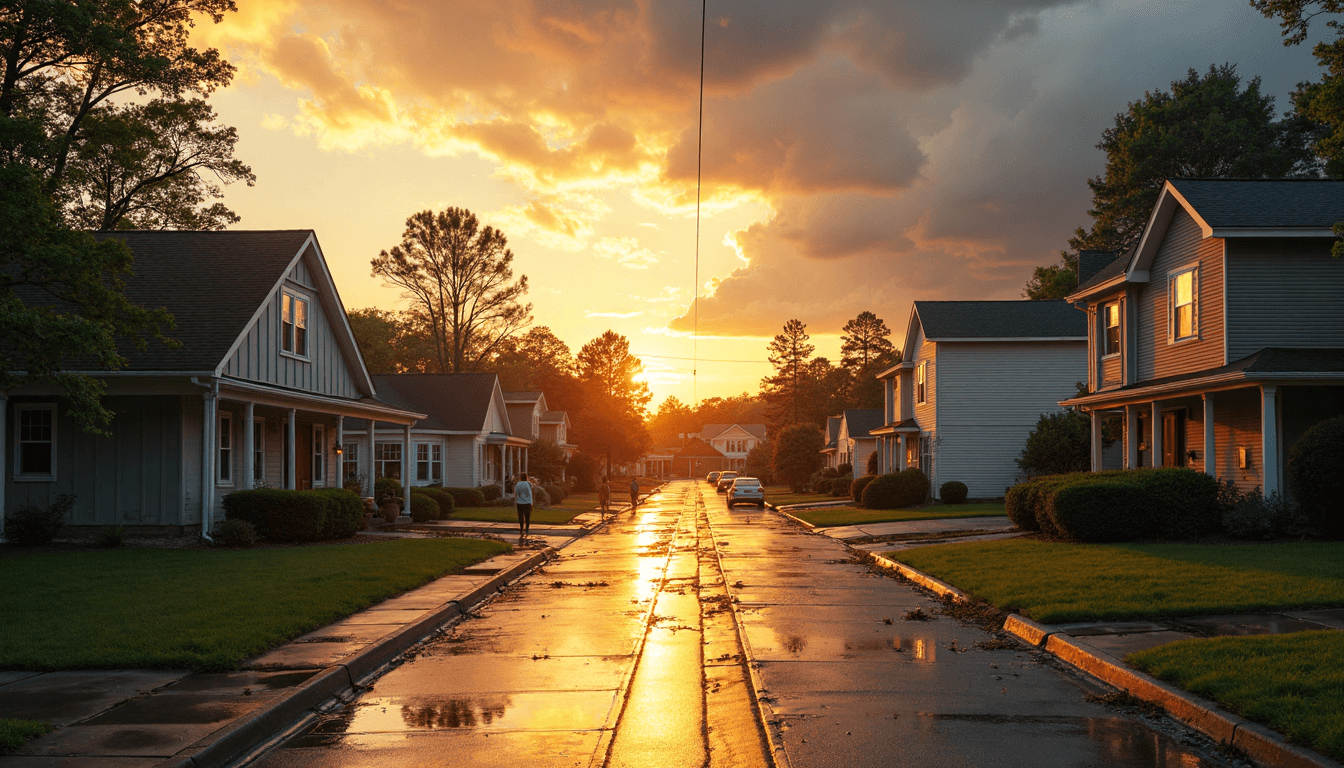
Roof damage might seem like a distant worry until you realize that Charlotte homes face about 5 major storms every year, mainly between May and September. Most people think the real challenge is just fixing what the weather breaks. Turns out, the toughest part is actually getting your insurance claim approved and paid fairly. What you do in the first 30 to 60 days after a storm can make all the difference in whether you get the payout you deserve.
Table of Contents
- Common Causes Of Roof Damage In Charlotte
- Understanding Roof Damage Insurance Coverage
- How To File A Roof Damage Insurance Claim
- Tips For A Successful Roof Insurance Claim
Quick Summary
| Takeaway | Explanation |
|---|---|
| Severe Weather Threats | Charlotte experiences approximately 5 significant storm events annually (mostly from May to September) that can rapidly damage roofing structures due to hail and high winds. |
| Insurance Coverage Nuances | Homeowners should understand their insurance policy’s specific terms, particularly regarding covered perils, exclusions for lack of maintenance, and depreciation/APV calculations to maximize claim payouts. |
| Thorough Documentation is Key | Timely and detailed documentation (photos, written descriptions, and professional reports) of roof damage is crucial for a successful insurance claim, ideally within 30 to 60 days of the incident. |
| Professional Inspections Recommended | Obtaining a professional roof inspection can identify underlying damages that strengthen insurance claims and provide expert-backed documentation for adjusters. |
| Strategic Claim Navigation | Homeowners should maintain clear communication with their insurance provider, understand their rights, and prepare for negotiations to ensure fair compensation during the claims process. |
Common Causes of Roof Damage in Charlotte
Roof damage in Charlotte presents complex challenges for homeowners, driven by a combination of environmental factors and regional weather patterns. Understanding these causes is crucial for proactive property maintenance and effective insurance claim preparation.
Severe Weather Impact on Roofing Structures
Charlotte experiences a dynamic weather environment that consistently threatens residential roofing systems. The region encounters multiple severe weather scenarios that can rapidly deteriorate roof integrity. Hailstorms pose significant risks, with high velocity ice pellets capable of puncturing shingles, creating microscopic damage that compromises long term roof performance. Wind events are equally destructive, with gusts often exceeding 50 miles per hour during hurricane season, potentially lifting and removing roofing materials.
Local meteorological data suggests Charlotte averages approximately 5 significant storm events annually that can cause substantial roof damage. These storms typically occur between May and September, creating a concentrated window of potential structural vulnerability. Homeowners must recognize that seemingly minor storm damage can escalate quickly without immediate professional assessment.
Environmental and Structural Degradation Factors
Beyond acute weather events, Charlotte’s unique environmental conditions contribute to gradual roof deterioration. The region’s high humidity levels create ideal conditions for moss and algae growth, which can compromise shingle integrity over time. Research from the National Roofing Contractors Association indicates that organic growth can create moisture retention problems, leading to wood rot and structural weakening.
Tree proximity represents another critical factor in roof damage potential. Overhanging branches create constant abrasion against roofing materials, while fallen limbs during storms can cause immediate and catastrophic damage. Annual tree maintenance and strategic pruning become essential preventative measures for Charlotte homeowners seeking to protect their roofing investments.
Age and Material Degradation Considerations
Roofing materials in Charlotte face accelerated aging due to extreme temperature fluctuations. The region experiences significant temperature variations, with summer temperatures reaching above 90 degrees Fahrenheit and winter temperatures occasionally dropping below freezing. These dramatic shifts create continuous expansion and contraction cycles that stress roofing materials.
Asphalt shingles, commonly used in Charlotte residential construction, typically have a 15 to 25 year functional lifespan. However, local environmental stress can dramatically reduce this expected duration. Homeowners should conduct regular professional inspections to assess material integrity and potential emerging damage.
Learn more about our comprehensive roof damage assessment process.
Understanding these multifaceted causes of roof damage empowers Charlotte homeowners to take proactive measures, protecting their property and preparing for potential insurance claims with strategic awareness and professional guidance.
Here is a table summarizing the main causes of roof damage in Charlotte as outlined above for easier reference:
| Cause of Damage | Description/Effect |
|---|---|
| Severe Weather (Hail/Wind) | 5 significant storm events per year, May-Sept; hail punctures, wind lifts |
| High Humidity | Promotes moss/algae growth leading to moisture retention and wood rot |
| Tree Proximity/Branches | Abrasion from overhanging branches; fallen limbs cause immediate damage |
| Temperature Fluctuations | Expansion/contraction cycles stress materials; accelerates aging |
| Material Aging | Asphalt shingles age faster; lifespan 15-25 years, often shortened locally |
| Lack of Regular Maintenance | Undetected minor issues can escalate into major structural problems |
Understanding Roof Damage Insurance Coverage
Navigating roof damage insurance coverage requires a comprehensive understanding of policy nuances, exclusions, and strategic documentation. Homeowners in Charlotte must recognize that insurance protection is not a universal solution but a complex framework of specific conditions and limitations.
Types of Insurance Coverage for Roof Damage
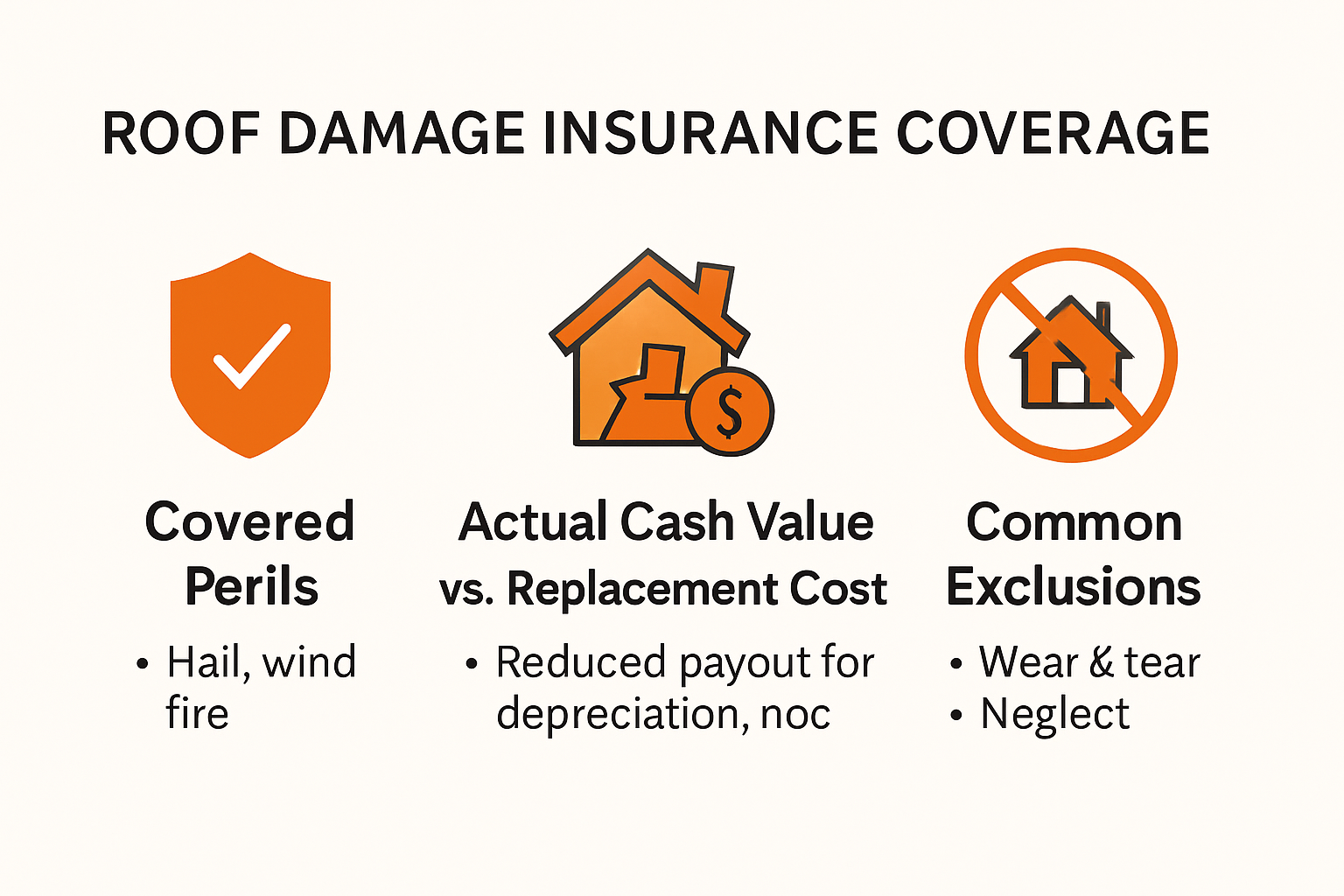
Homeowners insurance typically provides coverage for roof damage under two primary scenarios. Insurance Information Institute indicates that sudden and accidental damage caused by external events like severe storms, hail, wind, and falling objects are generally covered. These events fall under what insurers term “covered perils,” which form the foundation of most standard homeowner policies.
However, coverage is not absolute. Damage resulting from lack of maintenance, gradual deterioration, or normal wear and tear is typically excluded. Insurers expect homeowners to perform routine maintenance and address minor issues before they escalate into significant structural problems. This means proactive roof maintenance is not just a recommended practice but a potential insurance compliance requirement.
Depreciation and Actual Cash Value Considerations
Most homeowner insurance policies utilize actual cash value (ACV) calculations for roof damage claims. National Association of Insurance Commissioners explains that ACV accounts for the roof’s age and existing condition, which means depreciation significantly impacts claim payouts. A 15 year old roof will receive substantially less compensation compared to a newer roofing system.
Some progressive insurance policies offer replacement cost coverage, which provides funds to replace the entire roof without factoring in depreciation. Homeowners should carefully review their specific policy language to understand whether they have ACV or replacement cost coverage. This distinction can mean thousands of dollars difference in potential claim settlements.
Documenting and Maximizing Insurance Claims
Successful roof damage insurance claims require meticulous documentation and strategic approach. Homeowners should compile comprehensive evidence including detailed photographs, professional inspection reports, and maintenance records. National Roofing Contractors Association recommends maintaining a documented history of roof maintenance and repairs, which can significantly strengthen insurance claim arguments.
Additionally, installing wind resistant features can provide tangible insurance benefits. Explore our detailed claim filing process to understand how professional guidance can optimize your insurance claim strategy. Some insurers offer premium discounts for homes with enhanced structural resilience, creating a financial incentive for proactive property protection.
Understanding these complex insurance dynamics empowers Charlotte homeowners to approach roof damage claims with confidence, ensuring they receive fair compensation and maintain their property’s structural integrity.
Below is a comparison table outlining the differences between Actual Cash Value and Replacement Cost Coverage, helping homeowners understand the implications for claim payouts:
| Coverage Type | How Payout is Calculated | Key Pros | Key Cons |
|---|---|---|---|
| Actual Cash Value (ACV) | Original cost minus depreciation (age/condition) | Lower premiums; reflects roof age | Lower payout due to depreciation |
| Replacement Cost | Covers cost to replace roof with no depreciation | Higher payout; covers full replacement | Higher premiums; may have stricter requirements |
How to File a Roof Damage Insurance Claim
Filing a roof damage insurance claim requires strategic preparation, thorough documentation, and a systematic approach to ensure maximum compensation and minimal stress for Charlotte homeowners. The process demands careful attention to detail and proactive communication with insurance providers.
Initial Assessment and Documentation
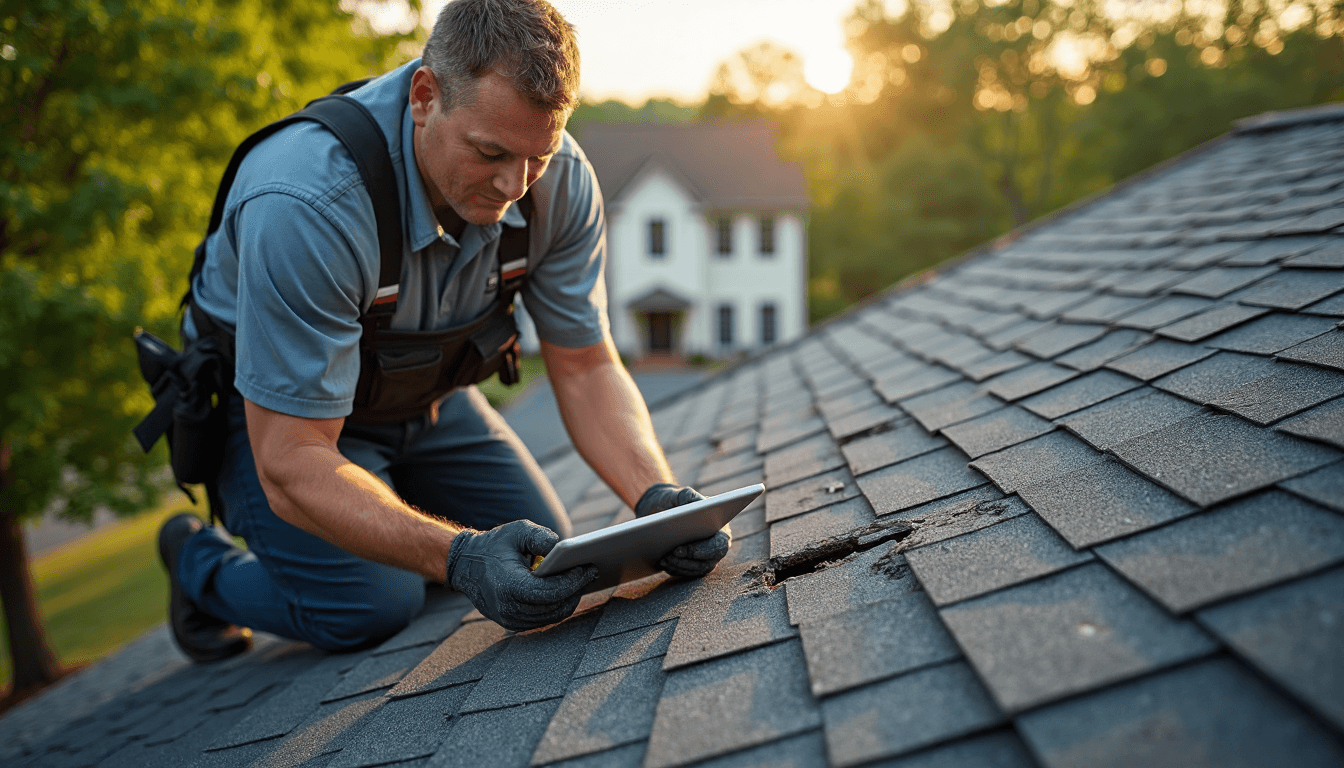
Before initiating an insurance claim, homeowners must conduct a comprehensive initial damage assessment. Insurance Information Institute recommends documenting damage through detailed photographs and written descriptions. Professional roof inspections provide critical evidence, capturing nuanced damage that might be overlooked during amateur assessments.
Key documentation should include:
- High resolution photographs of roof damage
- Detailed written descriptions of observed damage
- Professional inspection reports
- Date and time of damage occurrence
- Weather reports corresponding to potential damage events
Timely documentation is crucial. Waiting too long can complicate the claims process and potentially reduce potential compensation. Homeowners should aim to document and report damage within 30 to 60 days of occurrence.
Navigating the Claims Process
Submitting an insurance claim involves multiple strategic steps. National Association of Insurance Commissioners emphasizes the importance of understanding policy specifics before filing. Homeowners should carefully review their insurance policy, identifying covered perils and potential exclusions.
The claims process typically involves:
- Contacting the insurance provider to initiate the claim
- Scheduling an insurance adjuster’s inspection
- Obtaining repair estimates from licensed contractors
- Negotiating claim settlement
Professional guidance can significantly improve claim outcomes. Learn about our comprehensive claim support process to understand how expert intervention can optimize your insurance claim strategy.
Maximizing Claim Success
Successful roof damage insurance claims require strategic preparation and professional approach. National Roofing Contractors Association suggests maintaining detailed maintenance records, which can substantiate the roof’s condition prior to damage.
Homeowners should also:
- Understand their policy’s actual cash value versus replacement cost coverage
- Get multiple professional repair estimates
- Communicate clearly and consistently with insurance adjusters
- Keep comprehensive records of all interactions and documentation
Understanding the nuanced process of filing a roof damage insurance claim empowers Charlotte homeowners to navigate complex insurance procedures effectively, ensuring fair compensation and protecting their property’s long term value.
For easier navigation, here is a step-by-step table summarizing the typical process of filing a roof damage insurance claim as described above:
| Step | Action Description | Who Performs |
|---|---|---|
| 1 | Assess and document damage (photos, descriptions) | Homeowner/professional |
| 2 | Obtain professional roof inspection | Licensed inspector |
| 3 | Review insurance policy (coverage, exclusions) | Homeowner |
| 4 | Contact insurance provider to initiate claim | Homeowner |
| 5 | Schedule adjuster’s inspection | Insurance company |
| 6 | Get repair estimates from contractors | Homeowner |
| 7 | Negotiate/settle the claim | Homeowner/insurer |
| 8 | Perform repairs | Contractor |
Tips for a Successful Roof Insurance Claim
Navigation of roof insurance claims requires strategic planning, meticulous documentation, and a comprehensive understanding of the complex insurance landscape. Charlotte homeowners must approach these claims with precision and professional insight to maximize their potential compensation and minimize potential complications.
Immediate Documentation and Evidence Preservation
Insurance Information Institute emphasizes the critical importance of immediate and thorough damage documentation. Homeowners should capture comprehensive visual evidence immediately after discovering roof damage. This involves creating a detailed photographic and video record that captures the extent and specific characteristics of the damage from multiple angles.
Essential documentation strategies include:
- Taking high resolution photographs during different times of day
- Recording video evidence showcasing damage progression
- Capturing wide angle and close up perspectives
- Documenting date and time of damage occurrence
- Preserving physical evidence when possible
Timely documentation serves multiple purposes. It provides concrete evidence for insurance adjusters, helps establish the claim’s validity, and creates a clear timeline of damage progression. Delayed documentation can potentially weaken claim arguments and reduce potential compensation.
Professional Assessment and Expert Consultation
National Roofing Contractors Association recommends obtaining professional roof inspections to substantiate insurance claims. Professional roofing experts can provide detailed assessments that go beyond surface level observations, identifying underlying structural issues that might not be immediately apparent.
Key considerations for professional assessment include:
- Hiring licensed and certified roofing inspectors
- Requesting comprehensive written reports
- Obtaining multiple independent evaluations
- Understanding the technical language of roof damage assessment
- Documenting inspector credentials and expertise
Professional assessments provide authoritative documentation that significantly strengthens insurance claim arguments. These expert evaluations offer objective, technical insights that insurance adjusters cannot easily dismiss.
Strategic Claim Navigation and Negotiation
National Association of Insurance Commissioners suggests approaching insurance claims with a strategic mindset. Homeowners should prepare for potential negotiations by understanding their policy’s specific coverage details, potential exclusions, and reimbursement mechanisms.
Effective claim navigation involves:
- Understanding actual cash value versus replacement cost coverage
- Maintaining clear and consistent communication with insurance representatives
- Keeping detailed records of all interactions and correspondence
- Being prepared to challenge initial assessment findings
- Understanding your rights as a policyholder
Learn more about our comprehensive claim support approach to optimize your insurance claim strategy and ensure you receive fair compensation.
Successful roof insurance claims require a combination of thorough documentation, professional expertise, and strategic communication. By approaching the process with diligence and preparation, Charlotte homeowners can effectively protect their property and secure the compensation they deserve.
Frequently Asked Questions
What are the common causes of roof damage in Charlotte, NC?
Roof damage in Charlotte is commonly caused by severe weather events such as hail and high winds, environmental factors like high humidity and tree proximity, and the natural aging of roofing materials. These factors can compromise roof integrity and lead to significant damage over time.
How do I know if my roof damage is covered by insurance?
To determine if your roof damage is covered by insurance, review your homeowner’s policy to understand the specific covered perils and any exclusions for lack of maintenance. Sudden and accidental damages from storms are typically covered, but gradual wear and tear may not be included.
What steps should I take immediately after a storm damages my roof?
After a storm, immediately document the damage with high-resolution photos and written descriptions. It’s crucial to have a professional roof inspection to identify all damage. Aim to report the damage to your insurance provider within 30 to 60 days to maximize your claim potential.
How can I maximize my roof damage insurance claim?
To maximize your roof damage insurance claim, ensure thorough documentation of damage, including receipts, photographs, and professional inspection reports. Understand your policy’s coverage (actual cash value vs. replacement cost) and maintain clear communication with your insurance provider throughout the claims process.
Take Control of Your Roof Damage Insurance Claim with NICS
Dealing with storm damage and confusing insurance language can be overwhelming. This guide outlined real headaches for Charlotte homeowners, like understanding complex policy terms, documenting every detail after a storm, and facing tough negotiations with insurance adjusters. Your roof and your peace of mind are both at risk if you go it alone or wait too long to act.
Imagine having a local expert stand by you, making sure you never miss a step and you get the maximum payment you deserve. At National Insurance Claim Specialist (NICS), our licensed team does more than fix roofs, we help you navigate complicated claims with clear advice, honest communication, and proven results.
Ready to protect your biggest investment? Get started today by visiting our Roof Damage Claim Solutions page or connect directly with us at https://nicsrestoration.com for immediate support. Take action now and let NICS handle the hard parts, so you can get back to life sooner.
Recommended
- Patience Pays Off: How Long to Claim Hail Damage on Your Roof – Fire Damage Repair and Water Damage Repair Charlotte NC
- Mastering the Claim Process: How to File for Roof Damage – Fire Damage Repair and Water Damage Repair Charlotte NC
- Storm Damage Repair Costs: What to Expect in 2025 – Fire Damage Repair and Water Damage Repair Charlotte NC
- Charlotte Restoration: Find Top Disaster Recovery Services
- NIC’s Restoration: Your Trusted Restoration Experts
- Expert Fire Damage Restoration Services – Fire Damage Repair and Water Damage Repair Charlotte NC