Residential Water Damage Restoration Services in Charlotte NC: Emergency Recovery and Prevention
Water damage can strike unexpectedly, leaving Charlotte homeowners with mold outbreaks, weakened structures, and escalating repair bills. This guide explains how professional recovery services respond to burst pipes, floods, and leaks with rapid assessment, water extraction, drying, cleaning, and structural repair. You will learn about common causes and risks, the emergency restoration process, prevention strategies, cost factors and insurance coverage, why National Insurance Claim Specialist stands out, specific service offerings, and the neighborhoods we serve. Understanding these steps empowers you to protect your property and restore comfort after water intrusion.
What Are the Common Causes and Risks of Water Damage in Charlotte Homes?
Residential water damage in Charlotte combines local weather patterns and aging infrastructure to create persistent moisture hazards. Recognizing root causes and associated threats helps homeowners take timely action and avoid costly deterioration.
What Causes Residential Water Damage in Charlotte?
Burst pipes, heavy storms, appliance failures, and roofing issues all contribute to moisture infiltration.
- Pipe corrosion and sudden ruptures from freezing and thawing cycles.
- Seasonal storm flooding that overwhelms gutters and foundations.
- Malfunctioning water heaters, washing machines, or dishwashers releasing high volumes of water.
- Roof leaks, damaged flashing, or clogged downspouts allowing rainwater into attics and walls.
Each of these scenarios introduces moisture that can linger behind walls and under floors, setting the stage for further damage.
What Are the Risks of Untreated Water Damage?
Unchecked moisture leads to mold colonization, compromised building materials, and health concerns.
- Mold growth within 24–48 hours in drywall, cabinetry, and insulation.
- Wood rot and weakened floor joists resulting in structural instability.
- Elevated indoor humidity that degrades flooring and finishes.
- Poor air quality causing allergic reactions and respiratory irritation.
Preventing these outcomes requires prompt extraction and drying to stop moisture from seeping into critical components.
How Does Charlotte’s Climate Affect Water Damage Risks?
Charlotte’s humid subtropical climate and summer thunderstorms intensify moisture threats.
- High humidity levels year-round that slow drying of wet materials.
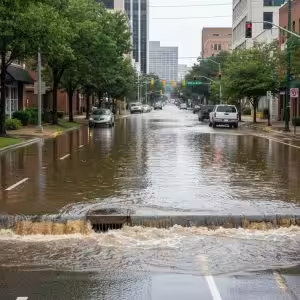
- Frequent afternoon storms that produce flash flooding in low-lying areas.
- Occasional winter freezes that stress plumbing and trigger pipe bursts.
These conditions demand fast response and specialized drying equipment to mitigate lingering dampness and mold.
How Does the Emergency Water Damage Restoration Process Work in Charlotte?

An effective restoration process combines rapid response, advanced equipment, and certified expertise to return homes to pre-loss condition. Each step builds on the last to ensure thorough moisture removal and structural repair.
What Happens During the Initial Emergency Response and Assessment?
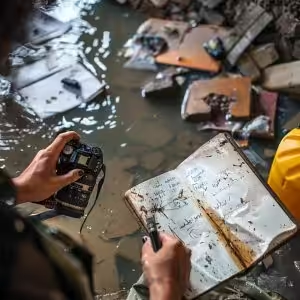
The emergency process starts with a 24/7 dispatch of IICRC-certified technicians who perform a comprehensive evaluation. They document water sources, measure moisture levels with infrared cameras and meters, and map affected areas. Immediate containment actions, such as shutting off water and placing protective barriers, follow the assessment to prevent spread.
How Is Water Extraction and Drying Performed?
Effective water removal and drying rely on specialized tools and methods.
| Equipment | Purpose | Benefit |
|---|---|---|
| Truck-mounted pumps | Remove standing water quickly | Minimizes pooling damage |
| Industrial dehumidifiers | Extract moisture from air and materials | Reduces drying time by 50% |
| High-capacity air movers | Circulate air across wet surfaces | Speeds evaporation and prevents mold |
Best Practices for Water Damage Restoration - en
Research outlines the effectiveness of specific water extraction and drying techniques, such as the use of industrial dehumidifiers and air movers, in reducing drying time and preventing mold growth. The study emphasizes the importance of IICRC-certified technicians and adherence to industry standards for successful restoration outcomes.
Johnson, B., Restoration Industry Insights (2023)
This citation reinforces the article’s discussion of the emergency water damage restoration process and the importance of professional expertise and equipment.
What Are the Steps for Cleaning, Sanitizing, and Deodorizing?
After drying, surfaces require sanitization to eliminate bacteria and odor:
- Antimicrobial treatments applied to all water-exposed areas to inhibit mold growth.
- HEPA vacuuming and wiping of structural beams, baseboards, and cabinetry.
- Odor neutralizers and ozone treatments that remove trapped odors rather than masking them.
This protocol restores hygienic conditions and prepares the home for reconstruction work.
How Is Restoration and Repair Completed?
Structural repairs address damaged drywall, flooring, and framing:
- Cutting out non-salvageable materials and replacing them with moisture-resistant alternatives.
- Rebuilding drywall, trim, and flooring to match existing finishes.
- Reinstalling fixtures and ensuring plumbing and electrical systems function correctly.
Skilled carpenters and plumbers complete these tasks under IICRC guidelines to restore both form and function.
What Quality Assurance Measures Ensure Proper Restoration?
Final inspections verify moisture levels and workmanship:
- Post-drying moisture readings confirm all areas are below industry thresholds.
- Visual checks and punch lists ensure repairs meet pre-loss specifications.
- A detailed final walkthrough with homeowners confirms satisfaction and project closure.
These steps guarantee a fully restored home and peace of mind.
How Can Homeowners Prevent Water Damage and Mold Growth in Charlotte?
Proactive measures reduce the likelihood of water intrusion and subsequent mold colonization. Implementing simple maintenance routines saves time and money over the long term.
What Are Effective Water Damage Prevention Tips for Charlotte Homes?

Below are key practices every homeowner can adopt to limit moisture risks.
- Regularly inspect and insulate exposed pipes to prevent freezing and bursts.
- Install and test water leak detection devices near high-risk appliances.
- Clean gutters and downspouts each season to ensure proper drainage away from the foundation.
- Seal cracks in driveways, patios, and basements to block water entry.
Consistently applying these strategies curbs small leaks before they escalate.
How Can Mold Be Prevented After Water Damage?
Thorough drying and material selection reduce mold potential:
- Use moisture meters to confirm all walls, floors, and joists are dry before rebuilding.
- Replace drywall and insulation with mold-resistant products when feasible.
- Maintain indoor humidity between 30% and 50% with dehumidifiers or HVAC settings.
The Impact of Humidity on Building Materials - en
Research indicates that high humidity levels significantly accelerate the deterioration of building materials, including wood and drywall, leading to mold growth and structural damage. Studies show that maintaining indoor humidity between 30% and 50% is crucial for preventing moisture-related issues in residential buildings.
Smith, A., Journal of Building Science (2022)
This research supports the article’s emphasis on the importance of controlling humidity to prevent mold and structural damage after water intrusion.
What Seasonal Precautions Should Charlotte Residents Take?
Seasonal planning aligns home protection with local weather patterns.
| Season | Precaution | Purpose |
|---|---|---|
| Winter | Insulate exterior pipes and run faucets slowly | Prevent pipe freezing |
| Spring | Inspect roof, flashing, and gutters | Mitigate heavy rain and storms |
| Summer | Test sump pumps and install backup power | Prepare for thunderstorms and flooding |
| Fall | Clear leaves from drains and yard grading | Reduce foundation seepage |
Aligning maintenance tasks with seasonality strengthens resilience against water damage year-round.
What Are the Typical Costs and Insurance Coverage for Water Damage Restoration in Charlotte?
Understanding price ranges and coverage options enables homeowners to budget accurately and leverage policies when disasters occur.
How Much Does Water Damage Restoration Cost in Charlotte, NC?
Water damage restoration in Charlotte typically ranges from $1,200 to $6,000 for moderate incidents and can exceed $10,000 in severe flooding with structural and mold remediation. Costs vary based on:
- Extent of water intrusion: larger affected areas require more labor and equipment.
- Water category: clean water costs less to mitigate than grey (appliance) or black water (sewage).
- Material replacement: high-end finishes increase repair expenses.
Obtaining an on-site estimate ensures an accurate, transparent quote.
Are Water Damage Repairs Covered by Homeowners Insurance?
Most homeowners insurance policies cover sudden and accidental water damage, such as burst pipes and storm floods, but exclude slow leaks and maintenance issues. Coverage criteria include:
- Policy terms on water category and perils.
- Deductible amounts and coverage limits.
- Proof of prompt mitigation and documented damage.
Reviewing your policy and keeping records of restoration steps helps streamline claims.
How Does National Insurance Claim Specialist Assist with Insurance Claims?
National Insurance Claim Specialist provides end-to-end claim support to reduce homeowner stress. We:
- Document damage and prepare detailed scope reports.
- Communicate directly with adjusters to justify coverage.
- Offer direct billing options to eliminate out-of-pocket payment delays.
This assistance accelerates payouts and ensures full restoration without financial interruption.
Why Choose National Insurance Claim Specialist for Water Damage Recovery in Charlotte?
Selecting a qualified restoration partner requires evidence of certification, rapid response, and homeowner satisfaction. National Insurance Claim Specialist delivers on all fronts.
What Certifications and Expertise Do National Insurance Claim Specialist Technicians Have?
Our teams hold industry-leading credentials and rigorous training.
| Certification | Role | Impact |
|---|---|---|
| IICRC Water Restoration | Lead technician training | Ensures adherence to best practices |
| OSHA Safety Standards | Job site compliance | Promotes safe work environments |
| EPA Lead-Safe | Renovation projects | Protects families from hazardous dust |
How Does National Insurance Claim Specialist Ensure Rapid Emergency Response?
Charlotte homeowners receive immediate assistance through our local 24/7 call center and strategically located crews. Most emergencies see technicians on-site within 1–2 hours, limiting damage and restoring safety quickly.
What Do Charlotte Homeowners Say About National Insurance Claim Specialist?
Clients praise our professionalism, clear communication, and meticulous attention to detail. Testimonials highlight seamless insurance coordination, prompt project completion, and homes returned to pre-loss condition, reflecting consistent customer satisfaction.
Which Specific Water Damage Services Does National Insurance Claim Specialist Offer in Charlotte?
A full spectrum of water damage services addresses every possible scenario, from extraction to reconstruction.
What Is Included in Emergency Water Extraction Services?
Emergency extraction removes standing water and stabilizes the property:
- Powerful portable and truck-mounted pumps eliminate excess water.
- Temporary board-up and shrink wrap services protect exposed areas.
- Rapid deployment of drying equipment prevents secondary damage.
Swift removal and containment set the stage for safe cleanup and repair.
How Is Flood Cleanup Handled in Charlotte Homes?
Flood cleanup targets contaminated water and debris:
- Hazard assessment and classification of water sources.
- Safe removal of carpets, padding, and porous materials.
- Sanitization of structural components with antimicrobial agents.
- Controlled demolition of irreparable sections.
This protocol restores hygienic conditions and prepares the structure for rebuilding.
What Does Burst Pipe Repair Entail?
Repairing a burst pipe combines diagnostics and durable fixes:
- Locate the leak with infrared imaging or pressure testing.
- Isolate the plumbing section and drain residual water.
- Replace damaged pipe segments with corrosion-resistant materials.
- Pressure-test the repaired line and restore system functionality.
These steps prevent recurrence and protect against future failures.
How Is Sewage Cleanup Managed Safely?
Sewage cleanup requires stringent precautions to protect health and property.
| Step | Equipment | Safety Purpose |
|---|---|---|
| Containment barriers | Heavy-duty plastic sheeting | Isolate contamination zone |
| Personal protective gear | Biohazard suits, respirators | Shield technicians from pathogens |
| HEPA filtration | Air scrubbers with HEPA filters | Remove airborne contaminants |
| Chemical disinfection | Hospital-grade sanitizers | Neutralize bacteria and viruses |
What Solutions Are Available for Basement and Crawl Space Water Damage?
Specialized drying and encapsulation protect below-grade areas:
- High-output dehumidifiers and sub-flooring air movers extract hidden moisture.
- Waterproofing membranes and sump pump installations prevent future intrusion.
- Mold-resistant coatings and insulation fortify vulnerable surfaces.
These measures restore structural integrity and limit long-term humidity risks.
What Neighborhoods and Areas Does National Insurance Claim Specialist Serve Around Charlotte, NC?
Prompt service relies on local presence across Charlotte and its neighboring communities.
Which Charlotte Neighborhoods Receive Water Damage Restoration Services?
We cover every major sector of the city, including:
- Uptown and First Ward
- SouthPark and Myers Park
- Ballantyne and Pineville
- NoDa, Plaza Midwood, and Dilworth
Rapid access to these areas enables swift emergency response.
Does National Insurance Claim Specialist Serve Surrounding Towns in NC and SC?
Beyond Charlotte, we extend water damage recovery to:
- Fort Mill and Tega Cay, SC
- Cornelius and Huntersville, NC
- Mount Holly and Lake Norman, NC
Broad coverage ensures neighbors in need receive the same expert care.
How Can Residents Contact National Insurance Claim Specialist for Emergency Services?
Residents can call our 24/7 emergency hotline to speak with a live representative at any hour. Our team dispatches technicians immediately, documenting damage and initiating restoration to preserve property value and household safety.
Whether you face a midnight leak or weekend flood, National Insurance Claim Specialist delivers fast, certified recovery services across Charlotte and beyond.
Homeowners and business owners can rely on this structured process, advanced equipment, and certified teams to tackle water damage efficiently, restore properties to pre-loss condition, and prevent future issues with proven prevention measures. Partnering with a locally based, IICRC-certified service provider ensures both rapid response and lasting results.