10 Essential Steps to Safeguard Your Home Against Future Hurricane Damage Post-Repairs

Each year, hurricanes inflict billions in property damage, making proactive safeguards essential after initial repairs are completed. Homeowners often ask how can i prevent future hurricane damage after repairs are completed; this guide delivers ten actionable steps—covering roof reinforcement, window and door hardening, water intrusion prevention, landscape mitigation, structural codes, insurance planning, and emergency readiness—to restore resilience and peace of mind. Readers will learn how to reinforce roofing with hurricane ties, upgrade to impact-resistant materials, optimize drainage systems, manage outdoor debris, comply with Charlotte, NC building codes, navigate insurance claims, and assemble post-storm recovery kits. Nics Restoration’s local expertise in emergency damage restoration and remodeling supports each recommendation from structural repairs to preventative upgrades.
How Can You Reinforce Your Roof to Prevent Future Hurricane Damage?
Reinforcing the roof involves installing hurricane ties, upgrading to impact-resistant materials, and sealing the deck to block wind uplift and water intrusion. Roof reinforcement secures shingles and sheathing to rafters, reducing wind-driven loosening and leaks after a storm. For example, adding metal straps at rafter tails dramatically increases structural integrity under 150-mph gusts.
What Are Common Roof Vulnerabilities After Repairs?
After repairs, loose shingles, improperly nailed sheathing, and unsealed roof penetrations remain weak points. Learn more about roofing.
- Shingle blow-offs from under-fastened nails
- Gaps at vents or skylights that admit rain
- Inadequate nail pattern on roof sheathing
- Missing hurricane clips at truss connections
Addressing these vulnerabilities stops wind and water damage at the most exposed area of the home, leading directly into the benefits of hurricane ties and straps.
How Do Hurricane Ties and Straps Strengthen Your Roof?
Hurricane ties and straps connect roof rafters or trusses directly to wall plates, forming a continuous load path. This method transfers uplift forces into the home’s frame rather than letting wind pry off the roof. Licensed professionals, such as those at Nics Restoration, can retrofit existing roofs with these straps to meet IBHS FORTIFIED Home standards.
Which Impact-Resistant Roofing Materials Should You Choose?
Before selecting materials, compare common options for wind and hail performance. The table below summarizes material attributes and benefits.
| Material | Attribute | Benefit |
|---|---|---|
| Metal Panels | Wind resistance up to 140 mph | Fewer seams reduce leak points |
| Class 4 Impact Shingles | Hail resistance rating | Minimizes hail denting and water entry |
| Synthetic Slate | Lightweight durability | Maintains integrity under high winds |
Roofing Material Performance
Metal panels, class 4 impact shingles, and synthetic slate are examples of roofing materials that can improve wind uplift resistance and water shedding. These materials are designed to prepare a home for the next hurricane season by minimizing damage from wind and hail.
This source provides specific examples of roofing materials and their benefits, which directly supports the article’s discussion on choosing impact-resistant roofing materials.
Why Is Sealing the Roof Deck Important for Water Intrusion Prevention?
Sealing the roof deck with a weather-resistant barrier stops wind-driven rain from reaching the underlayment and interior. This barrier adheres under shingles and around penetrations, creating a secondary waterproof layer. Proper deck sealing reduces post-storm mold risk and complements strap and material upgrades for total roof resilience.
With a fortified roof in place, attention now turns to securing windows and doors against hurricane-force winds.
How Can You Fortify Windows and Doors to Protect Your Home?
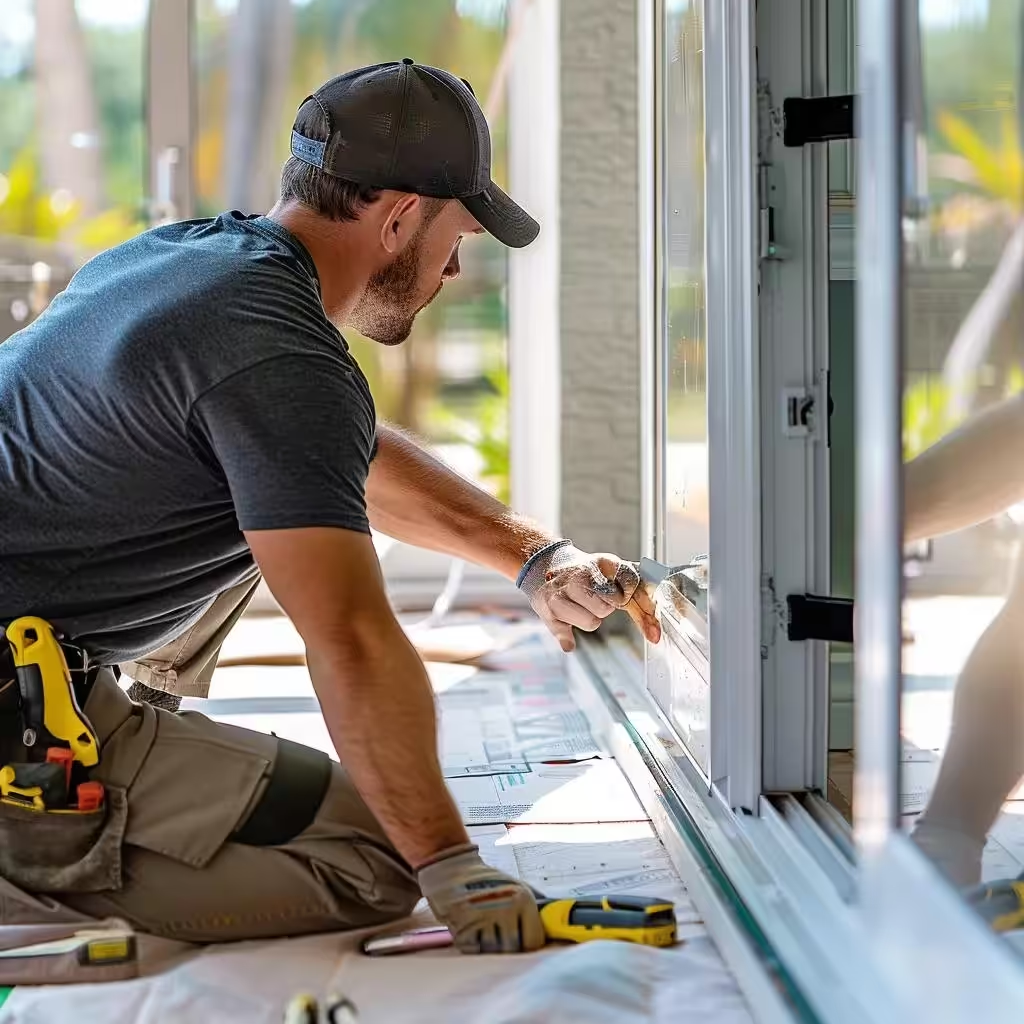
Fortifying windows and doors means installing impact-rated glass, adding shutters, and reinforcing garage doors to withstand pressure and debris impact. Impact-resistant solutions combine laminated panes and reinforced frames to prevent breach and water intrusion during a storm. For instance, upgrading to ASTM-rated impact glass reduces breakage by over 90 percent in high-velocity tests.
What Are the Benefits of Impact-Resistant Windows and Glass Doors?
- Enhanced Protection – Laminated layers resist shattering under projectiles.
- UV Filtration – Blocks up to 99 percent of harmful UV rays.
- Thermal Performance – Maintains indoor temperature under brisk winds.
Installing impact-resistant windows secures living spaces and reduces insurance premiums, transitioning naturally to the role of storm shutters.
How Do Storm Shutters Enhance Window and Door Protection?
Storm shutters act as a barrier against windborne debris and help prevent window frame deformation. Accordion and roll-down systems mount outside the frame, while panels attach before a storm for manual protection. Homeowners can choose from aluminum panels for affordability or polycarbonate for clear visibility during a storm.
Why Is Strengthening Garage Doors Critical Against Wind Pressure?
Reinforced garage doors prevent high wind pressures from inflating the garage and popping roof connections. The table below outlines common reinforcement options and their values.
| Upgrade | Feature | Value |
|---|---|---|
| Horizontal Bracing Kit | Steel trusses | Distributes wind loads evenly |
| Reinforced Tracks | Extra-gauge steel | Resists track bending under pressure |
| Wind-Load Rated Door | Engineered door panel | Withstands sustained wind speeds |
Securing the largest entry point prevents structural failures and complements window and door upgrades, setting the stage to manage water intrusion systems next.
What Water Intrusion Prevention Measures Should You Implement Post-Repairs?
Preventing water intrusion after repairs relies on optimized gutters, sealed foundations, and reliable sump pump systems. These solutions channel rainwater away from the structure and protect basements from flooding. For example, extending downspouts five feet from the foundation cuts water pooling risk in half. preventing water damage
How Can Gutter and Downspout Optimization Reduce Flood Risk?
- Install leaf guards to prevent clogs
- Angle gutters for maximum flow
- Use rigid downspouts to avoid buckling
- Add splash blocks or extenders at discharge points
Efficient drainage systems alleviate foundation stress and naturally lead to foundation sealing strategies.
What Are Effective Foundation Sealing and Drainage Solutions?
Foundation sealing uses waterproof membranes and crystalline waterproofing to block moisture migration. External French drains or interior drain tile systems collect seepage before it reaches living areas. Combining sealing and drainage solutions keeps basements dry and minimizes mold growth.
When and How Should You Install and Maintain a Sump Pump?
A sump pump activates when water accumulates in a pit, automatically ejecting moisture away from the foundation. Installing backup battery or water-powered models ensures operation during power outages. Regular maintenance—testing the float switch and cleaning the pump inlet—guarantees readiness for heavy rainfall.
Redirecting excess water protects the home envelope and leads to landscape and property mitigation tactics.
How Can Property and Landscape Mitigation Reduce Hurricane Damage?
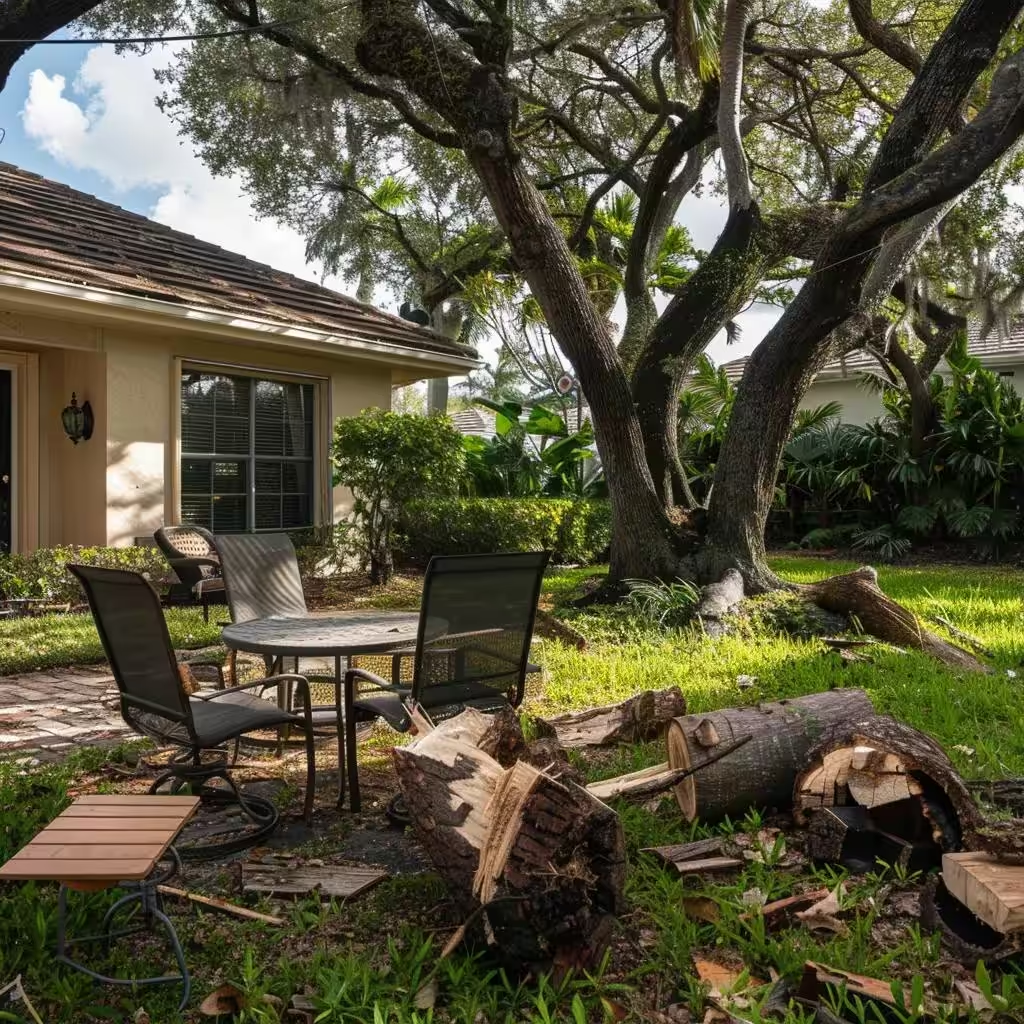
Landscape mitigation reduces windborne debris damage and prevents foundation undermining by controlling vegetation and loose objects. Pruning and securing outdoor elements limit projectiles and maintain soil stability. For example, trimming overhanging limbs two feet from the roof reduces impact risks.
Why Is Tree Trimming and Debris Management Essential?
Tree trimming removes weak branches and deadwood that could strike siding or windows. Professional arborists recommend: storm damage restoration.
- Pruning branches overhanging the roof by at least two feet
- Removing dead or diseased trees entirely
- Clearing fallen limbs and debris regularly
Cleared landscapes reduce hazards and shift focus to securing outdoor furniture and fixtures.
How Do You Secure Outdoor Objects and Furniture Effectively?
- Anchor patio furniture with straps or ground anchors.
- Store lightweight items indoors or in a storm-proof shed.
- Use heavy-duty zip ties for loose equipment.
Anchored and stored items mitigate interior breaches and prepare the property for wind-resistant landscaping techniques.
What Landscaping Techniques Improve Wind Resistance?
Incorporating windbreaks and low-profile plantings can diminish wind speed before it reaches the home. The table below details key techniques.
| Technique | Benefit | Implementation |
|---|---|---|
| Evergreen Windbreaks | Year-round barrier against wind | Plant 3–5 tree rows at property edge |
| Earth Berms | Redirect wind flow | Build mounded soil along windward side |
| Low-Profile Shrubs | Reduces debris risk | Choose hardy species under three feet |
Strategic plantings tame wind forces and lead to discussions on structural codes and integrity.
How Do Local Building Codes and Structural Integrity Affect Hurricane Resilience?
Local building codes govern construction standards to ensure homes meet minimum wind and uplift criteria. Structural integrity hinges on continuous load paths and reinforced walls that distribute forces to the foundation. For instance, Charlotte’s code requires uplift-resistant connectors at roof-to-wall interfaces.
What Are Key Charlotte, NC Building Code Requirements for Hurricane Safety?
Charlotte, NC mandates adherence to the North Carolina Residential Code, including:
- Minimum 8d ring-shank nails on roof sheathing
- Rated hurricane straps at each rafter or truss connection
- Impact-resistant glazing for openings in wind zones
- Anchored foundations to resist uplift
Building Code Requirements
Local building codes, such as those in Charlotte, NC, mandate specific construction standards to ensure homes meet minimum wind and uplift criteria. These codes often include requirements for roof sheathing, hurricane straps, impact-resistant glazing, and anchored foundations to enhance hurricane safety.
This citation supports the article’s discussion on how local building codes affect hurricane resilience by providing specific examples of code requirements.
These regulations set baseline resilience and transition into advanced reinforcement concepts.
How Does Continuous Load Path and Wall Reinforcement Strengthen Your Home?
A continuous load path ties roof, walls, and foundation in one structural chain, transferring wind forces safely to the ground. Methods include:
- Installing reinforced stud-to-plate connectors
- Applying diagonal bracing or structural sheathing
- Using engineered hold-downs at wall corners
This approach prevents partial collapses and underscores the value of industry standards.
What FEMA and IBHS Standards Should You Follow, Including FORTIFIED Home?
Adopting FEMA P-804 guidelines and IBHS FORTIFIED Home standards enhances performance:
- Secure roof coverings per FORTIFIED™ Roof requirements
- Use impact-rated products certified by ASTM
- Follow FEMA’s flood-resistant design manual for below-grade areas
Compliance with these programs reduces damage and qualifies homeowners for insurance incentives.
How Can You Navigate Insurance and Financial Preparedness After Repairs?
Effective financial planning ensures that preventative upgrades are financially supported through insurance and tax incentives. Documenting upgrades and claims properly secures future reimbursements and premium discounts. For example, homes certified under FORTIFIED Home often receive up to 20 percent off windstorm coverage.
How Do You Manage Insurance Claims for Preventative Hurricane Upgrades?
- Submitting itemized cost estimates and contractor bids
- Providing photos of pre- and post-upgrade conditions
- Working with specialists, like Nics Restoration’s insurance claims team, to streamline documentation
Clear communication with insurers accelerates approval for mitigation measures.
What Insurance Discounts Are Available for Hurricane Mitigation Efforts?
- Impact-resistant windows (up to 10 percent off)
- FORTIFIED™ Roof upgrades (5–20 percent off)
- Wind-resistant garage door braces (varies by carrier)
Leveraging these incentives offsets upgrade costs and supports long-term resilience.
Why Is Documenting Repairs Important for Future Insurance Claims?
Detailed documentation—repair invoices, photos, and inspection reports—serves as proof of diligence when filing claims after future events. Organized records ensure faster payouts and validate compliance with code and program requirements.
Solid documentation practices secure financial protection and prepare homeowners for emergency restoration planning.
What Emergency Preparedness and Recovery Steps Should You Take Post-Hurricane?
Emergency preparedness includes assembling a post-storm kit, planning safe generator use, and conducting damage assessments. A well-stocked kit and safety plan enable faster recovery and protect lives. For instance, having flashlights and first-aid supplies on hand reduces risk during initial power outages.
What Essentials Should Be Included in Your Post-Hurricane Emergency Kit?
- Water (one gallon per person per day for three days)
- Non-perishable food and manual can opener
- Battery-powered or hand-crank radio and extra batteries
- First-aid kit, medications, and sanitation supplies
Stocking these items empowers families to stay safe while systems are restored.
How Can You Safely Use Generators During Power Outages?
- Position at least 20 feet from windows and doors.
- Use heavy-duty extension cords rated for outdoor use.
- Never run indoors or in enclosed spaces.
Following these guidelines prevents carbon monoxide poisoning and fires.
What Are Best Practices for Post-Storm Safety and Damage Assessment?
Conduct damage assessments only after authorities declare areas safe.
- Wear protective gear—hard hats, gloves, and boots.
- Photograph all damage before cleanup.
- Prioritize structural integrity checks before interior access.
Safe, systematic evaluations lay the groundwork for professional restoration services.
Nics Restoration partners with Charlotte homeowners to implement these resilience measures—from comprehensive inspections and structural upgrades to insurance claim assistance and emergency response—helping properties withstand the next hurricane season and beyond.
Homeowners can contact Nics Restoration for a detailed resilience assessment, professional installation of hurricane-rated products, and guided claims navigation. Investing in these preventative steps today ensures a stronger, safer home tomorrow.