Article:
Local Roof Repair Contractors for Hurricane Damage Solutions in Charlotte, NC

Hurricane-force winds and driving rain can strip shingles, crack flashing, and saturate decking, leaving homeowners facing costly leaks and mold risks. Local roof repair contractors specializing in hurricane damage solutions offer 24/7 emergency response, detailed inspections, comprehensive repairs, and insurance‐claim support. This guide helps Charlotte, NC homeowners and business owners understand common damage types, emergency tarping and repair processes, insurance navigation, local expertise benefits, hurricane-resistant materials, project timelines, and answers to pressing roof repair questions.
What Are the Common Types of Hurricane Roof Damage?
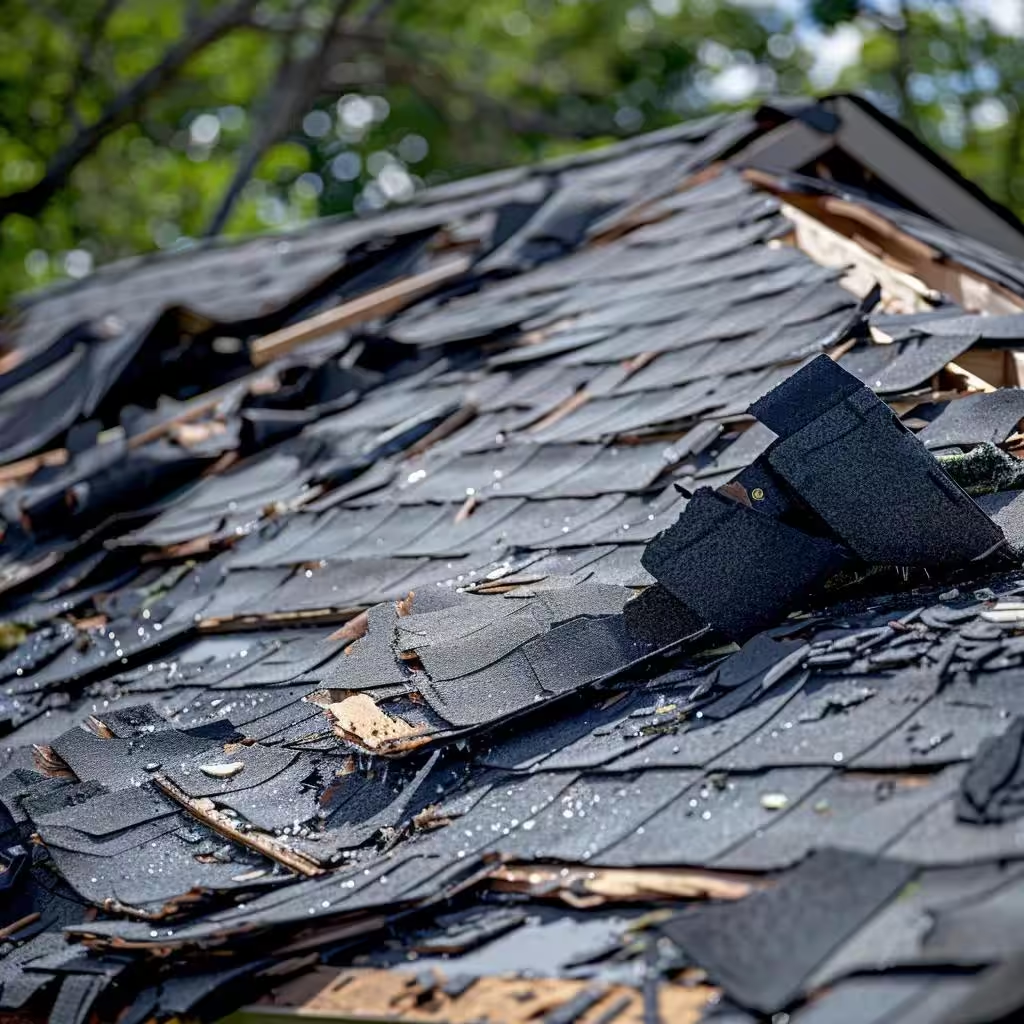
Hurricane roof damage encompasses three main categories—wind uplift, debris impact, and water intrusion—that jeopardize structural integrity and interior safety. High‐velocity gusts can peel off shingles and lift underlayment, airborne branches can puncture roofing materials, and torrential rain forces moisture through compromised barriers. For example, missing shingles often lead to attic leaks and mold growth within days of a storm.
To illustrate, consider these core damage types:
- Uplifted shingles that expose underlayment to the elements.
- Punctured tiles or panels that allow wind-driven rain entry.
- Saturated decking that warps and weakens after prolonged exposure.
- Dislodged flashing around chimneys or vents causing interior leaks.
- Loose gutters and soffits that detach and exacerbate water damage.
Each form of damage demands a targeted repair strategy and paves the way for detailed inspection of storm damage restoration, impact, and water effects.
Hurricane Damage and Roof Types
Hurricanes can cause various types of roof damage, including wind uplift, debris impact, and water intrusion. These damages can lead to leaks, mold growth, and structural issues, emphasizing the need for immediate action and professional repair services.
This source provides a general overview of hurricane damage and the importance of preparedness, which supports the article’s introduction to the topic.
How Do Wind and Debris Cause Roof Damage During Hurricanes?
Wind uplift occurs when powerful gusts create a pressure differential beneath shingles, tearing them away and exposing the underlayment. Simultaneously, flying branches and lawn debris can collide with roofing surfaces at high speed, fracturing brittle asphalt or metal panels. This dual mechanism compromises the weatherproof seal and accelerates leak formation, often within hours of the initial impact.
What Are the Signs of Hurricane-Related Roof Damage?
Visible indicators of storm damage include missing or curled shingles, dented metal panels, cracked flashing, and granule loss on asphalt surfaces. Interior signs—such as water stains on ceilings and damp insulation in the attic—confirm roof breaches. Detecting these symptoms early prevents secondary issues like mold proliferation and structural decay.
How Does Water Intrusion Affect Your Roof After a Hurricane?
Water intrusion following a hurricane undermines decking strength, fosters mold growth, and damages interior finishes. Moisture trapped beneath roofing materials can rot wood framing and degrade insulation performance. Over time, these hidden leaks lead to sagging ceilings and compromised indoor air quality, highlighting the urgency of rapid detection and repair.
How Do Local Roof Repair Contractors Respond to Hurricane Damage Emergencies?
Charlotte’s storm-damage specialists deliver immediate assessments, temporary protection, and full restoration services to halt further deterioration. A swift emergency response reduces interior damage, preserves existing materials, and streamlines insurance documentation. By integrating advanced inspection tools and rapid-deployment crews, local contractors ensure roofs regain structural integrity without delay.
What Is the 24/7 Emergency Roof Repair and Tarping Process?
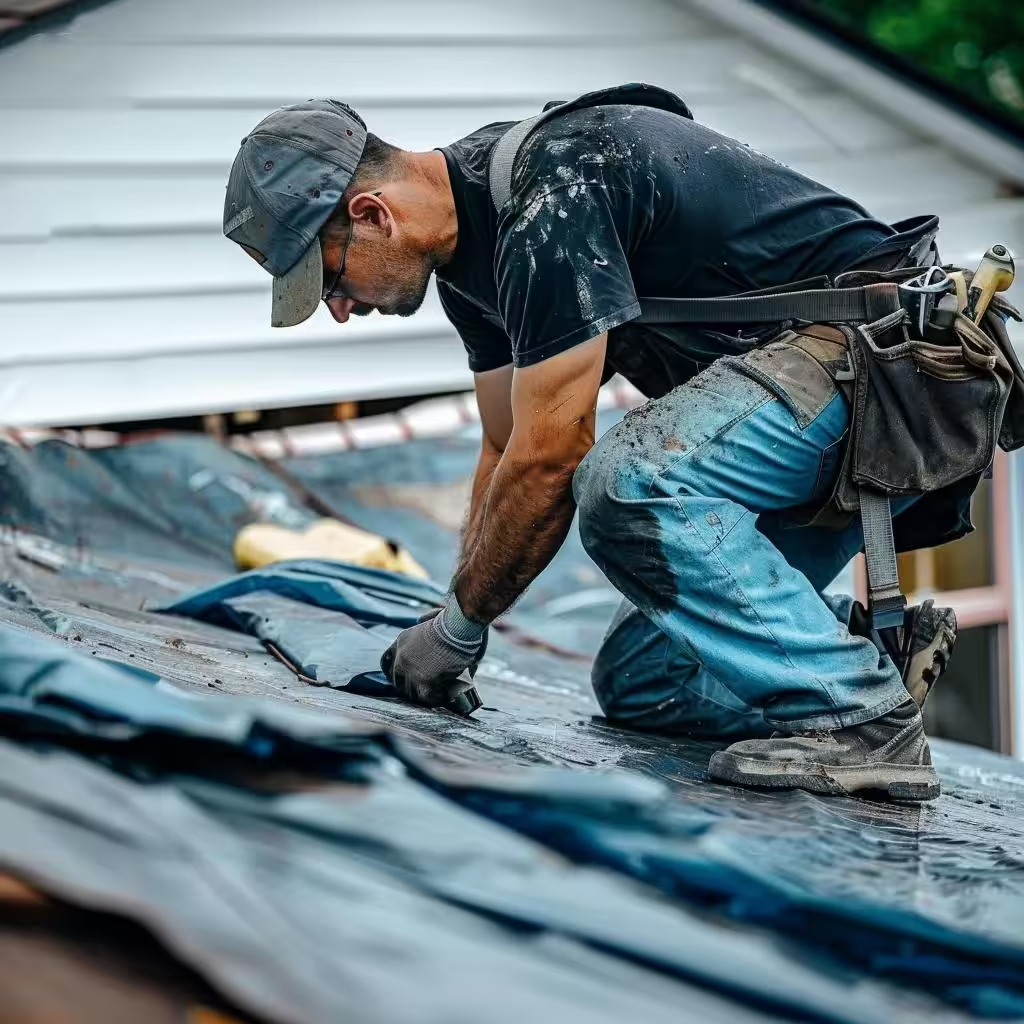
Contractors launch emergency tarping with these steps:
- Inspect the roof’s surface and attic to gauge damage extent.
- Secure heavy-duty tarps over exposed areas to shed rain.
- Anchor tarps using battens or weighted straps to prevent blow-off.
- Document conditions with photos and notes for insurance purposes.
- Communicate next-day permanent repair plans to the homeowner.
This process delivers immediate weatherproofing and sets the stage for a comprehensive repair strategy.
How Are Detailed Roof Inspections Conducted After a Hurricane?
Modern inspections combine drone imaging, moisture meters, and infrared scans to pinpoint leaks and saturation. Licensed inspectors examine shingles, underlayment, decking, flashing, gutters, and vents. Digital reports catalog all damage in high‐resolution images, supporting accurate cost estimates and insurance claims. This thorough approach uncovers hidden vulnerabilities before permanent repairs begin.
What Comprehensive Repair Services Are Offered for Hurricane Roof Damage?
Repair services encompass shingle replacement, structural reinforcement, leak sealing, and material upgrades. Below is a comparative overview:
| Service | Attribute | Value |
|---|---|---|
| Shingle Replacement | Material Options | Asphalt, impact‐resistant, architectural |
| Flashing Repair | Seal Integrity | Aluminum, galvanized steel with waterproof sealant |
| Structural Reinforcement | Truss and Rafter Support | Sistered lumber, engineered wood beams |
| Leak Sealing | Water Barrier | High-performance elastomeric coatings |
| Gutter and Soffit Restoration | Drainage Efficiency | Seamless aluminum with reinforced fasteners |
Each service restores weatherproofing, enhances durability, and reduces future storm risk.
How Can Homeowners Navigate Insurance Claims for Hurricane Roof Repairs?
Filing a roof damage claim requires clear documentation, timely communication, and adjuster coordination. Early action and professional support simplify the process, help secure full coverage, and minimize out-of-pocket expenses. With expert guidance, homeowners avoid common pitfalls and ensure claims reflect actual repair needs.
What Steps Should You Take When Filing a Roof Damage Insurance Claim?
Homeowners should:
- Photograph all visible damage on the roof and interior promptly.
- Preserve original shingles or debris for adjuster review.
- Contact their insurer to report the loss and schedule an inspection.
- Provide estimates from licensed roof repair contractors.
- Track all correspondence and document meeting dates.
Insurance Claims and Documentation
Filing an insurance claim for roof damage requires clear documentation, including photographs of the damage, communication with the insurer, and estimates from licensed contractors. Following these steps helps homeowners navigate the claims process and secure appropriate coverage for repairs.
This citation supports the article’s guidance on filing insurance claims by providing general information on homeowners insurance and the claims process.
Following these steps builds a strong claim foundation and aligns repair scope with policy coverage.
How Does National Insurance Claim Specialist Assist with Insurance Claims in Charlotte?
National Insurance Claim Specialist’s insurance specialists advocate for homeowners by preparing detailed scope of work documents, negotiating with adjusters, and clarifying policy language. This support expedites approvals, helps manage deductibles, and secures fair settlement amounts. For expert assistance, visit our Contact Us page to request a free consultation.
What Are Common Insurance Coverage Questions for Hurricane Roof Damage?
Policyholders often ask whether wind vs. hail damage is covered, how depreciation affects reimbursement, and what documentation adjusts premiums. Coverage typically includes storm-related perils, but deductibles and policy limits vary. Clear, itemized estimates from licensed roof repair experts guarantee claims align with repair costs and material selections.
Why Choose Local Charlotte Contractors for Hurricane Roof Repair?
Local contractors bring in-depth knowledge of Charlotte’s building codes, storm patterns, and supplier networks. Their proximity enables faster emergency response and better logistical coordination. Licensed, insured, and bonded professionals also offer warranties and ensure compliance with North Carolina regulations, delivering reliable long-term protection.
What Are the Benefits of Hiring Licensed and Insured Local Roof Repair Experts?
Engaging licensed, insured contractors guarantees:
- Compliance with Charlotte and North Carolina building codes.
- Financial protection through liability and workers’ compensation.
- Manufacturer warranties remain valid when certified installers are used.
- Quality assurance backed by performance bonds and service guarantees.
This combination of credentials builds confidence and safeguards investment.
How Does Local Knowledge Improve Hurricane Roof Repair Outcomes?
Familiarity with regional wind maps and historical storm paths guides material selection and fastening methods. Charlotte-based teams optimize roof pitches, underlayment classes, and hurricane straps according to local ordinances. Their supplier relationships ensure rapid access to compatible shingles and impact-resistant products, accelerating project timelines.
What Additional Restoration Services Complement Hurricane Roof Repairs?
Beyond roofing, National Insurance Claim Specialist delivers fire and smoke damage cleanup, water extraction, mold remediation, and general contracting. This full‐service capability enables seamless coordination of envelope repairs, interior rebuilds, and finishing work, reducing delays and simplifying project management. View examples in our Our Work gallery.
What Are the Best Roofing Materials and Techniques for Hurricane Resistance?
Selecting the right materials and installation methods significantly improves a roof’s storm resilience. Impact‐rated shingles, standing‐seam metal panels, reinforced underlayment, and fortified fasteners create a multi-layer defense system. Properly engineered roofs can resist uplift pressures exceeding 140 mph.
Which Roofing Materials Offer the Best Protection Against Hurricane Winds?
Contractors recommend: our service
- Class 4 impact-resistant asphalt shingles tested for hail and wind.
- Standing-seam metal roofing with concealed fasteners for wind uplift resistance.
- Concrete or clay tiles reinforced with steel straps and mortar bedding.
How Do Fortified Roof Systems Reduce Future Hurricane Damage?
Fortified systems integrate heavy-duty underlayment, enhanced nailing patterns, sealant tapes, and wind-rated vents to exceed standard code requirements. Insurance companies often offer premium discounts for fortified roofs, and homeowners benefit from reduced damage risk and extended warranty periods.
What Maintenance Practices Help Extend the Life of Hurricane-Damaged Roofs?
Regular upkeep includes:
- Inspecting and replacing damaged shingles every six months.
- Clearing debris from gutters, valleys, and flashing areas.
- Re‐caulking penetration points around vents and skylights.
- Trimming overhanging branches to prevent impact damage.
Consistent maintenance preserves roof health and maximizes material lifespans.
How Quickly Can Roof Repairs Be Completed After Hurricane Damage?
Repair timelines depend on damage severity, material availability, and weather conditions. Minor shingle replacements can finish in days, while full‐scale structural repairs may require weeks. Proactive scheduling, on-site staging, and weather-proof planning accelerate project completion.
What Factors Influence the Duration of Hurricane Roof Repair Projects?
Key determinants include:
- Extent of decking and structural damage.
- Sourcing lead times for specialized materials.
- Permit and inspection turnaround times with local authorities.
- Weather windows that allow safe installation.
Understanding these factors helps homeowners set realistic expectations and plan accordingly.
How Does National Insurance Claim Specialist Ensure Timely and Efficient Roof Restoration?
National Insurance Claim Specialist’s project workflow features pre-storm emergency staging, dedicated material procurement, and daily progress tracking. Their crews work in coordinated teams—assessment, repair, finish—to minimize downtime. Regular homeowner updates and clear scheduling commitments uphold transparency and trust. For more information, visit storm damage restoration.
What Are Frequently Asked Questions About Hurricane Roof Repair Services?
Below are expert insights on pressing concerns faced by homeowners tackling post-storm roof damage.
How Fast Can Emergency Roof Repair Contractors Respond After a Hurricane?
Local contractors often deploy crews within hours of a call. Rapid-response teams arrive 24/7, conduct preliminary assessments, and install temporary tarps to prevent interior damage until permanent repairs can begin.
Will My Insurance Cover All Hurricane Roof Repair Costs?
Most homeowners’ policies cover wind and hail damage, subject to deductibles and policy limits. Coverage typically includes materials, labor, and emergency tarping. Documenting all damage and submitting licensed estimates ensures full reimbursement.
Can Temporary Roof Repairs Prevent Further Damage Before Full Restoration?
Yes, professional tarping and patching halt additional water intrusion, protect insulation, and preserve interior finishes. Early intervention reduces mold risk and structural decay while homeowners finalize insurance and repair plans.
What Types of Roofs Can Be Repaired After Hurricane Damage?
Experienced roofers service asphalt shingle, metal, tile, and flat membrane roofs. Repair techniques adapt to each system’s unique membrane, flashing, and structural requirements to restore weatherproof performance.
What Is the Typical Timeline From Damage Assessment to Completed Repair?
Minor repairs can finish within 3–5 days, while extensive structural and material replacements may span 2–4 weeks. Timelines depend on damage scope, permit processing, and material availability, with contractors coordinating each phase for efficient completion.
Storm‐proof roofing demands rapid action, expert assessment, and reliable restoration. By choosing licensed Charlotte contractors with hurricane-damage expertise, property owners secure lasting protection and streamlined insurance processes. Integrating fortified materials and proactive maintenance further reduces future storm risks, ensuring roofs stand strong through the next season.