Fire Damage Evaluation: A Comprehensive Assessment Guide
In the aftermath of a fire, property owners face challenges that go beyond simple repairs. Accurately evaluating fire damage is essential for effectively restoring and safeguarding both residential and commercial properties, especially for those in need of fire damage restoration charlotte nc. Fire damage evaluation involves inspecting affected areas to determine damage from flames, smoke, water used in firefighting, and structural degradation. This process aids in prioritizing restoration work, supporting insurance claims, and minimizing long-term property value loss. By understanding the nuances of fire damage—from immediate structural harm to hidden effects from smoke and water—homeowners and business owners can protect their investments and ensure safety. This guide details the fire damage evaluation process, the tools and techniques used, and the best practices for navigating insurance claims and selecting reputable restoration services. For additional support, contact us.
What Is Fire Damage Evaluation and Why Is It Essential?
Fire damage evaluation is the systematic assessment of harm caused by fire incidents to determine the scope of property damage. It is crucial because it informs restoration decisions, sets repair priorities, and supports accurate insurance claims through detailed documentation.
How Does Fire Damage Affect Residential and Commercial Properties?
Fire damage impacts properties in several ways. Initially, the flames can destroy key structural components and personal belongings. Wood elements may weaken, concrete can experience thermal cracking, and metal fixtures might become deformed. Additionally, heat from a fire may cause damage that is not immediately visible, such as insulation degradation and weakened support structures.
Smoke can also cause significant deterioration, as its toxic residues penetrate surfaces and damage furniture, flooring, and walls while posing health risks to occupants. Water used in firefighting often promotes mold growth and degrades building materials. In commercial properties, these issues may lead to prolonged business interruption and financial loss, making early evaluation essential to address both direct fire impacts and secondary effects.
What Are the Key Types of Fire Damage to Identify? (Smoke, Water, Structural Damage)
Fire damage evaluation examines several areas: • Structural damage: Direct harm to the building’s framework, including weakened beams, charred walls, and damaged roofing systems. • Smoke damage: Effects of airborne particulates that settle on surfaces and infiltrate mechanical systems, leaving corrosive residues. • Water damage: Damage resulting from firefighting efforts, which can lead to mold proliferation and compromise flooring and cabinetry integrity.
Identifying the specific type of damage is vital for selecting the appropriate restoration methods and ensuring safety while supporting insurance accuracy.
How Is the Fire Damage Evaluation Process Conducted Step-by-Step?
A comprehensive fire damage evaluation involves several stages. Specialists follow a methodical approach to identify every damage factor and develop an accurate restoration plan.
What Happens During the Initial Property Assessment?
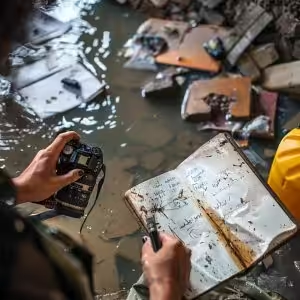
Immediately following a fire, restoration experts perform an on-site inspection to document visible damage with photographs and notes. They look for signs of structural compromise, such as warped beams, blackened surfaces, and smoke permeation. This early documentation provides a baseline record for insurance and legal purposes.
The initial assessment also prioritizes high-risk areas—monitoring potentially collapsing elements and evaluating toxic exposure risks. A thorough walkthrough of all accessible areas ensures that both obvious and hidden damage is recorded, guiding safety measures and long-term restoration strategies.
How Is a Detailed Fire Damage Report Created?
After the initial assessment, experts compile the findings into a detailed fire damage report. This report includes photographs, diagrams of affected areas, and a written account of structural, smoke, and water damages. It serves as an internal guide for restoration teams and a critical document for insurance purposes.
The report is organized by damage type. It begins with an overall summary, followed by sections elaborating on structural integrity, room-by-room impacts, and exterior elements like roofing. Special attention is paid to hidden damage—such as residual smoke or water seepage—to ensure all factors are considered when determining the repair scope and negotiating insurance settlements.
How Are Cost Estimates for Restoration Calculated?
Restoration cost estimates are based on the severity and extent of identified damages. Engineers and restoration experts break down repair costs by materials, labor, and specialized work. For instance, repairing structural damage may require reinforcing beams or replacing roofing materials, while cleaning smoke-damaged surfaces and mitigating water damage add to overall expenses.
Cost estimations also consider potential hidden damages that might require later attention. Detailed estimates provide transparency to property owners and are crucial for accurately processing insurance claims, making the restoration plan both comprehensive and financially viable.
What Tools and Techniques Are Used for Accurate Fire Damage Assessment?
Accurate fire damage evaluation requires a mix of cutting-edge technologies and traditional assessment tools. This blend allows restoration professionals to identify both visible and hidden damage and develop an actionable repair plan.
How Do Specialists Detect Hidden Smoke and Water Damage?
Specialists use advanced methods to detect hidden smoke and water damage not immediately visible to the naked eye. Infrared thermal imaging is a primary tool; it detects temperature variations that can indicate moisture accumulation or structural issues. Infrared cameras help identify areas where water has seeped into walls, ceilings, or floors, leading to long-term degradation.
Moisture meters and dehumidifiers provide quantitative readings of water levels inside building materials, detecting damp areas that might lead to mold growth. Air quality monitors detect elevated levels of contaminants from smoke residues. These tools create a comprehensive damage map, supporting prioritized restoration and more accurate cost estimates.
What Role Does Technology Play in Fire Damage Evaluation?
Technology enhances the accuracy and efficiency of fire damage evaluations. Digital cameras, 3D scanning devices, and specialized software enable precise mapping of affected areas. Digital documentation ensures complete recording of all damage, streamlining communication among restoration experts, insurance adjusters, and property owners.
Advanced software also analyzes data from infrared cameras and moisture meters to predict potential future damage, such as mold-prone areas. This proactive approach helps plan preventive measures, reducing unexpected restoration costs and ensuring an objective, replicable assessment.
How Can Homeowners and Business Owners Navigate Insurance Claims After Fire Damage?
Navigating insurance claims after a fire can be complex. However, a detailed evaluation report and accurate documentation streamline the process. Property owners must often provide extensive records to support their claims and secure fair compensation.
What Documentation Is Needed for Insurance Claim Assistance?
Successful insurance claims require detailed documentation, including: • A comprehensive fire damage report with annotated photographs, thermal imaging records, moisture readings, and narrative damage descriptions. • Receipts for immediate repairs, invoices from restoration services, and records of temporary property security measures. • Copies of original property appraisals and detailed cost estimates for restoration work.
This thorough documentation helps insurance adjusters understand the full scope of damage, simplify claim validation, and negotiate a settlement that reflects repair needs.
How Does Fire Damage Evaluation Support Insurance Settlements?
A fire damage evaluation report serves as an objective, third-party record of the damage. Detailed photographic evidence, thermal imaging, and structural assessments substantiate the need for extensive repairs. Insurance companies rely on this meticulous documentation to determine fair settlements.
Clear documentation reduces discrepancies between property owners and insurers by outlining every assessment step, thereby speeding up settlement processes and minimizing disputes.
What Are the Best Practices for Fire Damage Restoration Following Evaluation?
After a comprehensive evaluation, the restoration phase begins. Following best practices during restoration ensures that properties return to safe and functional conditions while preserving their original value.
How Is Fire Damage Prioritized for Efficient Restoration?
Restoration is prioritized based on the severity and type of damage identified. Immediate attention is given to structural damages that pose safety risks, such as compromised beams or unstable foundations. Once critical issues are addressed, focus shifts to mitigating secondary damage like hidden smoke residues and water seepage that could lead to mold growth.
Restoration specialists schedule work sequentially—starting with debris removal and structural repairs, followed by cleaning and reconstruction. Project management tools help track progress, adjust priorities as new issues emerge, and ensure that restoration meets safety standards and owner expectations.
What Are Common Restoration Techniques for Smoke and Water Damage?
Restoration techniques vary depending on the damage: • Smoke damage restoration involves aerosolized cleaning agents to neutralize residues, along with specialized treatments for upholstery and carpets. Air scrubbers and HEPA filters clean and circulate air, removing particles and odors. • Water damage restoration uses dehumidifiers, extraction vacuums, and antimicrobial treatments to prevent mold growth and contamination.
Structural repairs are crucial when fire compromises building integrity. Professionals may reinforce or replace damaged elements to ensure long-term stability. Close coordination among cleaning crews, structural engineers, and restoration specialists ensures a comprehensive, lasting repair solution.
How to Choose a Reliable Fire Damage Evaluation and Restoration Service?
Selecting a trustworthy fire damage evaluation and restoration service is essential for efficient and safe property recovery. Homeowners and business owners should consider several factors to ensure they choose a service with proven expertise and a strong commitment to quality.
What Qualifications and Certifications Should Experts Have?
Experts should hold certifications from recognized restoration organizations, such as IICRC, along with any local or state-specific accreditations. These credentials confirm their understanding of fire damage assessment, restoration techniques, and safety protocols. Reputable companies often support their teams with ongoing in-house training and education.
Experience is also critical; companies should provide case studies, customer testimonials, and before-and-after documentation to demonstrate their ability to handle complex restoration projects. Transparency and clear communication are key indicators of a trustworthy service provider.
How Does Transparency and Communication Impact Service Quality?
Effective communication throughout the restoration process is essential. Reputable companies communicate regularly, providing progress updates, detailed reports, and clear timelines. Transparent pricing, project planning, and methodology foster trust and enable property owners to make informed decisions. This clarity reduces the risk of delays and cost overruns, ensuring smoother projects, better insurance settlements, and overall enhanced customer satisfaction.
What Are Common Challenges in Fire Damage Evaluation and How Are They Overcome?
Fire damage evaluation faces several challenges, including the detection of hidden damage and delays in restoration. Understanding these challenges helps both restoration professionals and property owners address them effectively.
How to Identify Hidden or Secondary Damage?
A frequent challenge is identifying damage not immediately visible, such as hidden smoke residues or water damage occurring after firefighting efforts. Evaluators use infrared thermal imaging and moisture meters to detect temperature anomalies and unseen moisture within walls and ceilings. These techniques, combined with thorough walkthroughs and digital documentation, ensure even subtle damages are identified and addressed, preventing further deterioration.
What Are Typical Delays and How Can They Be Minimized?
Restoration can be delayed by the need for complete evaluations or additional input from engineers, insurance adjusters, or regulatory authorities. Such delays may lead to secondary damages like increased mold growth. To minimize these issues, integrated restoration services that combine evaluation and repair are preferred. Streamlined communication between evaluators, insurers, and restoration teams, along with proactive planning, can significantly reduce delays and expedite the overall process.
Frequently Asked Questions
Q: What is the primary purpose of fire damage evaluation? A: It determines the full extent of damage—structural, smoke, and water—crucial for planning restoration, filing accurate insurance claims, and ensuring overall property safety.
Q: How soon should fire damage evaluation be conducted after an incident? A: Fire damage evaluation should be conducted as soon as it is safe to access the property to document and mitigate secondary damages like water damage and mold growth.
Q: What tools are commonly used to detect hidden fire damage? A: Specialists use infrared thermal imaging cameras, moisture meters, and air quality monitors to detect hidden smoke and water damage.
Q: How does a comprehensive fire damage report support the insurance claims process? A: The report documents all damages with photographs, data readings, and descriptions, providing evidence needed to secure appropriate compensation.
Q: What qualifications should homeowners look for when choosing a restoration service? A: Look for services with IICRC certification, extensive experience, positive customer reviews, and clear, transparent communication.
Q: How can property owners minimize further damage after a fire? A: Secure the property immediately, document all damage, and initiate a prompt fire damage evaluation to prevent additional issues like mold growth.
Q: What should be included in the initial evaluation to ensure comprehensive restoration planning? A: A detailed walkthrough, photographic documentation, identification of both visible and hidden damage, and moisture level measurements are all essential components.
Final Thoughts
Fire damage evaluation is a critical foundation for the restoration process, ensuring that every aspect of damage—from structural degradation to hidden smoke and water damage—is thoroughly identified. This rigorous process supports accurate insurance claims and lays the groundwork for a safe, timely restoration. By relying on advanced tools, careful documentation, and transparent communication with restoration experts, property owners can mitigate further damage and restore their property efficiently. Prioritizing early evaluation and partnering with qualified professionals are essential steps to overcome fire damage challenges and move forward with confidence.