How to Choose Water Damage Restoration Experts for Effective Water Damage Extraction and Restoration
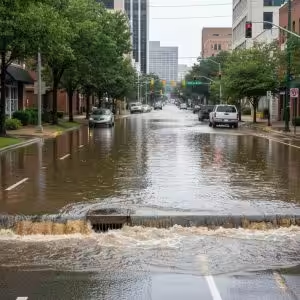
Flooding, burst pipes or heavy rains demand immediate action to protect property value and health. Homeowners and business owners in Charlotte, NC will learn how to select qualified professionals for efficient water damage extraction and restoration, preventing mold growth, structural decay and costly delays. This guide covers why expert choice matters, key certifications, 24/7 response impact, full-service offerings, vetting questions, Nics Restoration’s local advantages, homeowner preparation steps and cutting-edge technologies.
Why Is Choosing the Right Water Damage Restoration Expert Crucial?
Choosing a skilled restoration specialist ensures water is extracted quickly and structures are dried correctly, which stops microbial growth and preserves building integrity. Selecting a certified team reduces health hazards, cuts recovery time and protects long-term investment. Proper expert selection also sets the foundation for insurance support and rebuild planning.
What Risks Arise from Hiring Unqualified Water Damage Professionals?
Unqualified providers may miss hidden moisture, leading to mold colonization and odor. Incomplete extraction allows water to penetrate framing, causing warping and weakening of floors and walls. Health risks escalate as spores circulate indoors, compounding recovery costs and prolonging disruption.
How Does Proper Restoration Prevent Mold Growth and Structural Damage?
Effective drying techniques eliminate excess humidity that mold spores require to thrive. Industrial-grade dehumidifiers and air movers balance environmental control, preserving wood, drywall and insulation. These methods protect structural components while maintaining indoor air quality for occupant safety.
Why Is Local Expertise in Charlotte, NC Important for Water Damage Restoration?
Local experts understand Charlotte’s seasonal humidity, flood zones and building codes. Familiarity with regional insurance carriers expedites claims, while proximity ensures faster arrival times. Community-based teams can source local subcontractors swiftly, smoothing reconstruction after extraction and drying.
What Certifications and Qualifications Should Water Damage Experts Have?
Certified credentials validate training and adherence to industry standards for water damage restoration. Credentials like IICRC Water Restoration Technician and Applied Structural Drying ensure technicians follow proven protocols. Bonded, insured and licensed status further secures property owners against liability during the remediation process.
| Certification | Attribute | Benefit |
|---|---|---|
| IICRC Water Restoration Technician (WRT) | Standardized training | Ensures technicians use approved extraction and drying methods |
| IICRC Applied Structural Drying (ASD) | Advanced moisture control | Guarantees structural components are dried safely and fully |
| Licensed & Insured | Legal compliance | Protects homeowners/businesses from liability and financial loss |
Selecting experts with these credentials confirms a commitment to quality and industry best practices, leading into the importance of emergency availability.
Why Is IICRC Certification the Industry Gold Standard?
The Importance of IICRC Certification
IICRC certification is the industry standard, providing rigorous education, hands-on testing, and ongoing competency requirements for water damage restoration. Technicians learn moisture mapping, antimicrobial application, and equipment calibration, ensuring a structured, peer-reviewed process for safe and effective recovery.
Institute of Inspection, Cleaning and Restoration Certification (IICRC)
This certification is directly relevant to the article’s emphasis on the importance of qualified professionals.
How Do Licensed, Bonded, and Insured Credentials Protect Homeowners and Businesses?
Licensing confirms legal permission to operate within North Carolina, while bonding guarantees completion of contracted work even if the provider defaults. Insurance covers accidental damage or injuries on site, shielding property owners from out-of-pocket expenses and fostering trust in professional accountability.
What Experience Level Should You Expect from Water Damage Restoration Professionals?
Look for teams with multiple years of field service and documented case histories. Experienced technicians can diagnose complex water intrusion patterns, handle category 2 or 3 contamination safely and coordinate with restoration contractors. Proven track records typically translate to faster, more reliable outcomes.
How Does 24/7 Emergency Response Impact Water Damage Restoration Outcomes?
Immediate response curbs water infiltration and secondary damage. Rapid deployment of water pumps and drying equipment stops moisture migration into concealed areas, minimizing repair scope. A team on call day or night ensures extraction begins at the earliest opportunity, reducing mold risk and structural compromise.
Benefits of 24/7 Emergency Response
Immediate response to water damage is critical to prevent secondary damage. Rapid deployment of water pumps and drying equipment stops moisture migration, minimizing repair scope and reducing the risk of mold and structural compromise. A team on call day or night ensures extraction begins at the earliest opportunity.
This supports the article’s emphasis on the importance of immediate action after water damage restoration occurs.
Why Is Rapid Water Extraction Critical After Damage Occurs?
Removing standing water within hours prevents capillary action from drawing moisture into subfloors and wall cavities. Quick extraction preserves materials, lowers humidity levels and reduces microbial proliferation. Fast action directly correlates with shorter drying times and lower restoration expenses.
How Do Experts Ensure Immediate Availability and Fast Arrival?
Reputable providers maintain staffed call centers, on-site equipment caches and strategic staging locations across Charlotte, NC. GPS-enabled dispatch systems track technician proximity, enabling arrival within one hour of notification. This operational readiness is essential for time-sensitive extraction and drying.
What Technologies Support Efficient Emergency Water Damage Services?
| Technology | Function | Advantage |
|---|---|---|
| Thermal Imaging Camera | Detects hidden moisture | Reveals water behind walls without demolition |
| Industrial Water Pumps | High-capacity removal | Extracts hundreds of gallons per hour |
| Air Movers | High-velocity airflow | Speeds evaporation on wet surfaces |
| Moisture Meters | Measures material moisture | Verifies dryness levels to prevent secondary damage |
Employing these technologies ensures comprehensive, rapid water removal and sets the stage for full structural drying.
What Comprehensive Services Should a Water Damage Restoration Company Offer?
A professional firm manages every step of water damage recovery from extraction through rebuild. Core services include water removal, structural drying, dehumidification, mold remediation, fire and smoke repair, and flood cleanup. This seamless scope prevents coordination gaps and simplifies insurance processes.
How Are Water Extraction, Drying, and Dehumidification Performed Professionally?
Specialized equipment, calibrated by certified technicians, extracts surface and embedded water before floor coverings or framing swell. Air movers circulate warm airflow across surfaces, while industrial dehumidifiers remove moisture vapor efficiently. These coordinated processes restore relative humidity to safe ranges.
| Service Component | Equipment Used | Purpose |
|---|---|---|
| Water Extraction | Submersible Pumps | Removes bulk water quickly |
| Structural Drying | Centrifugal Air Movers | Accelerates evaporation on walls and floors |
| Dehumidification | Low-Grain Refrigerant Dehumidifiers | Lowers airborne humidity to target levels |
This integrated service approach naturally dovetails into mold remediation as the next critical safeguard.
Why Is Mold Remediation an Essential Part of Water Damage Restoration?
Mold can colonize within 24–48 hours on damp materials, posing health risks and structural deterioration. Remediation specialists apply EPA-registered antimicrobials, remove contaminated materials and encapsulate surfaces to prevent spore recurrence. This step restores safe indoor air quality.
How Do Fire and Smoke Damage Restoration Complement Water Damage Services?
Water used to extinguish fires often causes secondary damage requiring extraction and drying. A full-service restoration team repairs fire-affected structures, cleans soot residues and integrates water damage protocols to return properties to pre-loss condition, avoiding redundant contractors.
What Does Flood Damage Cleanup Involve for Residential and Commercial Properties?
Flood cleanup encompasses debris removal, contaminated water disposal, sanitization of surfaces and targeted demolition when necessary. Commercial spaces demand adherence to OSHA safety standards and coordination with facility managers. Thorough cleanup reduces liability and downtime.
What Questions Should You Ask Before Hiring Water Damage Restoration Experts?
- Ask if the technicians hold IICRC certifications for water damage extraction and restoration.
- Confirm 24/7 emergency water extraction services and typical arrival times.
- Inquire how the team assists with insurance claims documentation and communications.
- Request local Charlotte, NC references and recent customer testimonials.
- Clarify the pricing structure, estimate inclusions and any potential additional fees.
These vetting criteria prepare you for selecting the best expert, leading us to how Nics Restoration excels locally.
How Does Nics Restoration Stand Out as a Trusted Water Damage Expert in Charlotte, NC?
Nics Restoration combines rapid 24/7 emergency response with IICRC-certified technicians and advanced equipment to deliver full-scope water damage extraction and restoration in Charlotte. Local ownership and deep community ties drive personalized service and quick mobilization for every emergency.
What Makes Nics Restoration’s 24/7 Emergency Response Unique?
With strategically located crews across the Charlotte metro area and GPS-monitored dispatch, Nics Restoration arrives often within 60 minutes. This readiness prevents escalation of water intrusion and avoids prolonged exposure that leads to mold and structural decay.
How Does Nics Restoration’s IICRC Certified Team Ensure Quality Restoration?
Every technician completes both WRT and ASD IICRC courses and passes hands-on proficiency exams. Ongoing training and peer reviews guarantee that water extraction, drying and sanitization follow the latest industry standards for safety and effectiveness.
How Does Nics Restoration Support Homeowners and Businesses with Insurance Claims?
The team provides detailed moisture reports, digital photo logs and itemized invoices that align with insurer requirements. Direct communication with adjusters streamlines approvals and reduces out-of-pocket expenses, ensuring claims are processed swiftly and accurately.
What Advanced Equipment and Technology Does Nics Restoration Use?
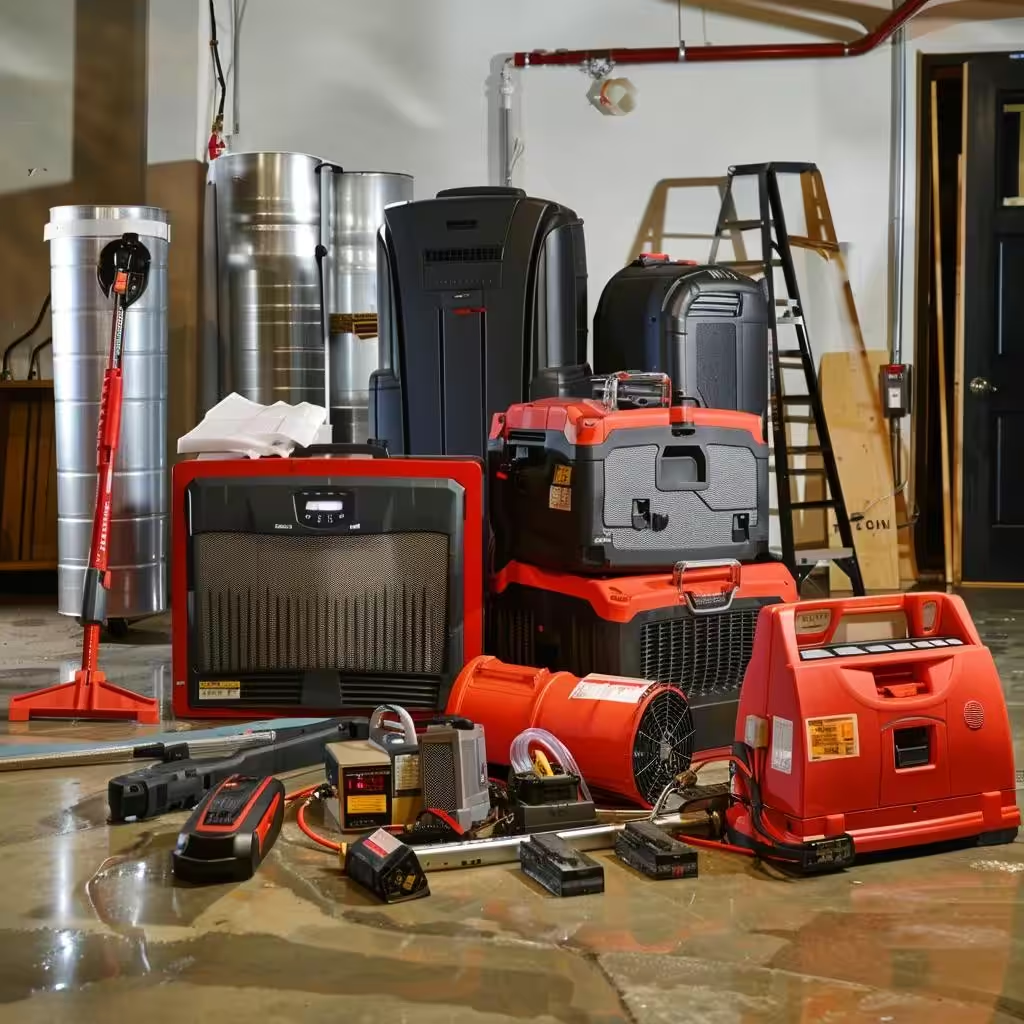
Nics Restoration deploys thermal imaging, industrial-grade dehumidifiers, desiccant technology and HEPA-filtered air scrubbers to control moisture and airborne particulates. This investment in cutting-edge tools delivers faster drying times and healthier indoor environments.
What Do Local Customers Say About Nics Restoration’s Water Damage Services?
Charlotte property owners consistently praise Nics Restoration for transparent communication, punctual arrivals and respectful work crews. Testimonials highlight seamless coordination, thorough cleanup and effective mold prevention that restore homes and businesses quickly.
How Can You Prepare for Water Damage Restoration to Ensure the Best Results?
Homeowner readiness streamlines emergency recovery and restores normalcy faster. Taking key actions before technicians arrive enables efficient assessment and planning for full restoration.
What Steps Should You Take Immediately After Water Damage Occurs?
Safely shut off the water source if possible, turn off electricity in affected areas and remove portable valuables. Photograph the damage from multiple angles and move furniture away from walls. These steps protect personal items and document conditions for adjusters.
How Can You Document Damage for Insurance and Restoration Purposes?
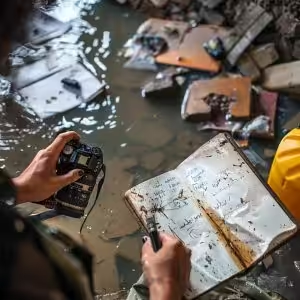
Use a smartphone or camera to record water lines, soaked materials and any mold spots. Note dates and times of photos. Organized photo logs help both insurers and restoration experts assess the scope of work quickly and accurately.
What Should You Expect During the Water Damage Assessment Process?
Technicians will inspect moisture levels behind walls, under flooring and inside cavities using thermal imaging and moisture meters. They classify damage categories—clean water (Category 1), grey water (Category 2) or black water (Category 3)—to define safety protocols and remediation steps.
How Do Professionals Determine the Category and Severity of Water Damage?
Assessment tools measure moisture content in building materials and airborne humidity. Visual inspection of contamination sources and structural impact guides classification. Accurate categorization dictates the level of personal protective equipment and disposal procedures required for safe remediation.
How Do Advanced Technologies Improve Water Damage Extraction and Restoration?
Emerging equipment and digital tools refine assessment, speed drying and prevent relapse. Advanced technologies reduce guesswork, ensure thorough restoration and protect the health of occupants long after water removal.
What Role Do Moisture Meters and Thermal Imaging Play in Damage Assessment?
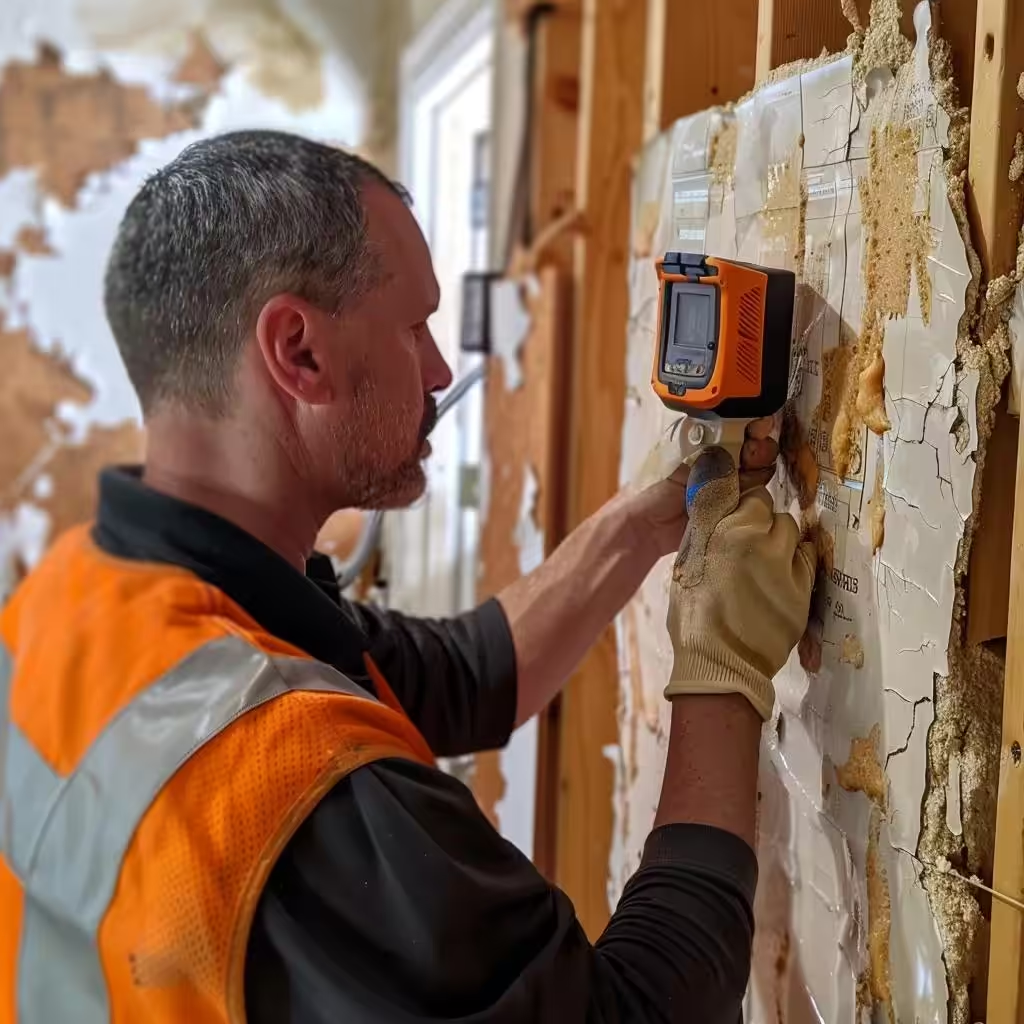
Moisture meters provide precise readings of water content in wood, drywall and concrete, while thermal cameras reveal hidden moisture pockets without cutting into structures. Combined, these tools guide targeted drying plans and prevent unnecessary demolition.
How Are Industrial Dehumidifiers and Air Movers Used in Structural Drying?
Low-grain refrigerant and desiccant dehumidifiers lower humidity below critical thresholds, while air movers circulate warm air to speed evaporation. Coordinated equipment placement creates drying zones that protect framing, insulation and finishes from prolonged dampness.
How Does Technology Enhance Mold Prevention After Water Damage?
HEPA-filtered air scrubbers capture airborne spores, while surface-applied antimicrobial foggers inhibit mold colonization. Digital humidity sensors stream real-time data to technicians, enabling immediate adjustments to drying equipment and environmental controls.
What Innovations Are Emerging in Water Damage Restoration Equipment?
Robotic crawlers equipped with thermal imaging inspect crawl spaces, while moisture-sensing drones assess large commercial sites. IoT-enabled sensors relay continuous data, optimizing drying efficiency and ensuring comprehensive moisture removal.
Choosing qualified water damage restoration experts ensures efficient water extraction and structural drying to protect your property from mold and decay. Nics Restoration’s IICRC-certified team and rapid 24/7 response in Charlotte, NC, deliver trusted service from assessment through remediation. Advanced equipment and insurance support reduce stress during emergencies and streamline claims. Contact Nics Restoration today to restore your peace of mind and safeguard your home or business.
Frequently Asked Questions
What Should Homeowners Do Before Water Damage Restoration Experts Arrive?
Before restoration professionals arrive, homeowners should take immediate safety precautions. This includes shutting off the water source if possible, turning off electricity in affected areas, and removing valuable items from the vicinity of the water. Additionally, documenting the damage with photographs from multiple angles can be beneficial for insurance claims. These steps help protect personal belongings and provide essential information for the restoration team to assess the situation effectively.
How Can Homeowners Ensure Their Insurance Claims Are Processed Smoothly?
To facilitate a smooth insurance claims process, homeowners should keep detailed records of the damage, including photographs and notes on the timeline of events. It’s also helpful to maintain open communication with the restoration team, as they can provide necessary documentation, such as moisture reports and itemized invoices, that align with insurer requirements. Engaging directly with the insurance adjuster can further streamline approvals and reduce out-of-pocket expenses.
What Are the Common Signs of Water Damage That Homeowners Should Look For?
Homeowners should be vigilant for several signs of water damage, including discoloration or stains on walls and ceilings, peeling paint or wallpaper, and warped or buckled flooring. Musty odors can also indicate hidden moisture or mold growth. Additionally, if there are visible leaks or pooling water, these are clear indicators that immediate action is needed to prevent further damage and health risks.
How Long Does the Water Damage Restoration Process Typically Take?
The duration of the water damage restoration process can vary significantly based on the extent of the damage and the size of the affected area. Generally, minor water damage can be addressed within a few days, while more severe cases may take weeks to complete. Factors such as the type of water involved, the materials affected, and the efficiency of the restoration team all play a role in determining the timeline for recovery.
What Should You Expect During the Water Damage Assessment Process?
During the assessment process, technicians will inspect the property for moisture levels using tools like thermal imaging cameras and moisture meters. They will evaluate the extent of the damage, classify the type of water involved, and determine the necessary remediation steps. This thorough evaluation is crucial for developing an effective restoration plan and ensuring that all affected areas are addressed appropriately.
How Can Homeowners Prevent Future Water Damage?
Preventing future water damage involves regular maintenance and proactive measures. Homeowners should inspect their roofs, gutters, and downspouts for blockages and leaks, and ensure proper drainage around the foundation. Installing sump pumps in basements and using water leak detection systems can also help. Additionally, maintaining indoor humidity levels and promptly addressing any plumbing issues can significantly reduce the risk of water damage.
What Are the Health Risks Associated with Water Damage?
Water damage can lead to various health risks, primarily due to mold growth and the presence of contaminated water. Mold spores can trigger allergic reactions, respiratory issues, and other health problems, especially in vulnerable individuals. Additionally, water from burst pipes or flooding may contain harmful bacteria and pathogens. Addressing water damage promptly and effectively is essential to mitigate these health risks and ensure a safe living environment.