Understanding the Key Differences Between Various Hurricane Damage Repair Contractors for Homeowners

Facing unexpected hurricane damage can overwhelm any homeowner in Charlotte, NC. Understanding the key differences between various hurricane damage repair contractors empowers property owners to choose professionals who restore homes effectively, navigate insurance claims, and deliver peace of mind. This guide maps out contractor types, insurance support, vetting steps, specialized services, local advantages, common homeowner questions, and proactive preparation. By the end, readers will know exactly which service matches their storm recovery needs and how Nics Restoration’s IICRC-certified team assists every step of the way.
What Are the Main Types of Hurricane Damage Repair Contractors?
Hurricane damage repair contractors fall into two primary categories—general contractors and restoration contractors—each serving distinct roles in rebuilding and recovery. General contractors oversee construction and remodeling projects, while restoration contractors specialize in emergency mitigation and certified cleanup. Recognizing these roles helps homeowners select the right expert for their unique damage scenario.
Contractor Roles and Responsibilities
General contractors manage comprehensive building projects, while restoration contractors specialize in emergency mitigation and cleanup, including water extraction and mold remediation. Understanding these distinct roles is crucial for homeowners to select the appropriate professional for their specific needs after a hurricane.
This FEMA guide clarifies the roles of different contractors, supporting the article’s explanation of general versus restoration contractors.
What Is a General Contractor and What Services Do They Provide?
A general contractor manages comprehensive building and renovation projects after hurricane impact, coordinating subcontractors and overseeing structural work. They secure permits, schedule carpenters, electricians, and roofers, and supervise framing, finish carpentry, and full-scale rebuilds. For example, a general contractor will replace entire roofing systems, reinstall drywall, and remodel interior layouts to restore a home’s livability.
What Is a Restoration Contractor and How Are They Specialized?
A restoration contractor focuses on disaster recovery—mitigating water intrusion, extracting moisture, disinfecting affected areas, and preparing structures for reconstruction. Certified by organizations like IICRC, restoration professionals follow industry standards for water extraction, mold remediation, and smoke odor removal. For instance, a restoration contractor uses specialized drying equipment to prevent secondary mold growth after flooding. water damage restoration
How Do General Contractors and Restoration Contractors Differ?
| Entity | Attribute | Value |
|---|---|---|
| General Contractor | Core Function | Manages rebuilds, remodeling, structural repairs |
| Restoration Contractor | Core Function | Performs mitigation, water extraction, mold cleanup, smoke and fire restoration |
| Insurance Interaction | Estimate Method | Uses contractor’s own estimates |
| Restoration Contractor | Estimate Method | Often uses Xactimate for standardized insurance claims |
| Certification | Licensing & Credentials | State contractor license |
| Restoration Contractor | Licensing & Credentials | IICRC certifications, specialized training |
Selecting between these roles depends on whether a homeowner needs immediate damage control or complete reconstruction after mitigation.
When Should Homeowners Hire Each Type of Contractor?
Homeowners should hire a restoration contractor immediately after leaks, flooding, or smoke infiltration to prevent ongoing damage. A general contractor is the appropriate choice once structures are dry, mold-free, and ready for framing or finish work. Engaging restoration experts first ensures water and mold risks are addressed before rebuilding begins, reducing repair costs over time.
How Do Hurricane Damage Repair Contractors Assist with Insurance Claims?
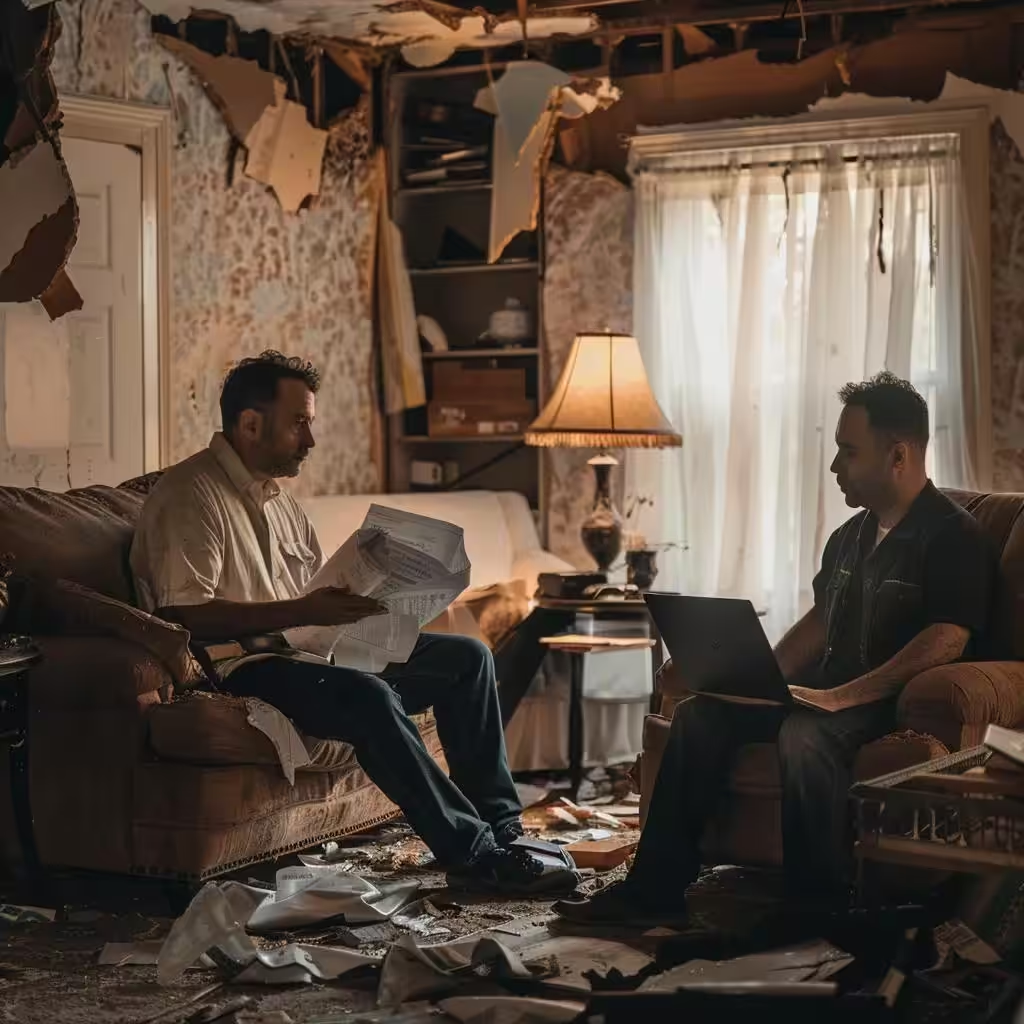
Hurricane repair often involves filing detailed insurance claims, and contractors play a critical role in documenting losses, preparing estimates, and negotiating scope with insurers. Understanding this process helps homeowners maximize their claim settlements without delay.
Insurance Claims Process
Contractors play a vital role in the insurance claim process by documenting damage, preparing estimates, and negotiating with insurers. They often use software like Xactimate to create detailed estimates, ensuring accurate claim valuation and streamlining the process for homeowners.
This source provides information on the insurance claims process, which supports the article’s discussion of how contractors assist homeowners with insurance claims.
What Role Does a Contractor Play in the Insurance Claim Process?
A contractor documents damage by photographing affected areas, listing damaged materials, and compiling scope of work. They submit itemized estimates directly to the insurance company and explain repair needs to adjusters. This collaboration ensures policy provisions are met and claim approvals reflect the true cost of restoration.
What Is Xactimate and Why Is It Important for Hurricane Damage Claims?
Xactimate is industry-standard software that restoration contractors and insurance adjusters use to create detailed, line-item estimates. By calculating material and labor costs based on local pricing data, Xactimate ensures consistent, transparent claim valuation. Homeowners benefit from accurate estimates that reduce disputes and expedite payments.
How Do Contractors Work with Insurance Adjusters and Companies?
Contractors arrange on-site meetings with adjusters to walk through damage, compare estimates, and justify repair methods. Many offer direct billing, allowing homeowners to pay only deductibles while contractors handle invoicing with insurers. This approach streamlines paperwork and accelerates repair timelines.
How Can Homeowners Document Damage Effectively for Claims?
Homeowners should photograph all affected rooms, record video walkthroughs, and maintain an inventory of damaged belongings. Retaining receipts for emergency purchases—such as tarping or pumps—supplements contractor estimates. Clear documentation provides proof of loss and supports claim accuracy from first notice through final settlement.
What Are the Essential Steps to Vet a Hurricane Damage Repair Contractor?
Proper vetting prevents costly mistakes and ensures reliable restoration. Homeowners must verify credentials, review contracts, check references, and recognize warning signs before signing agreements.
How Do You Verify Contractor Licenses, Insurance, and Certifications?
Homeowners should request a copy of state licensing information, confirm general liability and workers’ compensation coverage, and ask for IICRC or other industry certifications. Contact the North Carolina licensing board to validate credentials and call insurers directly to confirm active policies.
What Should Be Included in a Written Contract with a Contractor?
A comprehensive contract should define the scope of work, payment schedule, project timeline, warranty terms, and insurance billing arrangements. It must list materials, labor costs, permit responsibilities, and change-order procedures. Clear contractual terms protect homeowners from unexpected expenses or delays.
How Can Homeowners Check References and Online Reviews?
Start by requesting recent project references, then call past clients to ask about communication, workmanship, and adherence to schedules. Search online platforms—Google Reviews, Better Business Bureau, and local forums—for contractor ratings and comments. A strong track record in Charlotte indicates reliable performance under local conditions.
What Are Common Red Flags to Watch for When Hiring Contractors?
Warning signs include door-to-door solicitations, demands for large upfront cash payments, absence of a written contract, lack of verifiable references, or unresponsiveness to inquiries. Trustworthy professionals maintain transparent communication, provide detailed proposals, and carry proper credentials.
What Specialized Hurricane Damage Repair Services Do Contractors Offer?
Hurricane damage spans wind, water, mold, fire, and structural issues. Contractors offer tailored services to address each damage type and restore homes safely. storm damage restoration.
How Is Wind Damage Repaired by Hurricane Contractors?
Contractors secure loose roofs, replace damaged shingles or metal panels, and repair siding or exterior trim. They reinforce weak framing, seal gaps to prevent leaks, and restore structural integrity. Proper wind damage repair prevents water infiltration and ensures safety against future storms.
What Does Water Damage Restoration Involve After a Hurricane?
Water damage restoration includes rapid water extraction, high-powered drying, dehumidification, and antimicrobial treatment. Technicians remove soaked materials, sanitize surfaces, and monitor moisture levels until safe thresholds are reached. Thorough water remediation prevents rot and mold growth.
Why Is Mold Remediation Critical Post-Hurricane?
Mold remediation identifies and removes fungal contamination that thrives in damp environments. Certified technicians contain infested areas, use HEPA filtration, and apply antimicrobial agents to eliminate spores. Prompt mold removal protects indoor air quality and prevents health risks.
How Are Fire and Smoke Damages Addressed After Storms?
Secondary fire or electrical damage from lightning or generator malfunctions requires smoke odor removal, soot cleaning, and structural repair. Contractors employ thermal fogging, air scrubbers, and specialized cleaning agents to restore indoor environments and remove lingering odors. For more information, visit smoke damage restoration.
Why Choose a Local Hurricane Damage Repair Contractor in Charlotte, NC?
Local expertise accelerates response times, navigates regional codes, and leverages community relationships. Charlotte homeowners benefit from faster service, accurate permitting, and familiarity with common storm impacts in the Piedmont region.
How Does Local Knowledge Benefit Hurricane Damage Restoration?
Contractors based in Charlotte understand local building regulations, seasonal weather patterns, and utility providers’ protocols. This knowledge ensures repairs meet code requirements and minimizes permit delays. Familiarity with area suppliers also accelerates material sourcing.
What Emergency Hurricane Response Services Are Available in Charlotte?
Homeowners can access 24/7 board-up services, emergency tarping, rapid water extraction, and temporary power solutions. Local teams arrive quickly after storm events, securing properties and mitigating further damage until full restoration begins.
What Unique Advantages Does Nics Restoration Offer to Charlotte Homeowners?
Nics Restoration’s IICRC-certified professionals deliver comprehensive mitigation, cleaning, and reconstruction services under one roof. With round-the-clock availability, direct insurance billing, and more than a decade of Charlotte-area experience, homeowners gain rapid recovery and personalized project management from inspection to final rebuild.
What Are the Common Questions Homeowners Ask About Hurricane Damage Repair Contractors?
Homeowners often seek clarity on roles, qualifications, and claim support when selecting repair professionals after storms.
What Is the Difference Between a General Contractor and a Restoration Contractor?
A general contractor oversees construction and remodeling, while a restoration contractor specializes in emergency damage cleanup, moisture control, and certified remediation. Restoration experts hold IICRC credentials and leverage Xactimate for insurance estimates, streamlining claim approvals.
How Do I Choose a Reputable Hurricane Damage Repair Contractor?
Verify licenses, insurance, and certifications; review local references; inspect previous work; and compare written estimates. Prioritize contractors who offer detailed scopes, clear communication, and transparent billing practices.
Do I Need a Public Adjuster or a Contractor for My Hurricane Damage Claim?
A restoration contractor typically handles damage documentation and claim estimates, reducing the need for a public adjuster. Homeowners may engage a public adjuster only if claim disputes arise or complex policy interpretations are required. home restoration.
What Certifications Should I Look for in a Restoration Contractor?
Look for IICRC certifications in water damage restoration, mold remediation, and fire and smoke damage. Additional credentials—like EPA Lead-Safe and OSHA safety training—indicate commitment to best practices and regulatory compliance.
How Can Homeowners Prepare for Hurricane Damage and Contractor Selection?
Proactive preparation minimizes damage and streamlines the recovery process when storms arrive.
What Steps Should Homeowners Take Before a Hurricane Hits?
Secure loose objects outdoors, inspect and reinforce roofing, document valuables with photos, and back up critical documents off-site. Maintain an emergency kit and home inventory to support swift claims and safety.
What Immediate Actions Are Recommended After a Hurricane?
Prioritize safety by checking for structural hazards, shutting off utilities if leaks exist, and arranging emergency board-up or tarping. Contact a qualified restoration contractor to assess damage and begin mitigation within 24–48 hours.
How Does Early Contractor Involvement Improve Restoration Outcomes?
Engaging experts promptly enables faster damage assessment, immediate moisture control, and early insurance coordination. Rapid response reduces secondary issues like mold, lowers repair costs, and ensures a smoother path to full property recovery.
Nics Restoration stands ready to help Charlotte homeowners navigate every step of hurricane recovery with experienced guidance, certified mitigation, and comprehensive rebuild services. Contact their team today for a free inspection and personalized restoration plan.